
📖 The Sprouty Blog
Expert advice, seasonal guides, and practical tips to help your garden flourish.
 plant-guides
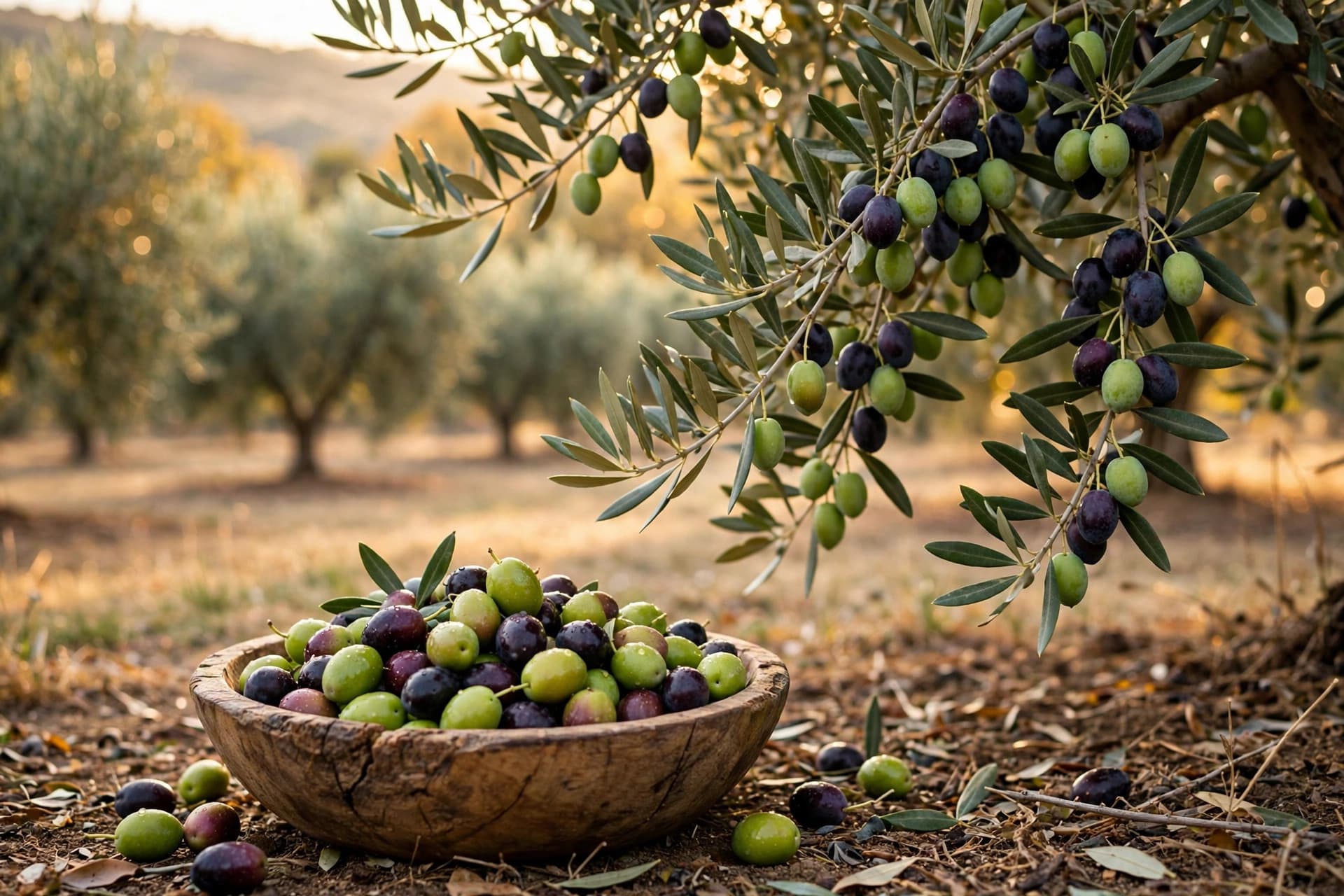
Can You Eat Olives Straight Off the Tree?
No — a raw olive is inedibly bitter, not unripe. Oleuropein makes the fruit unpalatable until curing breaks it down. Here is the California harvest calendar, the squeeze tests for ripeness, and the four curing methods — with UC's safety rules for lye, spoilage, and canning.
 Sprouty
 plant-guides
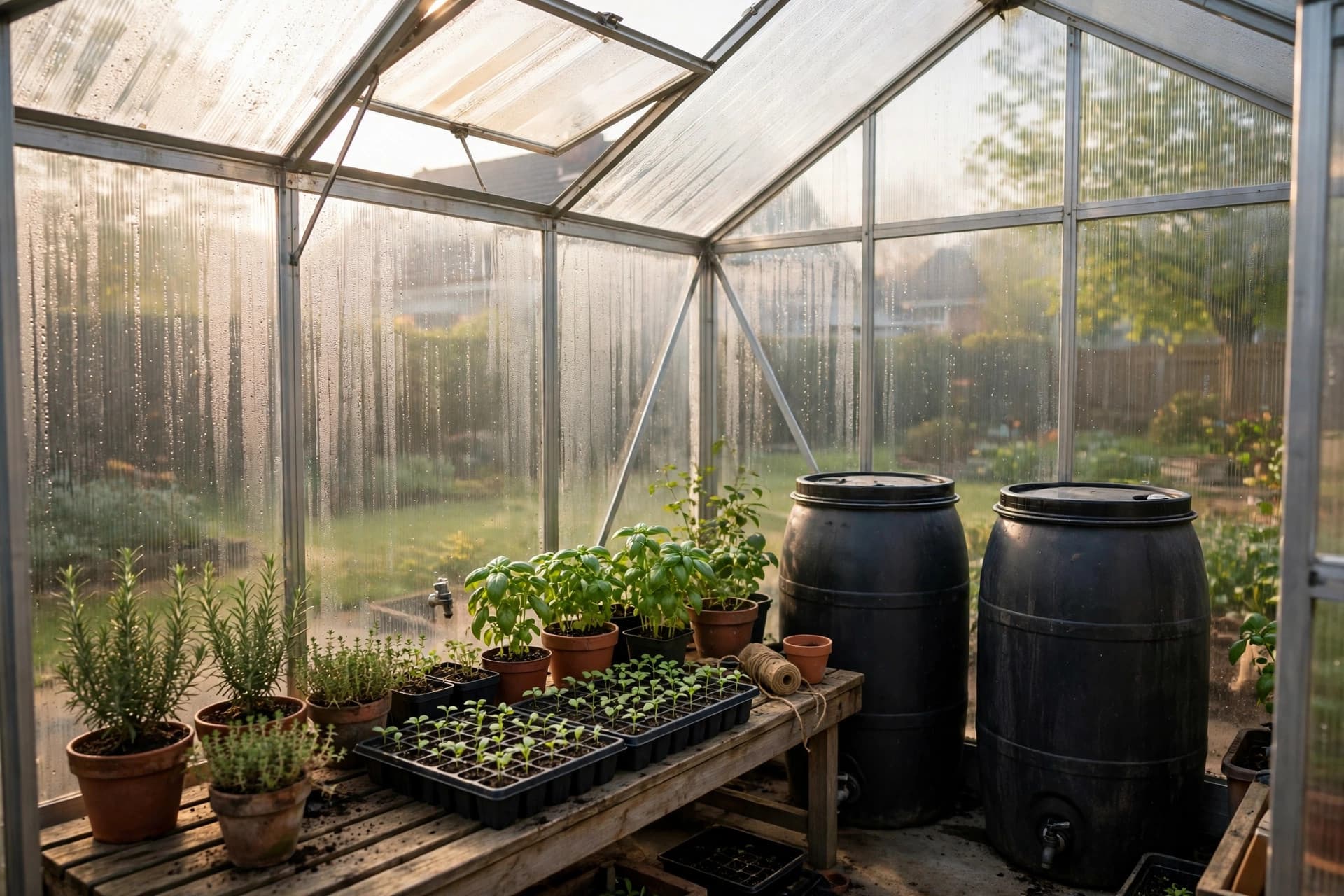
How Do You Care for a Home Greenhouse Year-Round?
A home greenhouse is a solar trap that overheats by day and chills by night — care is a daily rhythm of morning venting and watering, midday heat escape, and a thermostat-triggered heater plus water-barrel thermal mass at night. Here's which types suit a home, which heater to buy, what can live inside year-round, and why herbs are the perfect first crop.
Sprouty plant-guides
Why Are Marigolds the Flower of Day of the Dead?
Marigolds are Día de los Muertos' flower because, per tradition, their blazing color and strong scent guide returning souls home along a path of petals. Here's the spirit-guide story, the Nahuatl name, and how California gardeners can grow cempasúchil for next year's ofrenda.
Sprouty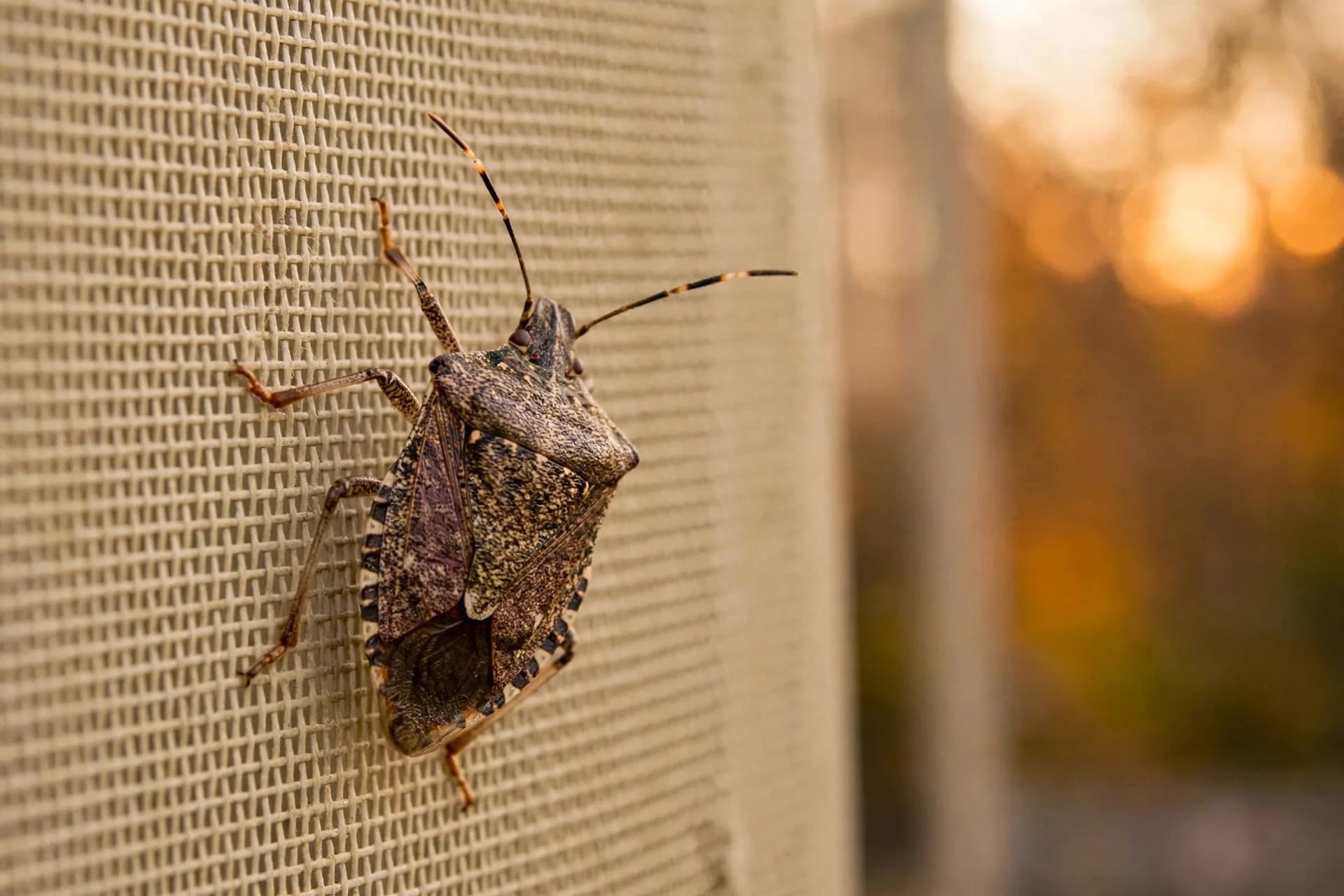 pest-control
Why Are Stink Bugs Invading Your Home Right Now?
Brown marmorated stink bugs are moving into homes right now to overwinter — not to eat, breed, or bite. Here's why it happens every fall, why you should never crush them indoors, and how sealing entry points now stops the invasion.
Sprouty plant-guides
When Will the Corpse Flower Bloom at UC Santa Cruz?
UC Santa Cruz's corpse flower (Amorphophallus titanum) is expected to bloom within days of Halloween 2026 — only its second bloom since 2012. The smelly spectacle lasts about 24 hours, so check the Arboretum's official page before driving over.
Sprouty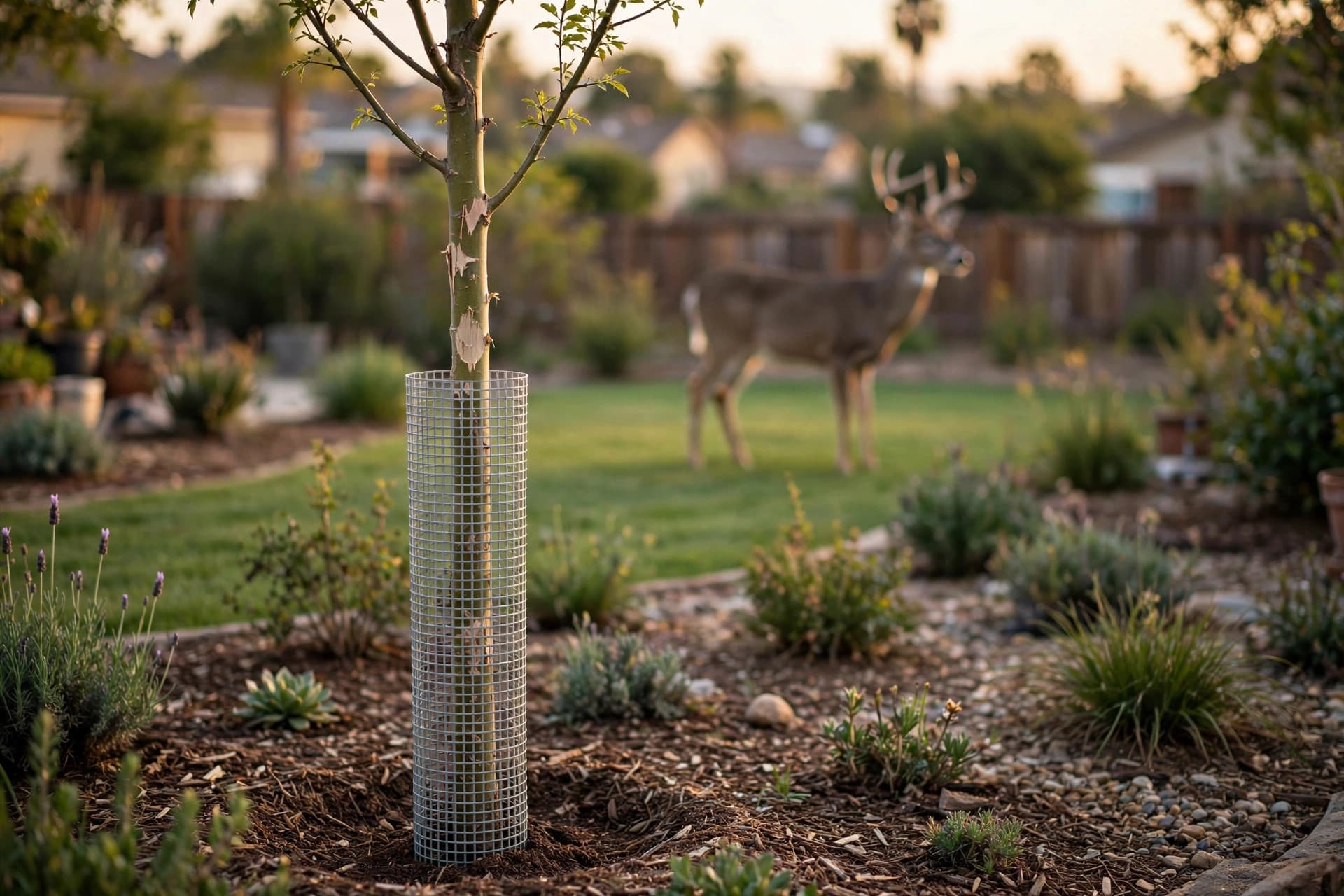 pest-control
How Do You Protect Young Trees From Deer Antler Rubbing?
Wrap the trunk. A rigid guard or wire cylinder from the soil line up at least 4 feet is the only proven way to stop a buck from shredding your young tree's bark during the fall rut — repellents don't stop rubbing. Here's exactly how, and why one night is enough to kill a tree.
Sprouty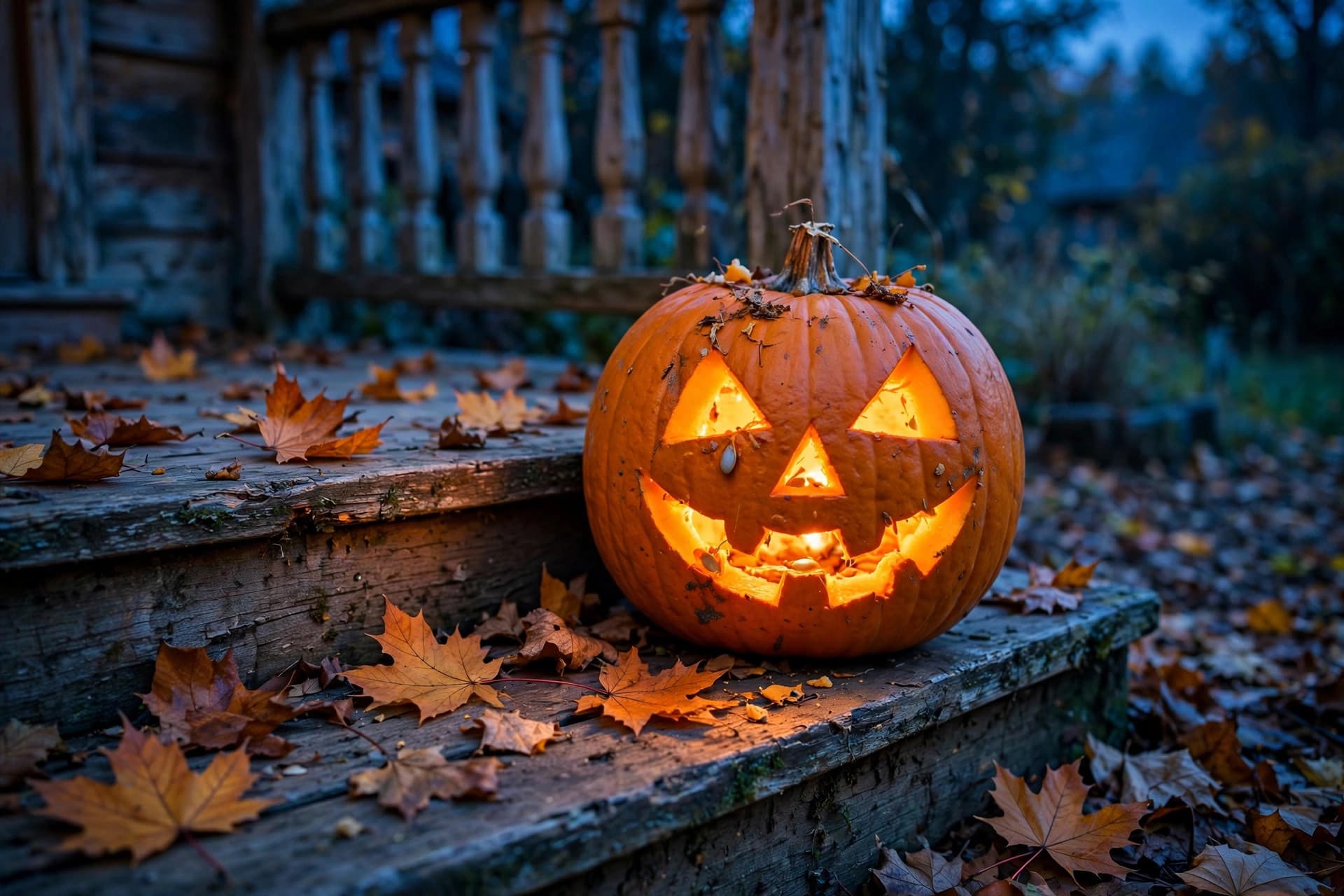 Growing Tips
How Do You Keep a Carved Pumpkin From Rotting Before Halloween?
An untreated carved pumpkin collapses within 3 to 5 days, but carving 8 to 10 days before Halloween paired with a 10 percent bleach spray, petroleum jelly on cut edges, and an LED light extends freshness to 8 to 11 days.
Sprouty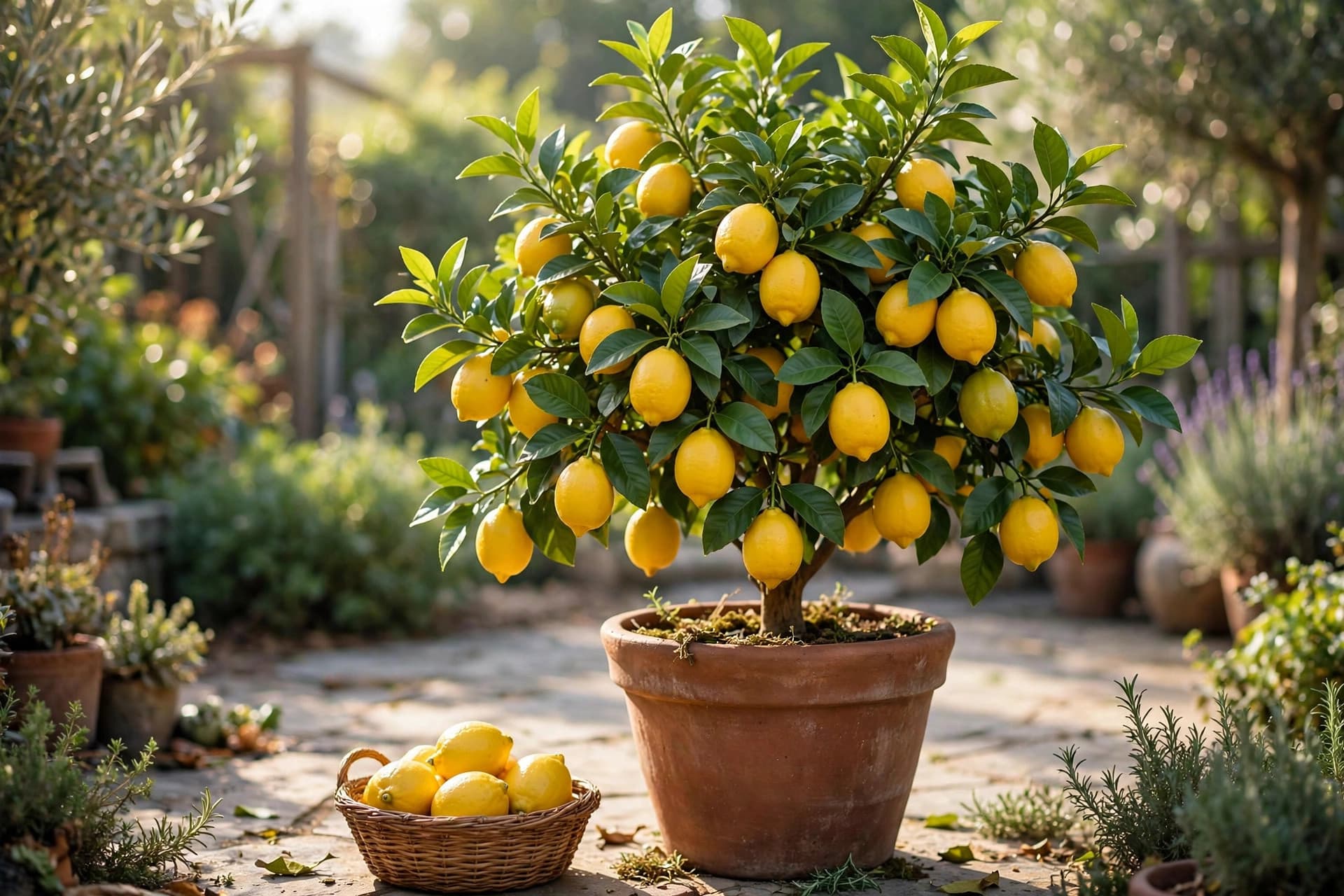 plant-guides
How to Grow Lemons at Home for Homemade Lemonade
Yes, you can grow lemons at home — a grafted Meyer lemon in a pot needs 6+ hours of sun, deep water when dry, and citrus food spring to fall. Here's the full path from blossom to a real glass of homemade lemonade.
Sprouty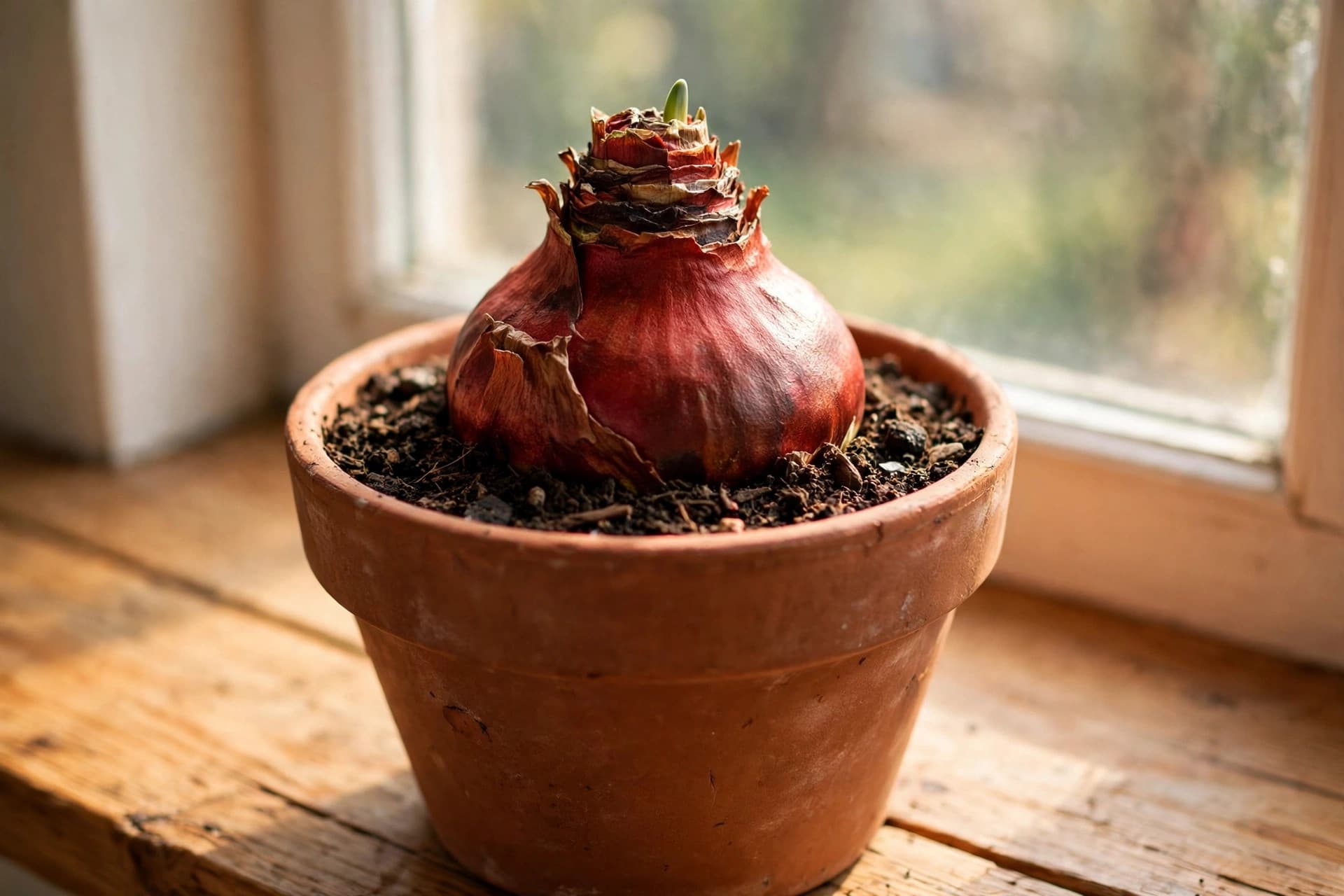 Seasonal
When Should You Plant Amaryllis Bulbs for Christmas Blooms?
Amaryllis needs 6 to 8 weeks from planting to bloom and — unlike tulips — no chilling period at all. Plant a large, firm bulb this week with the top third exposed, and you'll have Christmas flowers.
Sprouty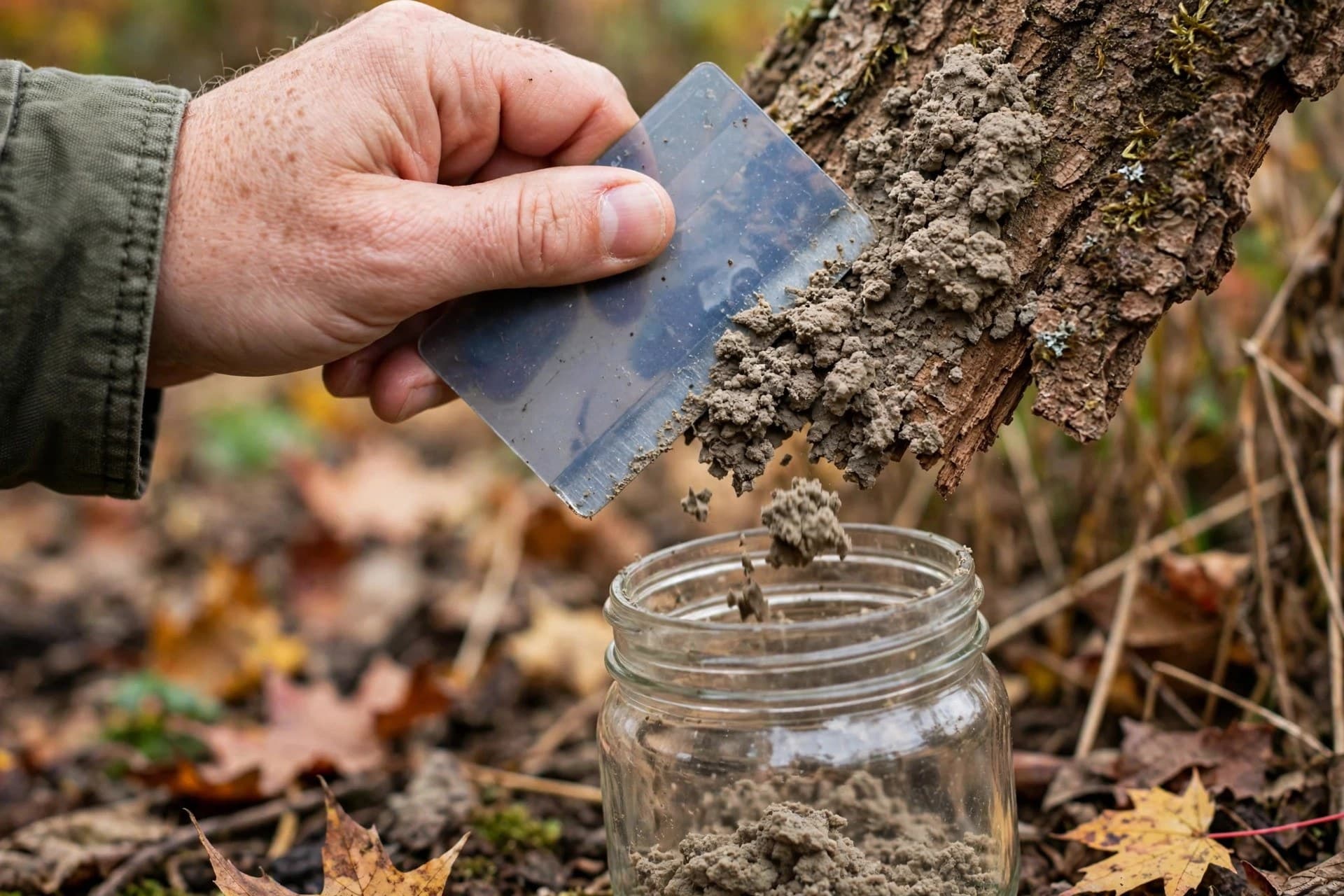 pest-control
Should You Scrape Spotted Lanternfly Egg Masses Off Your Trees in October?
October is peak egg-laying season for spotted lanternflies. Scrape reachable masses into rubbing alcohol now — each one destroys up to 50 next spring's lanternflies.
Sprouty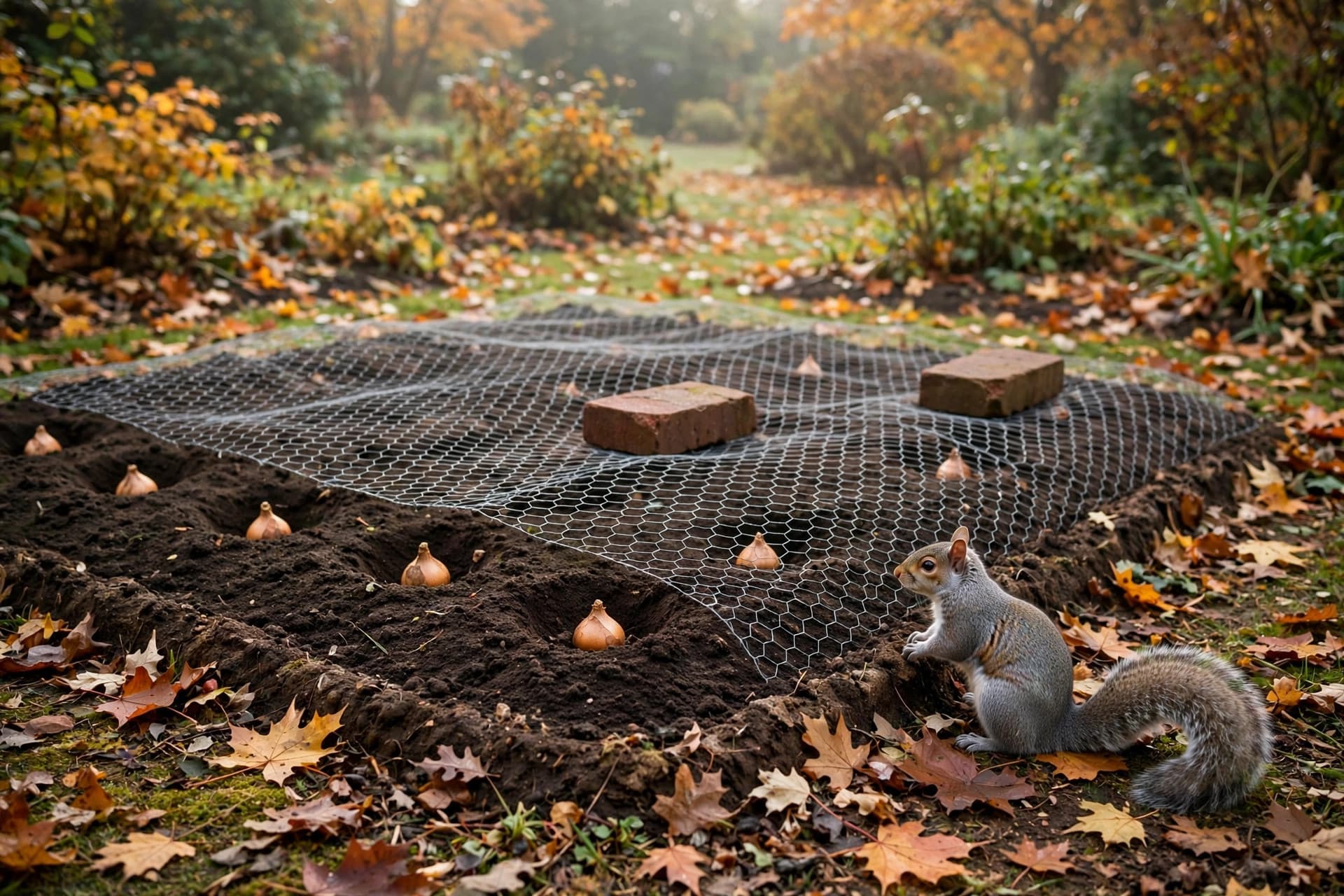 Seasonal
How to Stop Squirrels From Digging Up Tulip Bulbs
Squirrels raid freshly planted tulip bulbs within days. Iowa State Extension's top defense: lay chicken wire over the bed and plant 6–8 inches deep.
Sprouty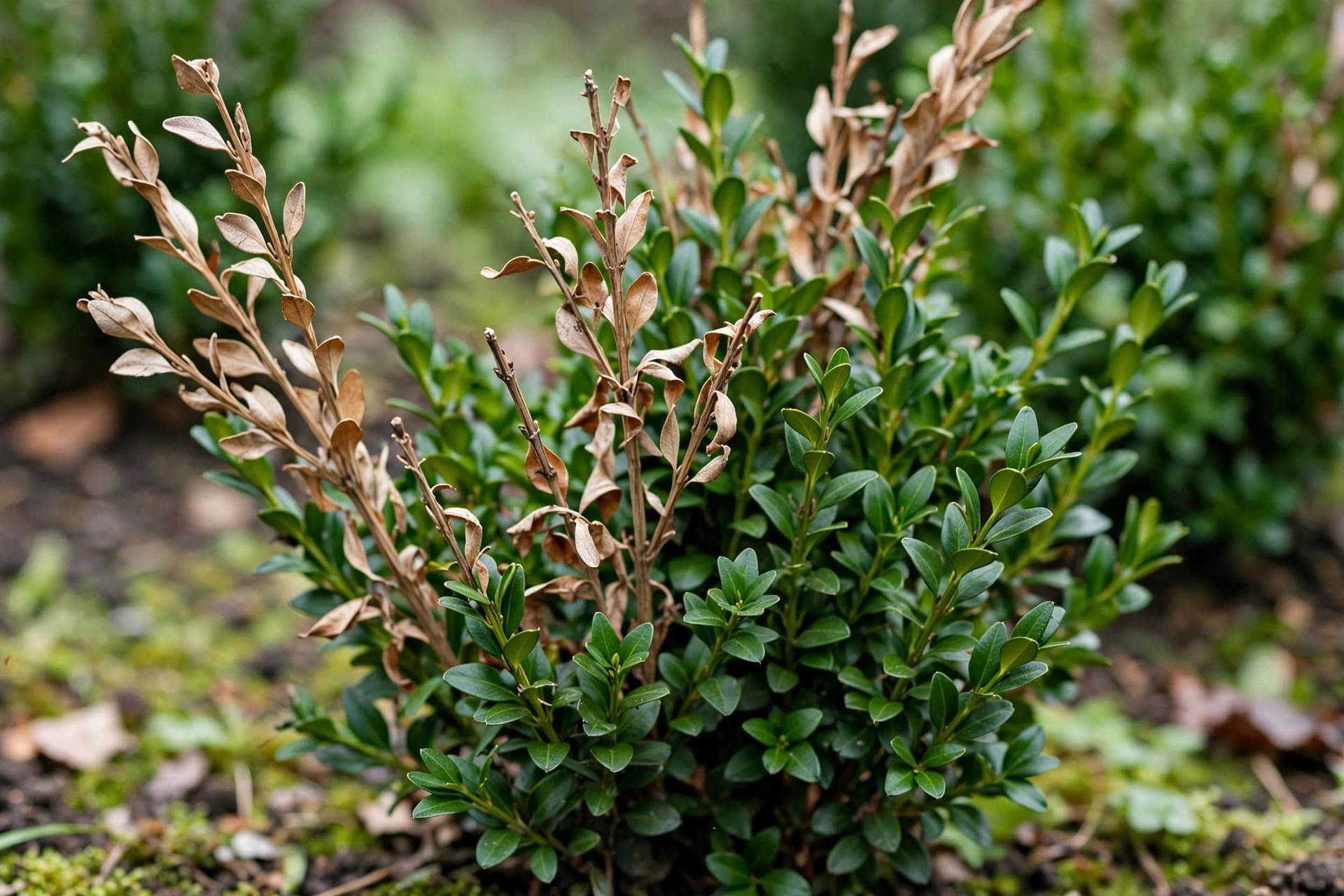 pest-control
Why Is My Boxwood Turning Brown? How to Tell Boxwood Dieback From Boxwood Blight
Tan, dead-tipped twigs with leaves still hanging on and healthy roots point to boxwood dieback, not blight. Five field tells to tell them apart.
Sprouty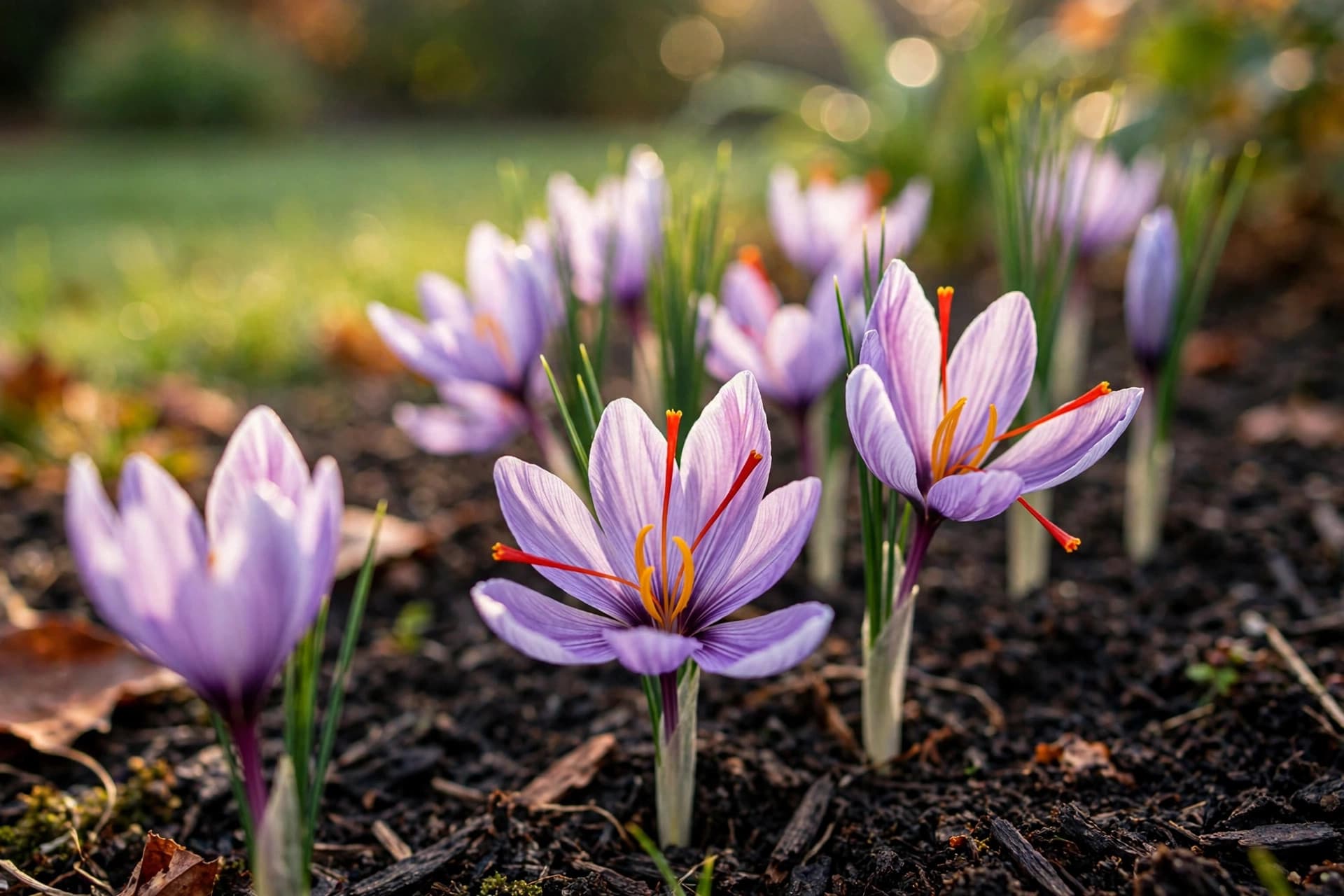 Seasonal
Can You Grow Saffron at Home?
Yes — saffron (Crocus sativus) grows in home gardens down to USDA zone 4. Plant corms in late summer; harvest three crimson stigmas per fall flower.
Sprouty Seasonal
Will Halloween Inflatables Kill Your Grass?
Yes — leave a Halloween inflatable parked on one spot of lawn for a couple of weeks and the grass underneath can die. University extension research explains why smothered turf turns into a dead yellow patch, plus the simple fix and how to repair damage before the fall seeding window closes.
Sprouty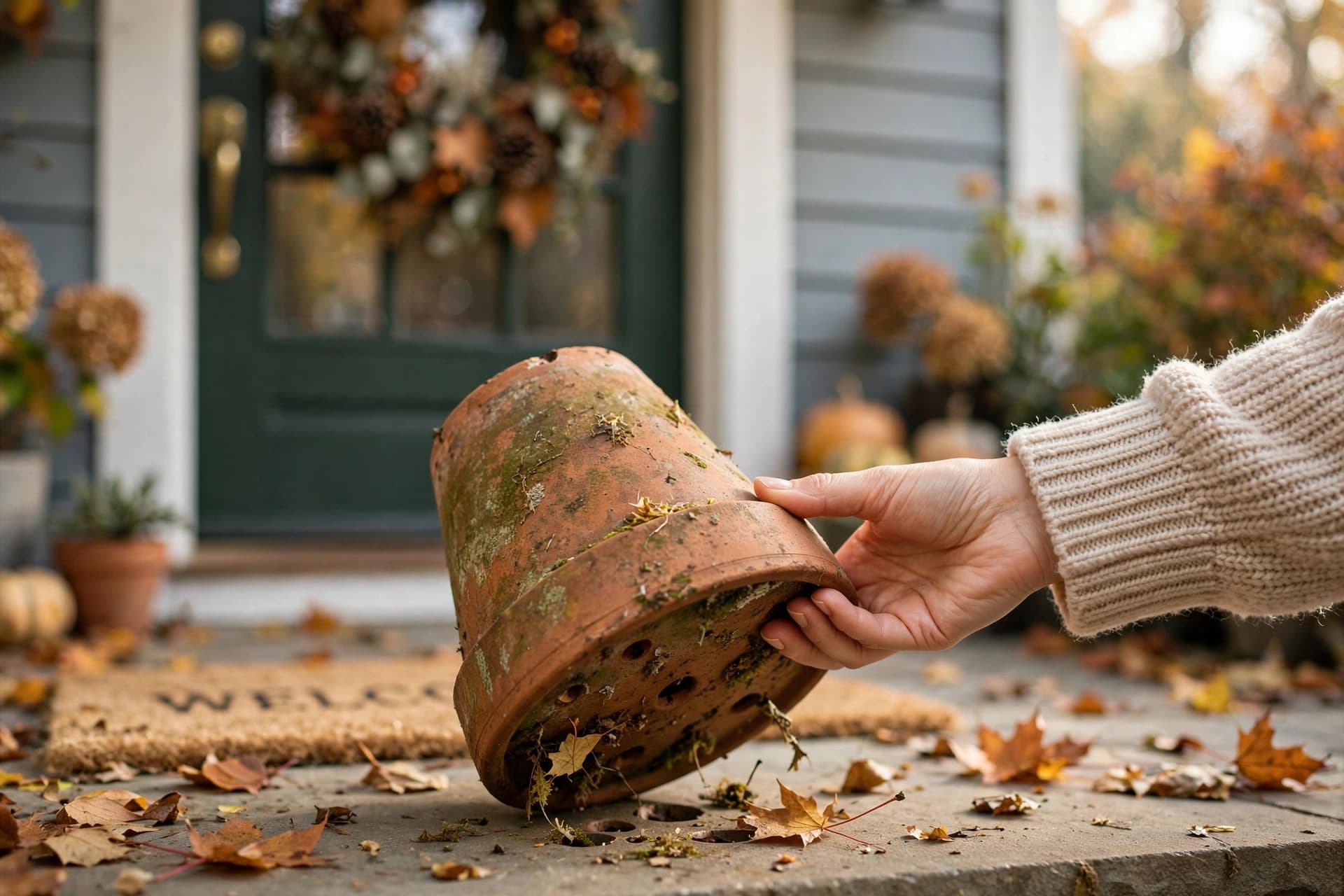 pest-control
How to Check Patio Plants for Pests Before Bringing Them Indoors
Flip your patio pots before bringing them inside for fall. Checking drainage holes and undersides stops overwintering pests before they spread indoors.
Sprouty houseplants
Why Is My Houseplant Dropping Leaves After I Bring It Inside?
Your houseplant is usually acclimating rather than dying after coming indoors: shedding heavy outdoor sun leaves to grow indoor-adapted shade foliage, with fresh green shoots offering the reassuring sign.
Sprouty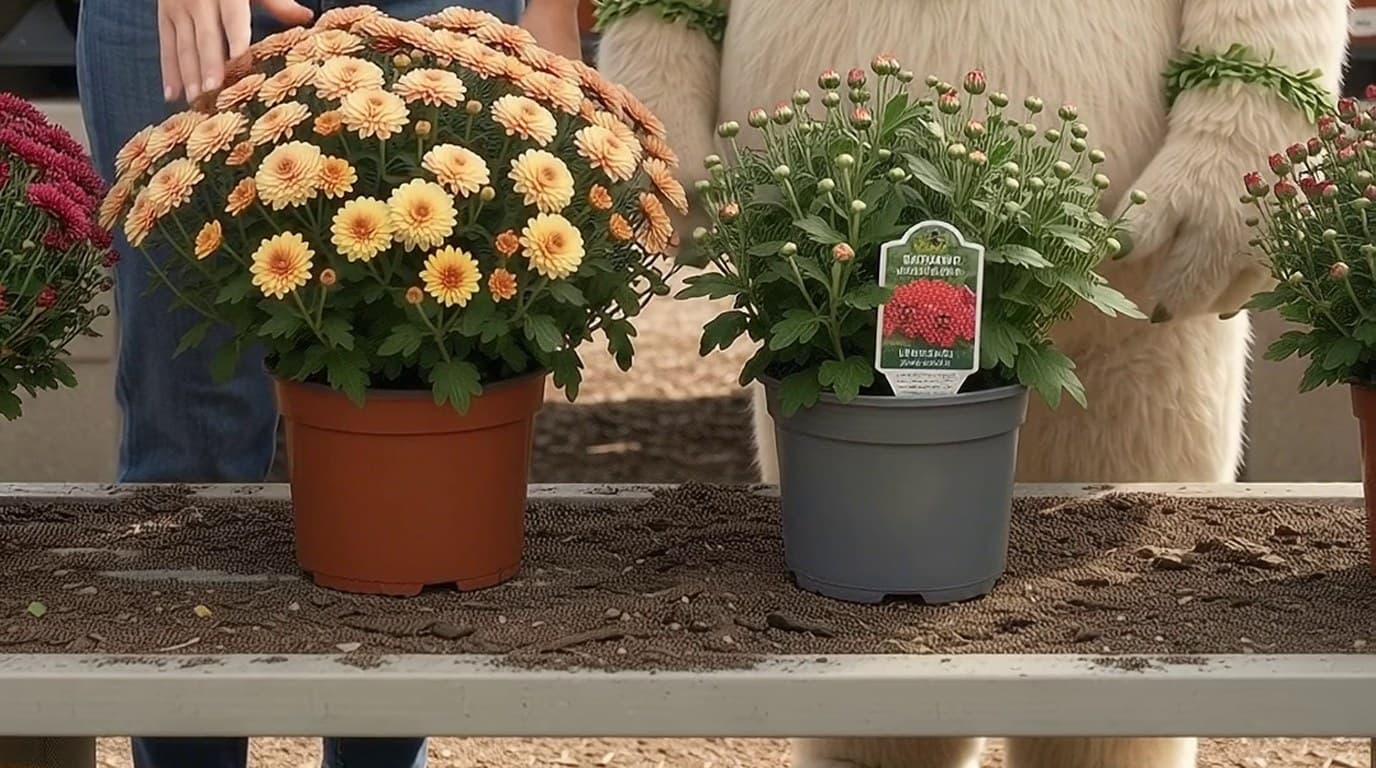 Seasonal
Should You Buy Mums in Full Bloom or Covered in Buds?
The fullest-bloom mum at the garden center is already past its peak. Pick the bud-covered pot instead and get weeks more fall color for the same money.
Sprouty Seasonal
Why Planting Grocery Store Garlic Gives You a Terrible Harvest
Grocery-store garlic is fine for cooking — but it's often treated to stop sprouting and may carry plant diseases. Here's what to plant instead, and the 3 mistakes to avoid this October.
Sprouty Seasonal
Why October Is Your Last Real Chance to Overseed a Patchy Lawn
Those bare patches won't fix themselves — and spring seed loses to weeds and summer heat. Fall is when cool-season grass seed actually wins, but the window is closing now.
Sprouty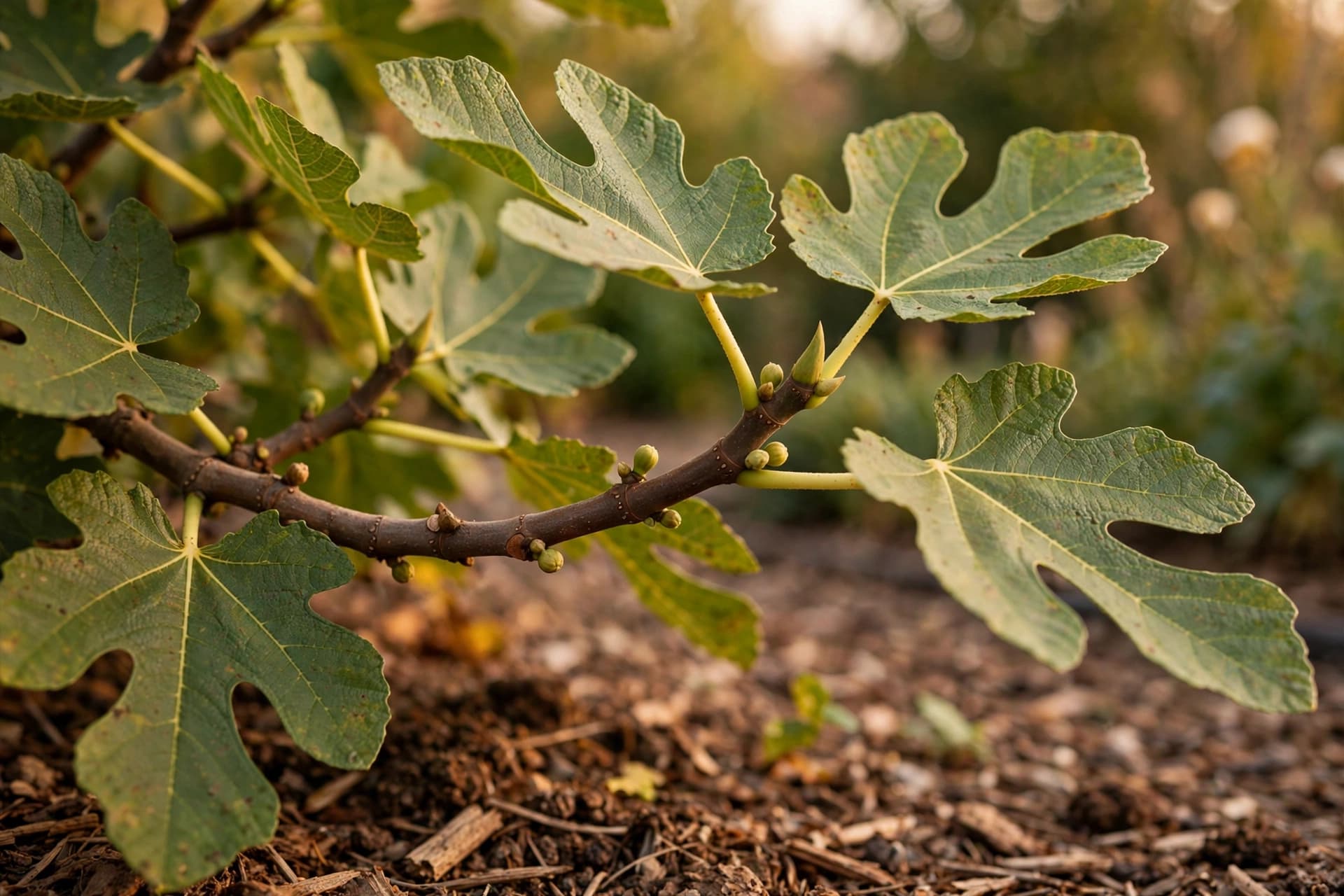 Pruning
Why Pruning Figs in October Will Delete Next June's Harvest
Those little bumps on last year's fig wood are the breba crop — next June's first figs, already set. One October snip deletes them. Here's when to actually prune.
Sprouty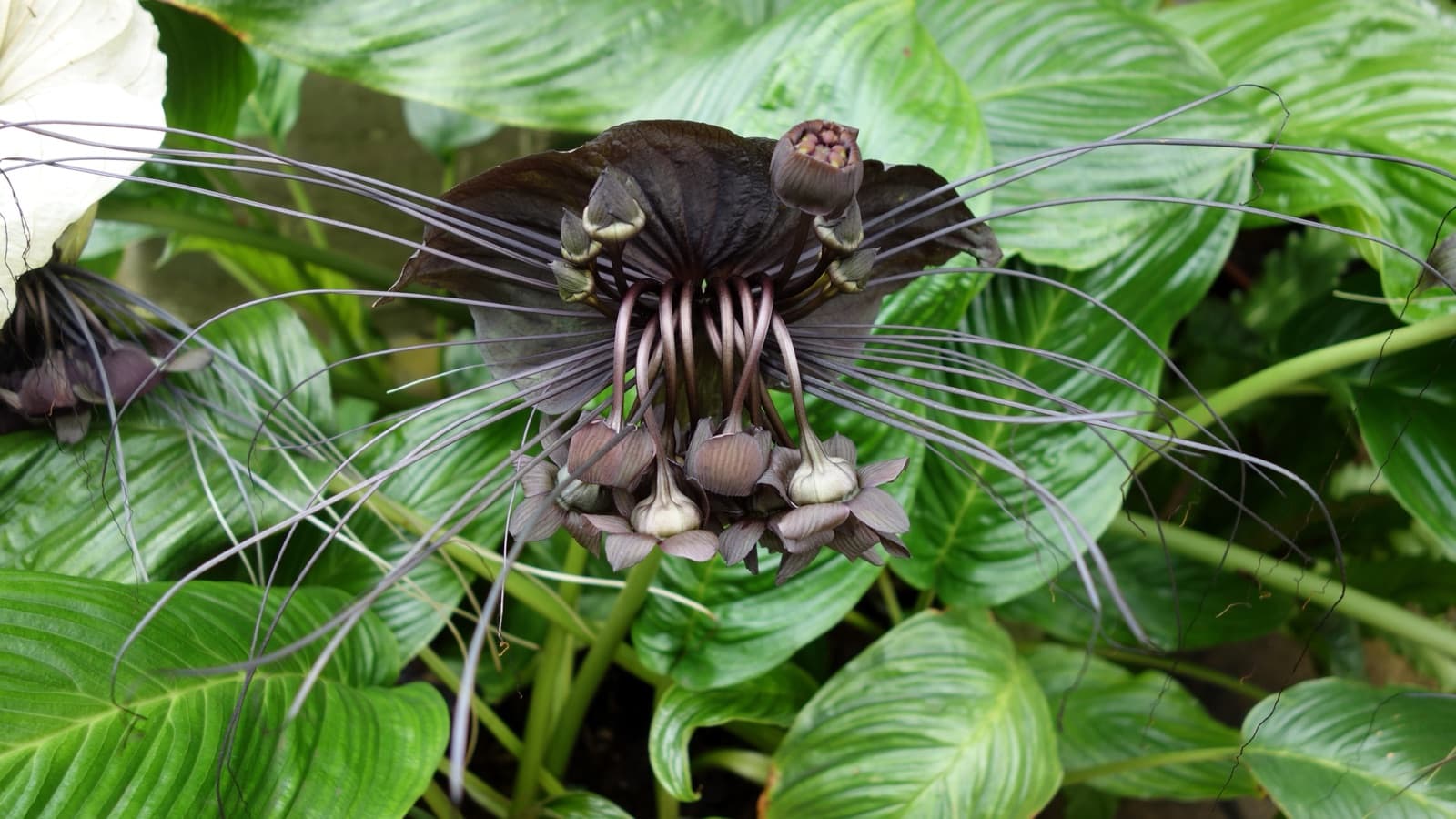 houseplants
Black Bat Flower Care: How to Grow Tacca chantrieri Indoors
The black bat flower (Tacca chantrieri) looks like Halloween came early — bat-wing bracts and whiskers a foot long. Here's how to keep this rainforest oddity thriving indoors: bright indirect light, high humidity, and never blazing sun.
Sprouty Speaks Growing Tips
Don’t Cut Green Asparagus Ferns Yet
Do not cut still-green asparagus ferns in fall. They feed the roots for next spring’s spears. Wait until the ferns turn brown, or until January if they are still green.
Sprouty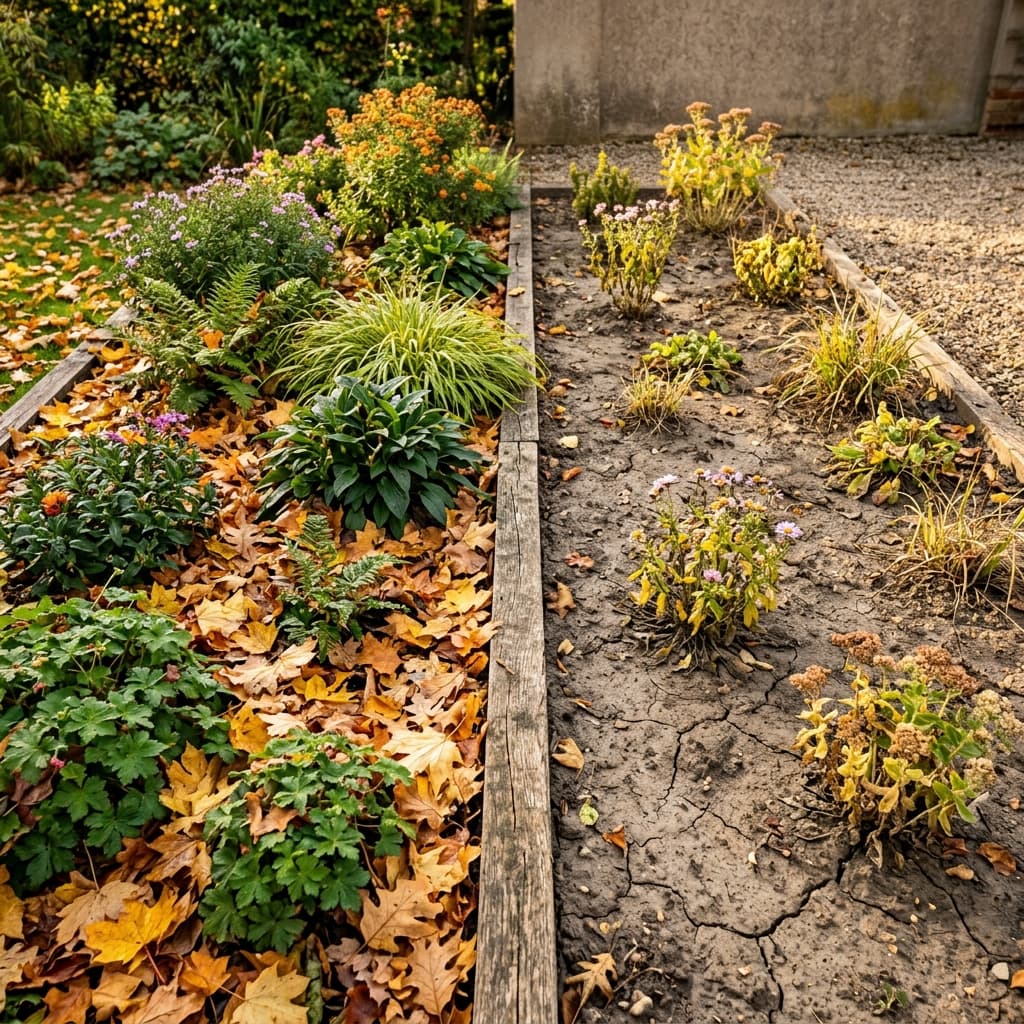 Soil & Fertilizer
Don't Rake Healthy Fallen Leaves: They Are Winter Mulch (Only Bag the Diseased Ones)
Healthy fallen leaves feed the soil and hold moisture. Only bag the diseased ones. Here is the fall cleanup split between winter mulch and yard waste.
Sprouty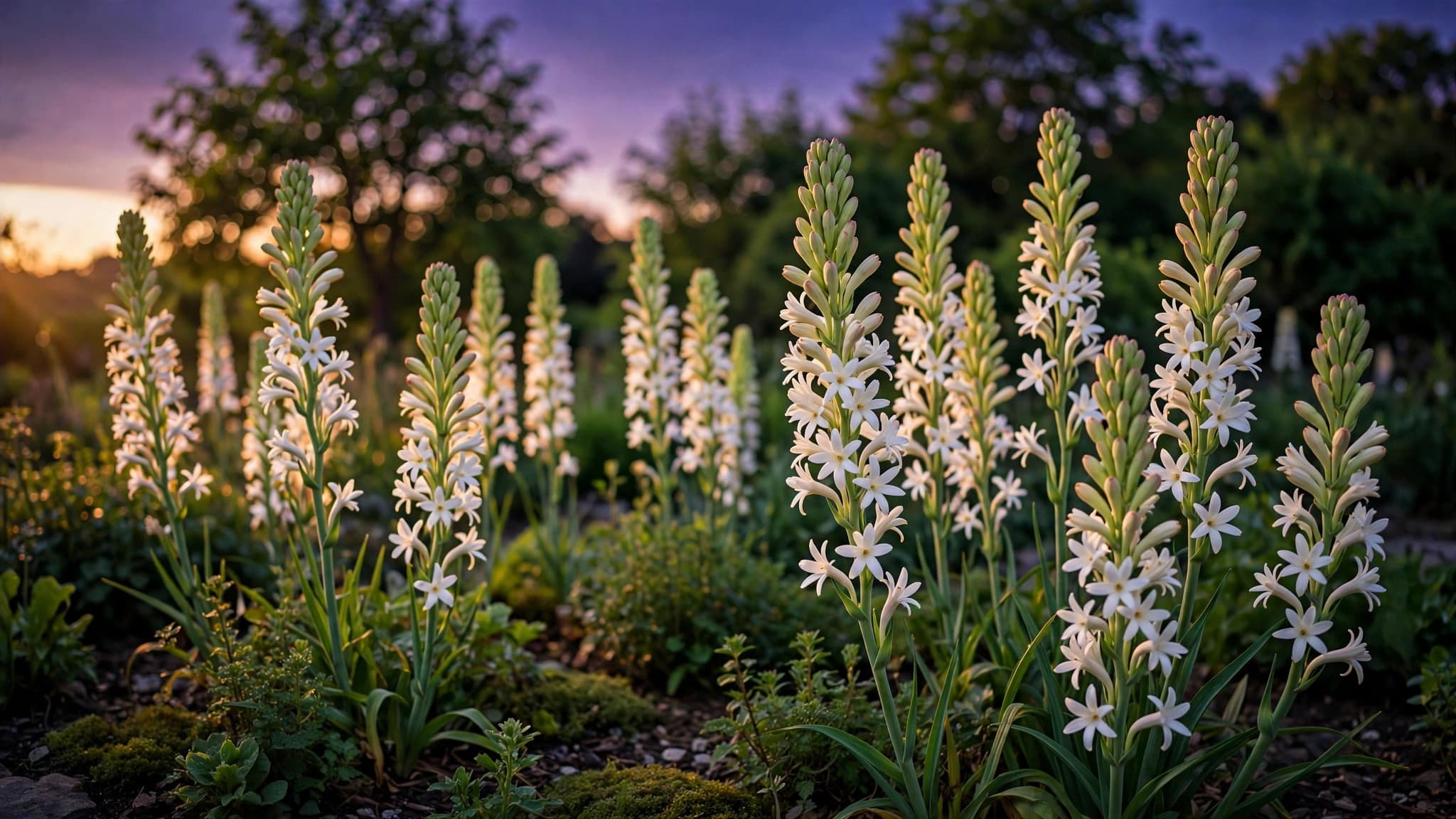 Growing Tips
Why Does Tuberose Smell Stronger at Night?
Discover why tuberose smells stronger at night, how to enjoy its evening fragrance, and the story behind its Victorian meaning: “dangerous pleasures.”
Sprouty pest-control
Camellia Petal Blight: How to Recognize It and Reduce Recurrence
Compare camellia petal blight with other brown-flower damage, remove affected blooms, and manage mulch to reduce future infections.
Sprouty plant-guides
Is a Pumpkin a Berry? The Botany Behind Your Jack-O’-Lantern
A pumpkin is a pepo: a berry with a hard rind. Learn why your jack-o'-lantern qualifies and how giant pumpkins became record-breaking fruits.
Sprouty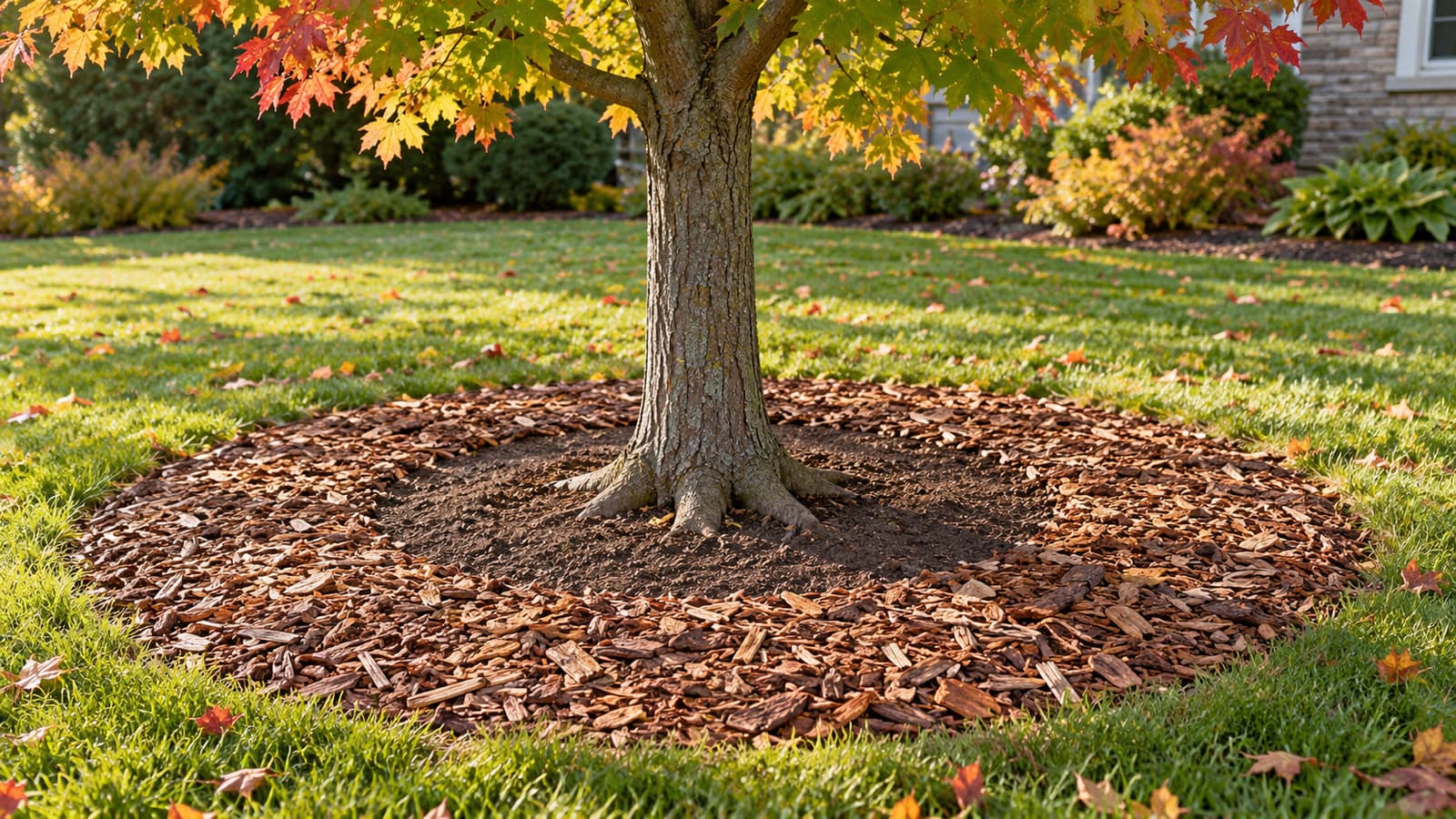 Soil & Fertilizer
Mulch Volcanoes: How to Mulch Around Trees Safely
Learn how to fix a mulch volcano, keep the root flare visible, choose the right mulch depth, and spot problems that need an arborist.
Sprouty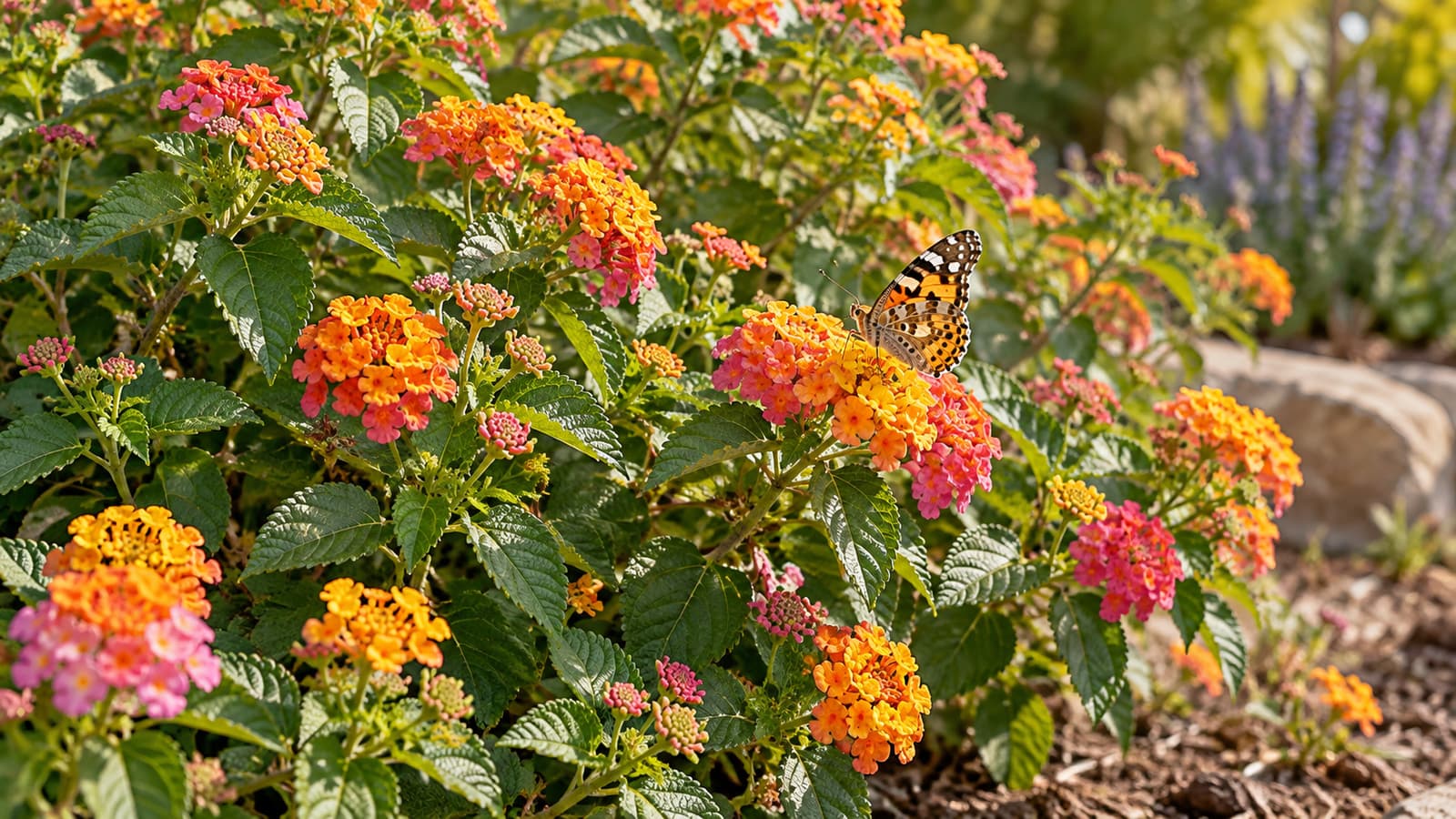 Pruning
When to Prune Lantana: Fall Blooms and Frost Timing
Find out when to prune lantana, what to do after frost, and how to handle an overgrown plant without cutting short its fall flowers.
Sprouty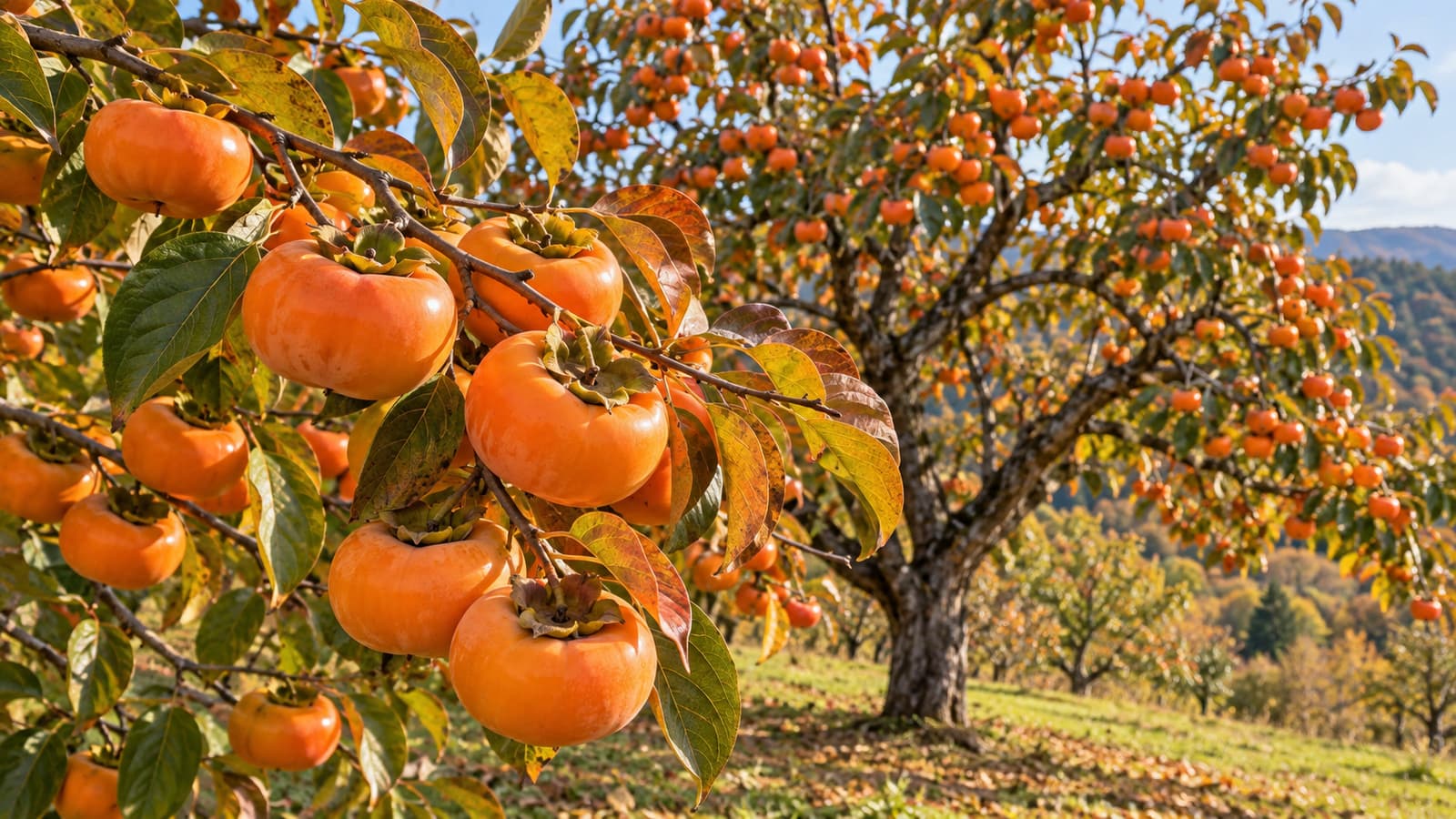 Pruning
When to Prune Persimmon Trees Without Losing Fruiting Wood
Learn when to prune Japanese persimmons, why branch tips matter, and how selective cuts protect fruiting wood without a uniform haircut.
Sprouty Pruning
Don't Cut Brown Fronds Off a Freeze-Damaged Palm Yet: Why Leaving Dead Leaves Protects the Heart (And When to Prune)
After a freeze browns your palm, resist the tidy cut. Those dead-looking fronds help insulate the apical heart until freeze danger passes and new green growth appears.
Sprouty Pruning
Leave Garden Mum Stems Until Spring—With These Exceptions
Learn when to cut back garden mums, how planting time and drainage affect winter survival, and what to do with mums in pots.
Sprouty Pruning
When to Cut Back Peonies: Fall Cleanup by Peony Type
Keep healthy peony leaves until they die back, then clean up. Learn how fall pruning differs for herbaceous, tree, and intersectional peonies.
Sprouty Seasonal
Find Your Frost Dates by ZIP Code: A Planting Guide
Look up historical frost windows by ZIP code, understand the risk behind each date, and use heat patterns to plan sowing and transplanting.
Sprouty pest-control
Don't Leave Cling Fruit or Nuts on the Tree After Harvest: Why Canopy "Mummies" Keep Orchard Pests and Diseases Cycling
Finished harvesting your fruit or nut trees and wondering if you can leave those stubborn clingers hanging on the branches? Leaving unharvested cling fruit and mummy nuts in the canopy is the fastest way to incubate next season's orchard pests and fungal blights. From navel orangeworm overwintering in almond mummies to brown rot fungus showering blossoms with spores in early spring, hanging leftovers keep destructive cycles alive. Learn why UC IPM considers canopy sanitation the single most critical cultural control, how to pull mummies into a basket, and how proper disposal breaks the loop for clean harvests.
Sprouty Pruning
Don't Seal Rose Pruning Cuts: Why Wound Paint Traps Moisture and Makes Cane Dieback Worse
Planning to brush pruning sealer or wound paint onto freshly cut rose canes? For generations, gardeners treated pruning cuts like human injuries needing a bandage. But modern plant pathology proves that sealing rose cuts actually prevents natural healing, locks in fungal moisture, and dramatically accelerates cane dieback. Here is why clean cuts and open air allow roses to seal themselves naturally, what university extensions recommend, and how to prune your bushes safely.
Sprouty pest-control
Don't Leave Holey or Dropped Peppers on the Ground: Why Garden Sanitation Stops Pepper Weevil Larvae from Multiplying
Found young bell peppers, jalapeños, or chili pods dropping onto your garden soil with tiny puncture holes? Leaving fallen or damaged peppers beneath your plants is the fastest way to turn a minor pest into a full-blown infestation. Pepper weevil larvae feed, develop, and pupate inside dropped fruit on the soil surface, emerging as hungry adults to attack the rest of your harvest. Here is the entomology behind the cycle, why backyard compost piles won't kill them, and how prompt garden bed sanitation keeps your next crop clean.
Sprouty pest-control
Don't Plant Pansies Where Vinca Just Grew: Why Shared Soil Fungus Wipes Out Fall Flower Beds (And How to Break the Cycle)
Transitioning your garden borders from summer flowers to fall color? Before popping cool-season pansies directly into the empty holes left by spent annual vinca (Catharanthus roseus), hit pause. Annual vinca and fall pansies share high susceptibility to devastating soil-borne fungal pathogens—most notoriously Thielaviopsis basicola (black root rot). When you drop fresh pansy plugs into old vinca root zones, dormant fungal chlamydospores in the 55°F–65°F autumn soil attack the tender new roots immediately, causing sudden stunting, yellowing, and bed failure. Here is the verified plant pathology behind the vinca-to-pansy fungal loop, why watering more makes it worse, and how Sprouty stopped Sophie from making a costly autumn planting mistake.
Sprouty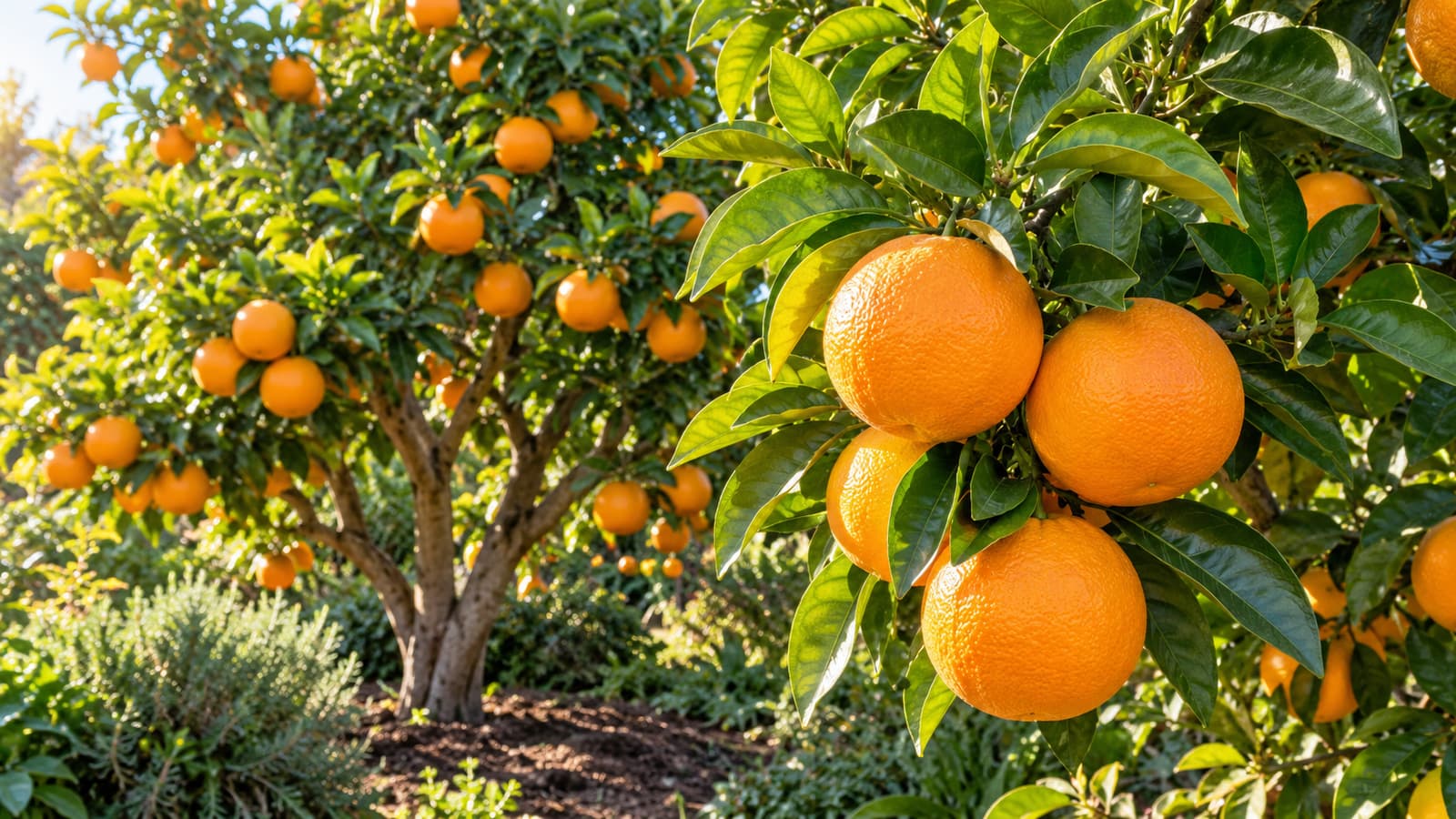 Soil & Fertilizer
Should You Fertilize Citrus in Fall? Climate and Frost Matter
Learn why late nitrogen can increase citrus frost risk, how feeding schedules vary, and what yellow leaves may mean before you fertilize.
Sprouty Soil & Fertilizer
Can You Compost Diseased Plants? Why Heat Alone Isn't Enough
Find out why diseased plants need special compost handling, why one temperature reading is not enough, and when local disposal is the better choice.
Sprouty Seasonal
Planting a Nursery Citrus in September? Why Winter Frost Still Kills Unprotected Trees
Scored a lush container lemon, lime, or orange tree at the garden center this September? Before you start digging that planting hole, hold your shovel. While deciduous apples and shade trees thrive with autumn planting, tender subtropical evergreen citrus plays by a high-stakes set of winter rules. Young nursery citrus saplings possess succulent unlignified shoots, paper-thin bark, and delicate root systems that freeze and die when winter temperatures drop into the upper 20s. Putting a potted citrus into the ground in September leaves it exposed to lethal winter frosts before its roots can knit into native soil. Here is the verified horticultural science behind citrus cold hardiness, why Sprouty stopped Sophie mid-plant, and how to safely stage your potted tree until spring—or protect it hard all winter long.
Sprouty pest-control
Leave Fallen Diseased Fruit Under the Tree and Infection Cycles Forever (Why Orchard Sanitation Breaks the Fungal Loop)
Noticed shriveled, rotting fruit scattered across the ground beneath your apple, peach, or pear tree? Leaving dropped, diseased fruit on the orchard floor is one of the most common—and devastating—backyard gardening oversights. Far from breaking down into harmless organic matter, mummified and rotting drops act as persistent disease reservoirs for destructive fungal pathogens like brown rot (Monilinia) and apple scab, while offering a winter haven for destructive pests like codling moth larvae. Picking up and disposing of fallen diseased fruit is the cornerstone of non-chemical orchard hygiene. Here is the plant pathology behind the disease cycle, why you must never put mummies into your home compost, and how Sprouty stopped Sophie from leaving infected fruit under the tree.
Sprouty Seasonal
Sow Spinach Before Late September and You Miss Yolo’s Cool Seed Window (Why Soil Temperature Dictates Direct Seeding)
Eager to kick off your fall vegetable garden the moment September arrives? Hold onto that seed packet. In Yolo County and across the inland Sacramento Valley, direct-sowing spinach seeds in early September is one of the quickest ways to guarantee germination failure. When afternoon sun bakes garden beds above 75°F–80°F, spinach seeds enter thermal dormancy (thermodormancy) or rot from damping-off pathogens before sprouting. Sowing spinach successfully demands waiting for the critical late-September cool seed window—specifically the last two weeks of the month—when soil temperatures reliably drop into the 50°F–68°F sweet spot. Here is the plant biology, the official UC Master Gardener guidelines, and how Sprouty stopped Sophie from wasting her spinach seeds.
Sprouty Seasonal
Planting a Nursery Avocado in September? Why Winter Frost Still Kills Unprotected Trees
Found a lush potted avocado tree at the garden center this September? Hold your shovel before digging that hole. While deciduous apples and shade trees love autumn planting, tender subtropical evergreen trees play by lethal winter rules. Young nursery avocados have tender green stems and shallow root systems that cannot survive winter freezing temperatures without serious protection. Putting an avocado in the ground in September leaves it exposed to killing frosts (often 28–30°F) before roots can establish. Here is the horticultural science behind avocado cold hardiness, why Sprouty stopped Sophie mid-plant, and how to safely protect or stage your tree.
Sprouty Soil & Fertilizer
Wait for Cool Soil to Mulch and You Miss the Warm-Soil Window: Why Mulching at 55–65°F Extends Fall Growth
Waiting until frosty mornings arrive to mulch your garden? You're unintentionally shutting down your fall harvest weeks too early. Mulch isn't an electric heater—it's a thermal insulator. When applied while soil is still warm (~55–65°F), organic mulch traps residual summer heat, keeping root zones active, microbes cycling nutrients, and cool-season crops expanding. Wait until soil cools below 50°F, and you lock the cold in. Here is the soil physics behind the warm-soil window and how to mulch right now.
Sprouty Seasonal
Tropical Milkweed and Monarchs: OE Risk and Native Alternatives
Learn how year-round tropical milkweed can raise monarch OE risk, why timing varies by region, and how to choose appropriate native alternatives.
Sprouty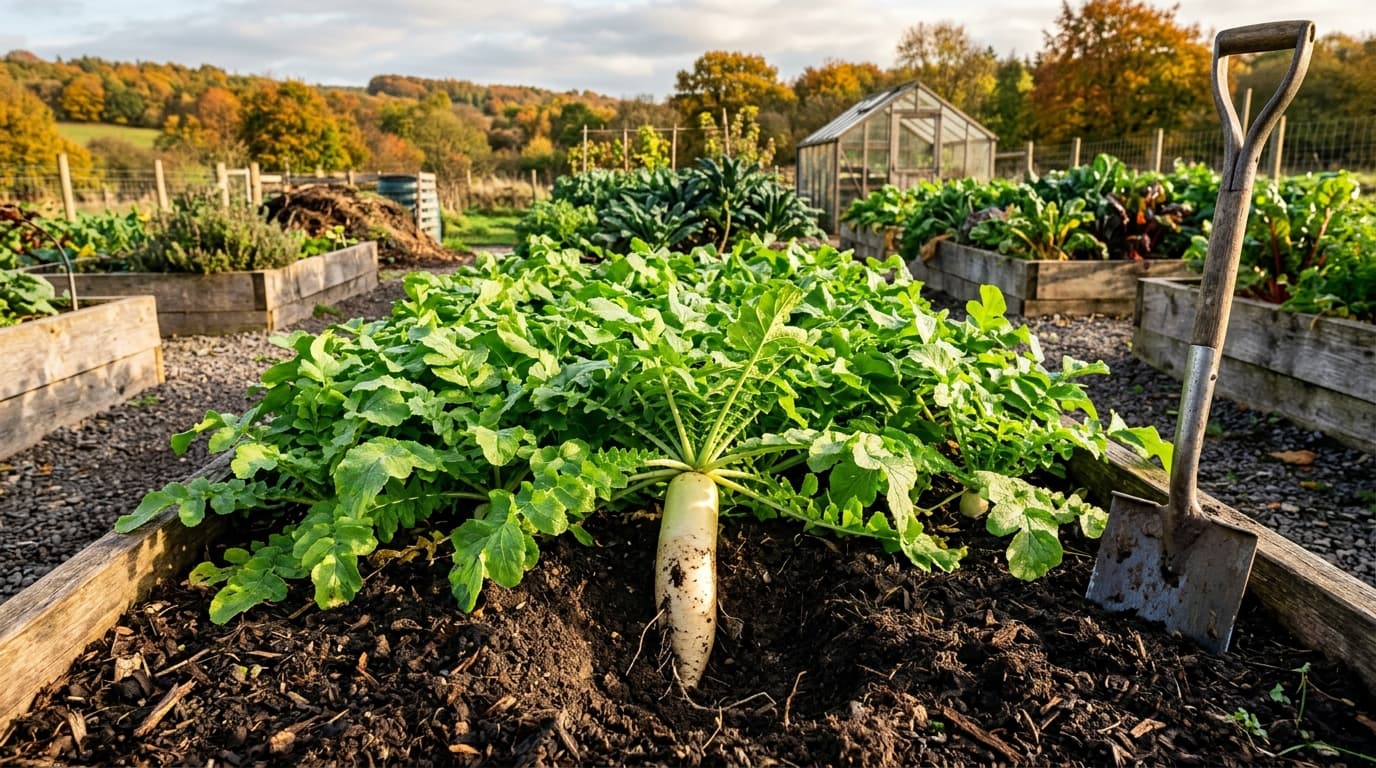 Soil & Fertilizer
Wait Until November to Sow Daikon Cover Crop and You Miss the Soil-Breaker Window: Why Bio-Drilling Demands Sept–Oct Sowing
Planning to use Daikon radish as a cover crop to break up compacted clay and hardpan? If you wait until November, you have missed your window. Daikon acts as a biological drill, but it requires 6 to 8 weeks of warm early-autumn soil and sunshine to punch its massive 18-inch taproot deep into subsoil. Sowing in November yields puny pencil-thin roots that do zero aeration for spring beds. Here is the botany of bio-drilling, the thermal math of fall growth, and the exact sowing protocol for fluffy spring garden beds.
Sprouty Seasonal
Buy California Natives in September, But Don't Plant in Summer Heat: Why New Roots Stall (And When to Put Them in the Ground)
September nursery tables are packed with lush California native shrubs and perennials. The secret? Absolutely buy them now before prime stock sells out, but do not drop them into baking late-summer soil. Planting into lingering heatwaves stalls delicate roots and invites deadly root rot. Here is the botany behind summer dormancy, the staging trick, and when to plant for zero transplant shock.
Sprouty Pruning
Wait to Prune Photinia and You Chop Next Spring's Red Flush (Why You Must Shape in Early September)
Thinking about waiting until spring to give your overgrown red tip photinia hedge a haircut? That single delay is why so many gardeners miss out on the fiery scarlet foliage they planted it for. Here is why shaping Photinia × fraseri in early September locks in next spring's show-stopping red flush.
Sprouty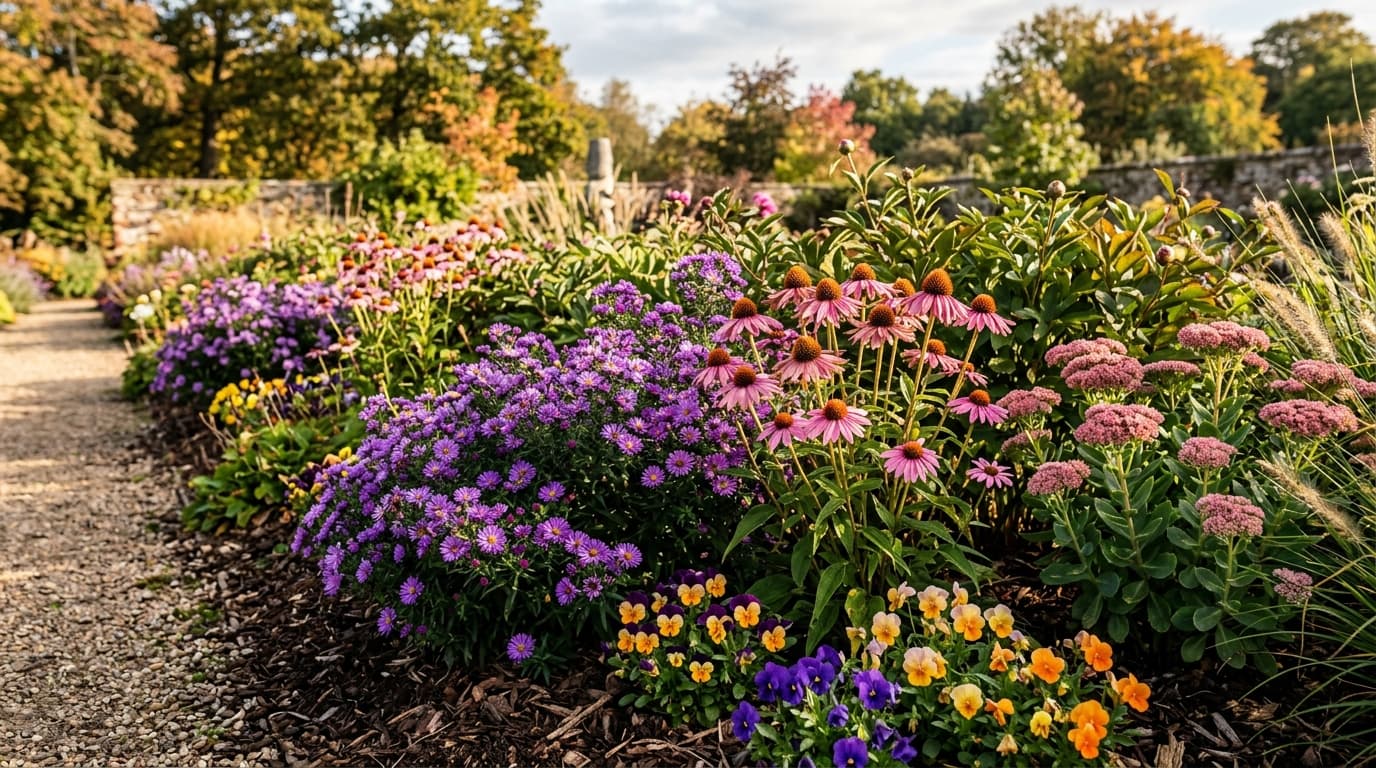 Seasonal
Top 5 Flowering Plants to Plant in September
Think spring is the only time to plant flowers? September is the horticulturist's secret weapon. Warm soil, cooling nights, and autumn rains create ideal conditions for root establishment. From instant pollinator magnet asters and cold-hardy violas to century-living peonies, here are the top 5 flowering plants to plant in September, complete with USDA zone notes, timing windows, and the #1 mistake to avoid for each.
Sprouty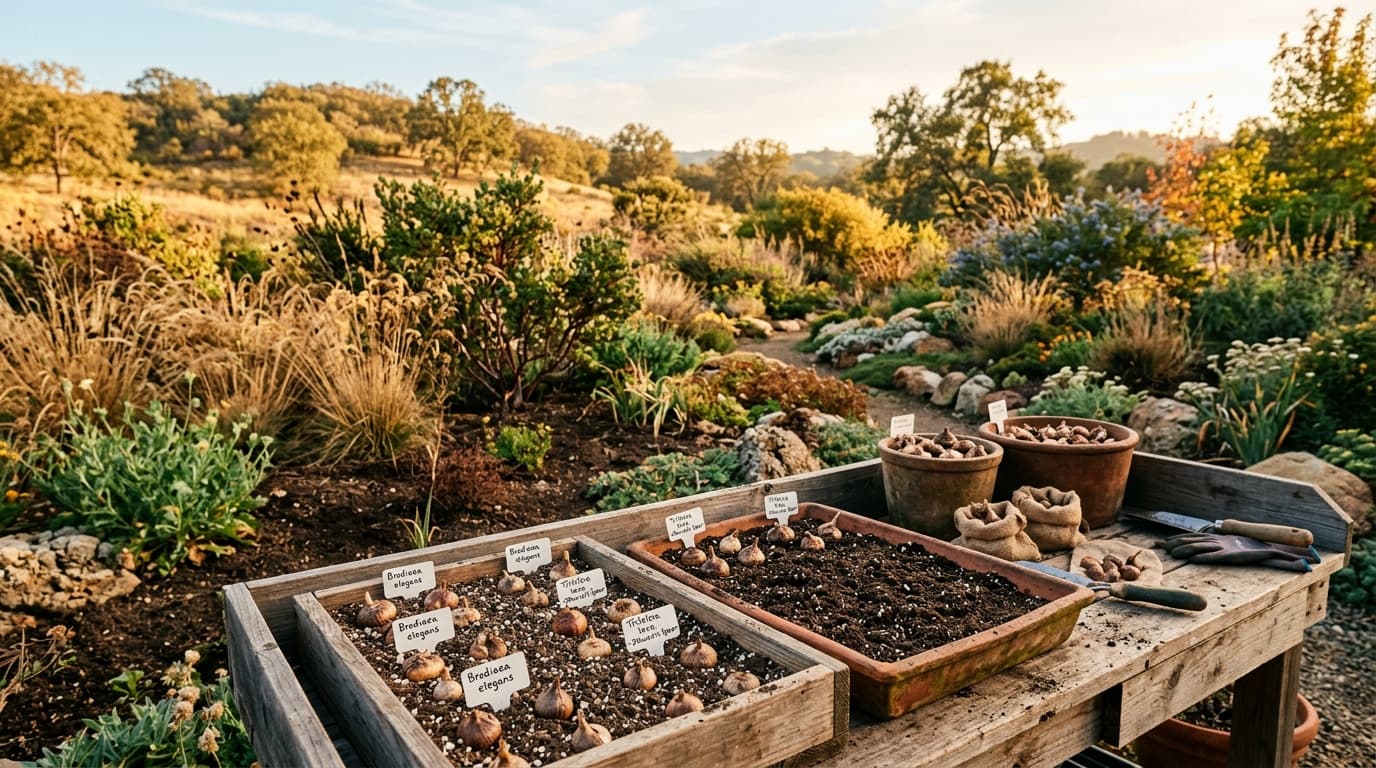 Seasonal
Why Planting California Native Bulbs Before the First Rains Will Rot Them (And When to Plant)
Spotted California native bulb corms in nursery bins this September and ready to plant them immediately? Hold your trowel. Burying native geophytes like Brodiaea and Ithuriel's spear in warm, irrigated late-summer soil breaks their evolutionary dormancy and causes rapid fungal rot. Here is the botany behind summer dormancy, why you must wait for the first autumn rains, and how to store them cool and dry right now.
Sprouty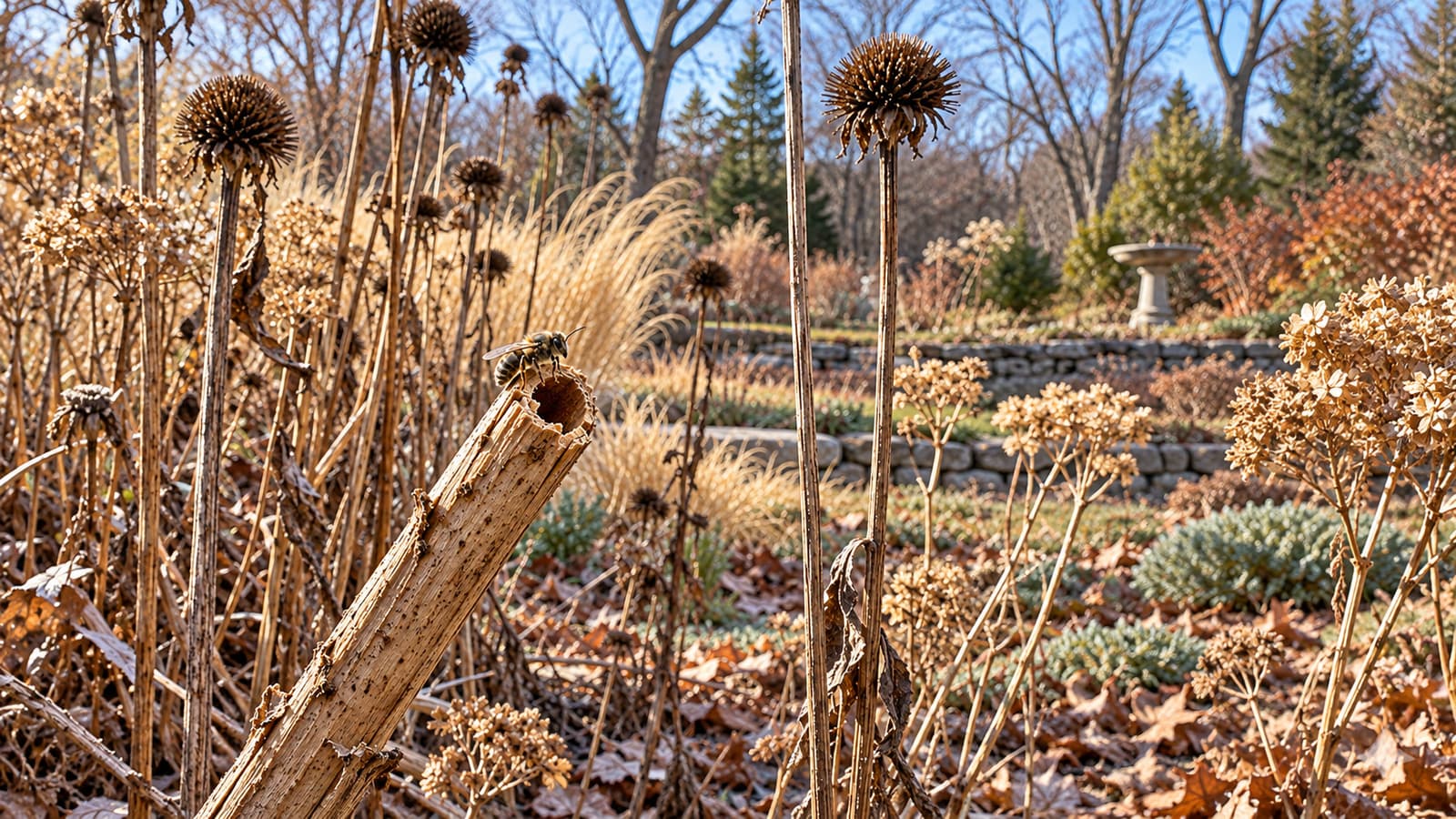 Growing Tips
Leave Perennial Stems for Bees: A Better Cleanup Plan
Learn which old stems can shelter native bees, how spring cutbacks create nesting sites, and why habitat needs to remain through another winter.
Sprouty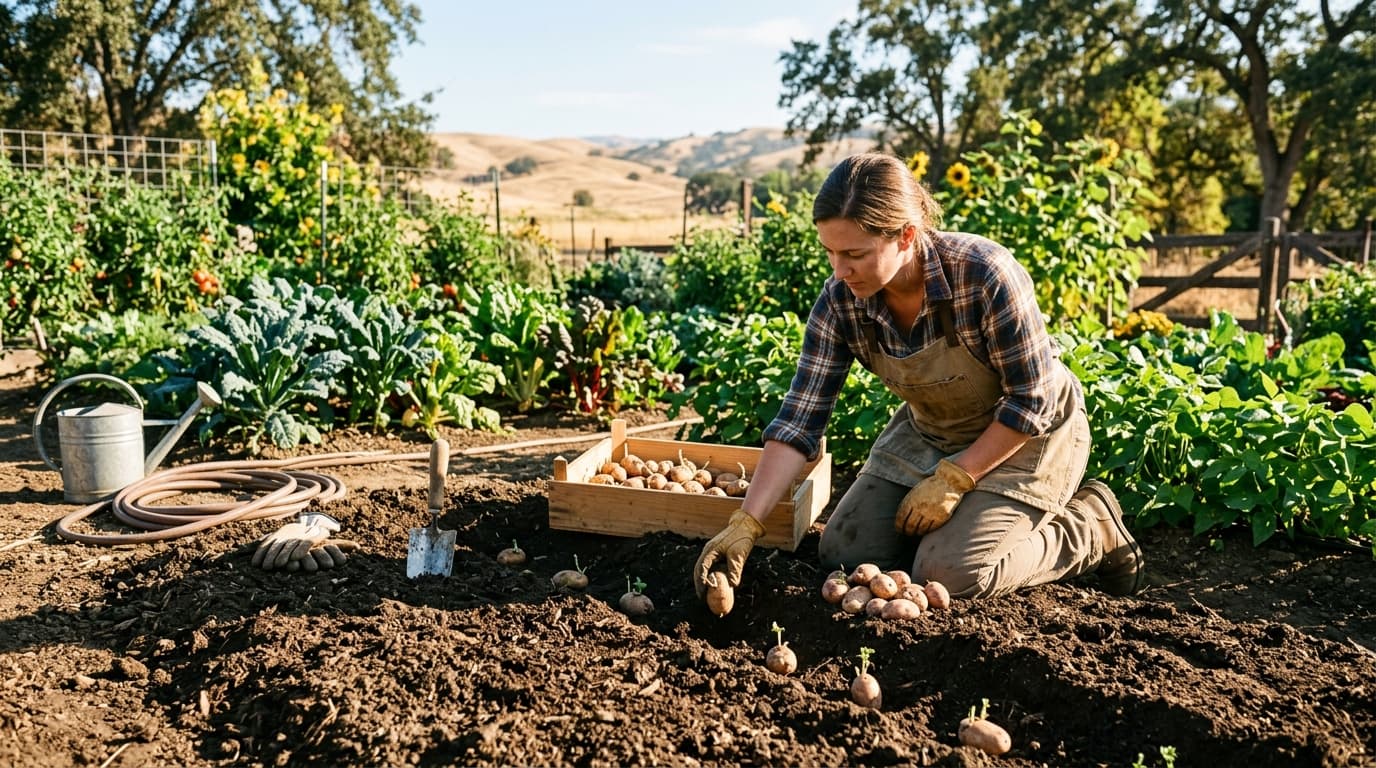 Seasonal
Why Waiting Past Mid-September to Plant Inland Fall Potatoes Will Delete Your Harvest (The Yolo Window)
Thinking about waiting until late autumn to bury your seed potatoes? If you garden inland near Davis, Sacramento, or the interior San Joaquin Valley, hesitate past mid-September and your fall potato crop is effectively canceled. Here is why the narrow Yolo planting window demands seed in the ground during the first two weeks of September, and the soil temperature science behind it.
Sprouty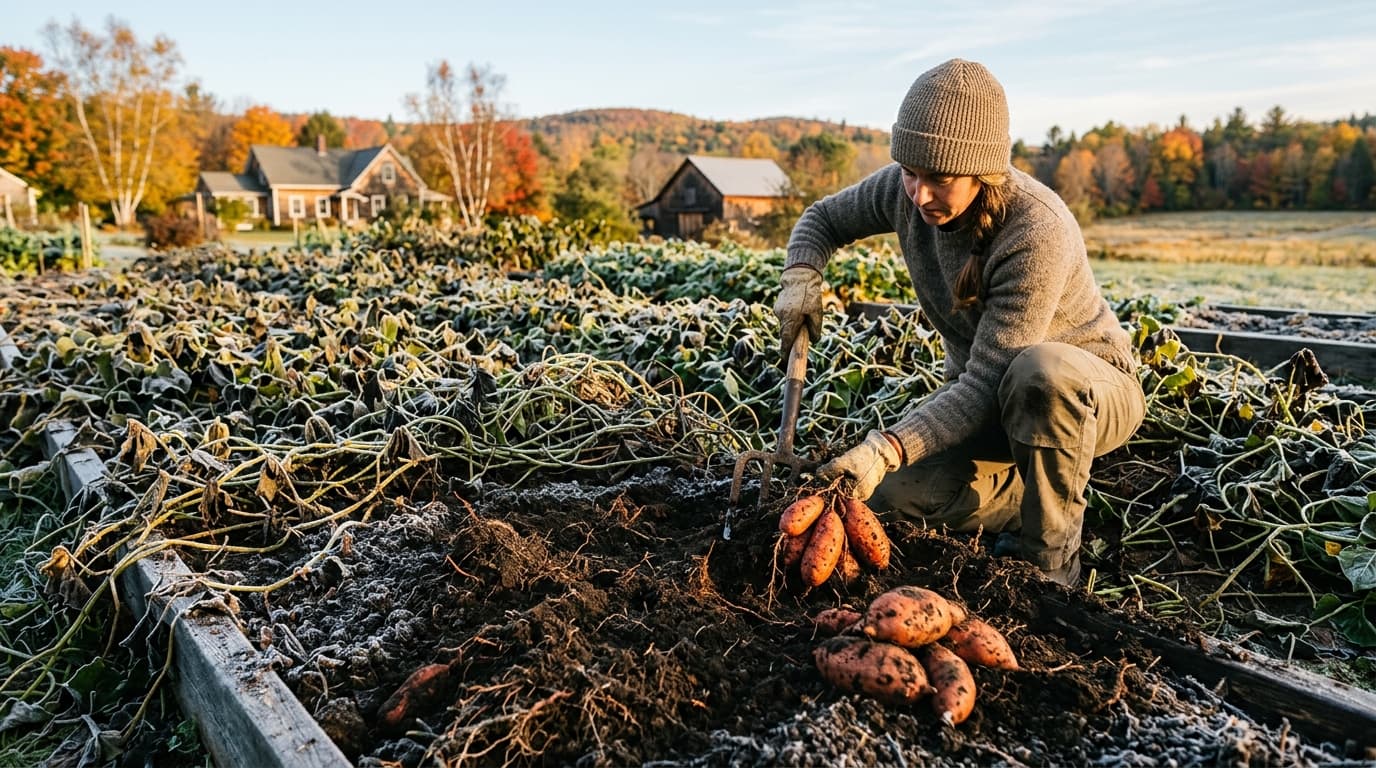 Seasonal
Frost Hit Your Sweet Potato Vines? Why You Must Dig the Same Day (Emergency Harvest Guide)
Woke up to blackened, wilted sweet potato vines after the first autumn freeze? Don't leave them in the soil until the weekend. Once frost kills the foliage, decay organisms can race down the vines into the tubers in hours. Here is why you need to dig today, how to harvest without skin damage, and the proper curing secrets that save your harvest.
Sprouty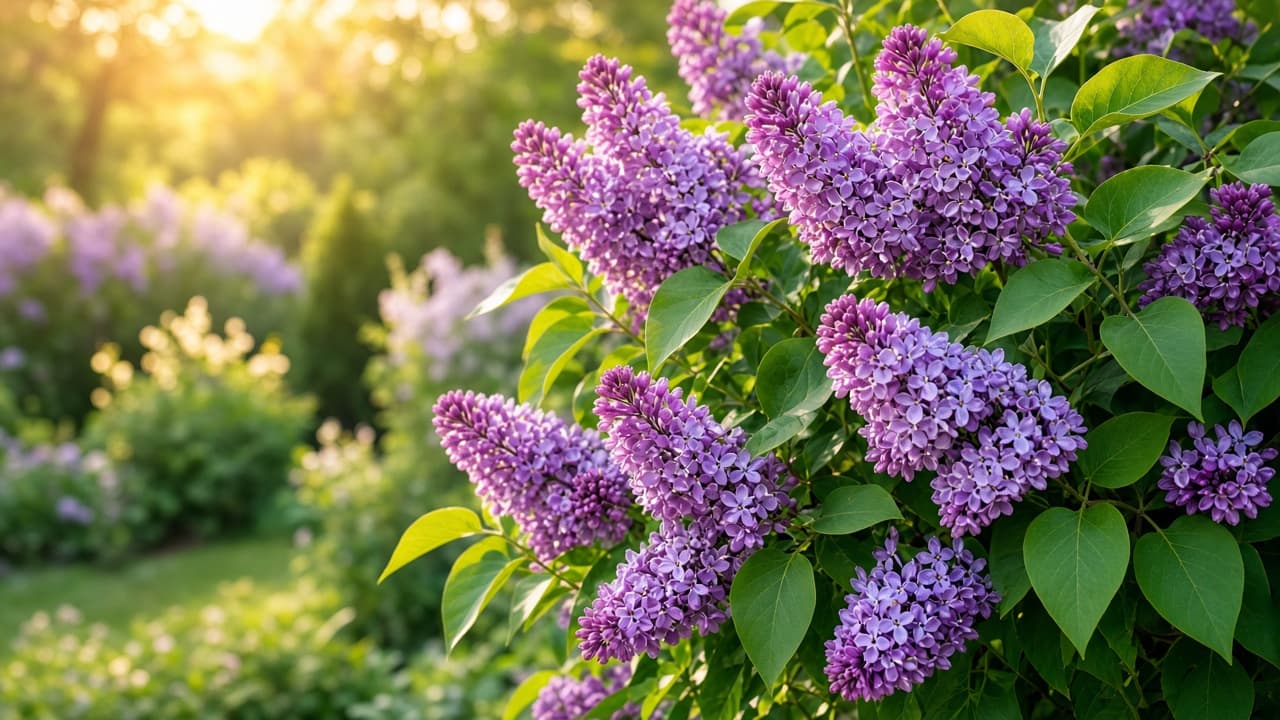 Pruning
Why Pruning Lilacs in September Will Delete Next May's Flowers (And When to Actually Cut)
Thinking about giving your overgrown lilac bush a quick September haircut to tidy up before fall? Put the shears down. Cutting lilacs in early autumn physically deletes next May's blooms before they can ever open. Here is the botany behind old wood blooming, and the exact window to prune instead.
Sprouty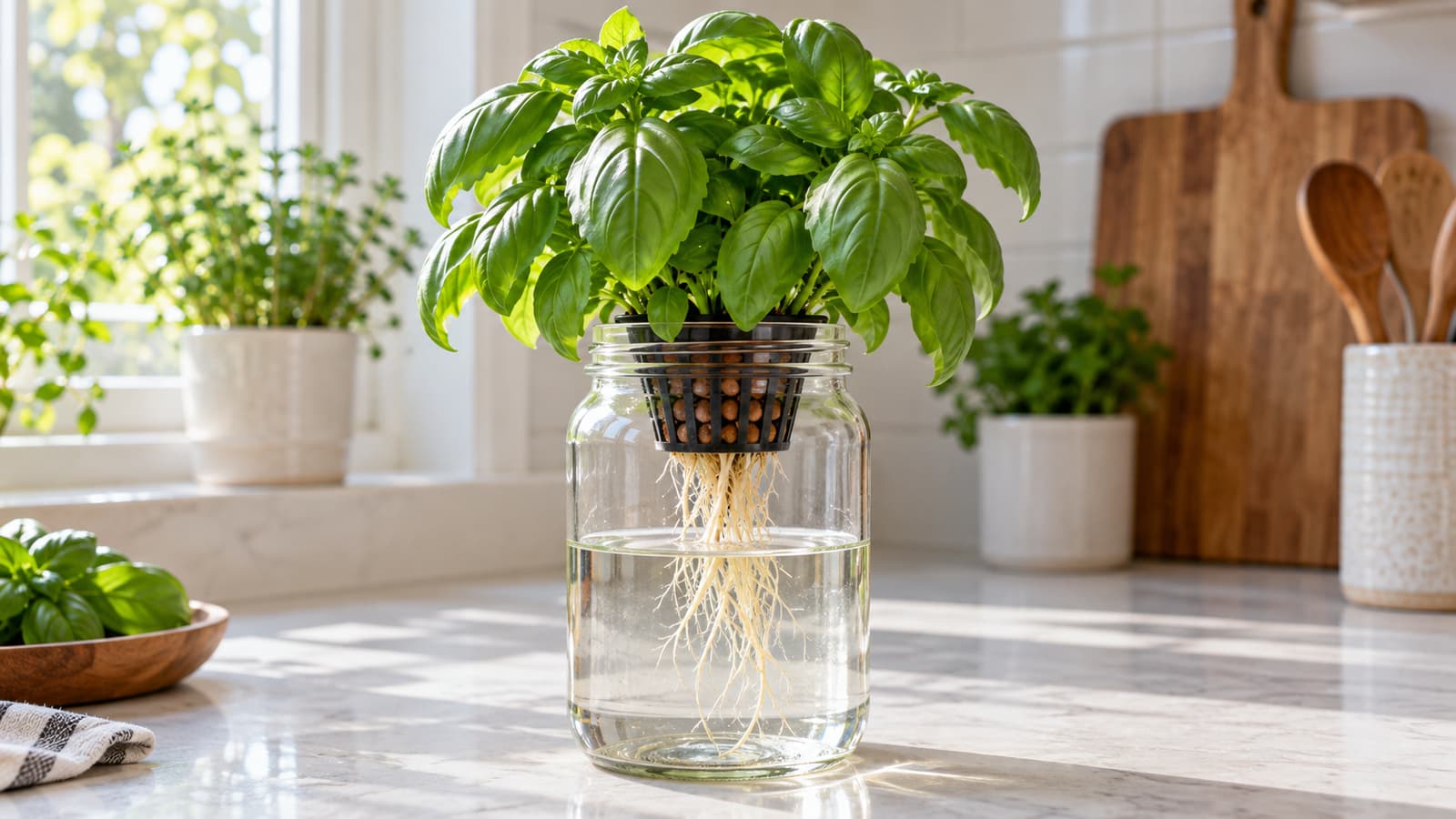 Growing Tips
How to Grow Hydroponic Basil in a Mason Jar
Build a simple mason jar hydroponic basil setup with a net pot and clay pebbles. Learn how to start roots, manage the water level, and prevent algae.
Sprouty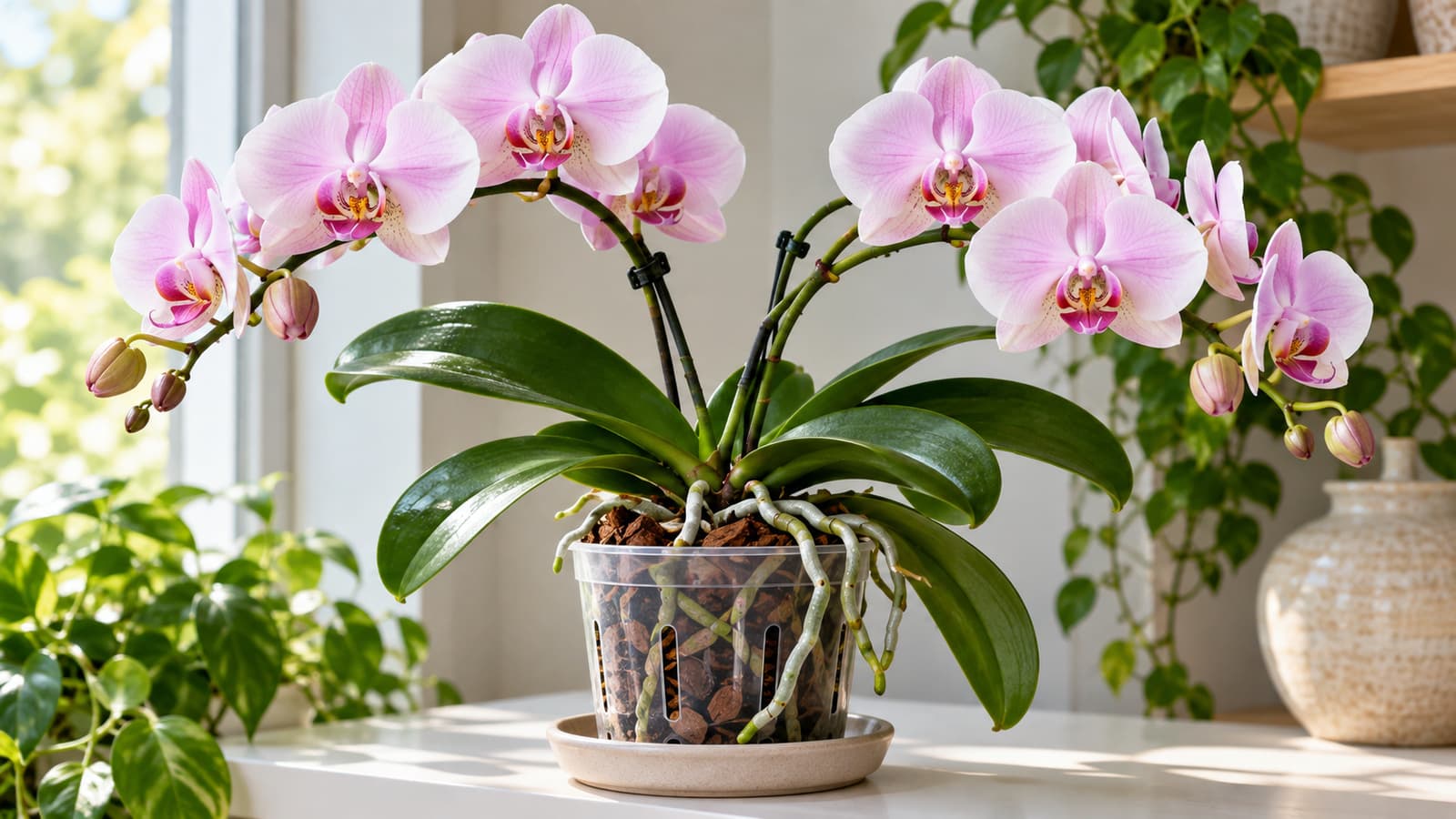 watering-root-care
Should You Water Orchids With Ice Cubes? What the Research Says
Can you water orchids with ice cubes? See what Phalaenopsis research found, where the advice has limits, and how to water and drain your orchid.
Sprouty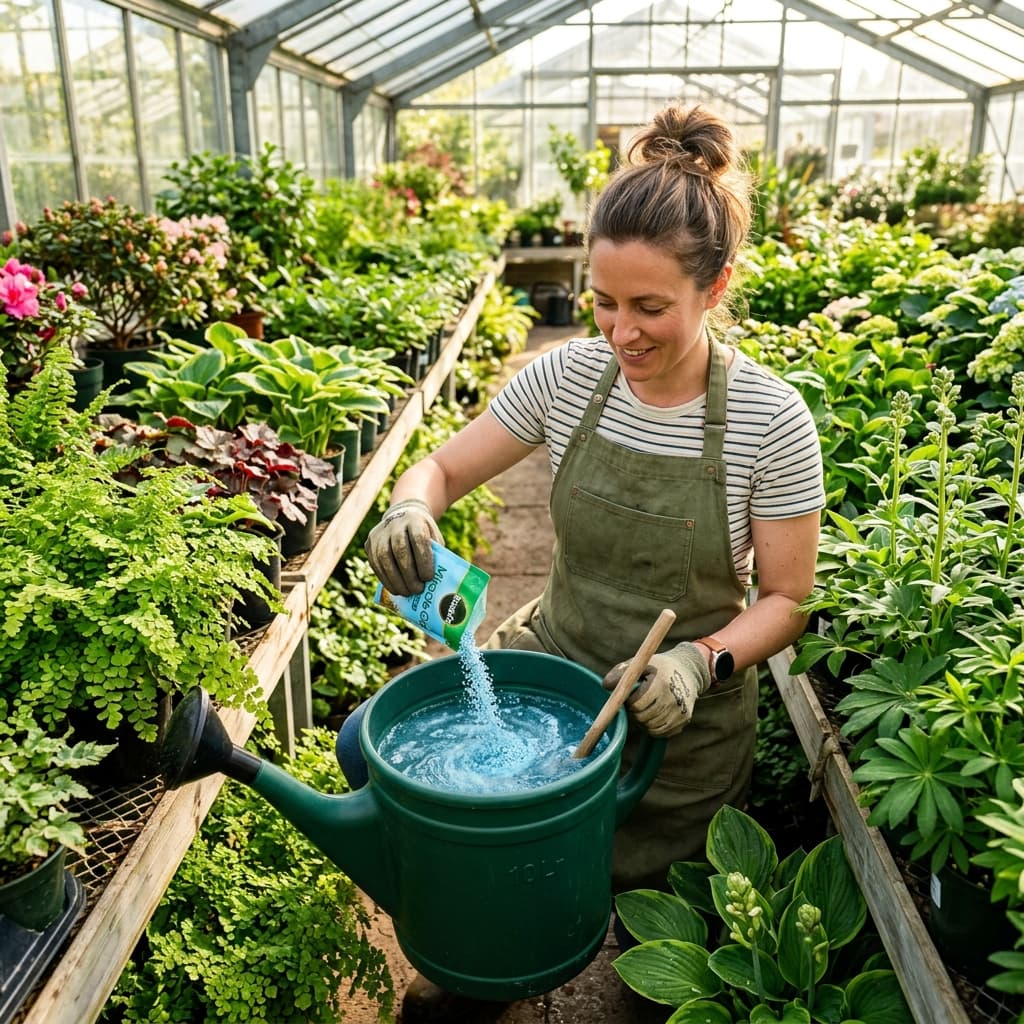 Soil & Fertilizer
The Fertiliser Trick Professional Nurseries Use for Massive Spring Growth (And Why Nobody Tells You)
Walk into any professional nursery in spring and the plants look almost unfairly good. Dense. Full. Bursting with new growth. Your garden centre granules are sitting on your shelf at home and you're wondering what they know that you don't. Here's the answer — and it's simpler than you'd expect.
Sprouty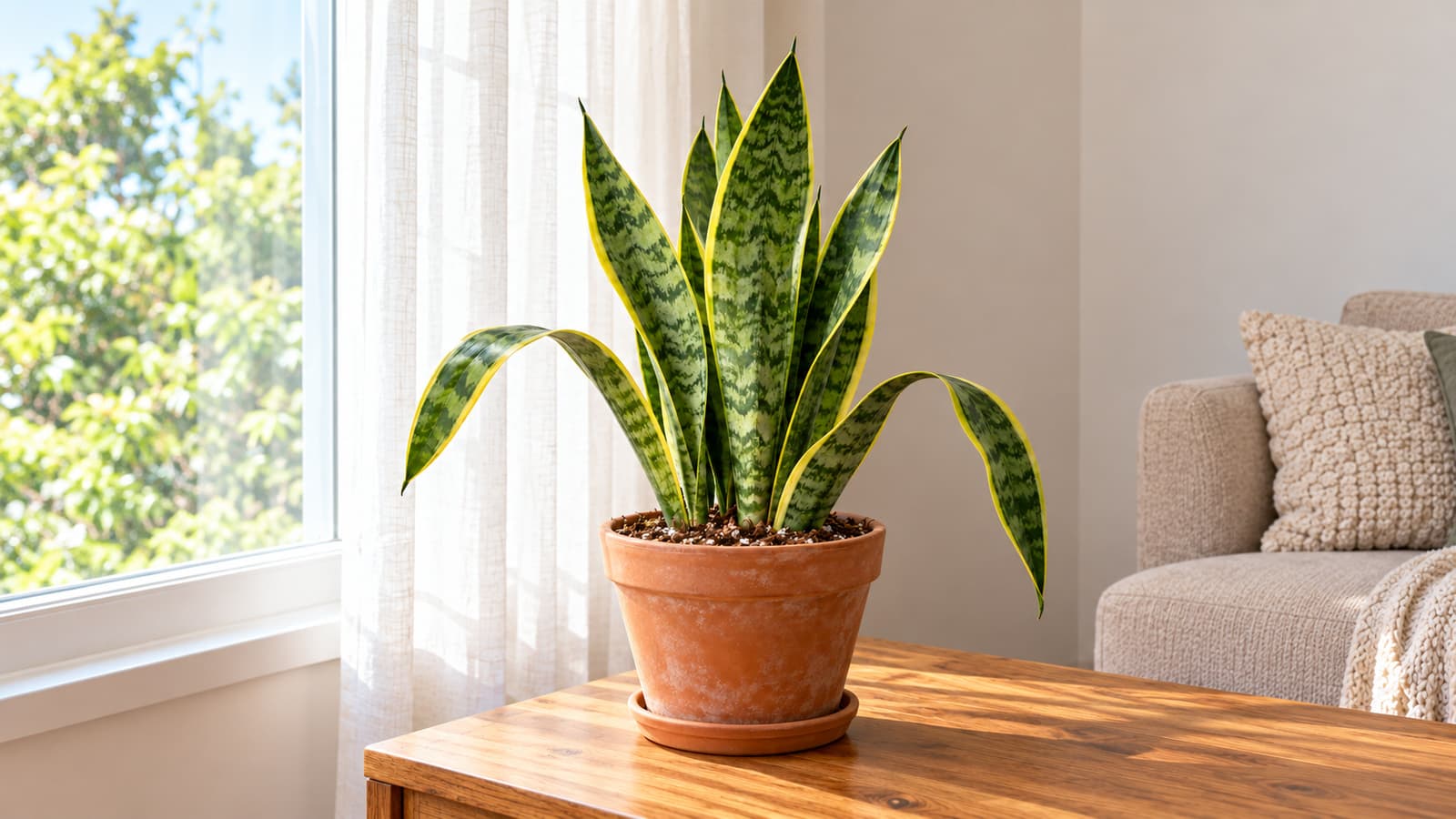 houseplants
Snake Plant Drooping? Diagnose the Cause Before Watering
Check whether drooping snake plant leaves signal rot, dehydration, low light, or damage. Find the right first step and realistic recovery signs.
Sprouty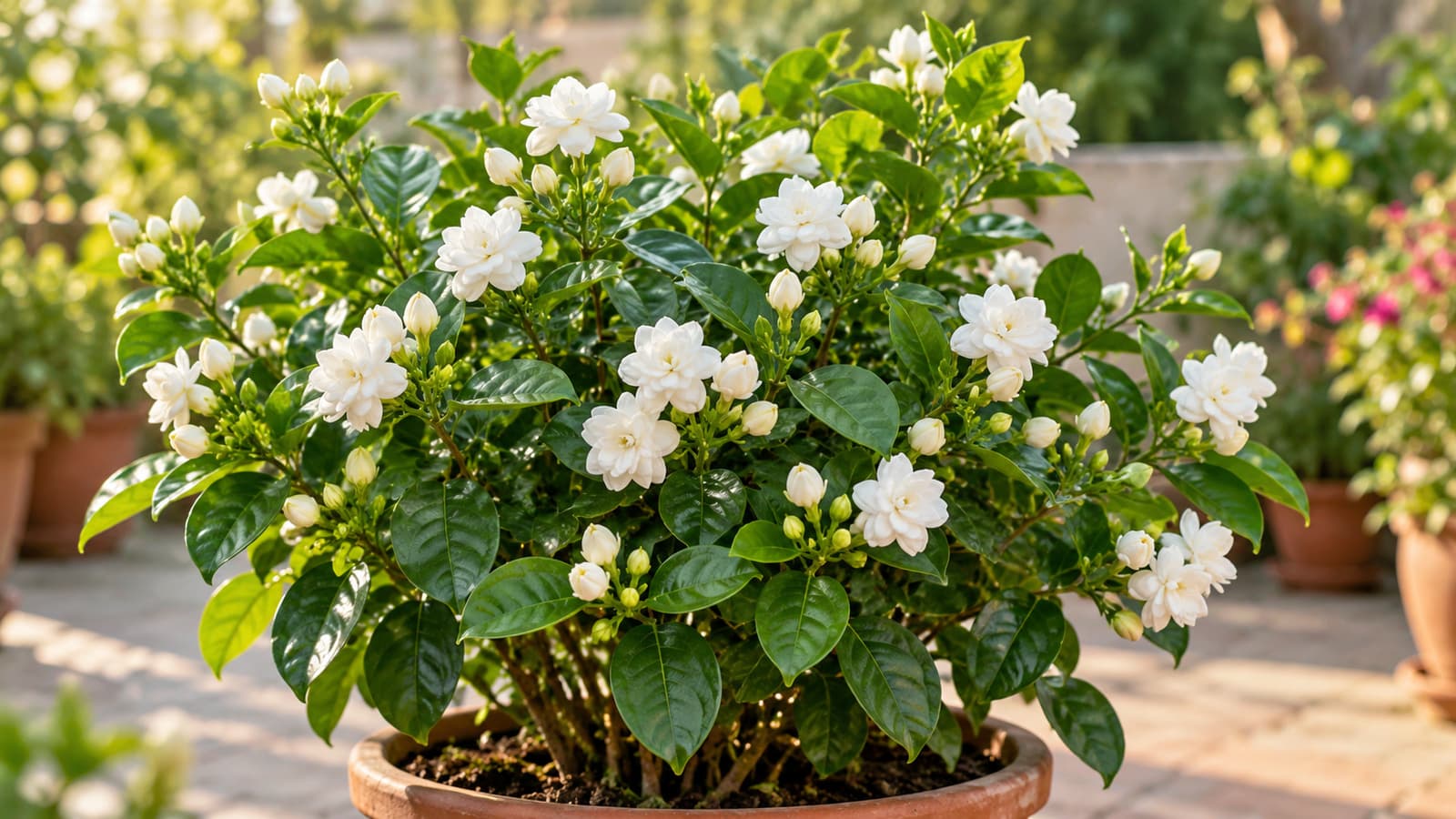 plant-guides
Why Is My Arabian Jasmine Not Blooming?
Arabian jasmine has leaves but no flowers? Check light, watering, pruning, feeding, and bud damage with a practical guide for Jasminum sambac.
Sprouty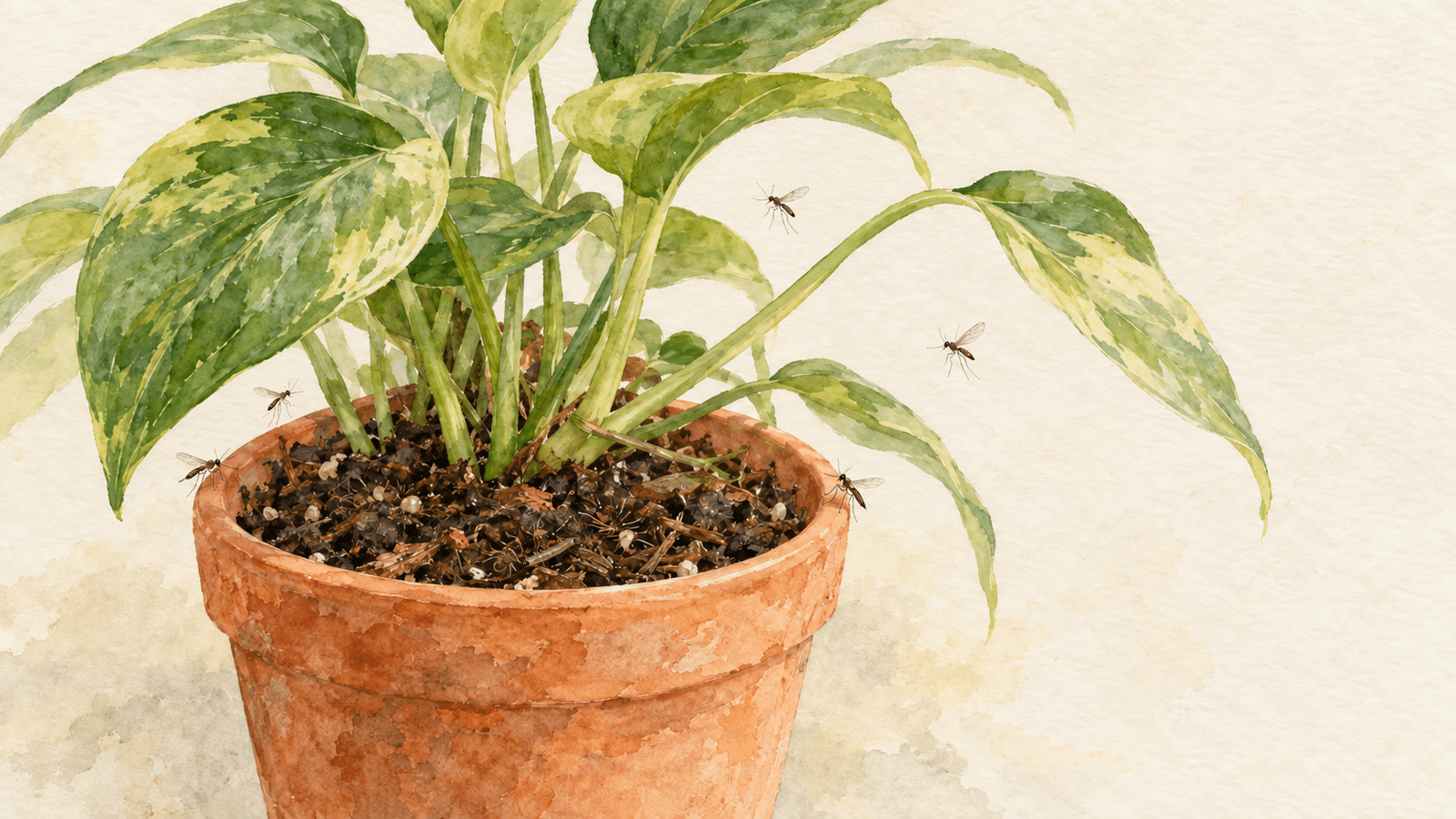 pest-control
How to Get Rid of Fungus Gnats—and Stop Them Returning
Fungus gnats keep returning? Learn how to identify them, reduce excess soil moisture, trap adults, and target larvae with a practical treatment plan.
Sprouty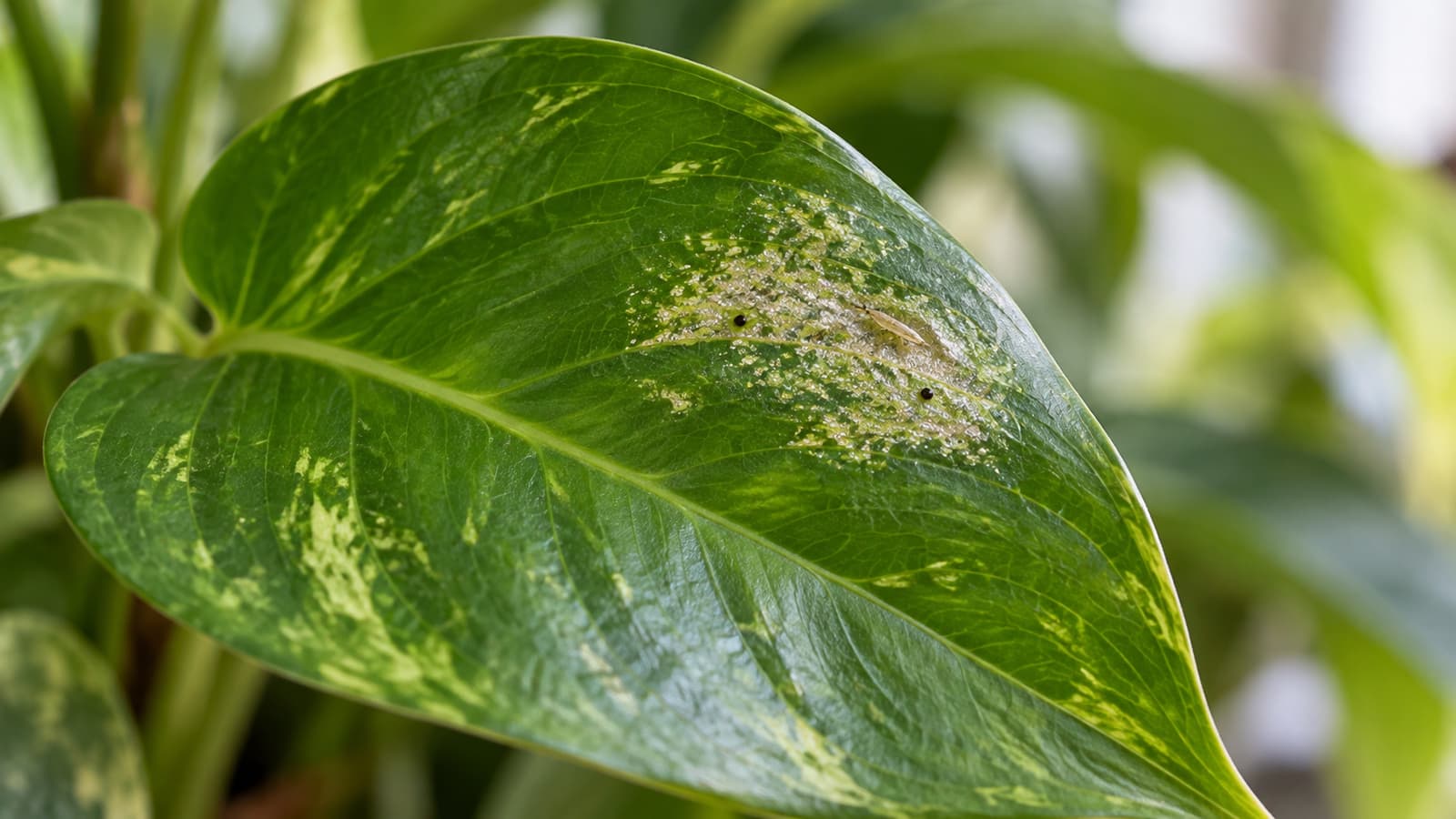 pest-control
Thrips on Houseplants: Identification, Treatment, and Monitoring
Recognize thrips damage, isolate affected plants, choose an appropriate labeled treatment, and monitor new growth instead of relying on one spray.
Sprouty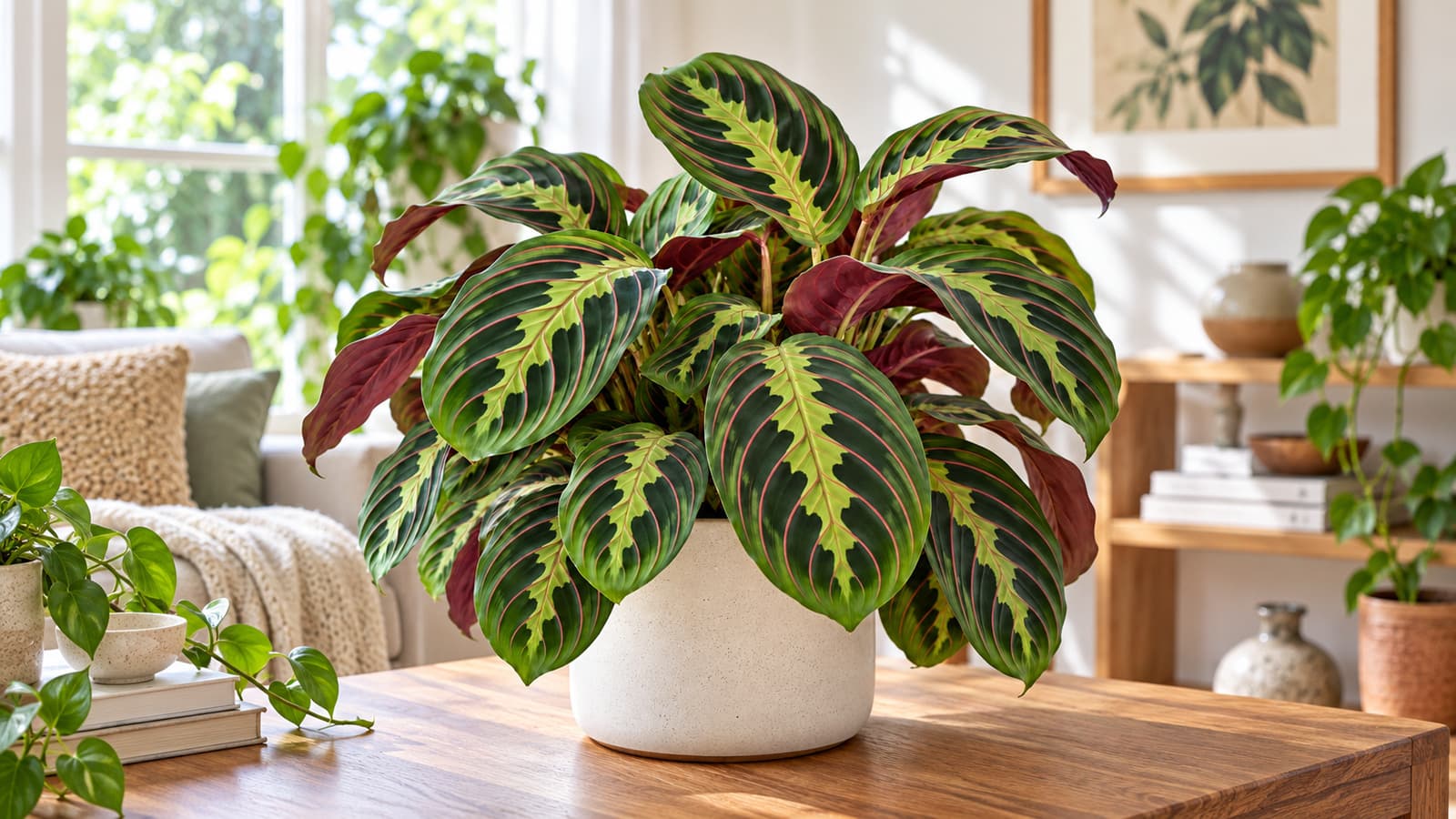 houseplants
Calathea Brown Edges and Curling Leaves: A Care Guide
Troubleshoot calathea brown edges and curling leaves by checking moisture, water quality, light, humidity, and pests before changing everything.
Sprouty growth-hacks
Why Planting Your Spring Bulbs in Shallow Soil Guarantees a Much Stronger Bloom
The gardening rule you've always followed — bury bulbs three times their height — is actually working against you. Shallow planting means warmer soil, stronger stems, better root oxygen, and drastically more vibrant blooms. Here's the science, and the simple technique switch that changes everything.
Sprouty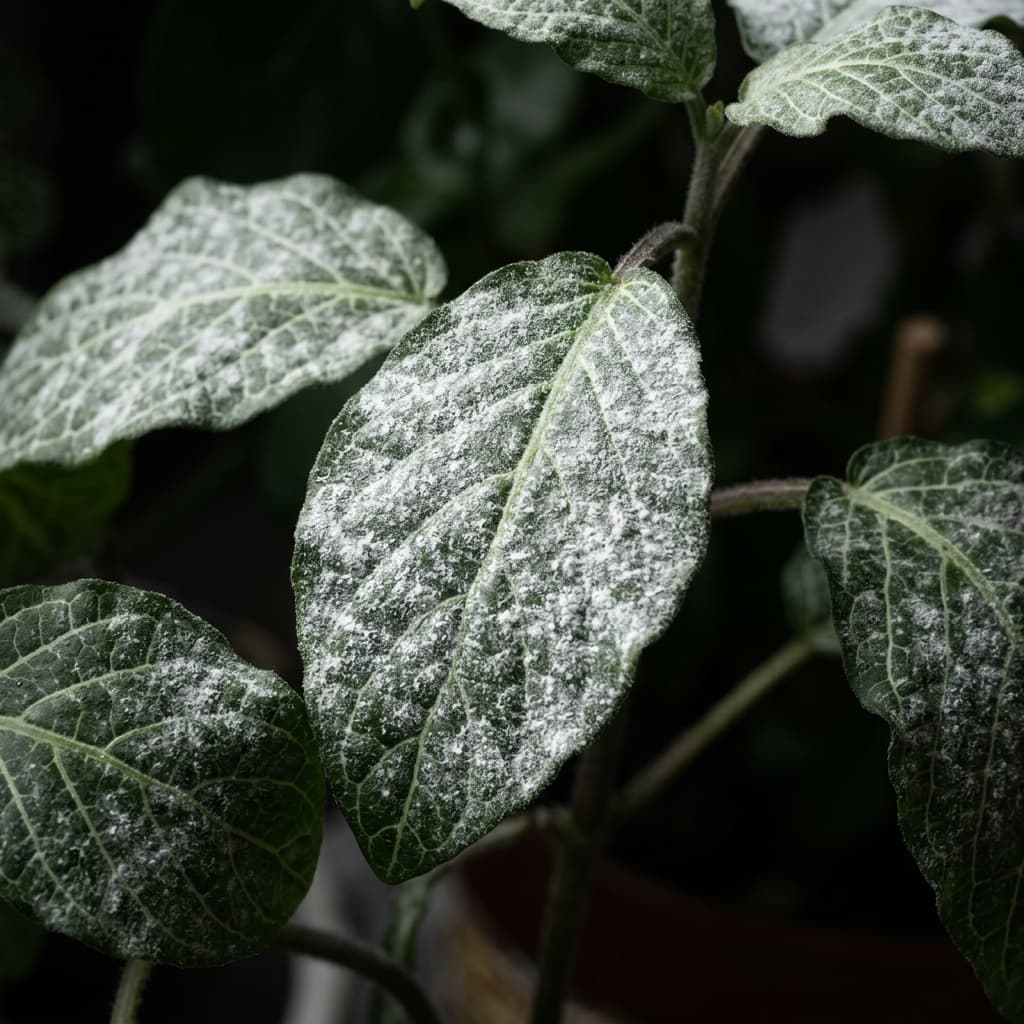 plant-doctor
White Powder on Your Plant Leaves? Here's How to Fix Powdery Mildew Fast
You noticed a dusty white coating on your plant's leaves and now you're spiraling. Don't panic — powdery mildew is one of the most common indoor plant problems, and it's very fixable. Sprouty walks you through exactly what it is, why it happens, and how to get rid of it with stuff you probably already have at home.
Sprouty Soil & Fertilizer
Why You Must Stop Removing Dead Leaves to Save Your Garden Soil
Every autumn, gardeners rake up perfectly good organic matter and pay to have it carted away — then spend money on bagged compost to replace it. Sprouty is here to tell you: those dead leaves are free fertilizer, and here's the simple science of why you should stop removing them.
Sprouty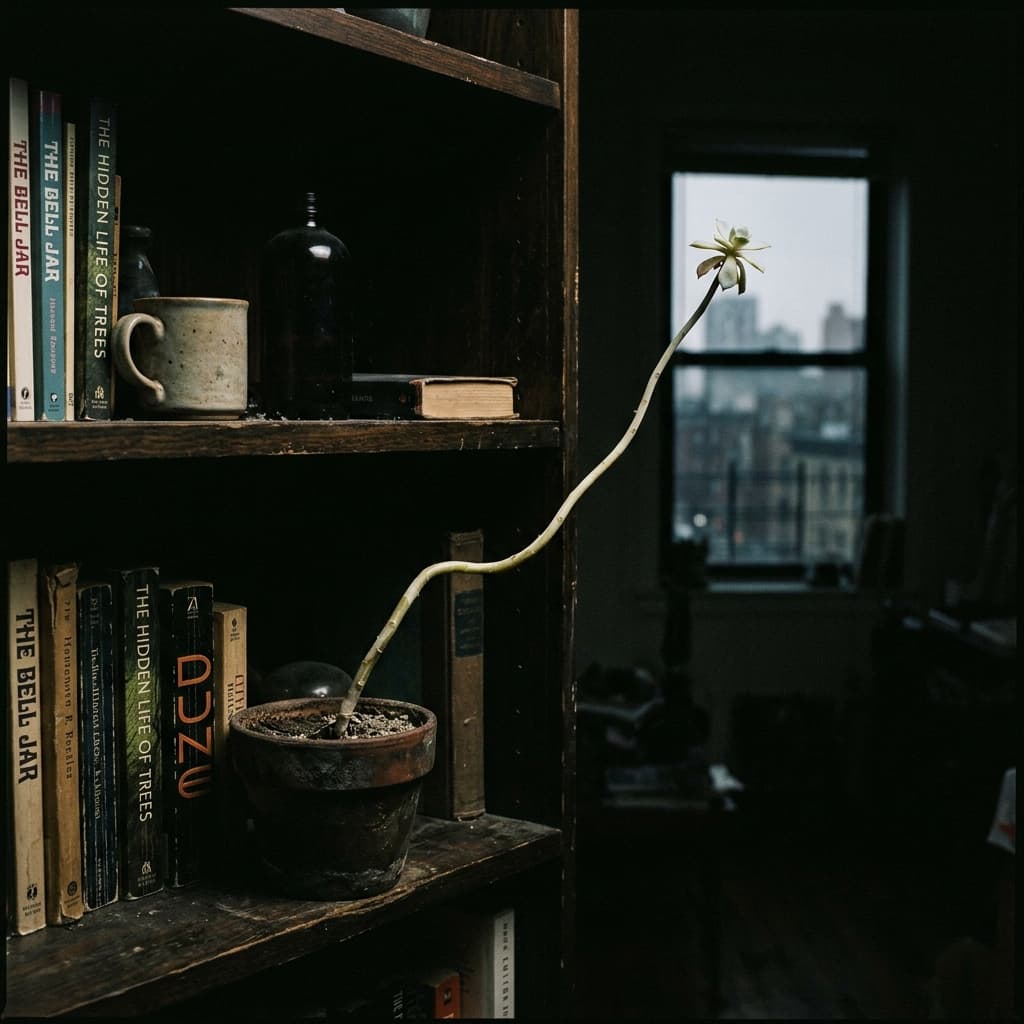 houseplants
Succulents Are The Worst Plants For Beginners To Buy In 2026
Every garden center on earth will try to sell you a succulent as your first plant. They sit right there at the entrance, tiny and adorable in their little terracotta pots, $4.99, with a tag that says 'easy care.' Sprouty is here to tell you: that tag is a lie. Here's the truth about why succulents are actually one of the hardest plants to keep alive indoors — and what to buy instead.
Sprouty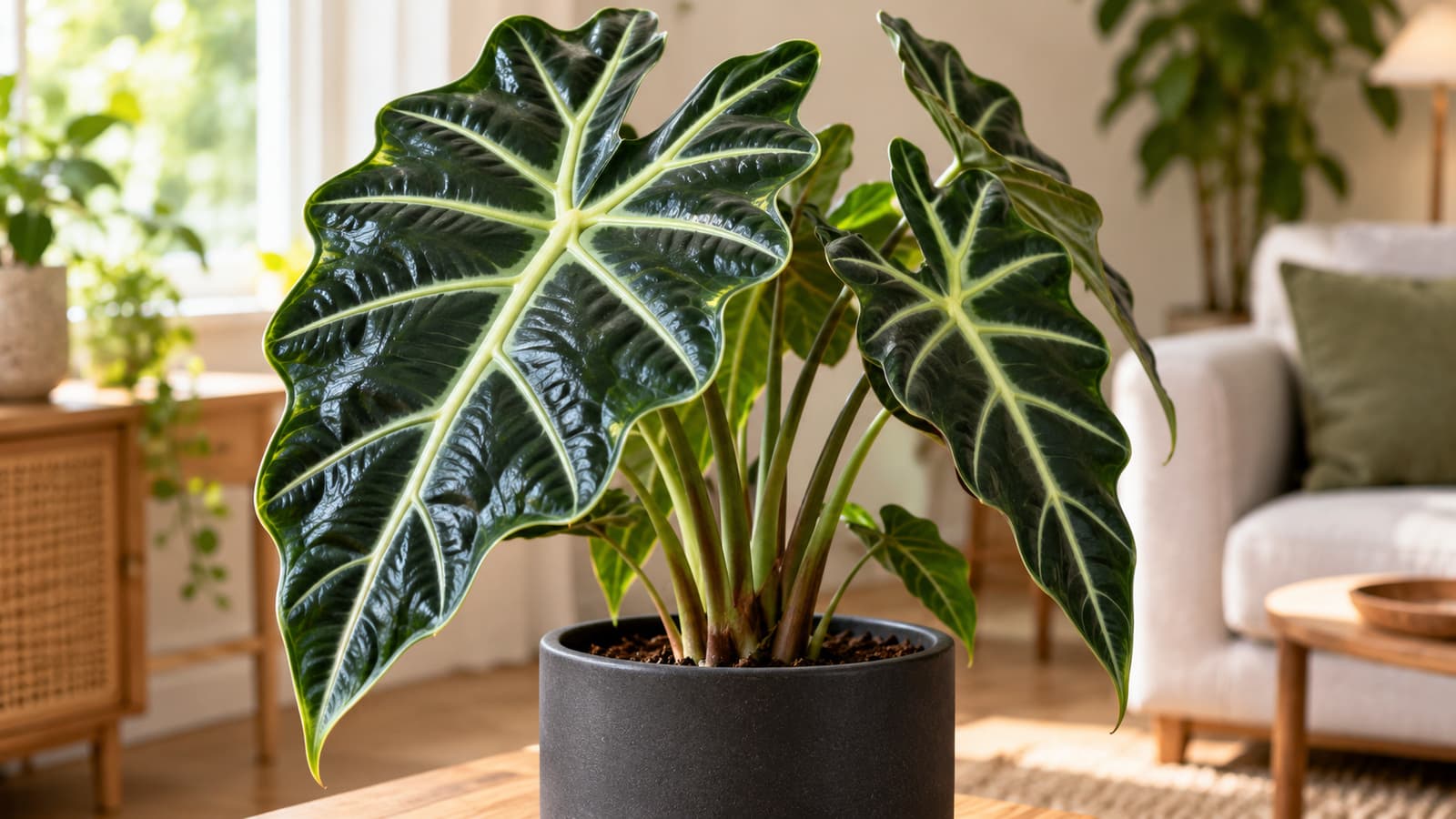 houseplants
Is Rice Water Good for Alocasia? Evidence and Limits
Does rice water help Alocasia grow? Explore what plant studies actually tested, why houseplant results are uncertain, and what to check before feeding.
Sprouty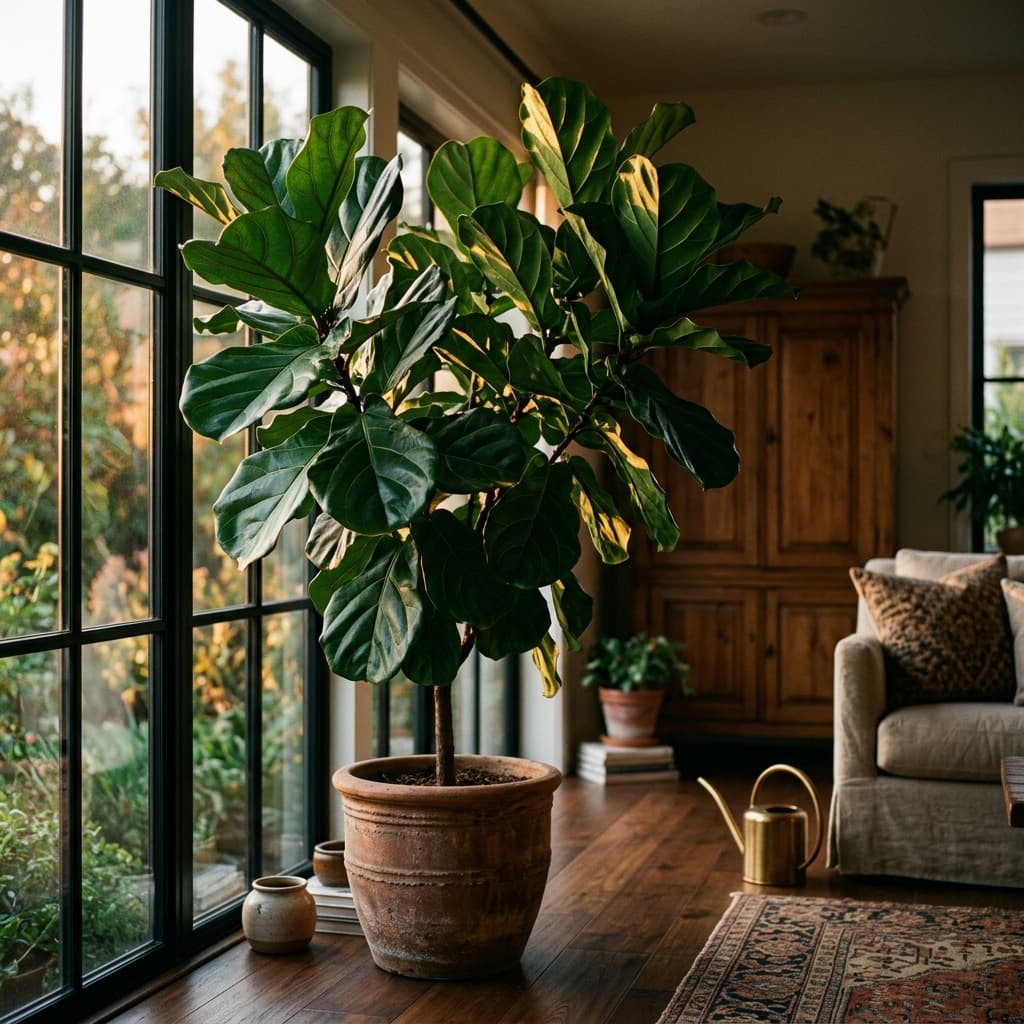 Growing Tips
Banana Peel Water for Fiddle Leaf Figs? Use Dried Peel Powder Instead
Your Fiddle Leaf Fig has been sitting there for months, doing absolutely nothing. No new leaves. No growth. Just staring at you. Here's the fix: a banana peel sitting in your kitchen right now contains exactly the nutrient a stubborn FLF needs to break dormancy — and five minutes is all it takes to turn it into something your plant will actually use.
Sprouty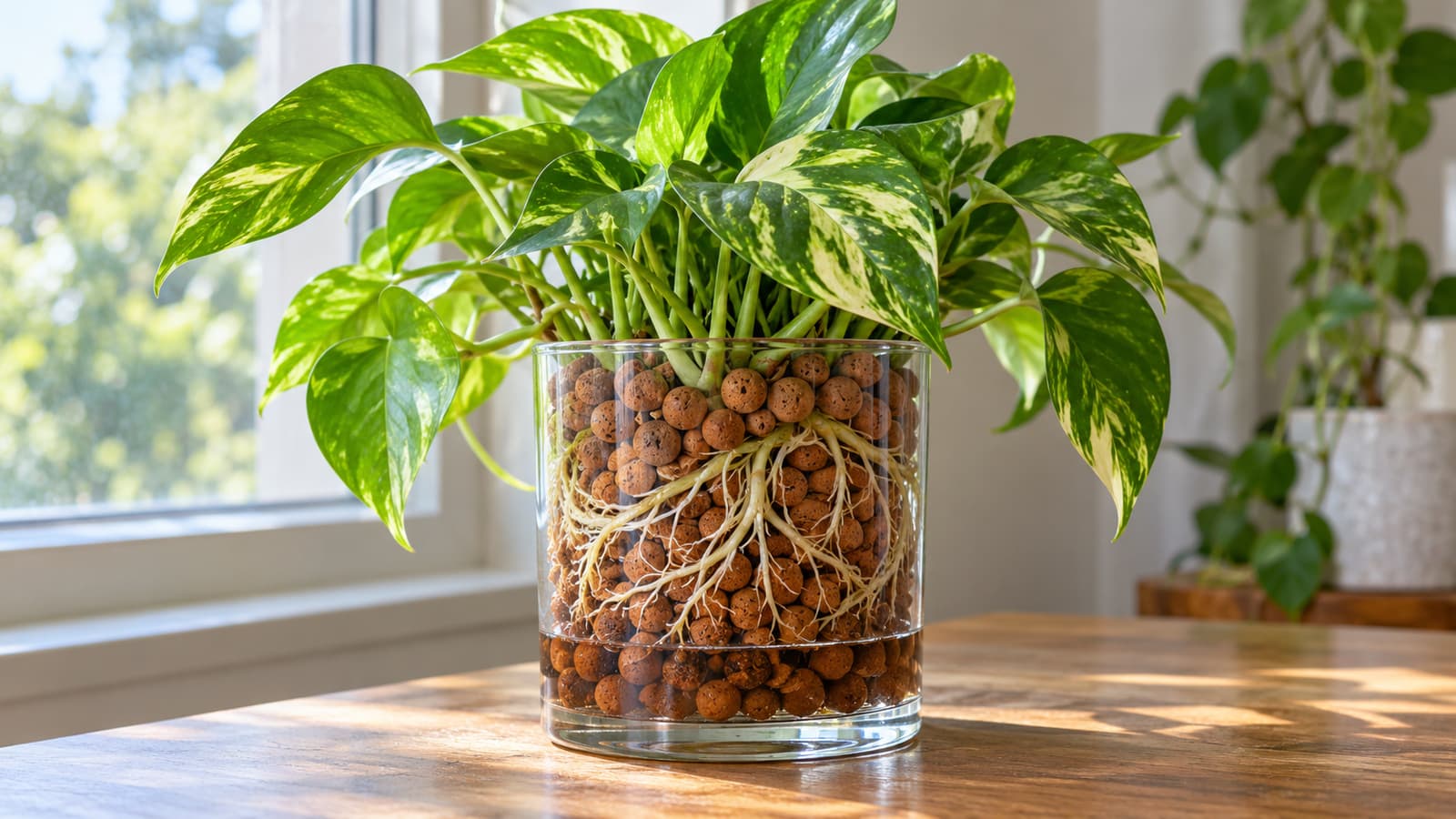 watering-root-care
LECA Root Rot: Check Water Level, Roots, and Reservoir Care
Check LECA water level, root condition, nutrients, and maintenance without assuming every non-circulating reservoir causes root rot.
Sprouty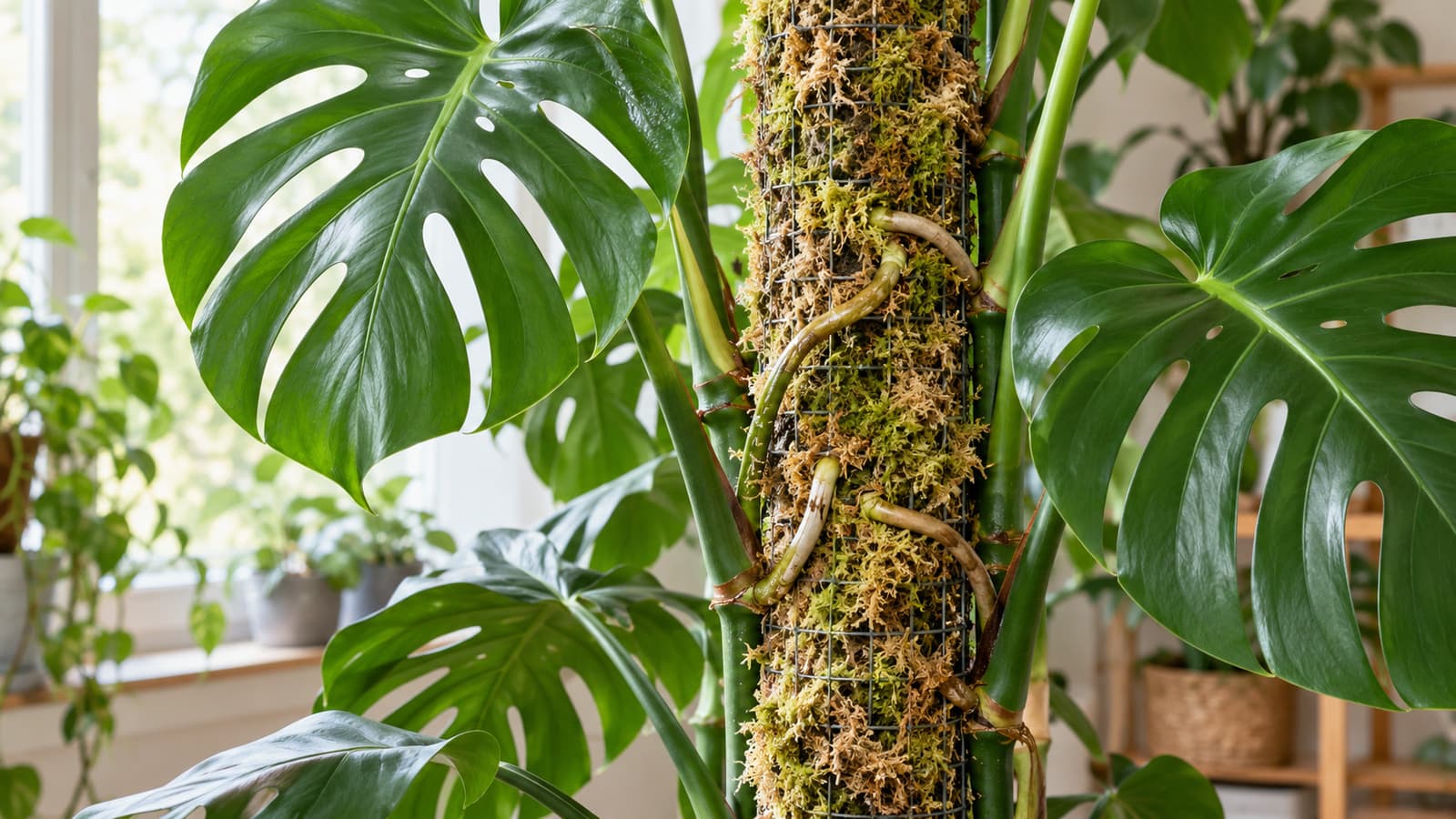 watering-root-care
Coco Coir vs. Sphagnum Moss Poles: What Monstera Needs
Compare coir and sphagnum poles, understand what aerial roots do, and choose a Monstera support that fits your watering routine and goals.
Sprouty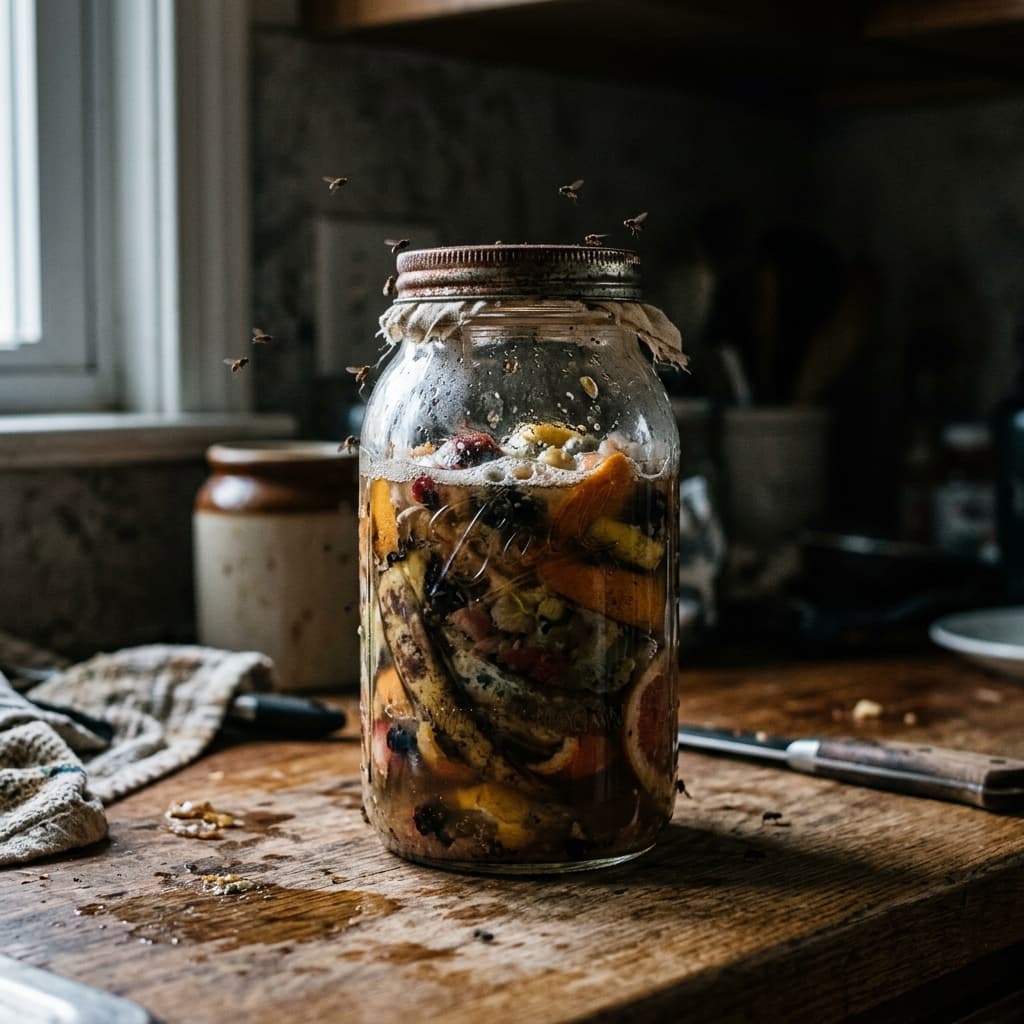 Soil & Fertilizer
TikTok's "Fruit Peel Fertilizer" is Just an Invitation for a Kitchen Roach Infestation
That viral hack where you soak banana skins and citrus peels in water to feed your plants? Sprouty looked into it — and what's actually brewing in that jar isn't fertilizer. It's a five-star roach buffet. Here's the truth behind the trend.
Sprouty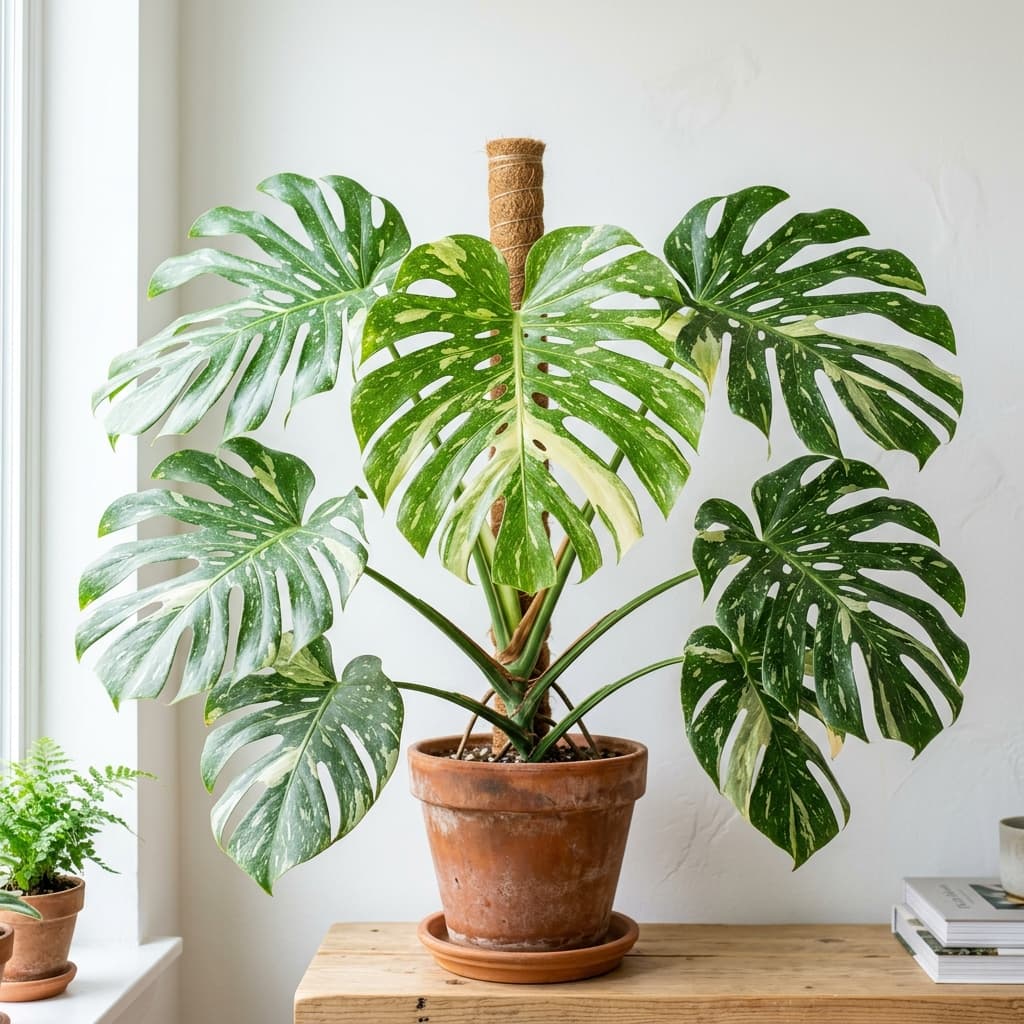 Growing Tips
Neglect is Actually the Highest Form of Love for Your Rare Monsteras
Counter-intuitive but true: most rare Monstera varieties—Thai Constellation, Albo, Adansonii—die from too much love, not too little. Here's why strategic neglect is the secret to lush, fenestrated growth and a thriving rare plant collection.
Sprouty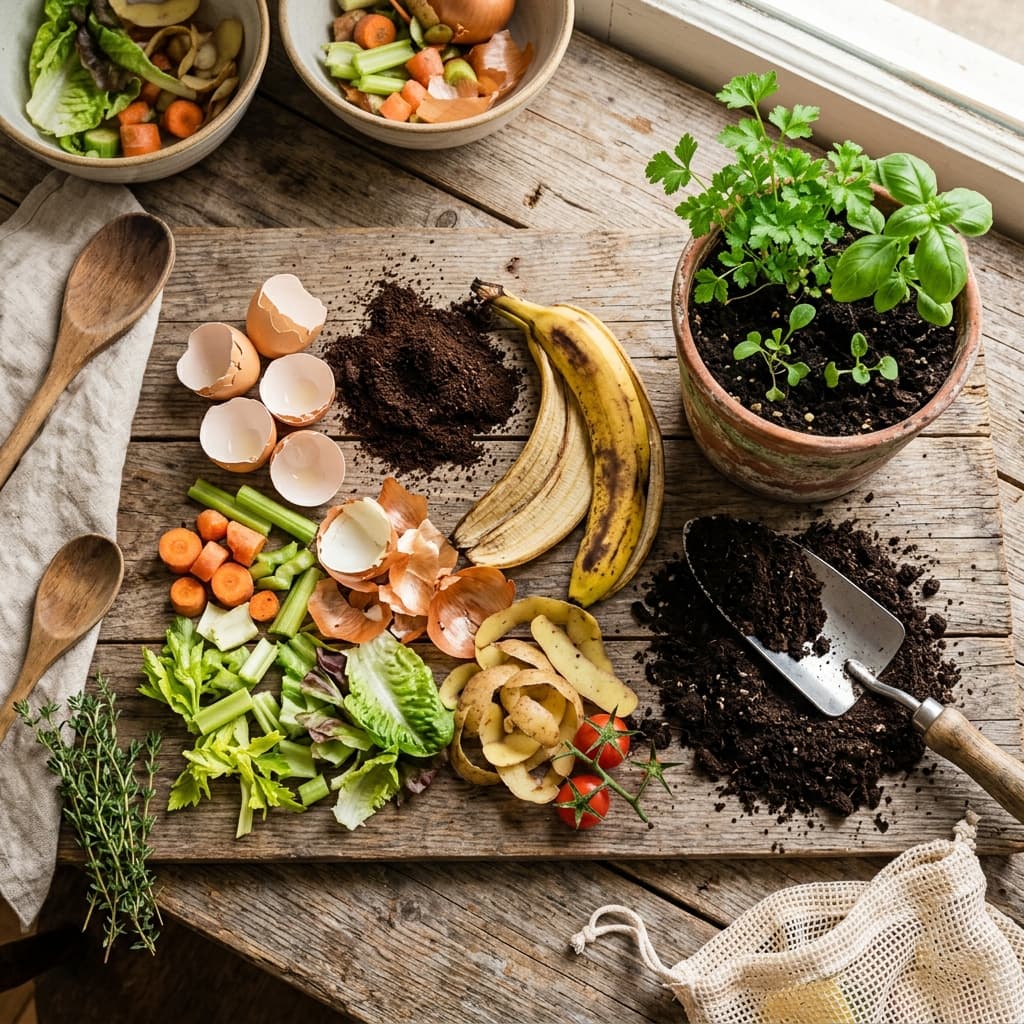 Soil & Fertilizer
The Ultimate Zero-Waste Garden Hack for 2026: No-Cost Nutrient Boost
Your kitchen trash is hiding the best fertilizer you've never bought. Here's how to turn everyday scraps into a powerful, free nutrient boost your plants will love — no compost bin required.
Sprouty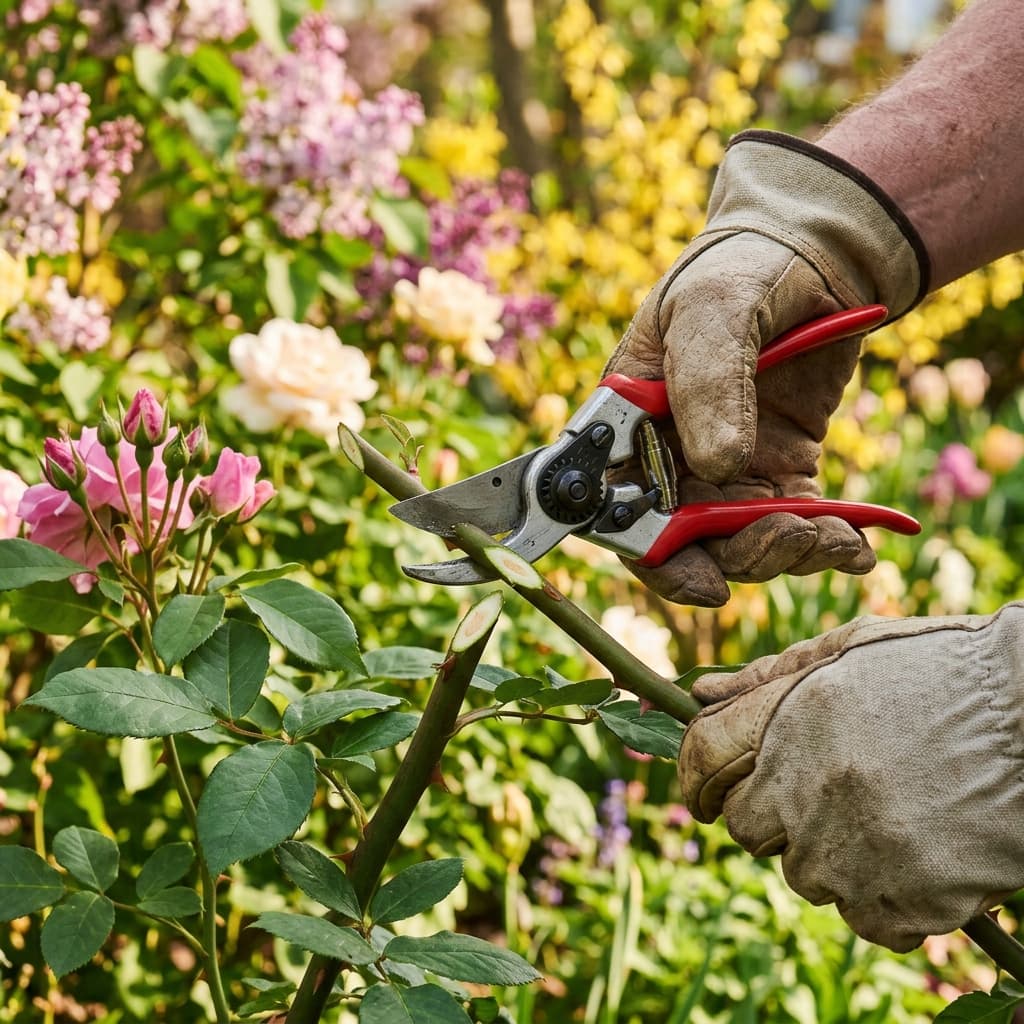 Pruning
7 Pruning Mistakes That Are Killing Your Plants (And How to Fix Them)
Are you accidentally ruining your shrubs, roses, and trees with your pruning shears? Avoid these 7 devastatingly common pruning mistakes gardeners make every spring—and learn the right techniques that guarantee a healthier, more beautiful garden.
Sprouty Hardiness
Did Your USDA Hardiness Zone Change? What to Check
Compare the 2023 USDA map with the 2012 edition, check your zone, and understand why warmer map ratings do not guarantee plant survival.
Sprouty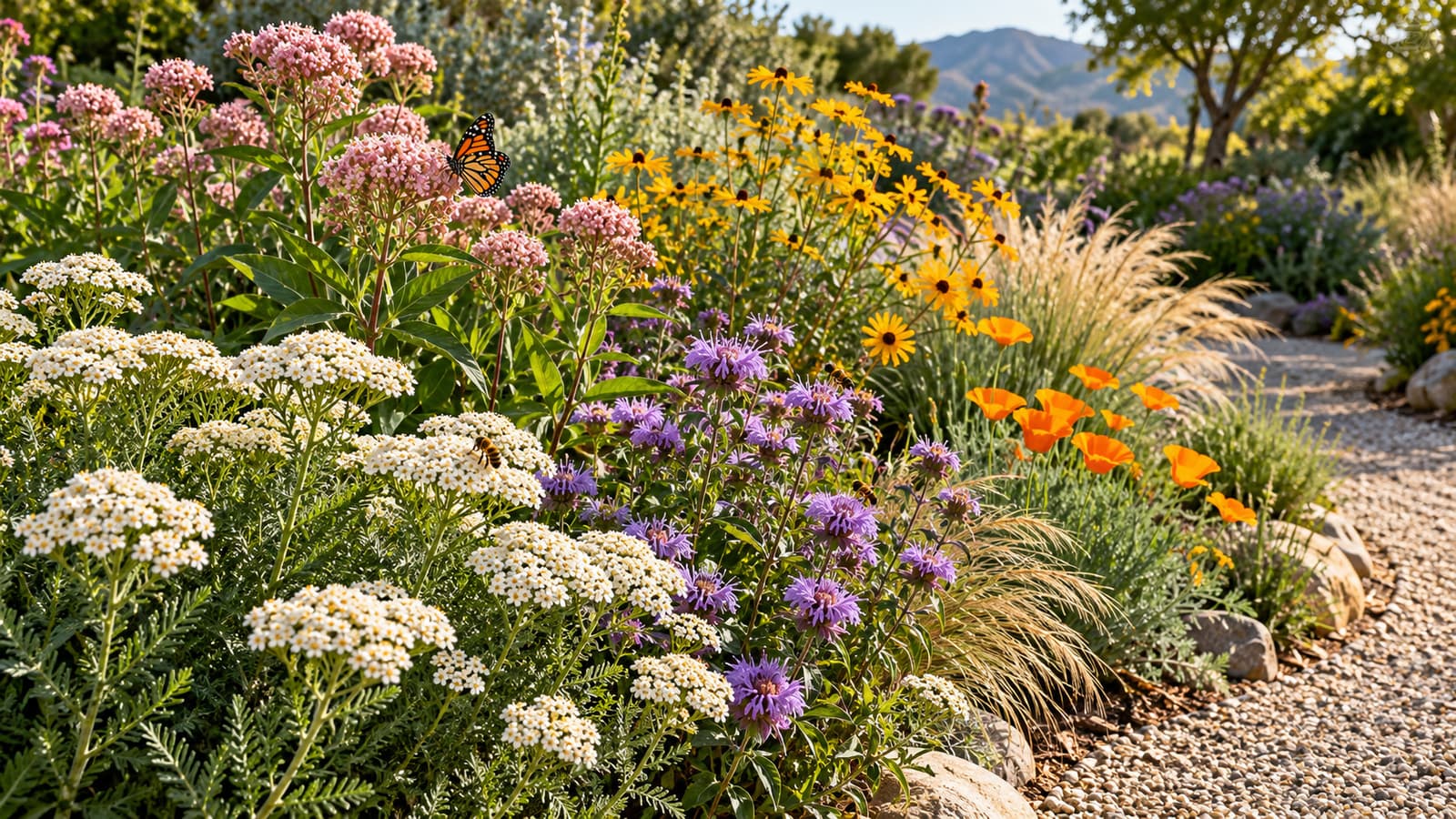 Garden Design
How to Design a Pollinator Garden for Your Space
Plan a pollinator garden with small-bed layouts, seasonal bloom sequences, region-appropriate plants, and nesting habitat that fits your space.
Sprouty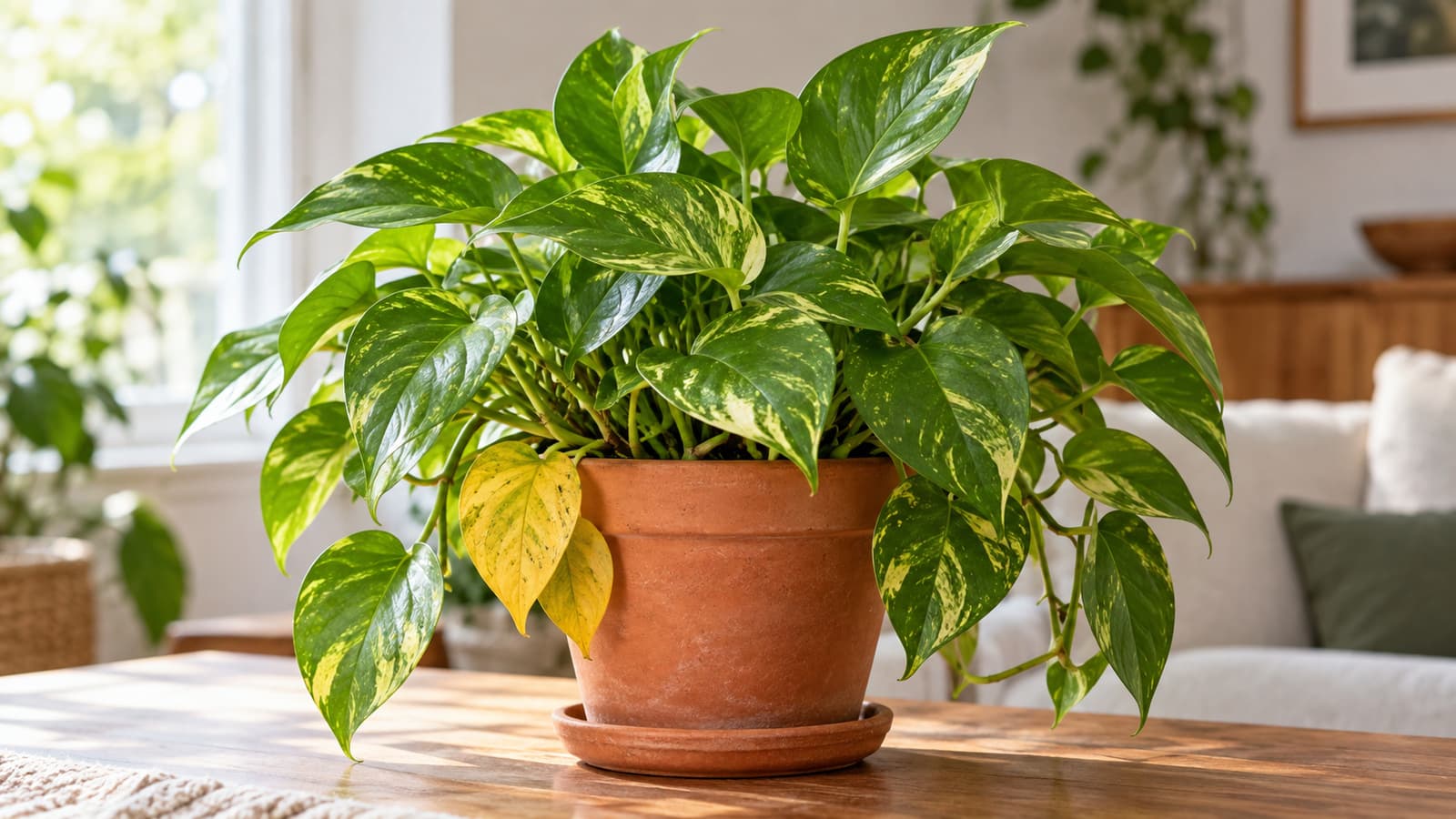 plant-doctor
Why Houseplant Leaves Turn Yellow: A Diagnostic Checklist
Check moisture, roots, light, pests, and leaf age to find why houseplant leaves are yellow. Avoid adding fertilizer before you know the cause.
Sprouty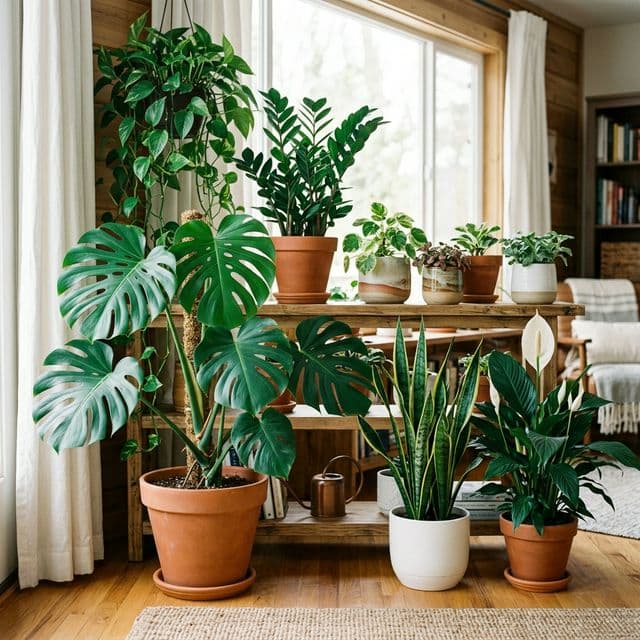 houseplants
The 7 Most Trending Houseplants of 2025 — and How to Actually Keep Them Alive
From the unstoppable Monstera to rare collector aroids, these are the houseplants dominating search trends, plant shops, and interior design in 2025 — with expert care profiles, common mistake fixes, and a science-backed look at air purification claims.
Sprouty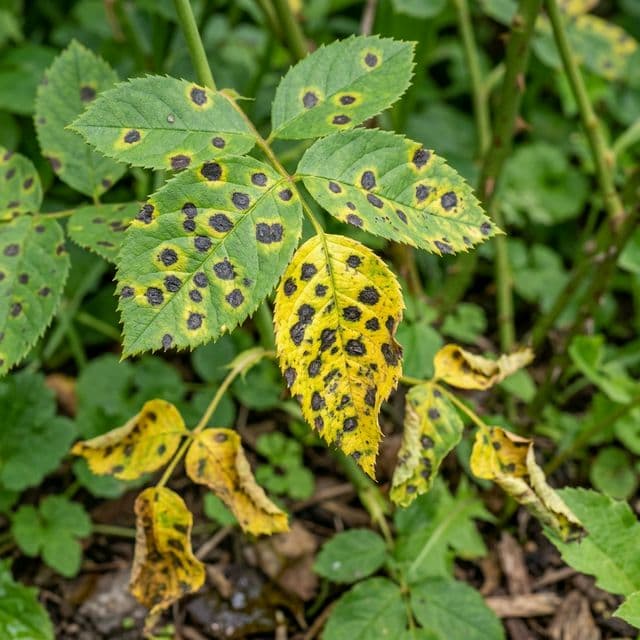 plant-doctor
Common Outdoor Plant Diseases: Roses, Plum Leaf Curl & Citrus — Diagnose & Treat Like a Pro
Seeing dark spots on your roses, curled leaves on your plum tree, or twisted citrus foliage? This hands-on guide from Sprouty covers the most common outdoor plant diseases happening right now — with real photos, diagnosis cards, treatment tables, and prevention strategies that actually work.
Sprouty Garden Design
How to Start a Pollinator Garden: A Beginner-Friendly Guide for Spring
Want more bees, butterflies, and blooms in your garden? This beginner-friendly guide shows you how to start a pollinator garden with simple, practical steps
Sprouty Growing Tips
What to Plant in March: A Simple Spring Garden Guide for Beginners
Not sure what to plant in March? This beginner-friendly guide covers vegetables, herbs, flowers, and simple spring gardening tips to help your garden thrive.
Sprouty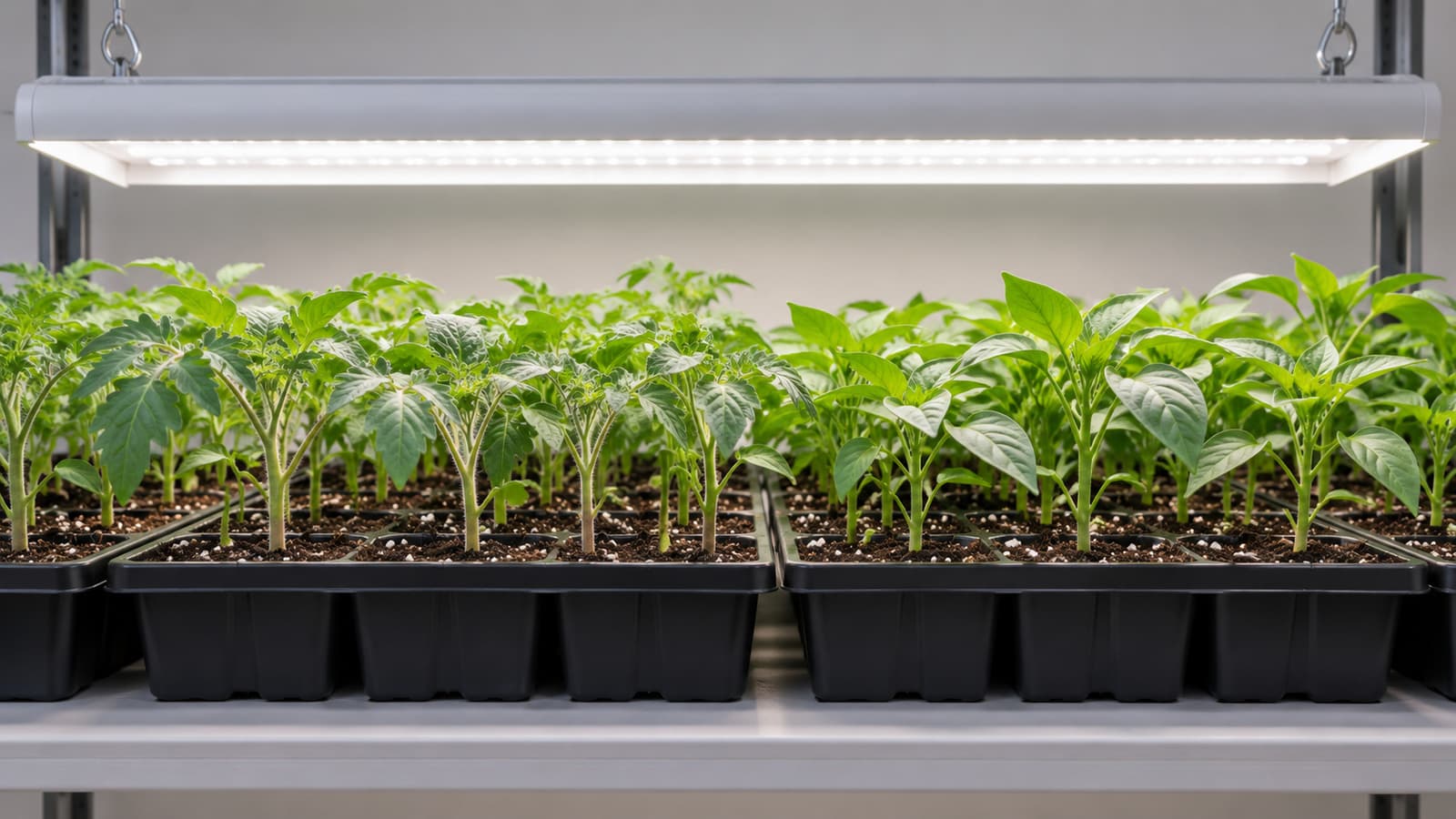 Growing Tips
How to Start Seeds Indoors Without Raising Weak Seedlings
Plan sowing dates, choose a suitable mix and light setup, prevent common seedling problems, and harden plants off before transplanting.
Sprouty