
A pollinator garden is one of the happiest kinds of gardens you can grow. It’s lively, colorful, buzzing with life, and full of small moments that make you stop and smile. One day it’s a bee visiting a flower. The next day it’s a butterfly drifting through the yard like it owns the place.
Best of all, you do not need a huge backyard or expert-level skills to create one.
If you’re new to gardening, a pollinator garden is a beautiful place to begin. It helps support bees, butterflies, and other helpful visitors by giving them food, shelter, and a safer place to land, feed, and rest. Pollinators play a big role in helping many plants produce fruit and seed, and experts consistently recommend planting nectar- and pollen-rich flowers, creating habitat, and reducing pesticide use to support them.
Let’s build one together — the Sprouty way: simple, practical, and full of heart.
What Is a Pollinator Garden?
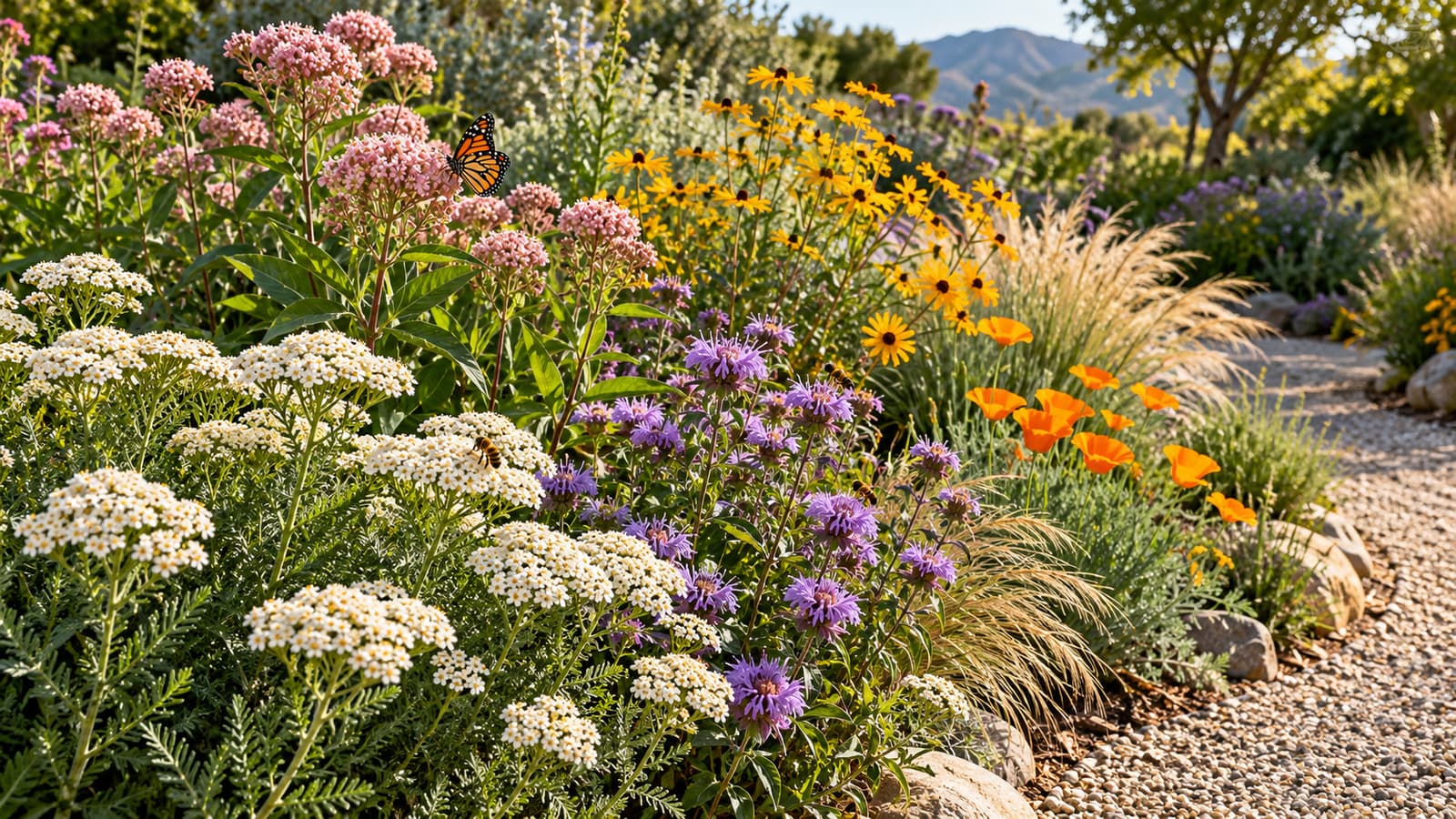
A pollinator garden is a space planted to welcome and support pollinators like bees, butterflies, moths, beetles, birds, and other beneficial insects. These gardens are not just pretty. They are useful. They provide flowers with nectar and pollen, and they can also offer places to nest, hide, and complete different stages of life.
The best pollinator gardens are not about perfection. They are about abundance, diversity, and thoughtful planting.
That means:
lots of flowers
different bloom times
plants grouped in easy-to-find clumps
fewer chemicals
a little room for nature to do its thing
Why Start One in Spring?
Spring is one of the best times to start a pollinator garden because many pollinators are becoming active again, and it gives your plants time to settle in before summer heat arrives. Spring is also a smart time to plan for a longer bloom season, which matters because pollinator-friendly landscapes work best when something is flowering from early spring into late fall.
If you already read our article on What to Plant in March, think of this as the next step: instead of planting only for harvest or looks, you’re planting with purpose too.
Step 1: Pick a Sunny Spot
Most pollinator-friendly flowers prefer a spot with plenty of sunlight. A sunny bed, border, raised bed, front-yard patch, or even a group of containers on a patio can work well. Many pollinator plants do best with around six hours of sun or more, so start by noticing where the light falls in your space.
Do not overthink this part. You are not choosing the “perfect” place forever. You are simply choosing a good place to begin.
Step 2: Start with Native Plants First
If there is one pollinator-garden tip worth remembering, it’s this: native plants are usually the best place to start.
Why? Because native plants are adapted to your local climate, soil, and seasons, and many native pollinators have evolved alongside them. That makes native plants especially valuable for food and habitat. They also tend to be a smart long-term choice for resilience and lower maintenance once established.
That does not mean every plant in your garden must be native. But it does mean your pollinator garden becomes much stronger when native plants form the backbone.
If you’re not sure what is native in your area, check local extension guidance, native plant societies, or regional plant lists before shopping. The National Park Service and Xerces Society both provide region-based planting tools and plant lists to help gardeners choose species that fit their location.
Step 3: Plan for Flowers from Spring to Fall
A great pollinator garden is not a one-week show. It keeps offering food across the season.
That means you want:
something blooming in early spring
more flowers in late spring and summer
a few late-season bloomers for fall support
This is one of the easiest mistakes beginners make. They buy whatever looks pretty at the garden center on one day, and then the garden has one burst of color followed by a long quiet stretch.
Instead, build your garden like a relay team. Let one group of flowers hand off to the next.
If you want more seasonal inspiration, your readers can also hop over to 10 Best Plants to Grow in Spring for ideas that match the season.
Step 4: Plant in Clumps, Not Lonely Singles
Pollinators find flowers more easily when the same type of plant is grouped together. Instead of scattering one plant here and one plant there, plant in small drifts or clusters when you can. Experts specifically recommend planting in clumps because it helps pollinators locate and use flowers more efficiently.
This does not have to mean formal rows or a complicated design. Even three to five plants grouped together can make a difference.
Think “little flower neighborhoods,” not “one flower living alone in the suburbs.”
Step 5: Include Different Flower Shapes
Different pollinators feed in different ways. Some prefer open, easy-to-land-on blooms. Others are better suited to tubular flowers, tiny clustered flowers, or deeper blossoms. A mix of plant forms helps welcome a wider variety of visitors.
A beginner-friendly way to think about this is:
some flat or open flowers
some clustered flowers
some taller flowering plants
a mix of short, medium, and tall growth
That variety also makes the garden more beautiful and natural-looking.
Step 6: Add Host Plants and Leave a Little Wildness
Nectar plants are important, but they are only part of the story.
If you want butterflies and other pollinators to truly use your garden, they also need places to shelter, lay eggs, or complete their life cycle. That is why experts encourage gardeners to include host plants and nesting habitat, not just pretty flowers. Caterpillars will chew some leaves, and that is not a failure — that is the garden doing its job.
This is where a pollinator garden teaches patience. A perfect, spotless garden is not always the most welcoming one.
A few helpful habits:
leave some stems standing a bit longer
avoid clearing every leaf too fast
include a little undisturbed corner when possible
welcome natural texture instead of trying to control every inch
Step 7: Go Easy on Pesticides
One of the fastest ways to accidentally harm pollinators is to use pesticides carelessly. Multiple expert sources recommend eliminating or minimizing pesticide use, especially products dangerous to bees and other beneficial insects. When treatment is necessary, the advice is to use the least-toxic option possible and apply carefully.
A healthier long-term approach is to build strong soil, choose the right plants for the site, and support beneficial insects that help keep the garden balanced.
That’s one reason this post pairs so nicely with Composting 101: A Beginner’s Guide and Understanding Soil pH: The Complete Guide. Healthier soil usually means healthier plants, and healthier plants are better able to handle stress.
Step 8: You Can Start Small — Really Small
One of the best things I found while reviewing current pollinator resources is that even a small planting can matter. The National Park Service’s pollinator garden recipe cards are designed around compact home plantings of about 3 feet by 6 feet, which is a very encouraging size for beginners.
So no, you do not need a giant meadow.
You can start with:
one small bed by the walkway
a raised bed
a sunny strip near the fence
a few containers on a patio
even a corner of an existing flower bed
If space is limited, containers can still be pollinator-friendly when planted generously and kept blooming.
And if you’re working with a structured growing space, this article will pair beautifully with Raised Bed Gardening for Beginners.
A Simple Pollinator Garden Plan for Beginners
If you want the easiest possible starting plan, try this:
Choose one sunny area. Pick 3 to 5 locally appropriate pollinator-friendly plants, with at least one that blooms early, one for midsummer, and one for later in the season. Plant each in a small group instead of scattering them. Add compost to the soil, water regularly while plants establish, and skip harsh sprays.
That’s it. That is a real pollinator garden.
You do not need to know everything before you begin. You just need to give life a place to land.
Common Pollinator Garden Mistakes to Avoid
1. Planting only one bloom season
A garden full of flowers for one month is lovely, but pollinators need support across much more of the growing season.
2. Choosing plants without checking your region
A plant that works beautifully in one place may struggle in another. Local fit matters.
This is why Understanding Plant Hardiness Zones is such a useful companion read before building your plant list.
3. Making the garden too tidy
Over-cleaning can remove habitat and shelter that beneficial insects use.
4. Using pesticides too quickly
Many pest problems are made worse when helpful insects are also removed.
5. Starting too big
A smaller garden that gets consistent care is better than a giant plan that becomes overwhelming.
Pollinator Garden Ideas for Balconies and Small Yards
No yard? No problem.
A small-space pollinator garden can still be lovely and useful. Try:
grouped pots instead of a single container
a mix of heights for visual impact
long-blooming flowers
one or two locally appropriate native plants as anchors
shallow water nearby in a safe, simple form
steady deadheading when appropriate to keep blooms coming
Even a balcony can become a tiny fueling station for passing pollinators.
Sprouty’s Friendly Reminder
A pollinator garden is not just a gardening project.
It is a quiet act of kindness.
You’re creating a place where life can eat, rest, grow, and return. That matters more than having a flawless layout or a magazine-perfect flower bed.
Start with one patch. One pot. One cluster of blooms.
Nature knows how to meet you halfway.
Quick Pollinator Garden Checklist
Choose a sunny spot
Start with native plants when possible
Plan for blooms from spring through fall
Plant in clumps, not singles
Include a mix of flower shapes and heights
Leave a little habitat, not just flowers
Avoid harsh pesticides
Start small and build over time
FAQs
What is the easiest way to start a pollinator garden?
Start with a sunny spot and a few locally appropriate flowering plants that bloom at different times. Group them together and avoid pesticide use.
Do pollinator gardens have to use only native plants?
No, but native plants are often the strongest foundation because they are adapted to local conditions and support local pollinators especially well.
Can I make a pollinator garden in containers?
Yes. A few well-planted containers in a sunny area can still help pollinators, especially if you choose good bloomers and keep flowers available across the season.
Are butterflies and bees attracted to the same flowers?
Sometimes yes, but not always in the same way. A mix of flower shapes and plant types helps support more kinds of pollinators.
Do I need a large yard?
Not at all. Even small beds or containers can make a difference, and current NPS pollinator recipe cards are built around compact home garden sizes.
Call to Action
Have you started a pollinator garden yet? Whether you’ve got a full backyard or just a sunny patio, every flower you plant can help. Stay with Sprouty for more beginner-friendly garden ideas, seasonal tips, and practical plant wisdom. If you’re enjoying indoor plants and want to branch out into seasonal gardening too, explore our guide to 10 Best Plants to Grow in Spring.