
Short answer: check the cause before you water. A soft, mushy base sitting in wet mix points to root or rhizome rot — do not water. Dry mix with thin, wrinkled leaves points to dehydration — water thoroughly and drain fully. Bent or creased leaves are mechanical damage, a separate issue. Fixing the cause protects new growth, but badly damaged leaves may never stand upright again.
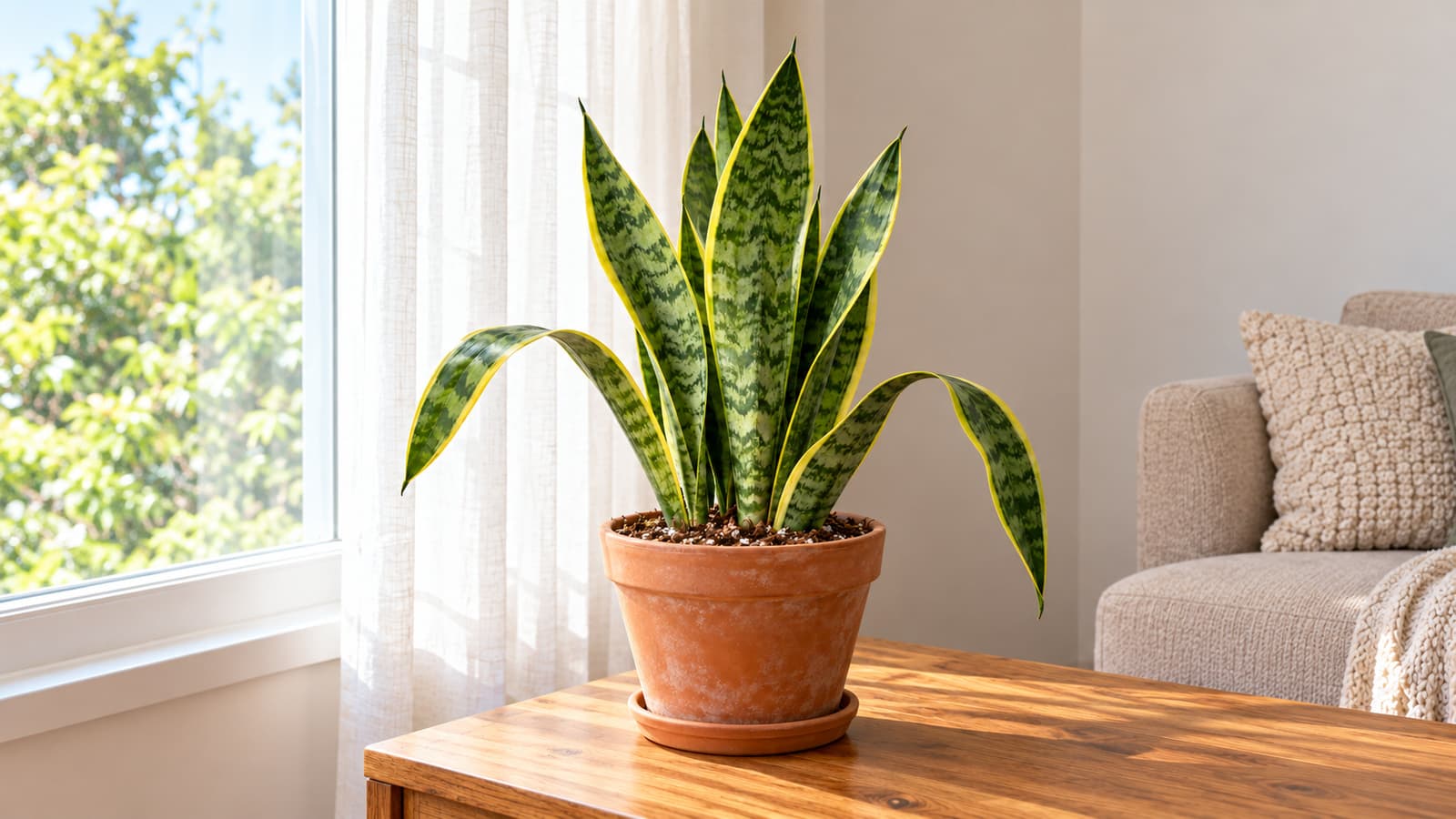
Snake plants (Dracaena trifasciata, the species formerly sold as Sansevieria trifasciata) have a reputation for being indestructible. So when one of yours flops sideways — leaves splaying out like a dropped book — it feels alarming. It shouldn't. A drooping snake plant is a plant under a specific, readable stress. The leaves are telling you what happened; the job is reading them before reaching for the watering can.
Sophie: “It's doing the sad spaghetti thing again.”
Sprouty: “Before you water it out of guilt — feel the base. Soft and soggy, or dry and papery? That one squeeze decides everything that comes next.”
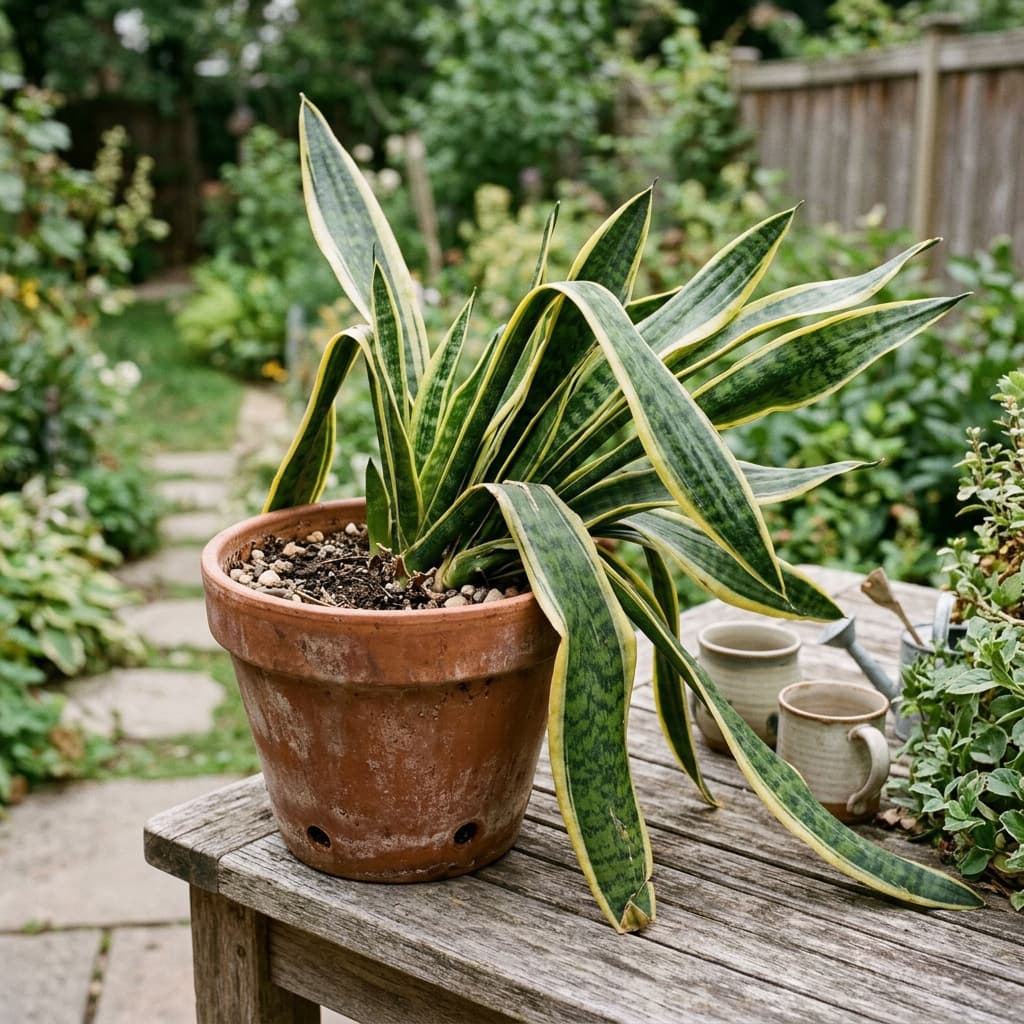
The Two-Second Triage: Wet and Soft, or Dry and Wrinkled?
The way the leaves are drooping tells you what caused it. Watering — or repotting, or moving the plant — before diagnosing is how a bad week becomes a dead plant. This “look before you act” habit is also the core of UC IPM's approach to houseplant problems: match the symptom pattern first, then choose the treatment. Take two minutes and find your row:
| What the leaves look like | Most likely cause | Do NOT do this first |
|---|---|---|
| Soft, mushy at the base; dark discoloration near the soil | 🔴 Root or rhizome rot from excess moisture | Do not water. Do not mist. |
| Thin, wrinkled, slightly papery along the edges; leaning but not mushy | 🟡 Underwatering / dehydration | Water thoroughly today — then drain fully. |
| Leaves firm but fanning outward; pot very tight or roots visible escaping | 🟠 Overcrowded root system — pot too small | Do not fertilize before repotting. |
| Recently repotted; leaves firm but floppy; no rot smell | 🟡 Repotting shock — roots adjusting | Don't repot again. Give it time. |
| Leaves leggy, pale, leaning toward one side; plant near a wall or corner | 🟡 Low light — plant leaning toward the nearest light source | Don't move it into harsh direct sun immediately — transition gradually. |
Bent Leaves Are a Different Problem
Before treating anything, separate two things that look similar: loss of turgor (leaves go limp and floppy but are uncreased) versus mechanical damage (a visible crease, fold, or break in the leaf). Turgor loss can reverse when the cause is fixed. A creased leaf cannot un-crease — the structural tissue is broken, and that leaf will never stand straight again no matter what you do.
Also know what's normal: outer, older leaves on a healthy snake plant angle outward a little. That's posture, not a problem. You're troubleshooting leaves that changed — ones that used to stand firm and now don't.
When to Look at the Roots and Rhizomes
If the base feels soft or the mix is wet and the plant keeps declining, it's time to unpot and look. Slide the plant out gently, supporting the base — don't yank. You're judging firmness of roots and rhizome (the thick underground stem the leaves grow from), not just root color:
- Firm, pale roots and a solid rhizome, no foul odor — the root system is intact. The droop is more likely dehydration, shock, or crowding. Skip root surgery and address the actual cause.
- Brown, mushy roots or soft spots on the rhizome — trim back to firm, healthy tissue with clean scissors. Remove only what's clearly dead; keep everything firm.
- A foul, swampy smell from the soil — worth investigating closely, since it often accompanies rot. But smell alone doesn't confirm a pathogen or tell you how far damage extends — let the firmness of the tissue make the final call.
After trimming, let the cut surfaces air-dry for a while before repotting — fresh wounds in damp soil are an open door. There is no need for home antifungal dustings; clean tools, firm-tissue cuts, and dry wounds matter far more than anything sprinkled on top.
Rot Rescue and Dehydration Care Take Different Roads
If it's rot: rescue, then restraint
Repot into a genuinely fast-draining mix — snake plants store water in their leaves and are succulent by nature, so standard potting soil alone holds far too much moisture for them. A workable recovery mix is roughly half cactus/succulent potting mix with the rest perlite and coarse sand or fine orchid bark for drainage and air.
Then tailor the aftercare to what the plant has left. A plant that just lost roots to trimming is not a candidate for an automatic deep watering the next day. Let cut surfaces dry and callus, and base any watering on the remaining healthy roots and the actual moisture in the new substrate — when in doubt after surgery, wait. A root-disturbed plant recovers on benign neglect, not attention: no fertilizer, no misting, no repotting again.
If it's dehydration: water like you mean it
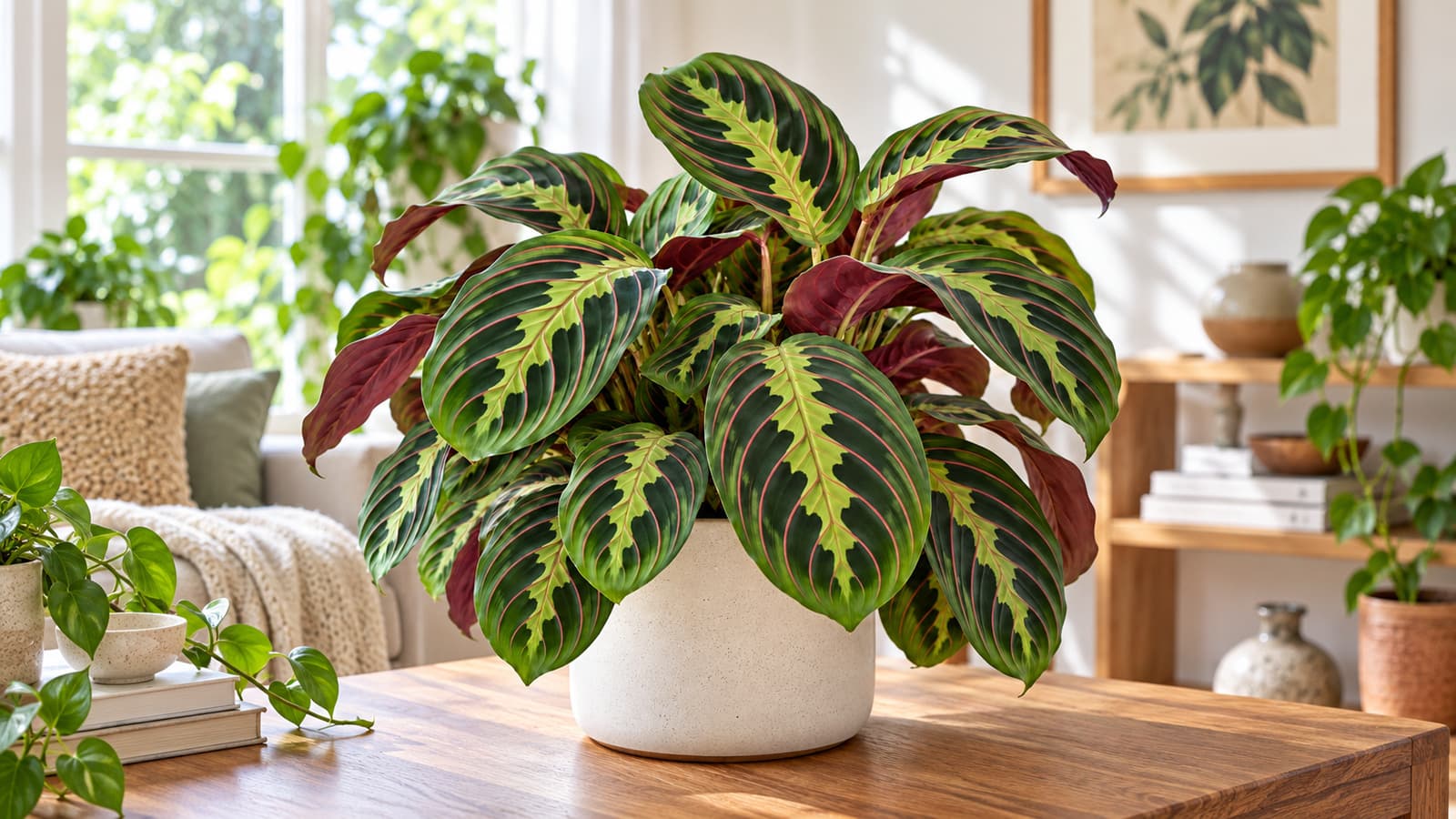
Set the pot in a tray of room-temperature water and let it absorb from the drainage holes upward until the root zone is evenly moist — this beats dribbling water over compacted dry mix from above. Drain fully; never leave it sitting in standing water. Leaves firm up as turgor returns. If your instinct is to water houseplants often, aim that instinct at plants that enjoy it — calatheas and prayer plants are the thirsty ones. Snake plants punish a heavy hand.
A Seven-Day Observation Log (Not a Cure Countdown)
Seven days won't reliably cure a drooping snake plant — but seven days of structured watching will tell you whether your diagnosis was right. Use this as a monitoring log, not a promise:
- Day 1 — diagnose and take the correct first step. Triage table above, root inspection if the base is soft, and only the action that matches: rescue repot for rot, deep watering for dehydration, patience for shock.
- Days 2–3 — stabilize. Bright indirect light, a spot away from cold drafts and heat vents, and hands off. Note the starting lean with a photo so you're comparing honestly later.
- Days 4–5 — check root-zone moisture. Push a finger or a wooden skewer deep into the pot — the surface tells you nothing. Water only if the root zone is actually dry, and only as much as the plant's condition calls for.
- Days 6–7 — assess, don't celebrate prematurely. Firmer leaves than Day 1? No new soft spots or spreading discoloration at the base? Those are meaningful signals. Still mushy or smelling off? The rot was deeper than the first trim caught — inspect again rather than waiting hopefully.
What Recovery Actually Looks Like
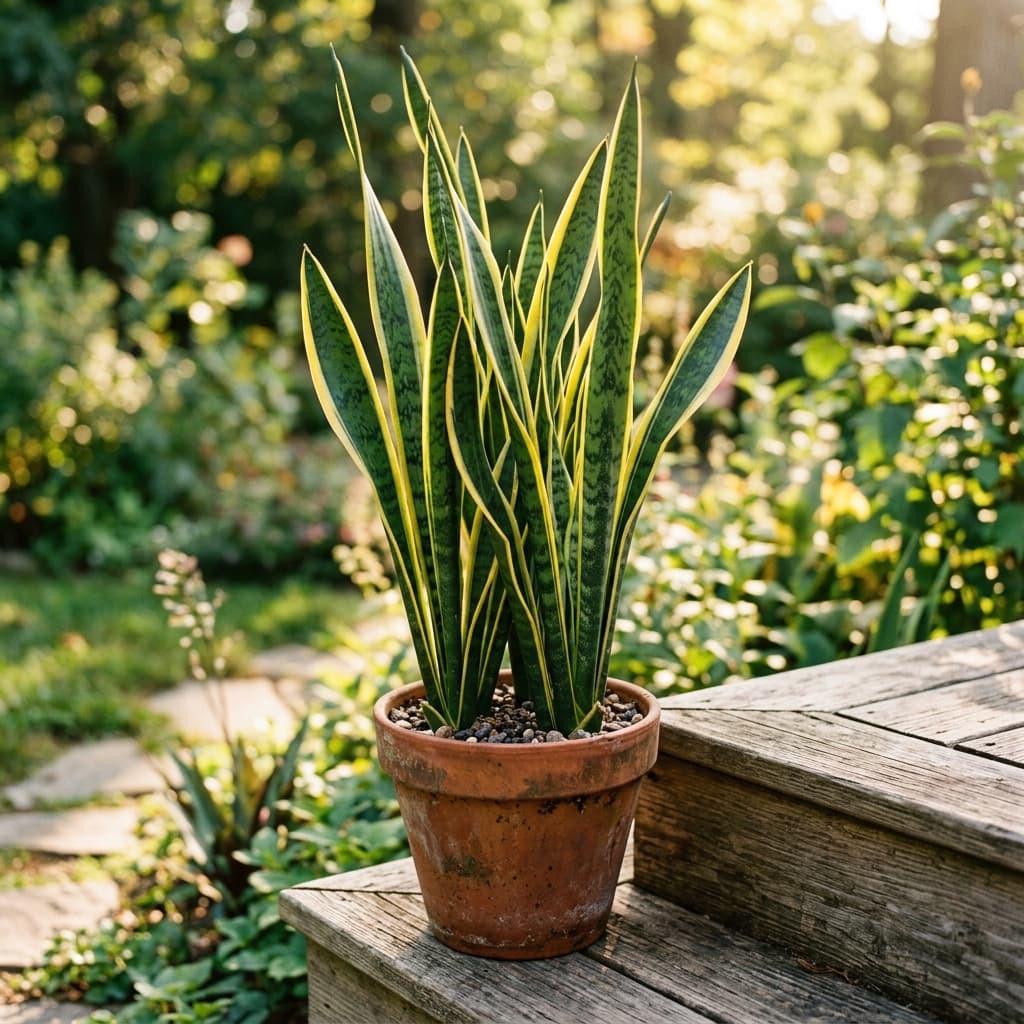
Here's the reframe that matters: recovery means healthy new growth, not perfect posture on a deadline. Leaves that went limp from turgor loss often firm up and lift as the plant rehydrates and roots re-establish — but slowly, and sometimes only partway. Leaves that were creased, rotted at the base, or badly damaged will never straighten; the plant's energy goes into new leaves instead, and those emerge firmly upright.
Judge progress by firmness and by what's emerging from the center, not by whether every old leaf is vertical again. A plant pushing stiff new growth while old leaves stay angled is recovering. A plant with a still-mushy base is not — regardless of what the calendar says.
Keep It From Happening Again
| Habit | Why it matters |
|---|---|
| Water only when the root zone is dry — check deep in the pot, not just the surface | Snake plants store water in their leaves. Surface dryness tells you nothing about the roots; watering on a surface check is how rot starts. |
| Always use a pot with drainage holes | Decorative pots without drainage trap water at the root zone. Even correct watering causes rot in a pot with no exit. |
| In winter, water far less often — and always check first | Growth slows in low light and cool temperatures, so the plant uses almost no water. Summer watering habits carried into winter start most cold-season rot. |
| Rotate the pot a quarter turn now and then | Prevents the slow lean toward a light source that becomes a droop over months. |
| Keep it away from cold drafts; chill damage softens leaves | Cold-softened leaf tissue collapses even without a watering problem. A spot above roughly 13°C / 55°F and out of the path of AC vents avoids it. |
Questions Readers Ask
Will my droopy leaves stand back up?
Leaves that went limp from dehydration or mild stress often firm up and lift as turgor returns — partially or fully, over days to weeks. Leaves that are creased, folded, or rotted at the base will not straighten. Watch the new growth: stiff, upright new leaves are the real sign of recovery.
Should I water right after cutting off rotten roots?
No — not automatically. Let the cut surfaces dry and callus first, then water based on what healthy roots remain and how moist the fresh substrate is. Drenching a freshly trimmed root system is one of the fastest ways to restart the rot you just removed.
How can I tell rot from underwatering without unpotting?
Feel the base of the leaves where they meet the soil, and check the mix a few inches down. Soft, mushy base + damp mix = suspect rot, do not water. Firm base + bone-dry mix + thin, wrinkled leaves = dehydration, water thoroughly. If the base is soft and you're unsure, unpot and check — guessing wrong in either direction costs the plant.
Some leaves are turning yellow too — is that the same problem?
Not necessarily. Yellowing can be a separate issue — overwatering, natural aging of outer leaves, or something else entirely. Sprouty's guide on why plant leaves turn yellow can help you separate the root cause from secondary symptoms before you start treatment.
🌿 Sprouty's Snake Plant Summary
A drooping snake plant is asking for a diagnosis, not a drink. Feel the base, check the root zone, and match the fix to the cause — rot rescue and dehydration care are opposite treatments, and mixing them up is what kills plants. Then give it stable light, correct moisture, and time. New firm growth is the victory, even if a few old leaves never stand at attention again.
Sources
- NC State Extension: Dracaena trifasciata — species identity and cultural requirements.
- UC IPM: Houseplant Problems — distinguishing moisture, light, and pest issues by symptom pattern before treating.