

Grow Smarter with
SproutySpeaks
Fall is for cleanup and planting spring bulbs. Prepare your garden for winter! Expert-backed gardening tips, seasonal guides, and plant care wisdom — all curated by your friendly plant doctor, Sprouty!

Free · no account · printable
Free Sprouty garden tools
Latest from Sprouty
Fresh articles, tips, and guides published every week.
 plant-guides
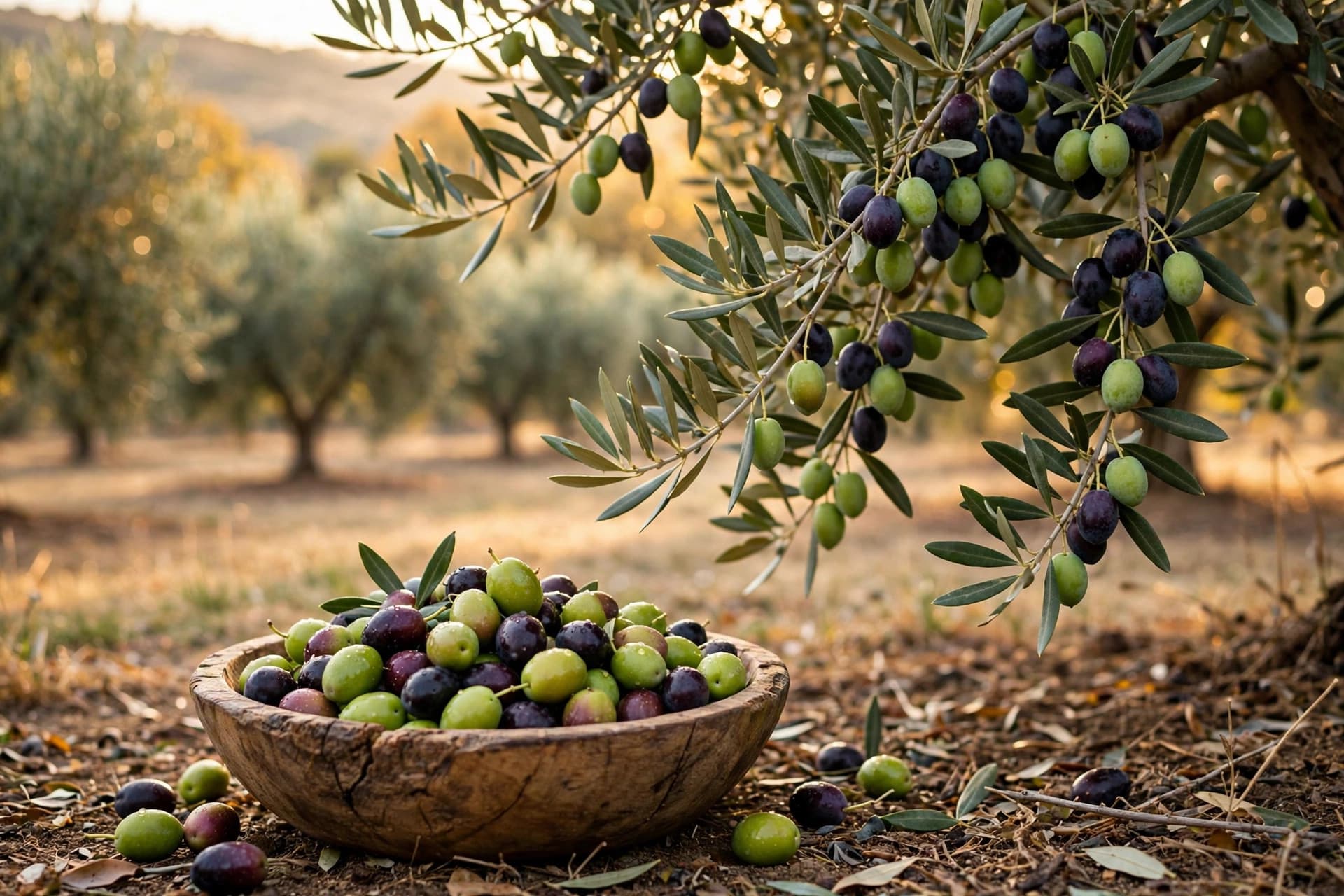
Can You Eat Olives Straight Off the Tree?
No — a raw olive is inedibly bitter, not unripe. Oleuropein makes the fruit unpalatable until curing breaks it down. Here is the California harvest calendar, the squeeze tests for ripeness, and the four curing methods — with UC's safety rules for lye, spoilage, and canning.
 Sprouty
 plant-guides
How Do You Care for a Home Greenhouse Year-Round?
A home greenhouse is a solar trap that overheats by day and chills by night — care is a daily rhythm of morning venting and watering, midday heat escape, and a thermostat-triggered heater plus water-barrel thermal mass at night. Here's which types suit a home, which heater to buy, what can live inside year-round, and why herbs are the perfect first crop.
Sprouty plant-guides
Why Are Marigolds the Flower of Day of the Dead?
Marigolds are Día de los Muertos' flower because, per tradition, their blazing color and strong scent guide returning souls home along a path of petals. Here's the spirit-guide story, the Nahuatl name, and how California gardeners can grow cempasúchil for next year's ofrenda.
Sprouty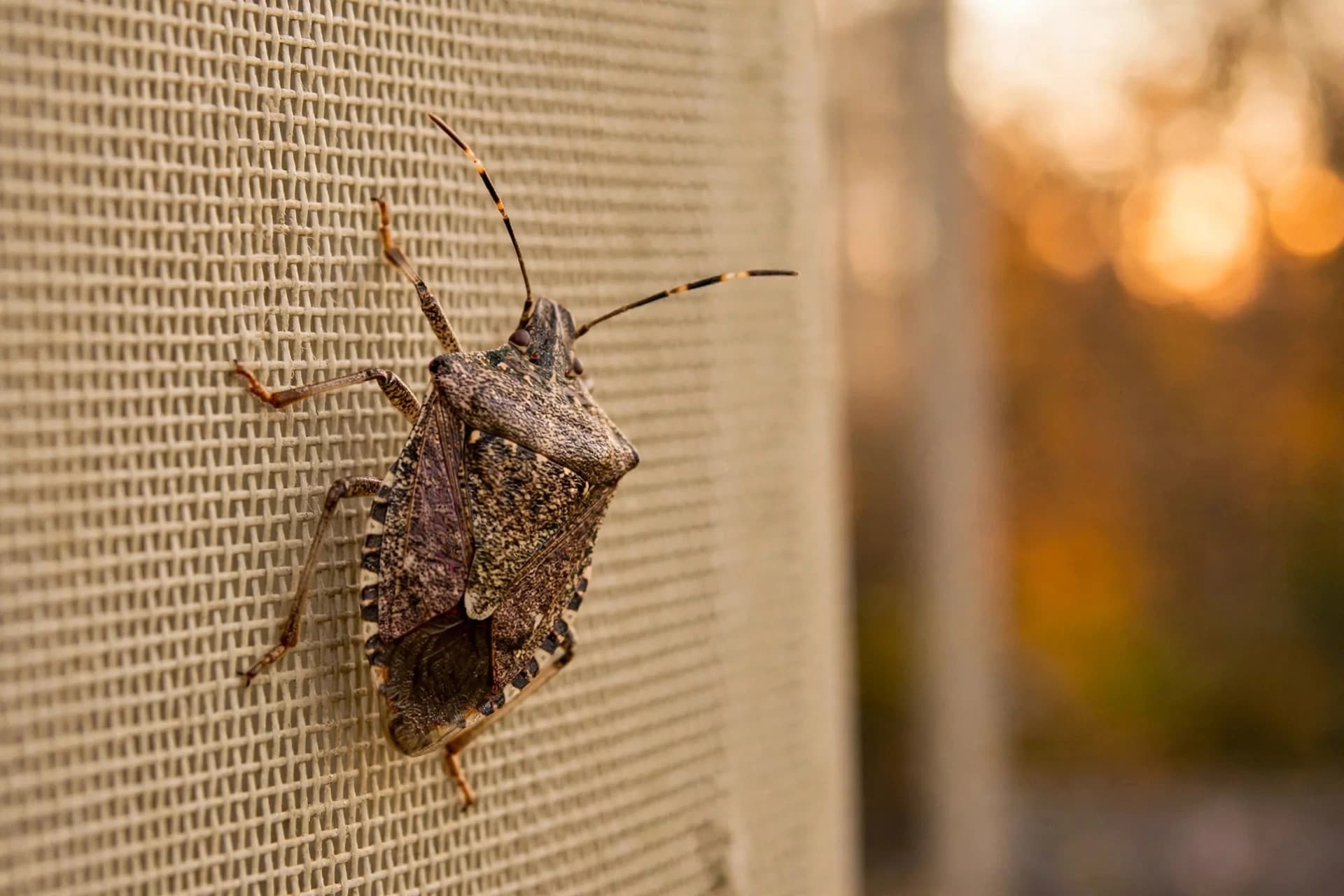 pest-control
Why Are Stink Bugs Invading Your Home Right Now?
Brown marmorated stink bugs are moving into homes right now to overwinter — not to eat, breed, or bite. Here's why it happens every fall, why you should never crush them indoors, and how sealing entry points now stops the invasion.
Sprouty plant-guides
When Will the Corpse Flower Bloom at UC Santa Cruz?
UC Santa Cruz's corpse flower (Amorphophallus titanum) is expected to bloom within days of Halloween 2026 — only its second bloom since 2012. The smelly spectacle lasts about 24 hours, so check the Arboretum's official page before driving over.
Sprouty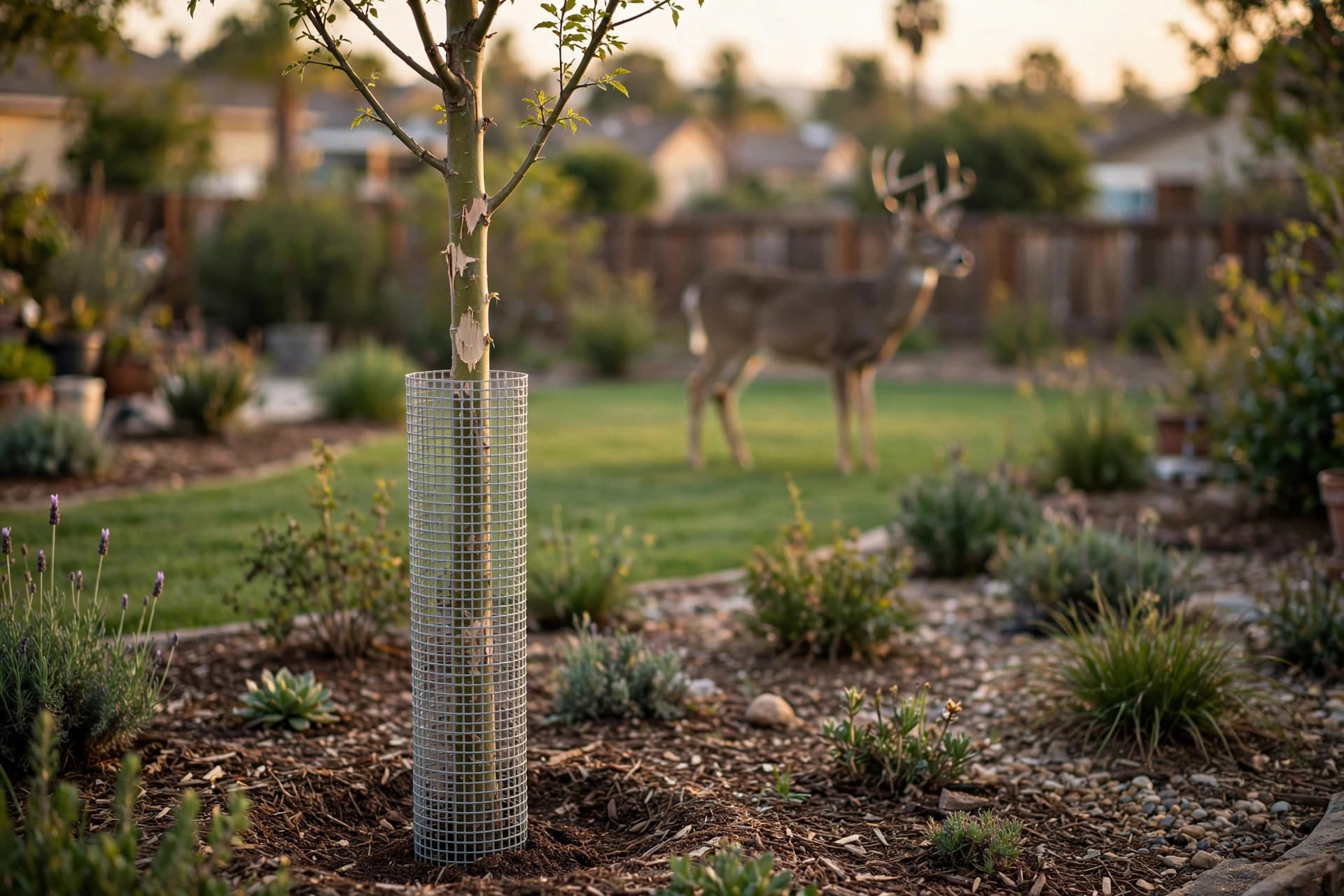 pest-control
How Do You Protect Young Trees From Deer Antler Rubbing?
Wrap the trunk. A rigid guard or wire cylinder from the soil line up at least 4 feet is the only proven way to stop a buck from shredding your young tree's bark during the fall rut — repellents don't stop rubbing. Here's exactly how, and why one night is enough to kill a tree.
SproutyIn season now
Sprouty's timely reads for this time of year.
 Growing Tips
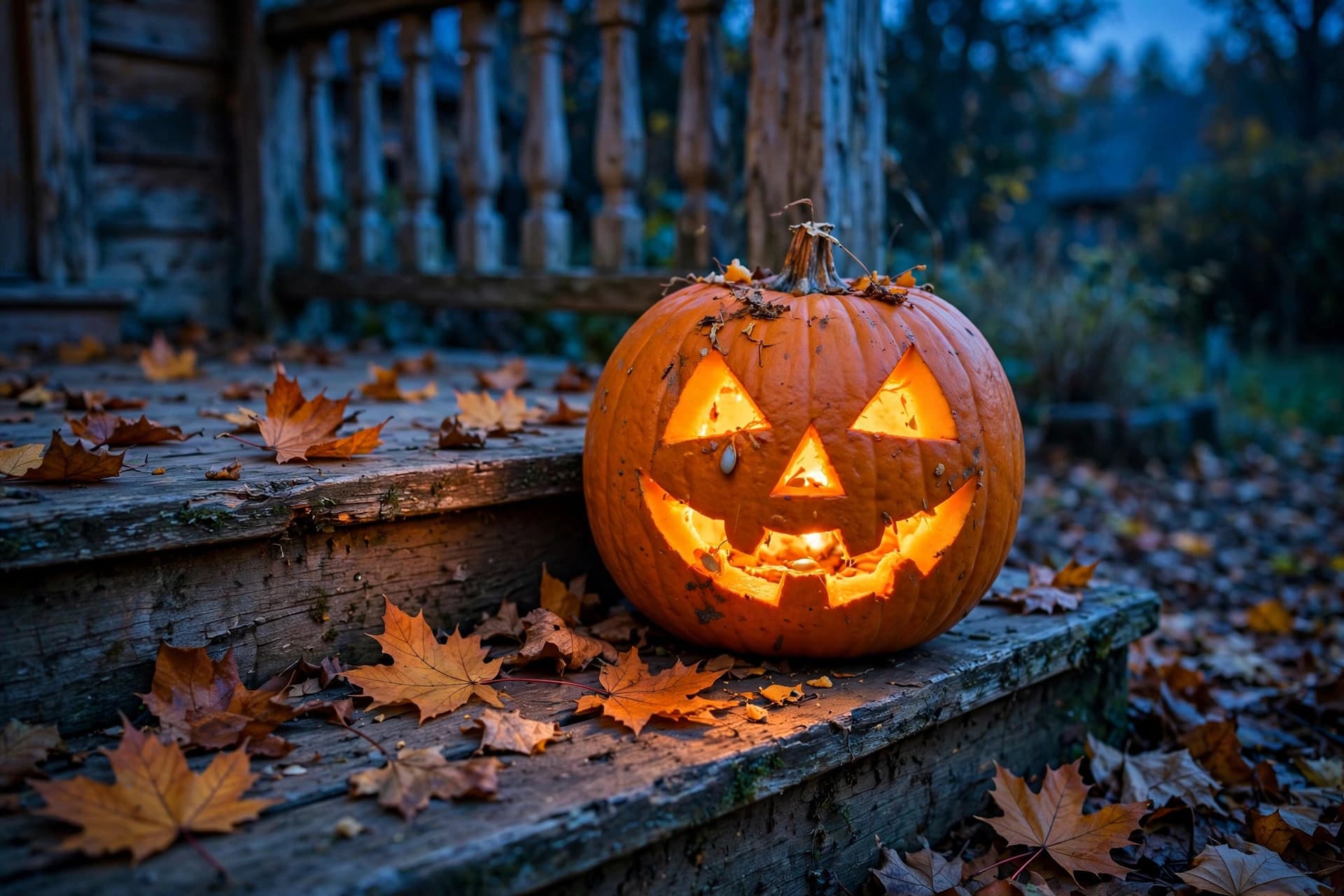
How Do You Keep a Carved Pumpkin From Rotting Before Halloween?
An untreated carved pumpkin collapses within 3 to 5 days, but carving 8 to 10 days before Halloween paired with a 10 percent bleach spray, petroleum jelly on cut edges, and an LED light extends freshness to 8 to 11 days.
Sprouty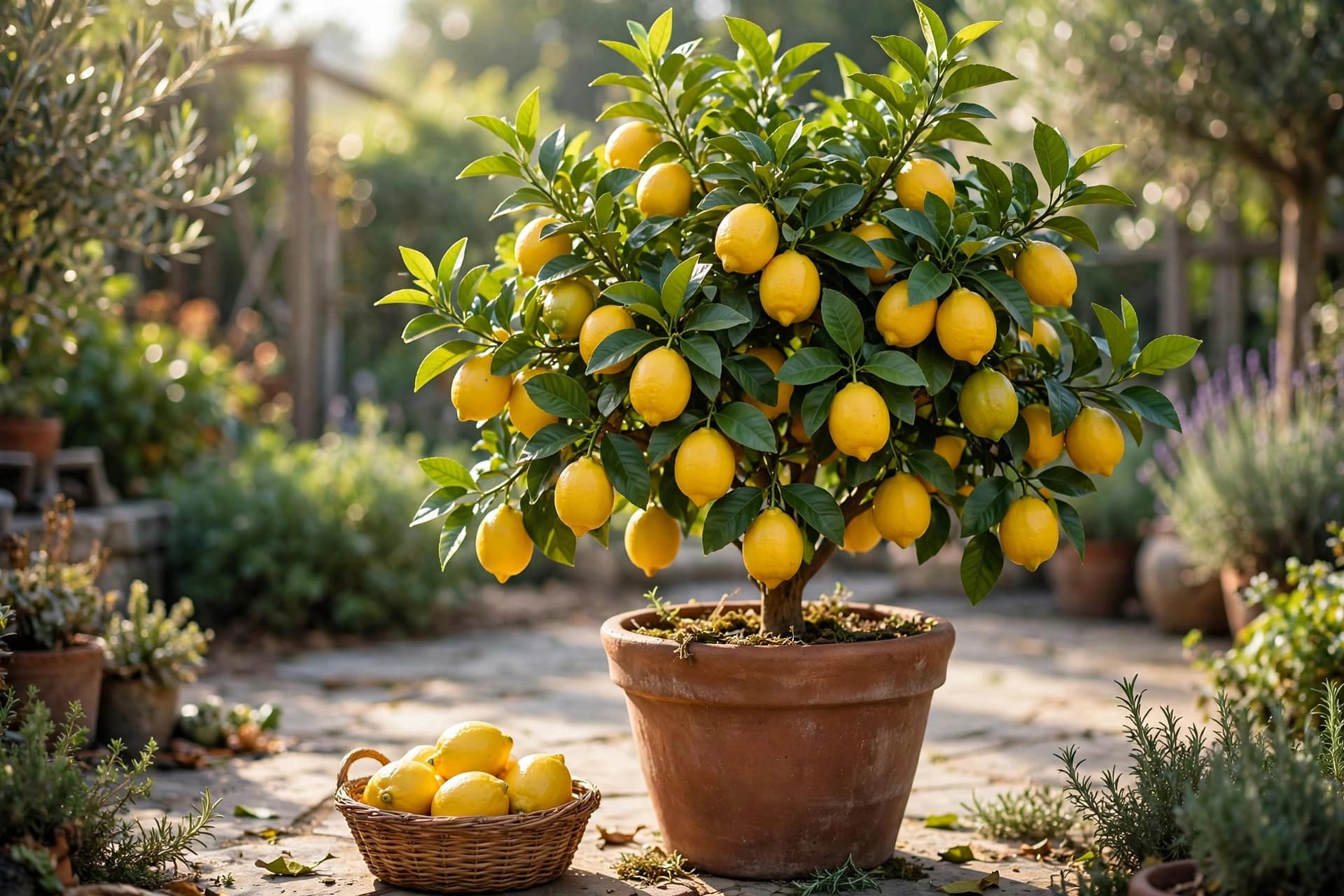 plant-guides
How to Grow Lemons at Home for Homemade Lemonade
Yes, you can grow lemons at home — a grafted Meyer lemon in a pot needs 6+ hours of sun, deep water when dry, and citrus food spring to fall. Here's the full path from blossom to a real glass of homemade lemonade.
Sprouty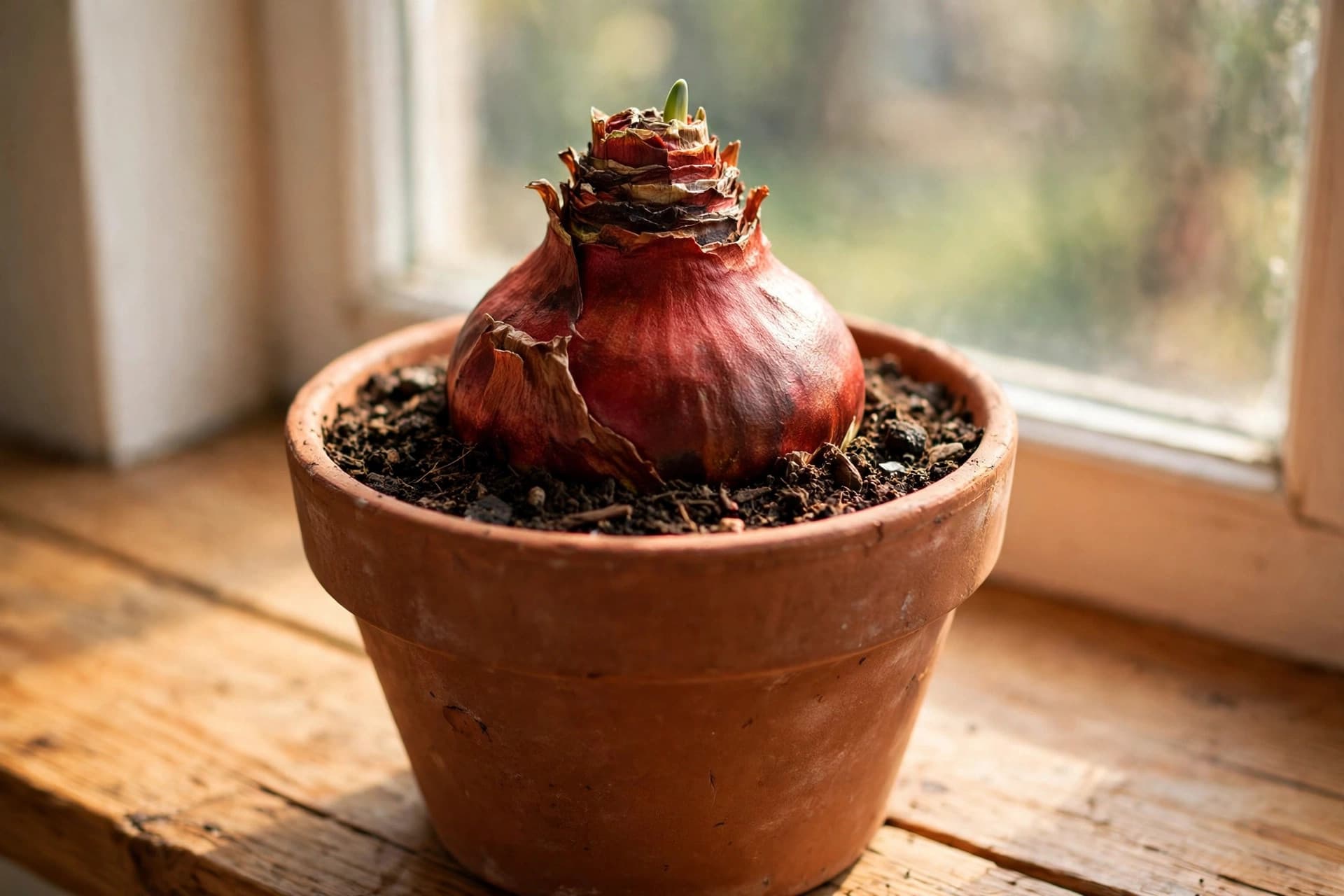 Seasonal
When Should You Plant Amaryllis Bulbs for Christmas Blooms?
Amaryllis needs 6 to 8 weeks from planting to bloom and — unlike tulips — no chilling period at all. Plant a large, firm bulb this week with the top third exposed, and you'll have Christmas flowers.
Sprouty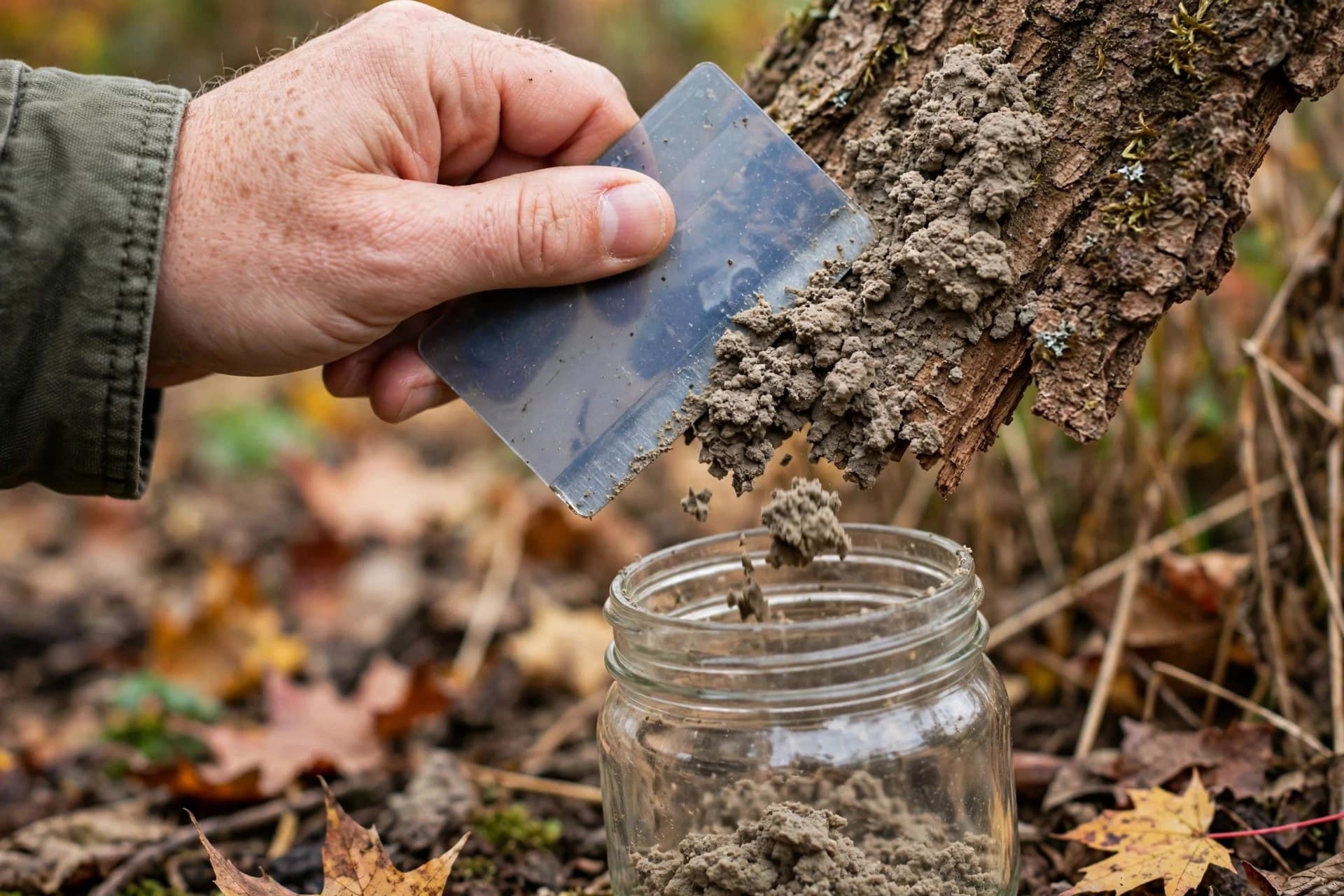 pest-control
Should You Scrape Spotted Lanternfly Egg Masses Off Your Trees in October?
October is peak egg-laying season for spotted lanternflies. Scrape reachable masses into rubbing alcohol now — each one destroys up to 50 next spring's lanternflies.
Sprouty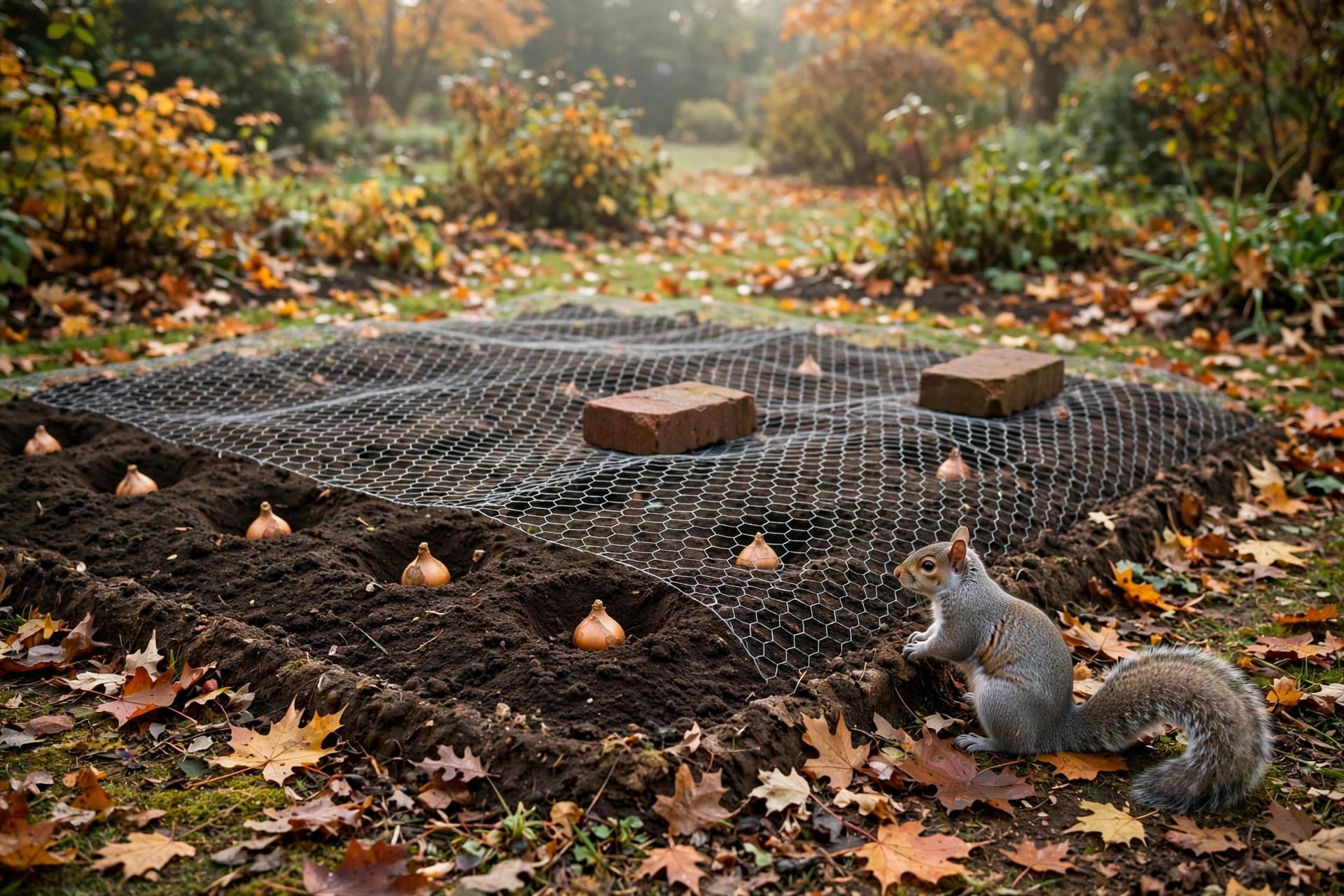 Seasonal
How to Stop Squirrels From Digging Up Tulip Bulbs
Squirrels raid freshly planted tulip bulbs within days. Iowa State Extension's top defense: lay chicken wire over the bed and plant 6–8 inches deep.
Sprouty
Join Sprouty's Garden Club 🌱
Get weekly gardening tips, seasonal planting reminders, and exclusive guides delivered straight to your inbox. No spam, just sprouts!