
Soil & Fertilizer
Master the science of soil health, composting, and plant nutrition.
Soil & Fertilizer guides
Understanding Soil pH: The Complete Guide
What soil pH really means, how to test it, how to fix it, and which plants thrive at which levels - everything you need to grow happier, healthier plants.
 Soil & Fertilizer
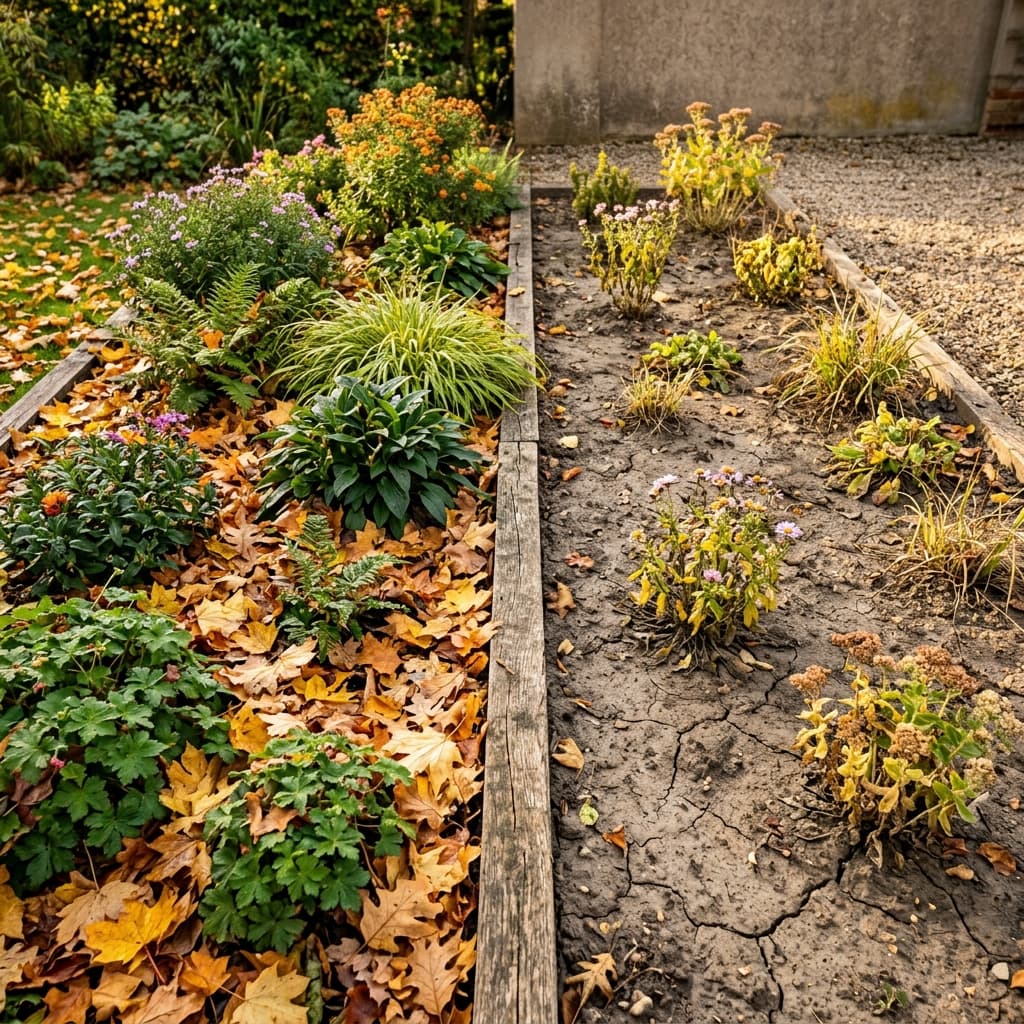
Don't Rake Healthy Fallen Leaves: They Are Winter Mulch (Only Bag the Diseased Ones)
Healthy fallen leaves feed the soil and hold moisture. Only bag the diseased ones. Here is the fall cleanup split between winter mulch and yard waste.
 Sprouty
 Soil & Fertilizer
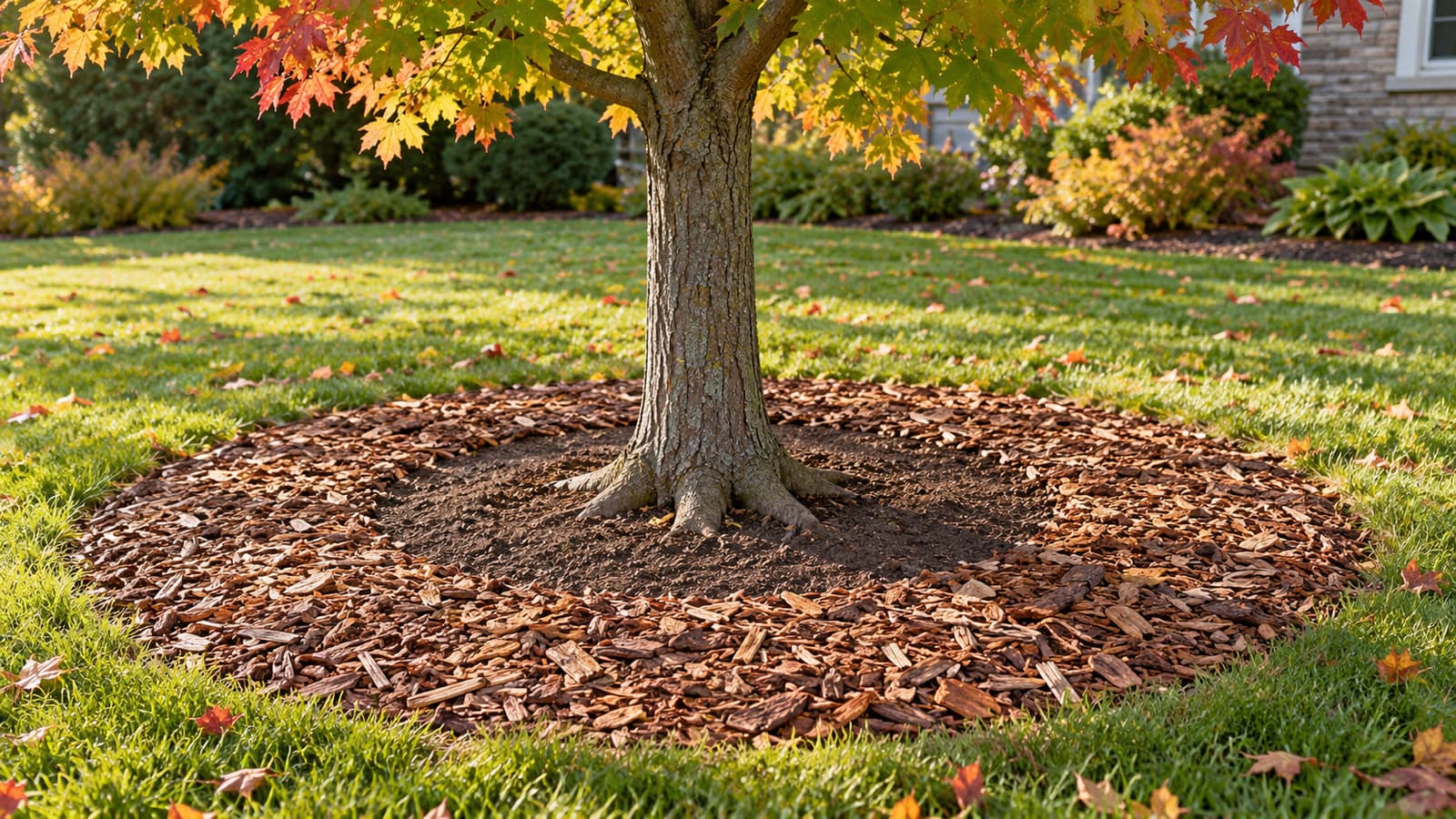
Mulch Volcanoes: How to Mulch Around Trees Safely
Learn how to fix a mulch volcano, keep the root flare visible, choose the right mulch depth, and spot problems that need an arborist.
Sprouty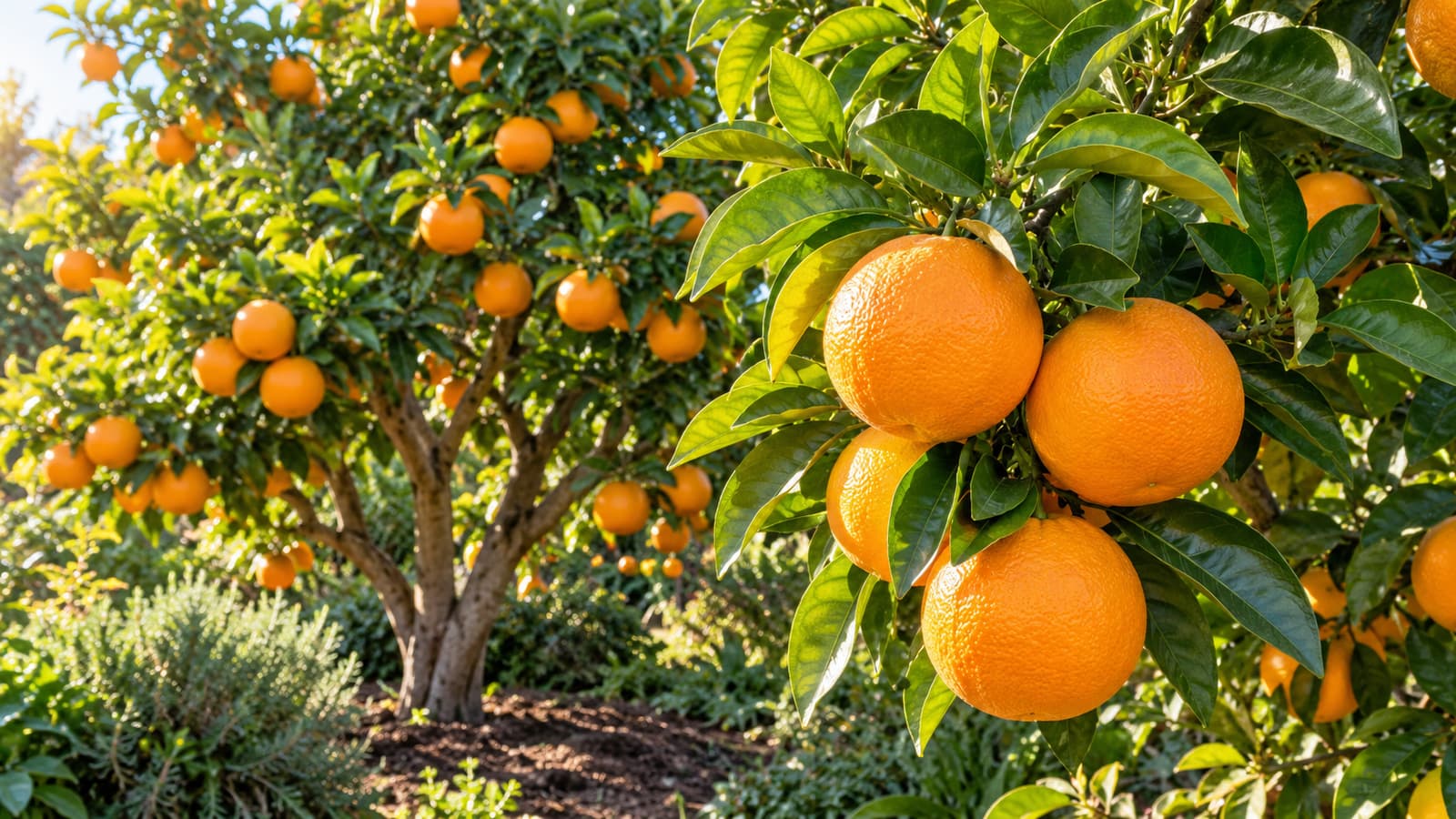 Soil & Fertilizer
Should You Fertilize Citrus in Fall? Climate and Frost Matter
Learn why late nitrogen can increase citrus frost risk, how feeding schedules vary, and what yellow leaves may mean before you fertilize.
Sprouty Soil & Fertilizer
Can You Compost Diseased Plants? Why Heat Alone Isn't Enough
Find out why diseased plants need special compost handling, why one temperature reading is not enough, and when local disposal is the better choice.
Sprouty Soil & Fertilizer
Wait for Cool Soil to Mulch and You Miss the Warm-Soil Window: Why Mulching at 55–65°F Extends Fall Growth
Waiting until frosty mornings arrive to mulch your garden? You're unintentionally shutting down your fall harvest weeks too early. Mulch isn't an electric heater—it's a thermal insulator. When applied while soil is still warm (~55–65°F), organic mulch traps residual summer heat, keeping root zones active, microbes cycling nutrients, and cool-season crops expanding. Wait until soil cools below 50°F, and you lock the cold in. Here is the soil physics behind the warm-soil window and how to mulch right now.
Sprouty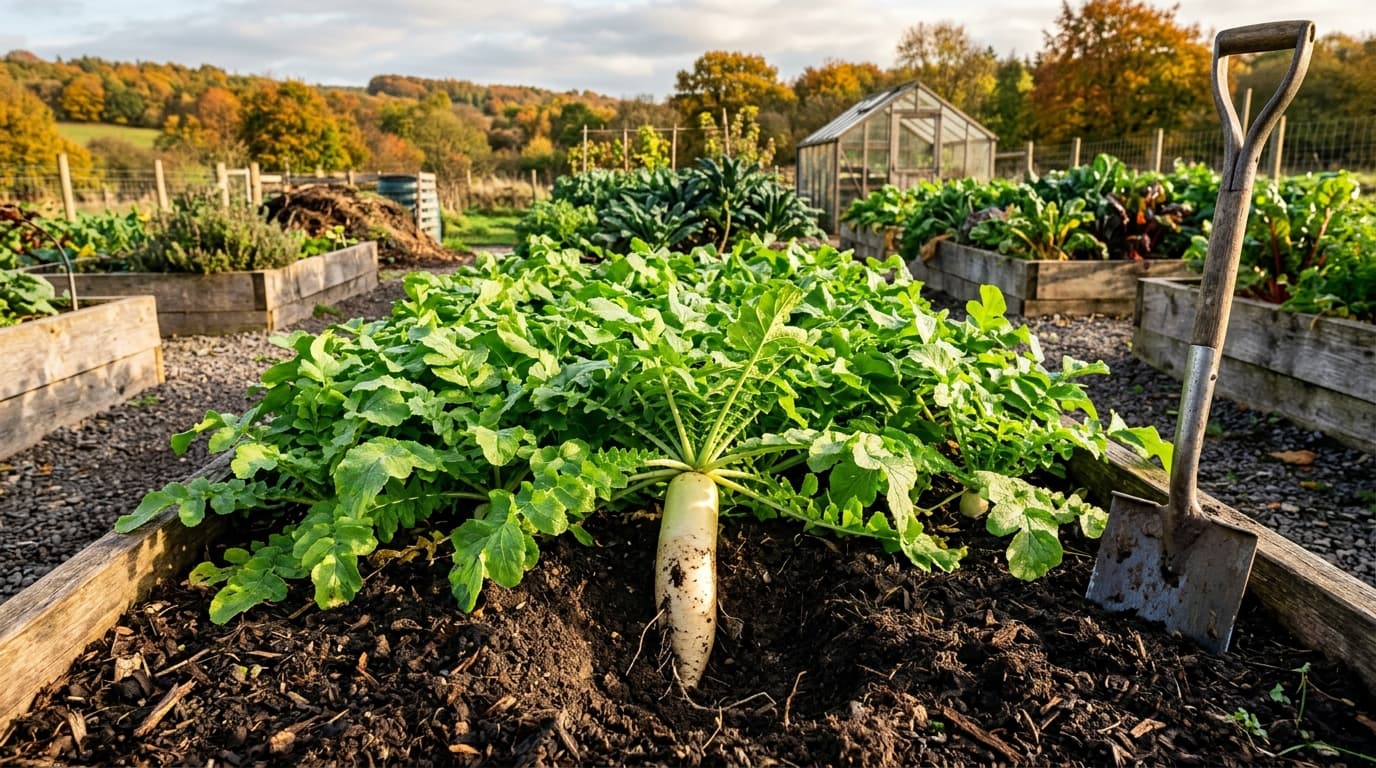 Soil & Fertilizer
Wait Until November to Sow Daikon Cover Crop and You Miss the Soil-Breaker Window: Why Bio-Drilling Demands Sept–Oct Sowing
Planning to use Daikon radish as a cover crop to break up compacted clay and hardpan? If you wait until November, you have missed your window. Daikon acts as a biological drill, but it requires 6 to 8 weeks of warm early-autumn soil and sunshine to punch its massive 18-inch taproot deep into subsoil. Sowing in November yields puny pencil-thin roots that do zero aeration for spring beds. Here is the botany of bio-drilling, the thermal math of fall growth, and the exact sowing protocol for fluffy spring garden beds.
Sprouty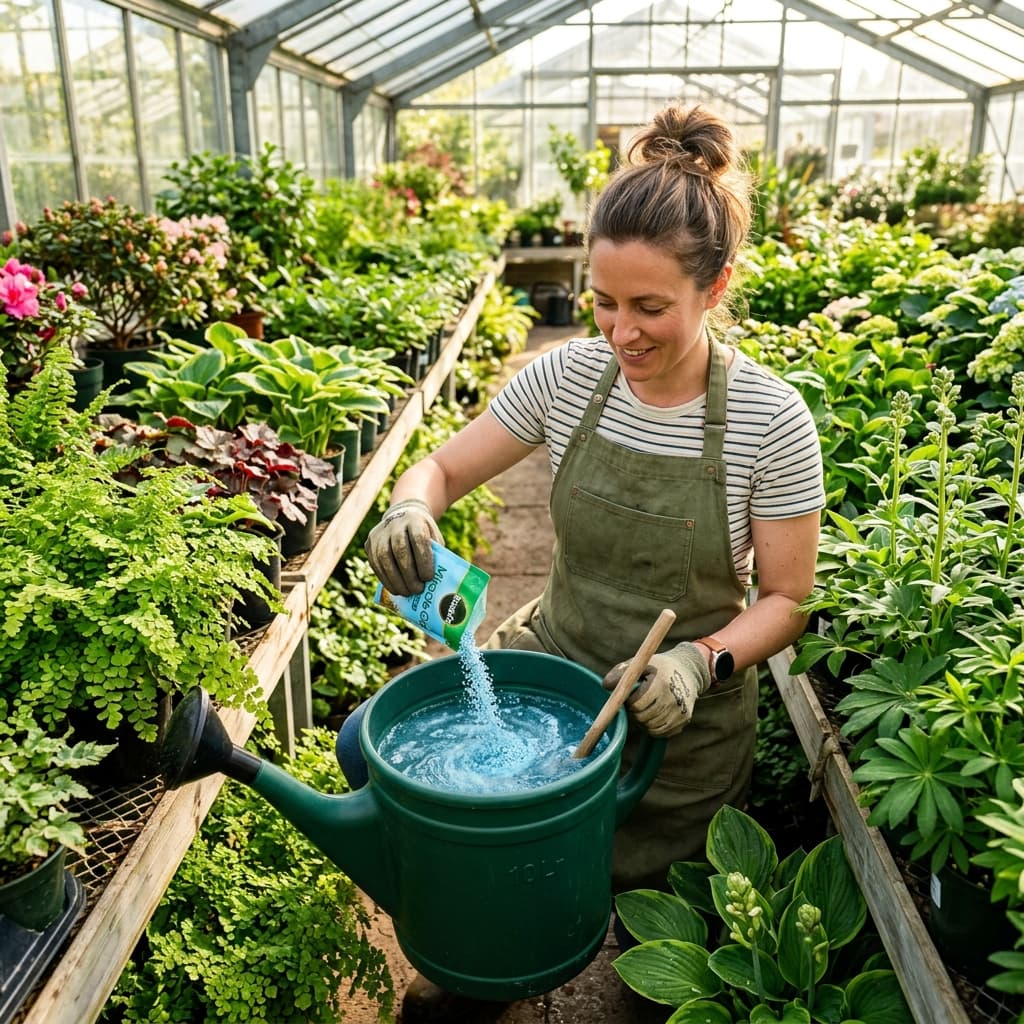 Soil & Fertilizer
The Fertiliser Trick Professional Nurseries Use for Massive Spring Growth (And Why Nobody Tells You)
Walk into any professional nursery in spring and the plants look almost unfairly good. Dense. Full. Bursting with new growth. Your garden centre granules are sitting on your shelf at home and you're wondering what they know that you don't. Here's the answer — and it's simpler than you'd expect.
Sprouty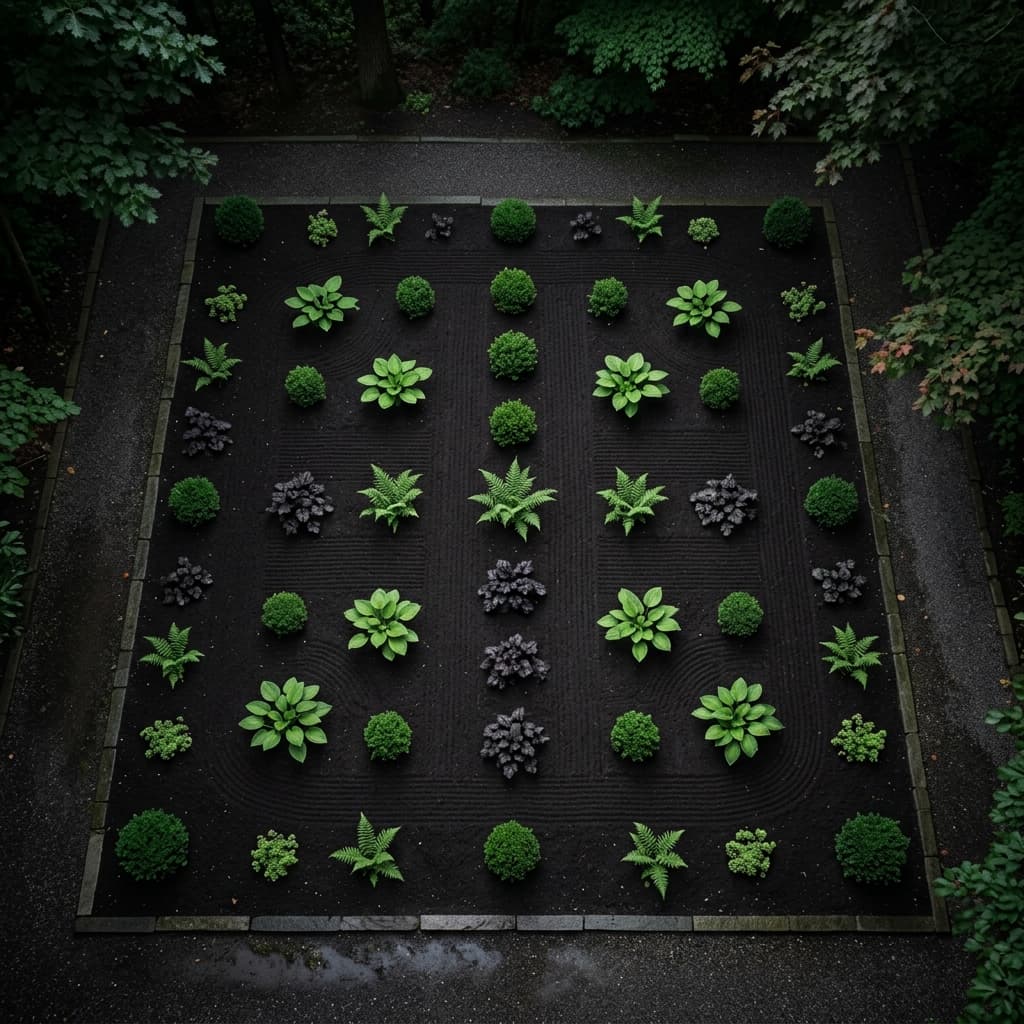 Soil & Fertilizer
Why You Must Stop Removing Dead Leaves to Save Your Garden Soil
Every autumn, gardeners rake up perfectly good organic matter and pay to have it carted away — then spend money on bagged compost to replace it. Sprouty is here to tell you: those dead leaves are free fertilizer, and here's the simple science of why you should stop removing them.
Sprouty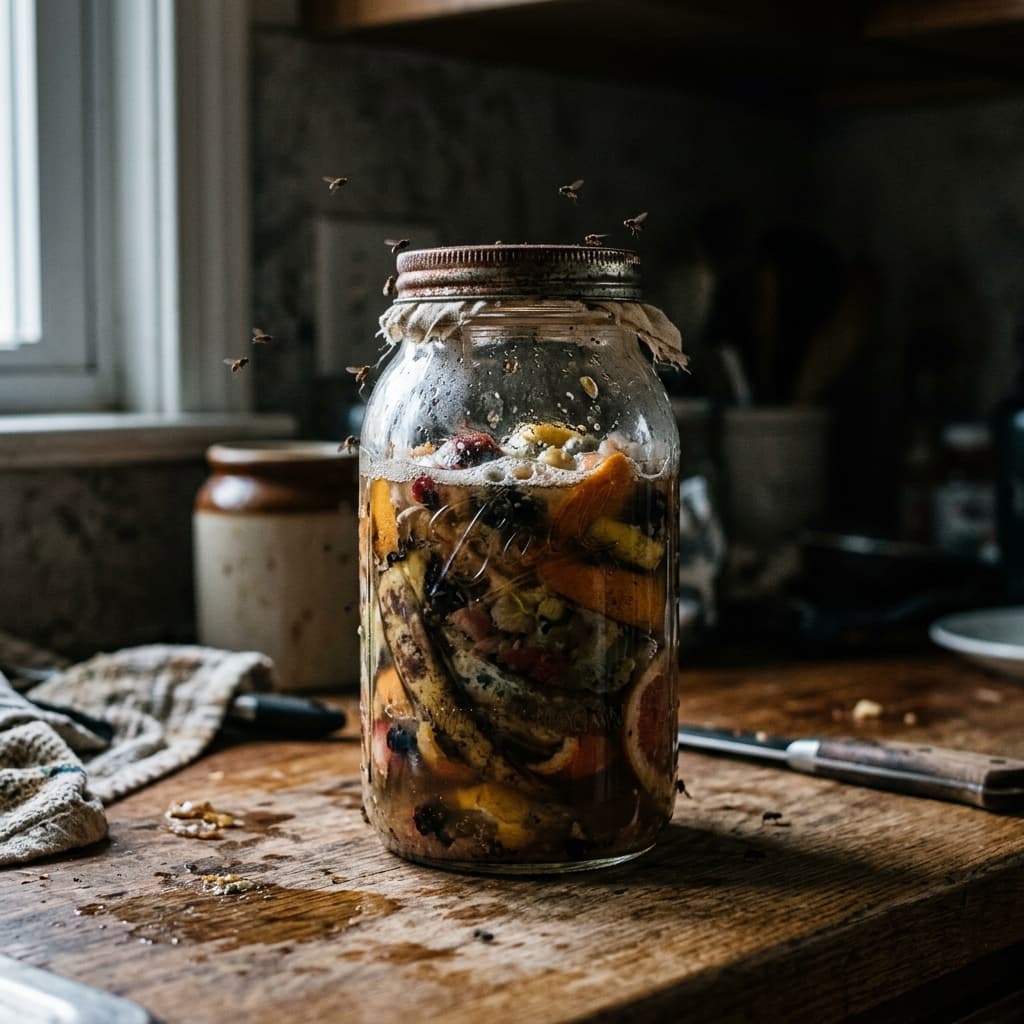 Soil & Fertilizer
TikTok's "Fruit Peel Fertilizer" is Just an Invitation for a Kitchen Roach Infestation
That viral hack where you soak banana skins and citrus peels in water to feed your plants? Sprouty looked into it — and what's actually brewing in that jar isn't fertilizer. It's a five-star roach buffet. Here's the truth behind the trend.
Sprouty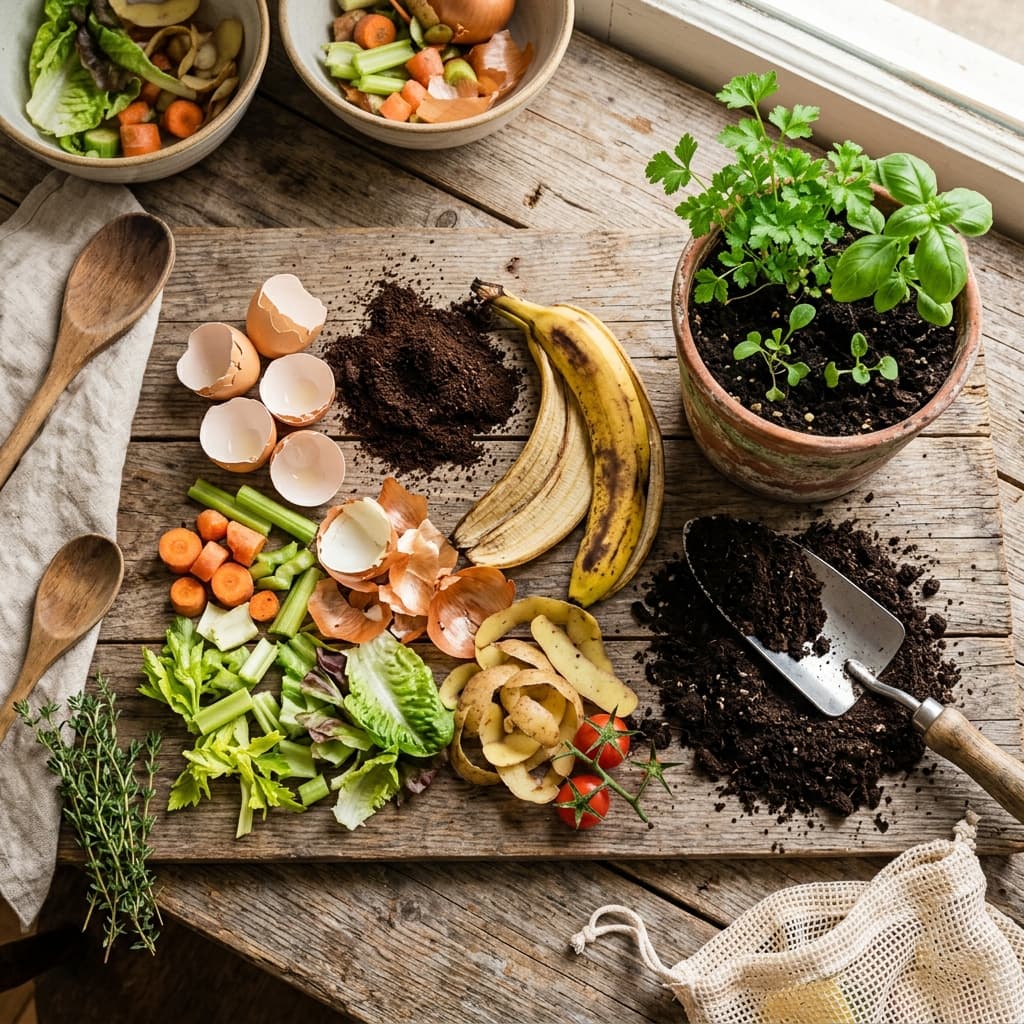 Soil & Fertilizer
The Ultimate Zero-Waste Garden Hack for 2026: No-Cost Nutrient Boost
Your kitchen trash is hiding the best fertilizer you've never bought. Here's how to turn everyday scraps into a powerful, free nutrient boost your plants will love — no compost bin required.
Sprouty