HomeBlogResourcesSeasonal TipsAbout
🌸

Spring Gardening Guide

Spring is the most exciting season in the garden β€” a fresh start full of possibility. Here's your complete, month-by-month playbook for a thriving spring garden.

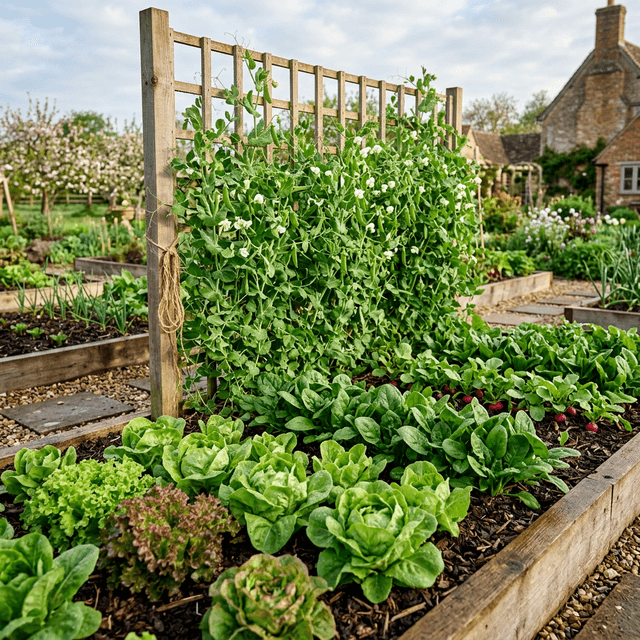
Lush spring garden with lettuce, peas, and radishes in raised beds
Sprouty

🌱 Sprouty's Spring Reminder

All gardening is local! These tips are general guidelines β€” always check your specific USDA hardiness zone and local frost dates for the most accurate planting schedules.

🌱

Start Seeds Indoors

⏱ Early Spring β€” 6–10 weeks before last frost
Tomato and pepper seedlings in trays under grow lights

Getting a head start indoors is one of the highest-return activities in spring gardening. Tomatoes, peppers, and eggplant need a long season β€” starting them inside gives you a 6–8 week advantage over direct sowing.

1
Choose the right containers

Use 72-cell plug trays for beginners, or 4" pots for single plants. Bottom drainage is non-negotiable β€” waterlogged soil kills seedlings fast.

2
Use seed-starting mix

Never use garden soil. A proper seed-starting mix is fine-textured, pathogen-free, and holds moisture without compacting. Look for blends with perlite for drainage.

3
Sow at the right depth

Tiny seeds (basil, lettuce) need light β€” press onto the surface. Tomatoes and peppers go ΒΌ" deep. Squash and cucumbers go ½–1" deep.

4
Provide bottom heat

Germination is dramatically faster at 70–80Β°F soil temperature. Use a seedling heat mat under trays until sprouts appear, then remove it.

5
Light is everything

A sunny south-facing window rarely delivers enough. Aim for 14–16 hours of light daily with a full-spectrum LED grow light kept 2–4" above seedlings.

6
Harden off before transplanting

One week before transplant time, place seedlings outdoors in a sheltered spot for 1 hour the first day. Increase by 1 hour daily until they're outside all day.

TimingWhat to Start
10 wks before LFDPeppers, Eggplant
8 wks before LFDTomatoes, Parsley
6 wks before LFDBasil, Celery, Leeks
4 wks before LFDCucumbers, Squash, Melons
2 wks before LFDBeans, Corn (optional)

πŸ“ LFD = Last Frost Date. Find yours at the USDA Plant Hardiness Zone map.

πŸ’‘
Pro Tip: Leggy seedlings? Your light is too far away or on too few hours. Lower it to within 3" of the tops and run it 16 hours.
TomatoesPeppersEggplantBasilMarigoldsCelery
πŸ₯¬

Direct Sow Cool-Season Crops

⏱ Very Early Spring β€” 4–6 weeks before last frost
Spring garden with peas on a trellis, lettuce, and radishes

Cool-season crops are the unsung heroes of early spring. They can be planted weeks before your last frost date and actually taste better when grown in cooler temperatures. Most will bolt (go to seed) in summer heat, so get them in as early as the soil can be worked.

1
Test if soil is workable

Grab a handful of soil and squeeze. If it crumbles when you open your hand, it's ready. If it stays as a ball or smears, wait a week and test again.

2
Build a simple trellis for peas

Install a 5-foot wire trellis or netting before sowing peas. It's much easier before they sprout. Sugar snap and snow peas climb to 3–5 feet β€” give them structure.

3
Sow in succession

Rather than planting all your lettuce at once, sow a short row every 2 weeks. This gives you a continuous harvest rather than a giant glut all at once.

4
Thin mercilessly

Most gardeners under-thin seedlings. Lettuce needs 6–12", carrots need 2–3", and radishes need 2". Overcrowding causes stunting and disease β€” thin to the proper spacing.

5
Protect from late frosts

Keep a roll of floating row cover on hand. It buys 4–6Β°F of frost protection and can be laid directly on plants without hoops. Uncover on warm days above 40Β°F.

TimingWhat to Start
6 wks before LFDPeas, Spinach, Favas
4 wks before LFDLettuce, Radishes, Swiss Chard
3 wks before LFDCarrots, Beets, Parsnips
2 wks before LFDDill, Cilantro, Arugula
After LFDBeans, Basil, Squash

πŸ“ Sow a second round of cool-season crops in late summer for a fall harvest.

πŸ’‘
Pro Tip: Struggling with carrot germination? Cover the seeded area with a damp burlap sack or board until they sprout β€” it keeps moisture even and prevents soil crusting.
LettuceSpinachPeasRadishesCarrotsBeetsSwiss ChardArugula
🌍

Prepare Your Soil

⏱ Early Spring β€” as soon as soil is workable
Gardener working compost into raised bed soil in spring

Your soil is the most important investment you can make in your garden. Great soil means bigger yields, fewer pests, and more drought tolerance. Don't rush this step β€” it pays compounding dividends all season.

1
Test your soil pH

A simple $15 soil test reveals your pH, nitrogen, phosphorus, and potassium levels. Most vegetables prefer a pH of 6.0–7.0. Acidic? Add lime. Alkaline? Add sulfur or composted pine needles.

2
Add 2–4 inches of compost

Compost is the single most powerful soil amendment. It improves drainage in clay soils, water retention in sandy soils, and feeds the soil food web. Spread 2–4" over beds and dig in 6–8" deep.

3
Avoid tilling wet soil

Tilling wet clay soil destroys its structure and creates hardpan. Wait until soil passes the squeeze test (see Cool-Season Crops section above).

4
Apply slow-release fertilizer

Work in a balanced granular fertilizer (5-5-5 or 10-10-10) or organic alternatives like kelp meal + blood meal + bone meal. This feeds plants for 3–4 months.

5
Deal with perennial weeds now

Spring is when perennial weeds like bindweed, thistle, and dandelion are most vulnerable. Remove them root and all before they set seed β€” one thistle plant can produce 5,000 seeds.

AmendmentBenefitRate
CompostImproves structure, feeds microbes, adds slow-release nutrients2–4" worked in
Lime (pelletized)Raises pH in acidic soil5 lbs per 100 sq ft
SulfurLowers pH in alkaline soil1–2 lbs per 100 sq ft
Balanced fertilizer (5-5-5)All-purpose nutrient boostPer label directions
Blood mealQuick nitrogen boost for leafy plants3 lbs per 100 sq ft
Bone mealPhosphorus for root & flower development3 lbs per 100 sq ft
πŸ’‘
Pro Tip: No-dig gardening works. You can smother weeds and build soil by layering cardboard + 4" of compost directly on top of lawn or weedy beds. Plant directly into the compost.
βœ‚οΈ

Prune, Clean Up & Divide

⏱ Early–Mid Spring β€” before new growth emerges
Gardener pruning shrubs with bypass pruners in spring

Spring cleanup is more than aesthetics β€” it removes overwintering pests and diseases, improves airflow, and redirects a plant's energy into strong new growth. The right cuts at the right time make a massive difference.

1
Prune roses correctly

Cut out dead, damaged, or crossing canes first. Then prune to an outward-facing bud at a 45Β° angle, 1/4" above the bud. Aim for an open vase shape with 5–8 healthy canes.

2
Know your "dead" wood

Scratch-test canes before cutting β€” green under the bark means alive. Wait until growth breaks to see exactly where shrubs are dead. Some look dead long after they're actively sending sap.

3
Divide overcrowded perennials

Hostas, daylilies, ornamental grasses, and coneflowers benefit from division every 3–4 years. Dig up the clump, slice into sections with each having roots + shoots, replant immediately.

4
Cut back ornamental grasses

Before new growth emerges (usually late March–April), cut ornamental grasses to 3–4" from the ground. Use shears or a battery hedge trimmer for large clumps.

5
Remove winter mulch gradually

Don't strip mulch all at once β€” tender plants can be damaged by a hard frost. Pull it back gradually over 2 weeks as temperatures stabilize above freezing nightly.

PlantWhen to PruneHow
RosesWhen forsythia bloomsRemove dead + cross canes, open vase shape
Hydrangeas (bigleaf)Late spring, after bloom buds appearOnly remove dead wood β€” they bloom on old wood
Hydrangeas (panicle/smooth)Late winter–early springCut to 18–24" from ground
Fruit treesDormant, before bud breakRemove suckers, water sprouts, crossing branches
Ornamental grassesBefore new growthCut to 3–4" from ground
LavenderAfter last hard frostCut to green wood only β€” never into old grey wood
πŸ’‘
Pro Tip: The best pruning tool? Sharp clean ones. Wipe blades with rubbing alcohol between plants to prevent spreading disease. Dull pruners crush stems instead of cutting β€” sharpen annually.
RosesHydrangeasFruit TreesOrnamental GrassesLavender
πŸ’

Plant Spring Perennials & Bulbs

⏱ Mid Spring β€” after danger of hard frost

Spring-planted perennials and summer bulbs establish quickly in cool soil with ample moisture. From dahlias to lavender, getting them in the ground now gives them the best possible start.

1
Choose right plant for right place

Full sun perennials (lavender, echinacea, salvia) need 6+ hours direct sun. Part shade picks (hostas, astilbe, ferns) prefer dappled light. Mismatched plants are a constant struggle.

2
Plant summer bulbs after last frost

Dahlias, gladiolus, canna lilies, and elephant ears are frost-sensitive. Plant them after your last frost date β€” usually May for most of the US. Plant dahlias 4–6" deep, eyes up.

3
Spacing matters more than you think

Perennials look sparse when first planted β€” resist the urge to crowd them. They'll fill in dramatically by year 2–3. Crowded plants compete for nutrients and invite disease.

4
Water in well at planting

Even drought-tolerant perennials need consistent watering their first season. Apply 1" per week until established (usually 6–8 weeks), then taper off.

5
Mulch after planting

Apply 2–3" of shredded bark or wood chip mulch around new plants, keeping it away from stems. This retains moisture and suppresses weeds during the critical establishment phase.

πŸ’‘
Pro Tip: Plant in the evening or on a cloudy day when possible β€” transplants suffer less stress when they don't have to fight the midday sun during their first 24 hours.
LavenderEchinaceaHostasDayliliesDahliasSalviaAstilbeBlack-eyed Susan
♻️

Start or Refresh Your Compost

⏱ Early Spring β€” as soon as temperatures are above freezing

Compost is black gold for your garden β€” and spring is the perfect time to get a pile cooking. If you already have a bin, now's the time to turn it and get it active again after winter.

1
The carbon:nitrogen ratio

"Browns" (dead leaves, cardboard, straw) provide carbon. "Greens" (kitchen scraps, fresh grass, coffee grounds) provide nitrogen. Aim for roughly 3 parts browns to 1 part greens by volume.

2
Size matters for heating

A pile needs to be at least 3Γ—3Γ—3 feet (1 cubic yard) to generate heat. Smaller piles decompose slowly in the cold. Larger is fine β€” just build up in layers.

3
Chop, chop, chop

Smaller particles decompose faster. Run a lawnmower over leaves before adding them. Chop kitchen scraps, break up cardboard. This dramatically speeds up decomposition.

4
Keep it moist but not soggy

Compost should feel like a wrung-out sponge β€” moist throughout but not dripping. In dry spring weather, water your pile occasionally. Cover with a tarp to retain moisture during heavy rain.

5
Turn regularly

Turning introduces oxygen, which is the primary driver of hot composting. Turn every 3–7 days for fast compost (ready in 4–8 weeks) or every few months for slow cold composting (ready in 6–12 months).

πŸ’‘
Pro Tip: No outdoor space? Try bokashi composting β€” a shelf-stable fermentation method that works in a small sealed bucket. All food scraps including meat and dairy can go in.