
Every autumn, gardeners everywhere do the same thing: rake up every last leaf, bag it, and drag it to the curb. The garden looks spotless. The neighbors approve. And underground? The soil quietly starves.
Here's the thing Sprouty wants you to know — that pile of "mess" you just threw away was actually free fertilizer. And you paid good money to get rid of it.
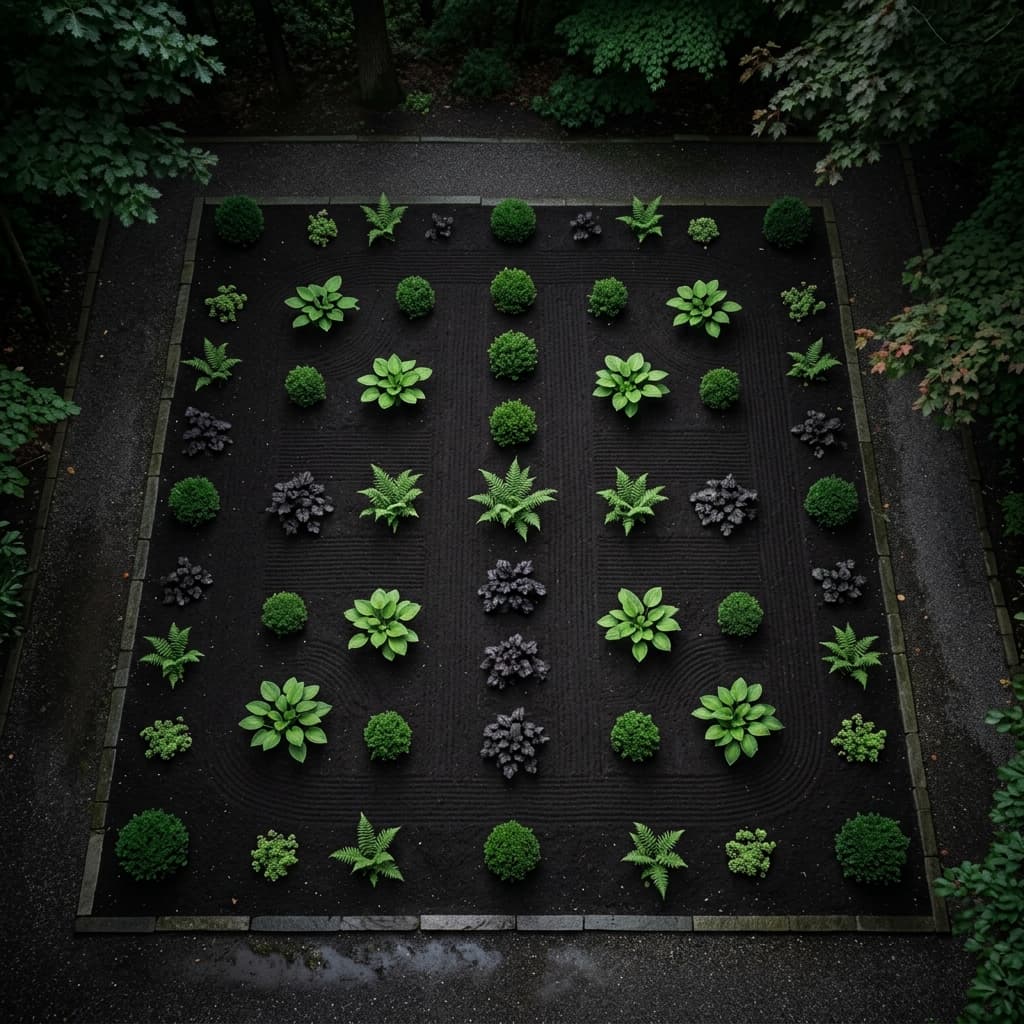
Your "Clean" Garden Is Actually Struggling
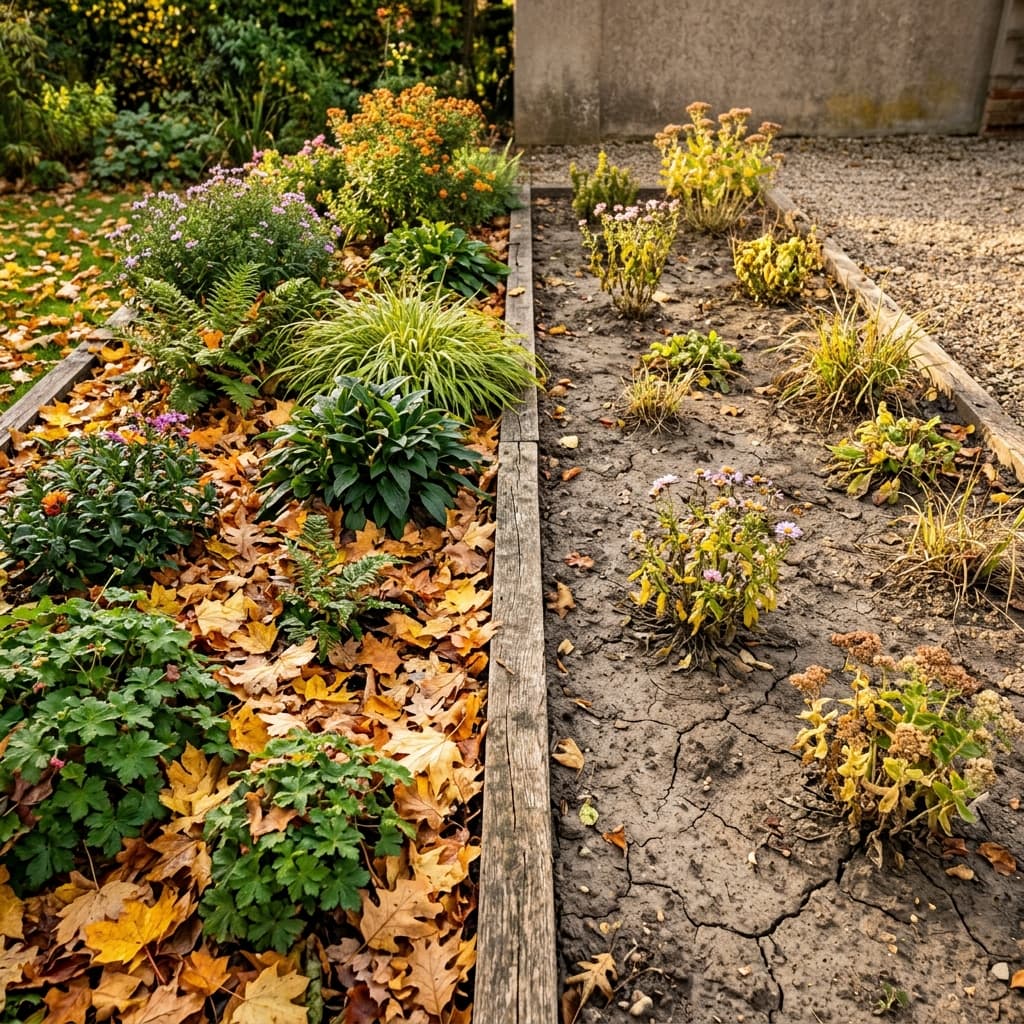
Bare soil looks tidy. But to the billions of tiny organisms living underground — the bacteria, fungi, and earthworms that make healthy soil work — bare soil means no food, no shelter, and no reason to stick around.
When you remove dead leaves, you cut off the entire food chain that keeps your garden fertile. And then, come spring, you go to the garden center and spend money on bags of compost and fertilizer to replace exactly what you just raked away. Sound familiar?
🌿 Quick Math
A big oak tree drops enough leaves each autumn to equal roughly $80–120 worth of bagged compost. Most of us rake it into garbage bags and then buy compost a few months later. That's a wild trade-off.
What Dead Leaves Are Actually Doing
Fallen leaves are not waste. They're the starting point for your entire soil ecosystem.
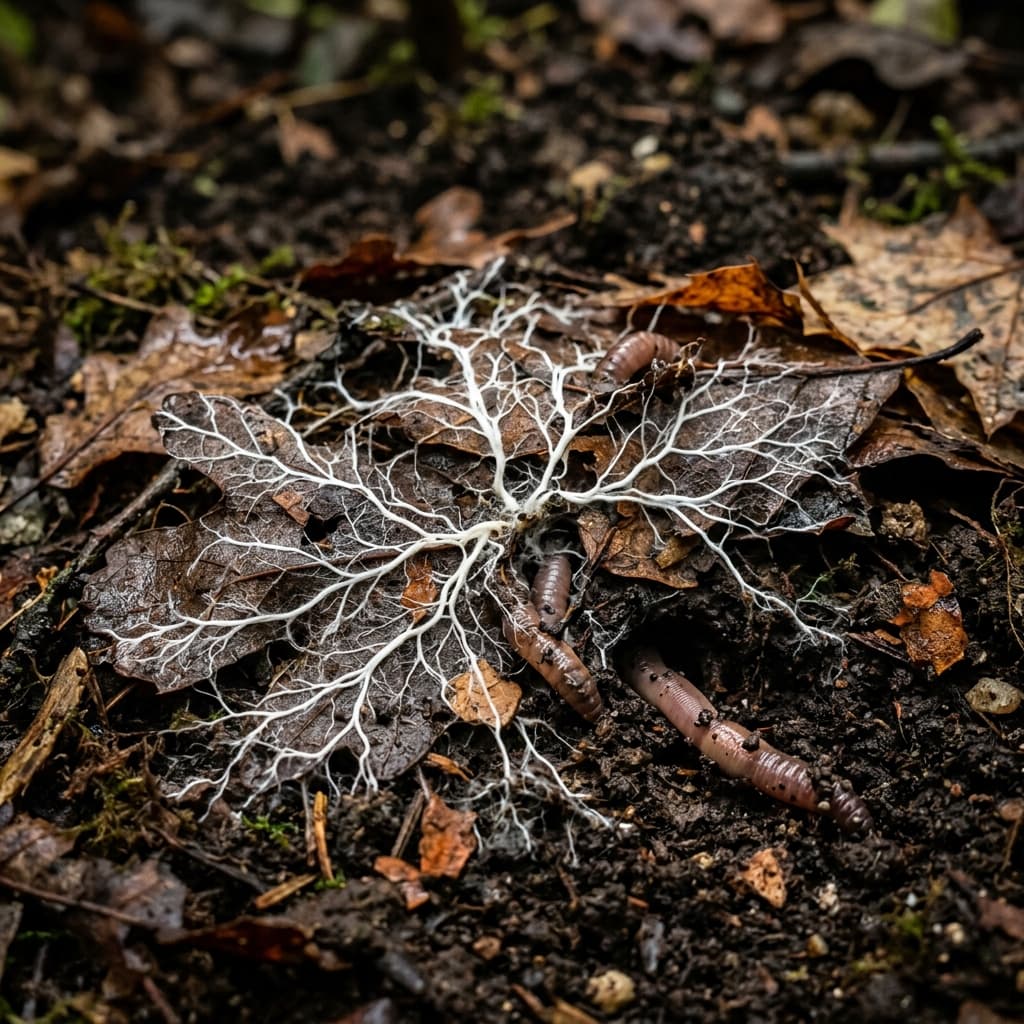
Here's what happens when you leave the leaves:
- Earthworms show up. They pull the leaf material underground, aerate your soil, and leave behind worm castings — one of the best natural plant foods in existence. They do this for free, at night, while you sleep.
- Fungi spread their networks. Mycelium threads connect your plant roots to water and nutrients they couldn't reach alone. They need undisturbed leaf litter to grow. Rake it away and those networks collapse.
- Your soil builds up naturally. Over time, decomposing leaves turn into humus — that dark, rich, crumbly stuff in the best gardens — which holds water like a sponge and feeds plants slowly all season long.
The Bonus: It Protects Your Soil Too
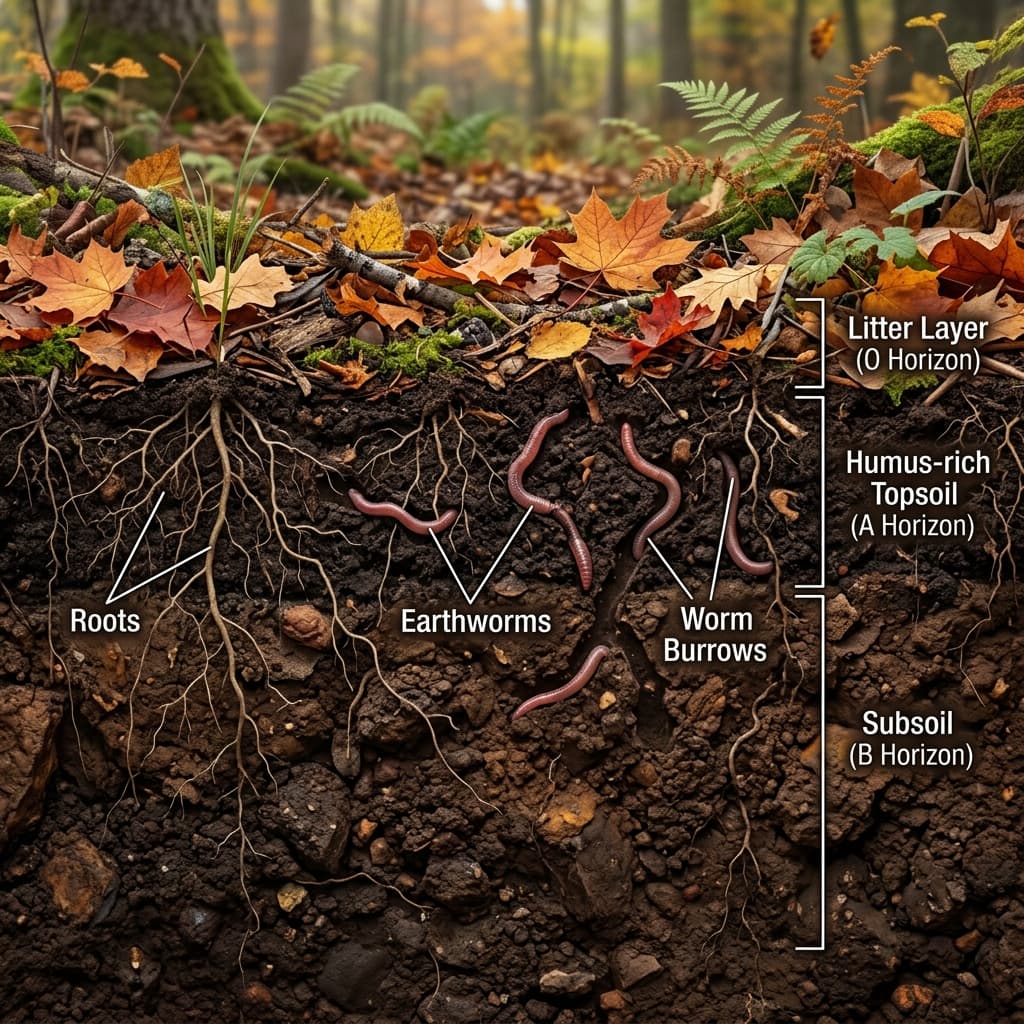
A layer of leaves on your garden bed does a lot more than just fertilize:
- 🌧️ Holds moisture — so you water less during dry spells
- 🌡️ Insulates roots — keeping soil temperature stable through late frosts and summer heat
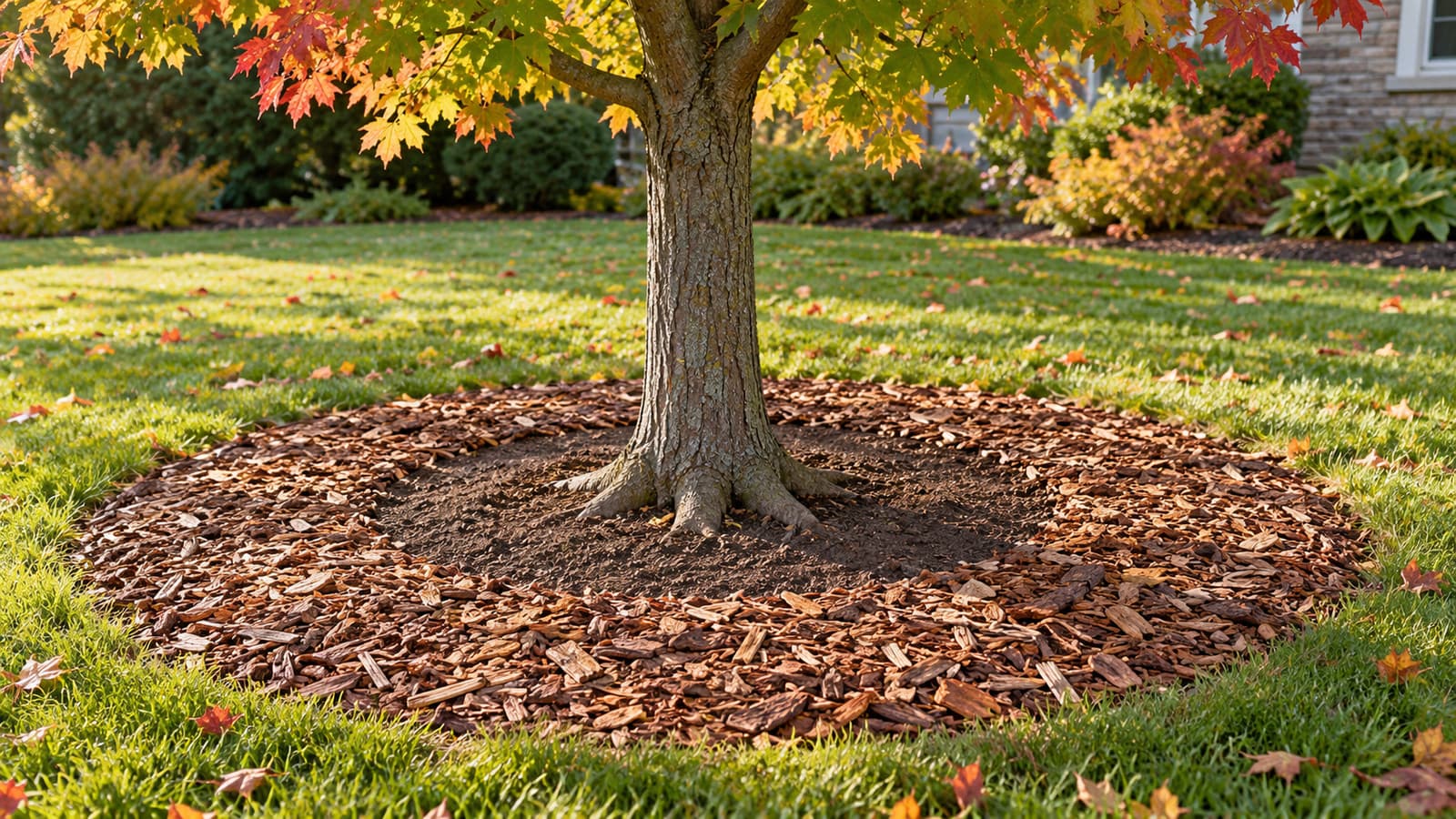
- 🌱 Blocks weeds — a 3–4 inch leaf layer stops most weed seeds from even germinating
That's three jobs — fertilizing, watering, and weeding — handled by something you were about to throw in the bin.
The Comparison That Says It All
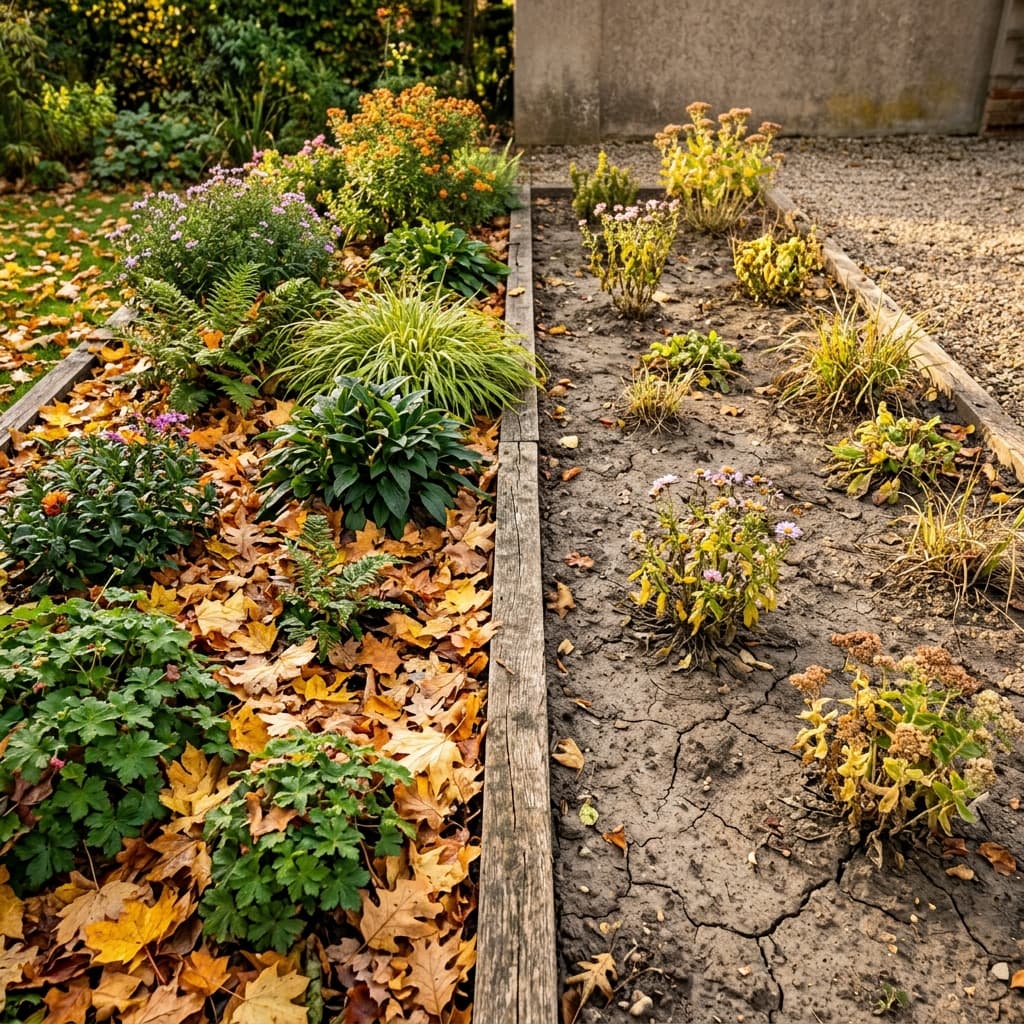
But What If I Still Want It to Look Nice?
Totally valid. You don't have to let your garden look abandoned. There's a technique called Chop and Drop — and it gives you all the soil benefits while keeping things looking intentional.
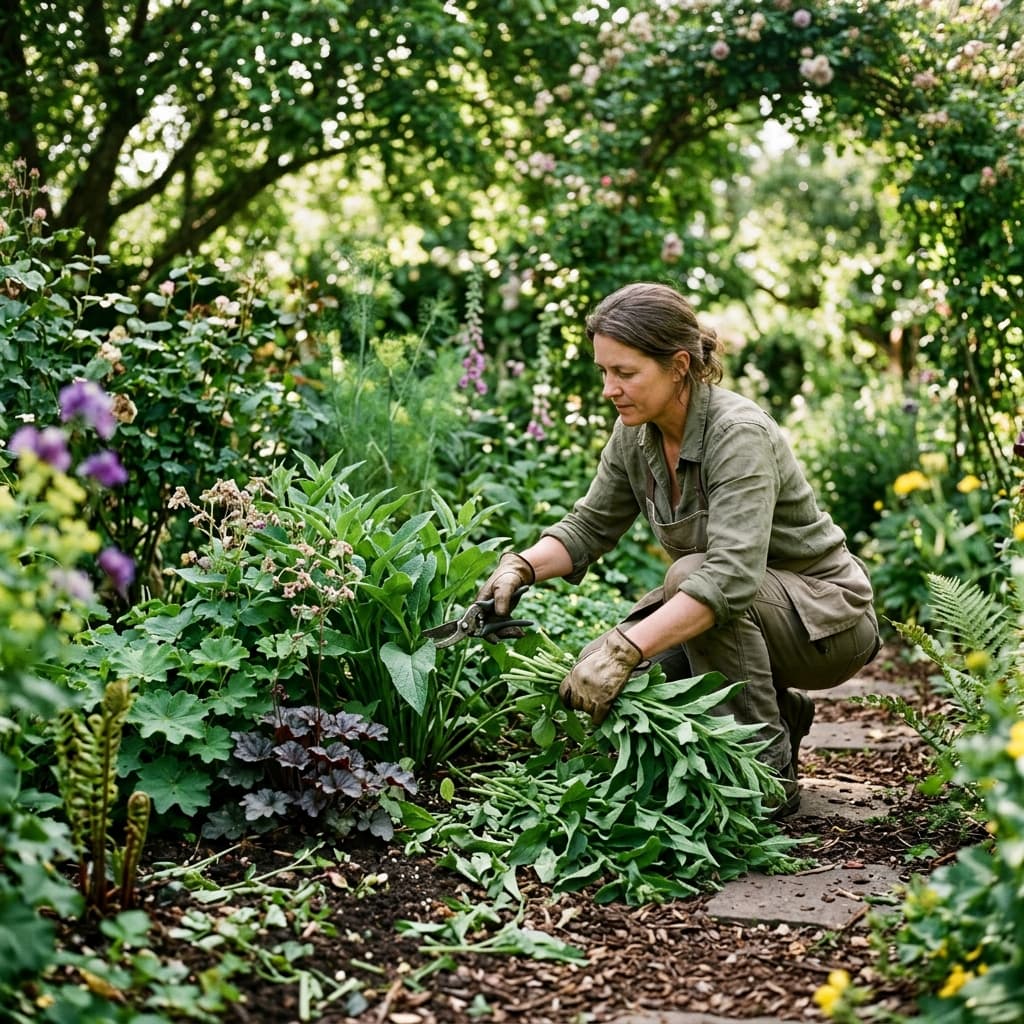
The idea is simple: when you cut back plants, leave the cuttings on the soil surface instead of removing them. Chop them into smaller pieces so they lie flat, and they'll break down within weeks. Your garden looks tended. Your soil gets fed.
A few quick rules on what to keep vs. what to remove:
| Material | What to do |
|---|---|
| Oak, maple, beech leaves | ✅ Leave them |
| Spent perennial stems | ✅ Chop and drop |
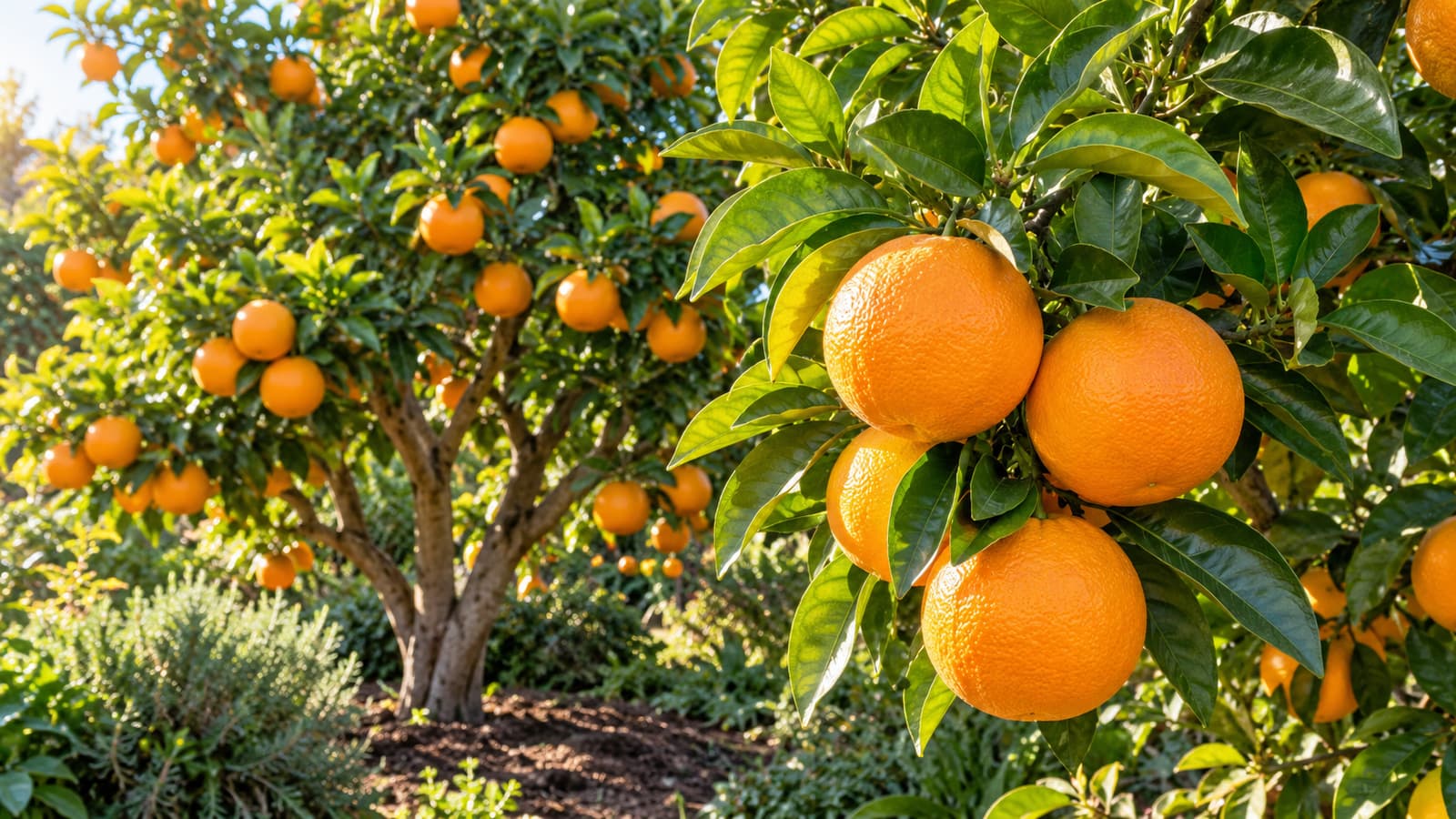
| Diseased fruit tree leaves | ⚠️ Remove — spores will re-infect next season |
| Walnut leaves | ⚠️ Keep away from veggie beds — they suppress other plants |
Try This One Thing This Week
You don't have to overhaul your whole garden. Just pick one corner and leave it completely alone this season. Every fallen leaf, every dropped stem — let it sit.
Check back in a month. You'll see earthworms. You'll see fungal activity. The soil will look darker and feel softer than the raked sections nearby. That's your soil waking back up.
🌿 Sprouty's Take
The forest never rakes its leaves — and it grows the most productive soil on earth without spending a single penny. Your garden can work the same way. Stop removing the good stuff. Let the soil do what it was designed to do.
Want to go deeper? Check out Sprouty's guide to understanding soil pH and the real science behind organic soil amendments.