
Pest Control
Identify, treat, and prevent common garden and houseplant pests — naturally and effectively.
Pest Control guides
Natural Pest Control: The Ultimate Reference Guide
Identify the 12 most common garden pests and control them naturally — prevention, beneficial insects, barriers, and which organic sprays actually work (and which popular tricks don’t).
 pest-control
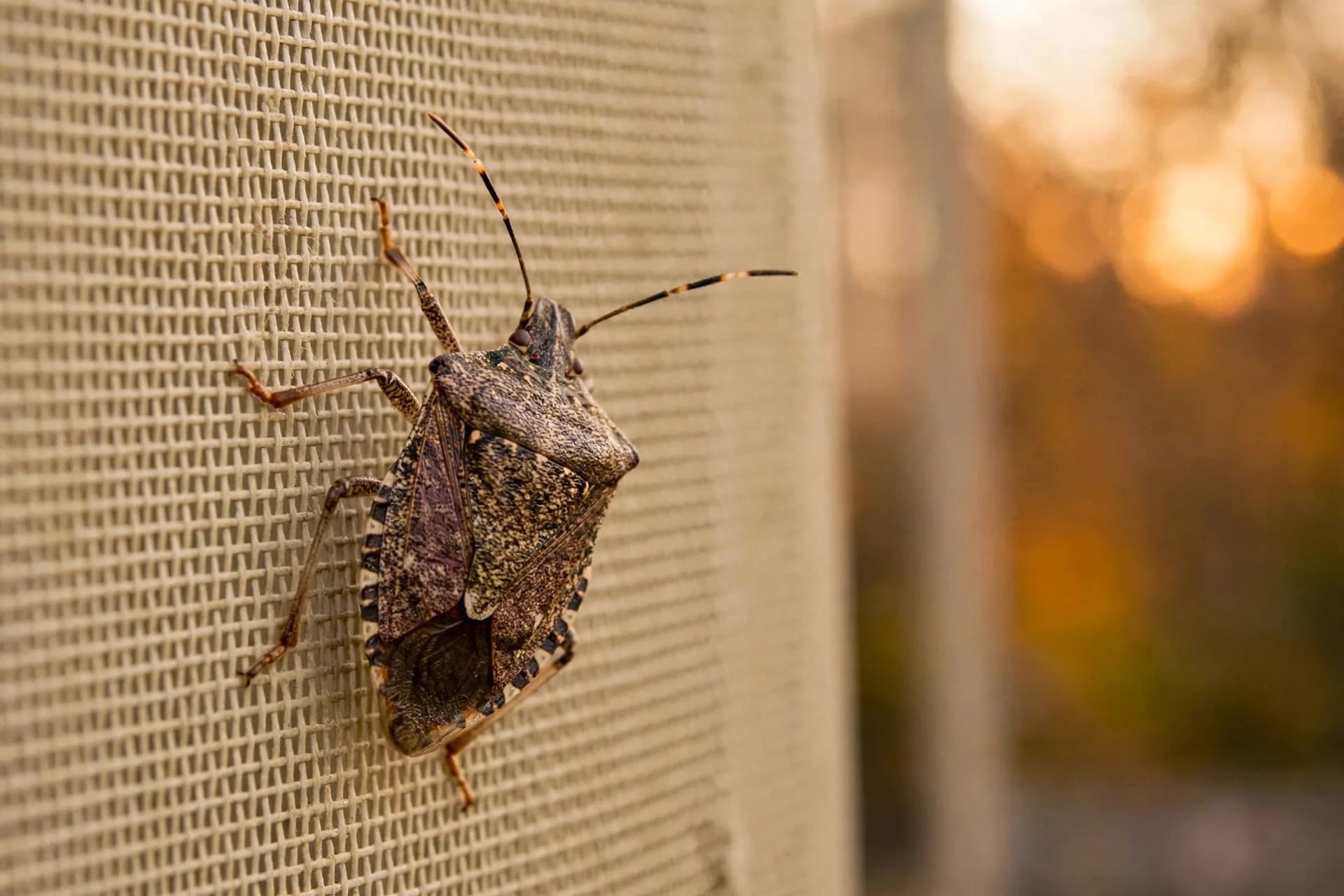
Why Are Stink Bugs Invading Your Home Right Now?
Brown marmorated stink bugs are moving into homes right now to overwinter — not to eat, breed, or bite. Here's why it happens every fall, why you should never crush them indoors, and how sealing entry points now stops the invasion.
 Sprouty
 pest-control
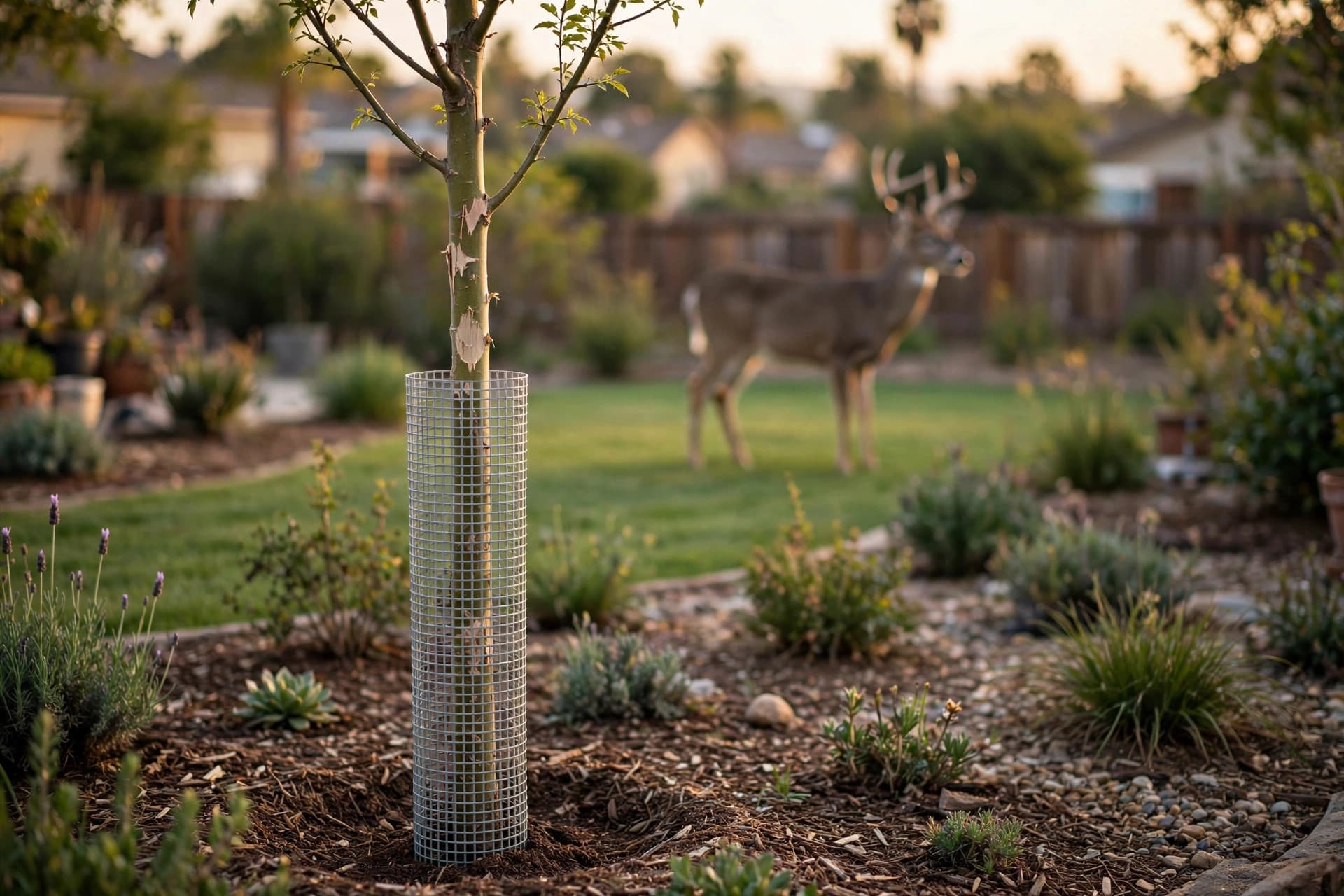
How Do You Protect Young Trees From Deer Antler Rubbing?
Wrap the trunk. A rigid guard or wire cylinder from the soil line up at least 4 feet is the only proven way to stop a buck from shredding your young tree's bark during the fall rut — repellents don't stop rubbing. Here's exactly how, and why one night is enough to kill a tree.
Sprouty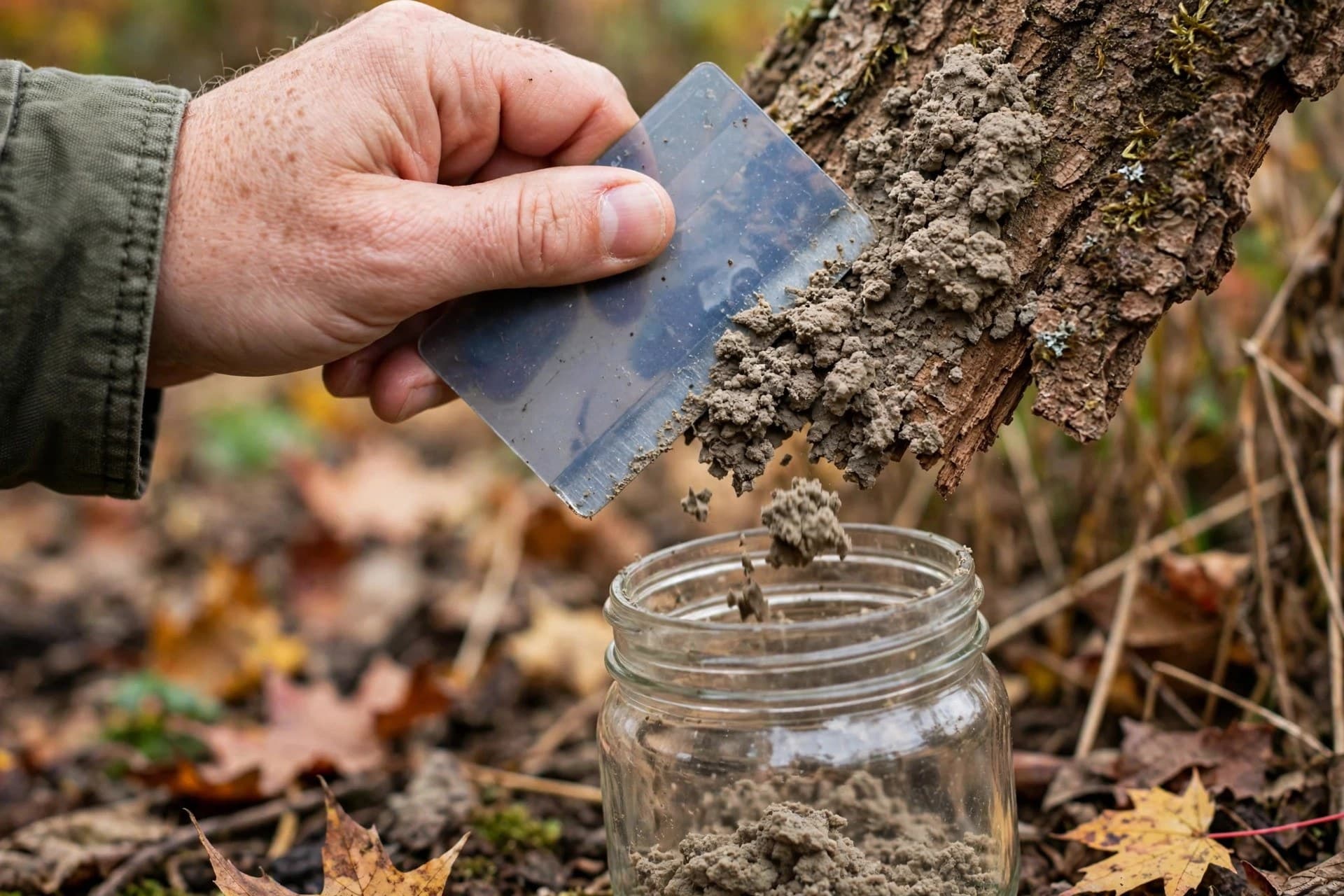 pest-control
Should You Scrape Spotted Lanternfly Egg Masses Off Your Trees in October?
October is peak egg-laying season for spotted lanternflies. Scrape reachable masses into rubbing alcohol now — each one destroys up to 50 next spring's lanternflies.
Sprouty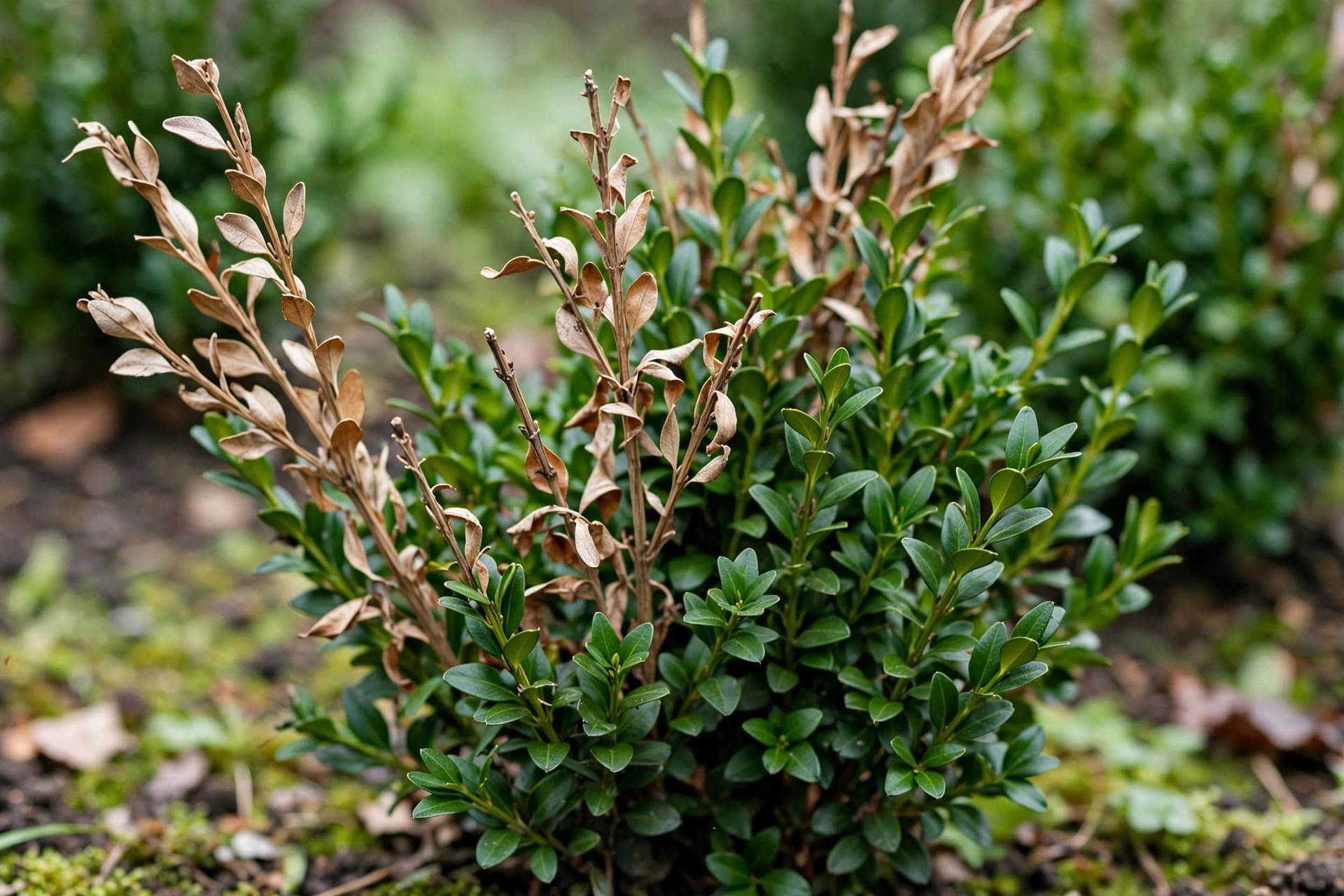 pest-control
Why Is My Boxwood Turning Brown? How to Tell Boxwood Dieback From Boxwood Blight
Tan, dead-tipped twigs with leaves still hanging on and healthy roots point to boxwood dieback, not blight. Five field tells to tell them apart.
Sprouty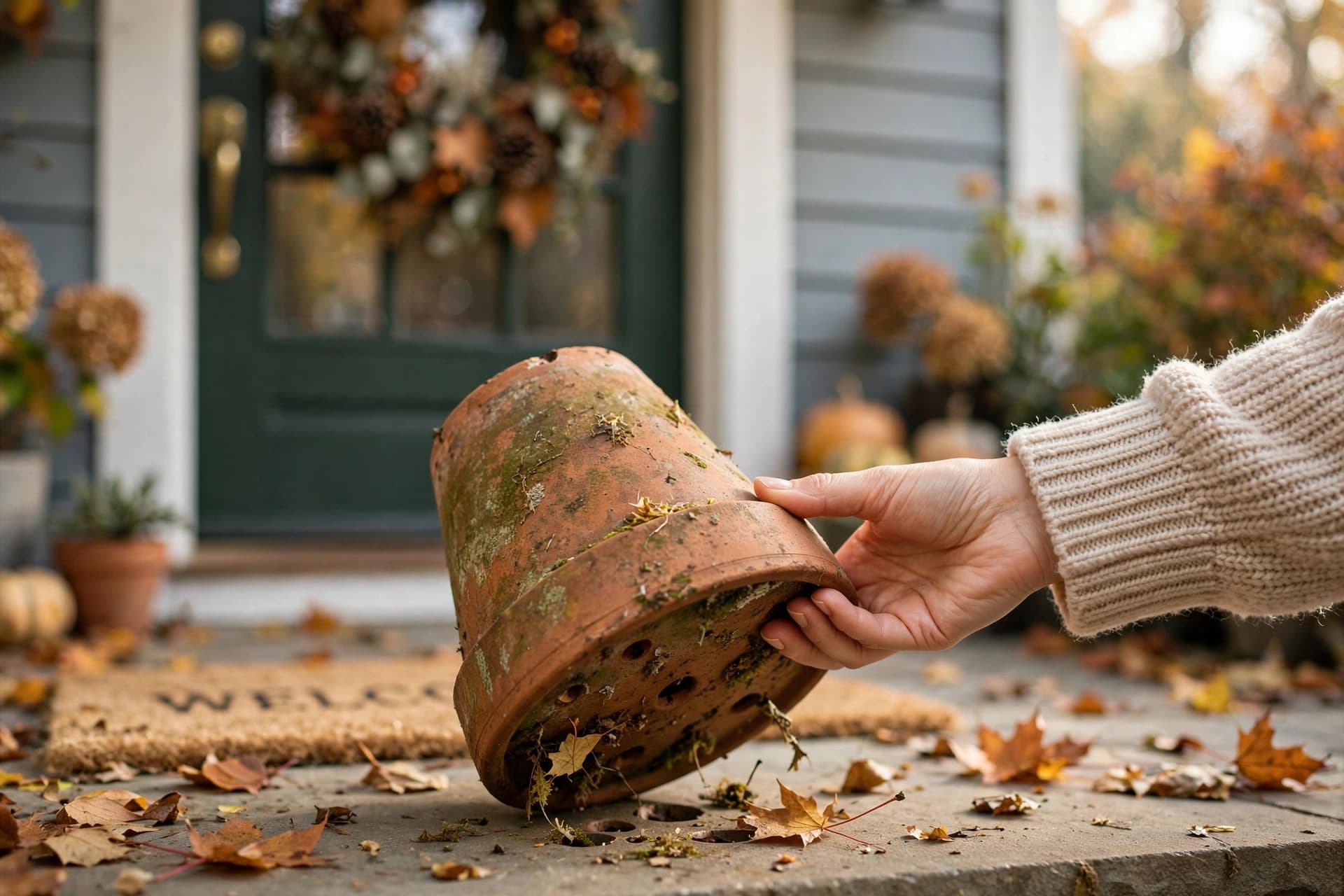 pest-control
How to Check Patio Plants for Pests Before Bringing Them Indoors
Flip your patio pots before bringing them inside for fall. Checking drainage holes and undersides stops overwintering pests before they spread indoors.
Sprouty pest-control
Camellia Petal Blight: How to Recognize It and Reduce Recurrence
Compare camellia petal blight with other brown-flower damage, remove affected blooms, and manage mulch to reduce future infections.
Sprouty pest-control
Don't Leave Cling Fruit or Nuts on the Tree After Harvest: Why Canopy "Mummies" Keep Orchard Pests and Diseases Cycling
Finished harvesting your fruit or nut trees and wondering if you can leave those stubborn clingers hanging on the branches? Leaving unharvested cling fruit and mummy nuts in the canopy is the fastest way to incubate next season's orchard pests and fungal blights. From navel orangeworm overwintering in almond mummies to brown rot fungus showering blossoms with spores in early spring, hanging leftovers keep destructive cycles alive. Learn why UC IPM considers canopy sanitation the single most critical cultural control, how to pull mummies into a basket, and how proper disposal breaks the loop for clean harvests.
Sprouty pest-control
Don't Leave Holey or Dropped Peppers on the Ground: Why Garden Sanitation Stops Pepper Weevil Larvae from Multiplying
Found young bell peppers, jalapeños, or chili pods dropping onto your garden soil with tiny puncture holes? Leaving fallen or damaged peppers beneath your plants is the fastest way to turn a minor pest into a full-blown infestation. Pepper weevil larvae feed, develop, and pupate inside dropped fruit on the soil surface, emerging as hungry adults to attack the rest of your harvest. Here is the entomology behind the cycle, why backyard compost piles won't kill them, and how prompt garden bed sanitation keeps your next crop clean.
Sprouty pest-control
Don't Plant Pansies Where Vinca Just Grew: Why Shared Soil Fungus Wipes Out Fall Flower Beds (And How to Break the Cycle)
Transitioning your garden borders from summer flowers to fall color? Before popping cool-season pansies directly into the empty holes left by spent annual vinca (Catharanthus roseus), hit pause. Annual vinca and fall pansies share high susceptibility to devastating soil-borne fungal pathogens—most notoriously Thielaviopsis basicola (black root rot). When you drop fresh pansy plugs into old vinca root zones, dormant fungal chlamydospores in the 55°F–65°F autumn soil attack the tender new roots immediately, causing sudden stunting, yellowing, and bed failure. Here is the verified plant pathology behind the vinca-to-pansy fungal loop, why watering more makes it worse, and how Sprouty stopped Sophie from making a costly autumn planting mistake.
Sprouty pest-control
Leave Fallen Diseased Fruit Under the Tree and Infection Cycles Forever (Why Orchard Sanitation Breaks the Fungal Loop)
Noticed shriveled, rotting fruit scattered across the ground beneath your apple, peach, or pear tree? Leaving dropped, diseased fruit on the orchard floor is one of the most common—and devastating—backyard gardening oversights. Far from breaking down into harmless organic matter, mummified and rotting drops act as persistent disease reservoirs for destructive fungal pathogens like brown rot (Monilinia) and apple scab, while offering a winter haven for destructive pests like codling moth larvae. Picking up and disposing of fallen diseased fruit is the cornerstone of non-chemical orchard hygiene. Here is the plant pathology behind the disease cycle, why you must never put mummies into your home compost, and how Sprouty stopped Sophie from leaving infected fruit under the tree.
Sprouty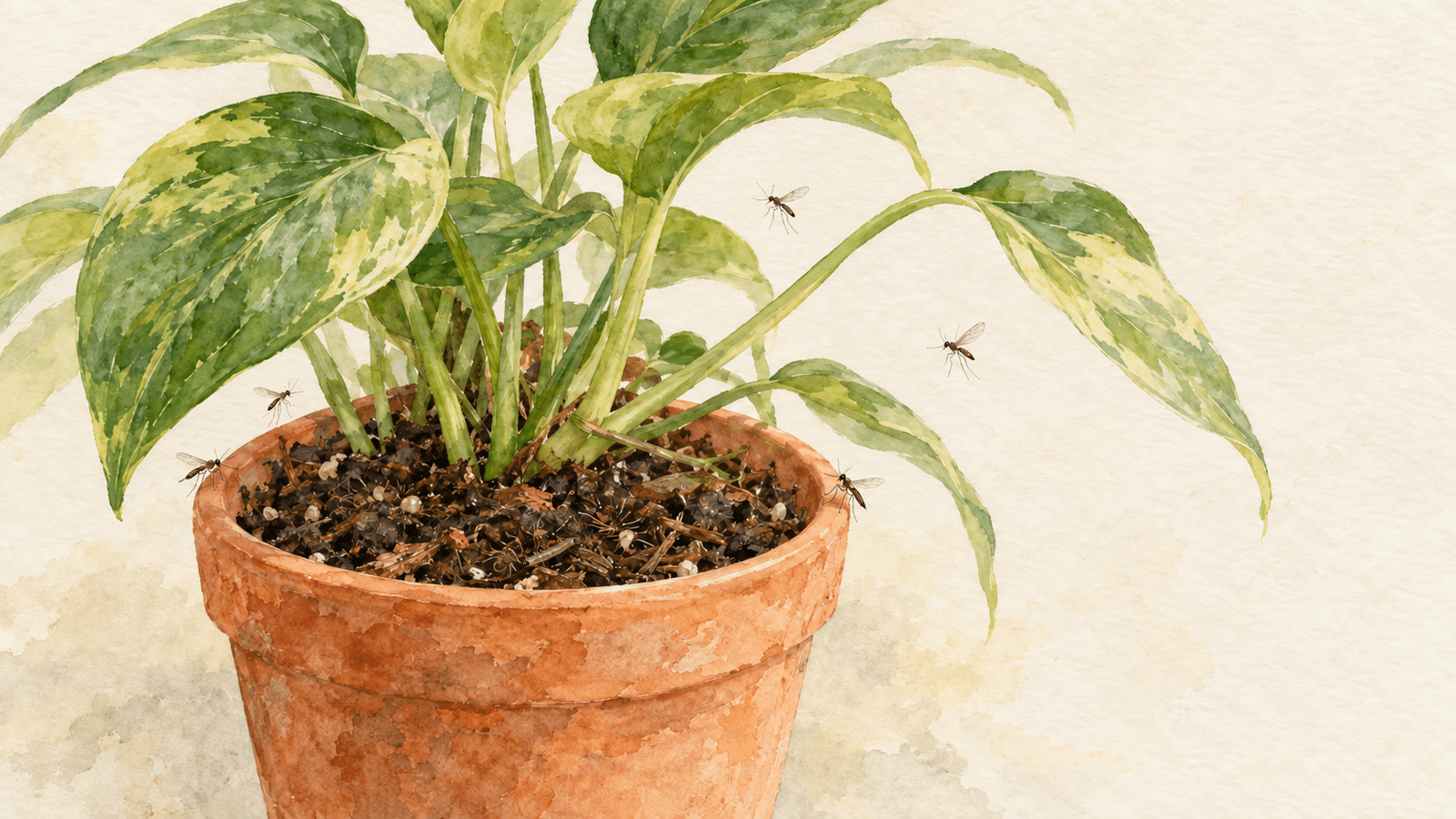 pest-control
How to Get Rid of Fungus Gnats—and Stop Them Returning
Fungus gnats keep returning? Learn how to identify them, reduce excess soil moisture, trap adults, and target larvae with a practical treatment plan.
Sprouty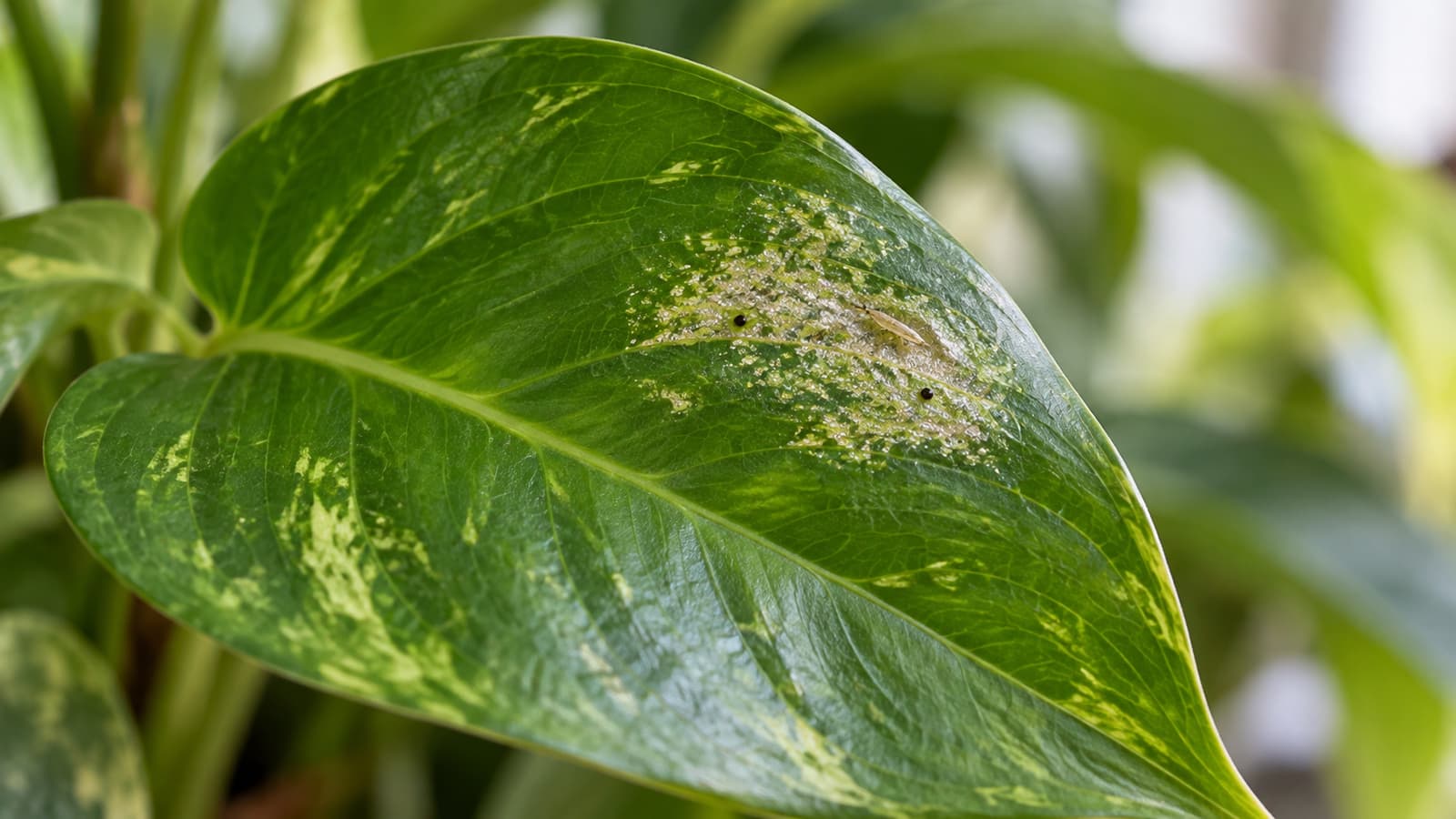 pest-control
Thrips on Houseplants: Identification, Treatment, and Monitoring
Recognize thrips damage, isolate affected plants, choose an appropriate labeled treatment, and monitor new growth instead of relying on one spray.
Sprouty