
Late summer and early autumn bring a rush of gardening excitement. Nursery displays overflow with wooden crates of paper-bagged bulbs, and the itch to get shovels into the dirt is nearly irresistible. Sophie was kneeling beside a freshly cleared border, a bag of native corms in one hand and a garden hose in the other: "Nursery shelves have native bulbs out right now! Can I plant these Brodiaea and Ithuriel's spears today and give them a good soaking so they settle in?"
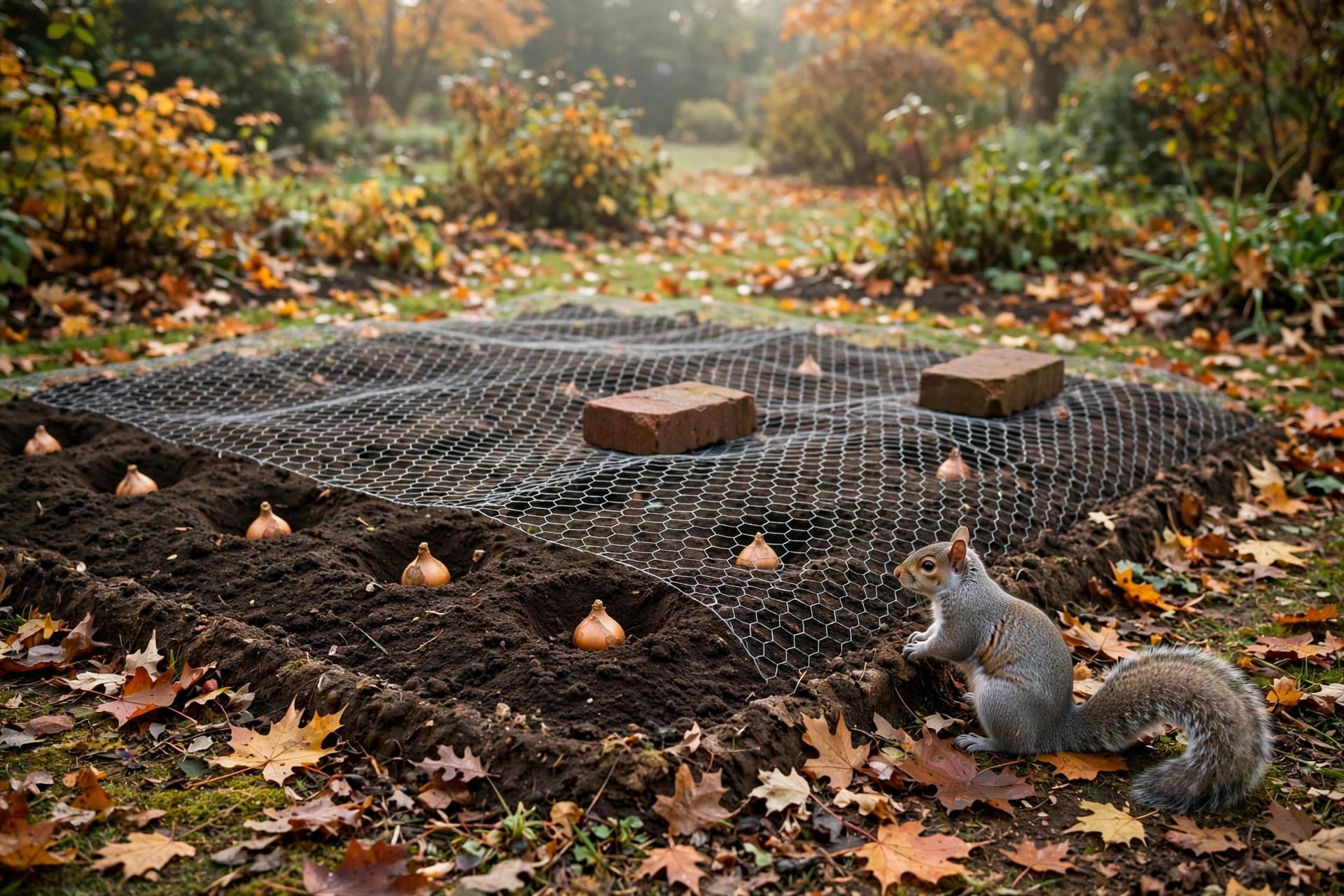
Sprouty dropped to one knee and signaled an immediate stop: "Do not plant those yet, and keep that hose far away! If you bury California native bulbs in warm soil now and water them like summer perennials, they won't grow — they will turn into mushy, rotting compost before Thanksgiving."
It is one of the most heartbreaking mistakes well-intentioned gardeners make every autumn. We are conditioned to treat all bulbs like Dutch tulips and daffodils: buy them in September, plant them immediately, and soak the planting trench. But California native bulbs play by a completely different set of evolutionary rules. Plant them before the seasonal rains arrive, or irrigate them while the ground is warm, and you are inviting lethal fungal pathogens to dinner.
Watch Sprouty & Sophie Explain the First Rains Rule
See why burying native bulbs early and applying summer-style water leads straight to rot in our latest quick tip video.
The Evolutionary Botany: Geophytes in a Mediterranean Climate
To understand why early planting is so perilous, you have to appreciate the environment California native bulbs evolved in. Botanically, most native "bulbs" — including Brodiaea, Triteleia (Ithuriel's spear), and Dichelostemma (blue dicks) — are technically corms: solid, compressed stem bases that store starches, protected by fibrous tunics.
California experiences a strict Mediterranean climate pattern:
- Cool, wet winters: Frequent rain falls between November and April while temperatures hover in the 40s and 50s.
- Hot, arid summers: From June through September, almost zero precipitation touches the soil. The ground bakes dry and hard.
Because summer water is virtually nonexistent in native habitats, these plants adapted by going into profound estivation (summer dormancy). After blooming in late spring, their slender strap-like leaves turn completely brown and wither away. Underground, the corm closes its metabolic valves and shuts down respiration.
🌿 The Biology of Summer Dormancy
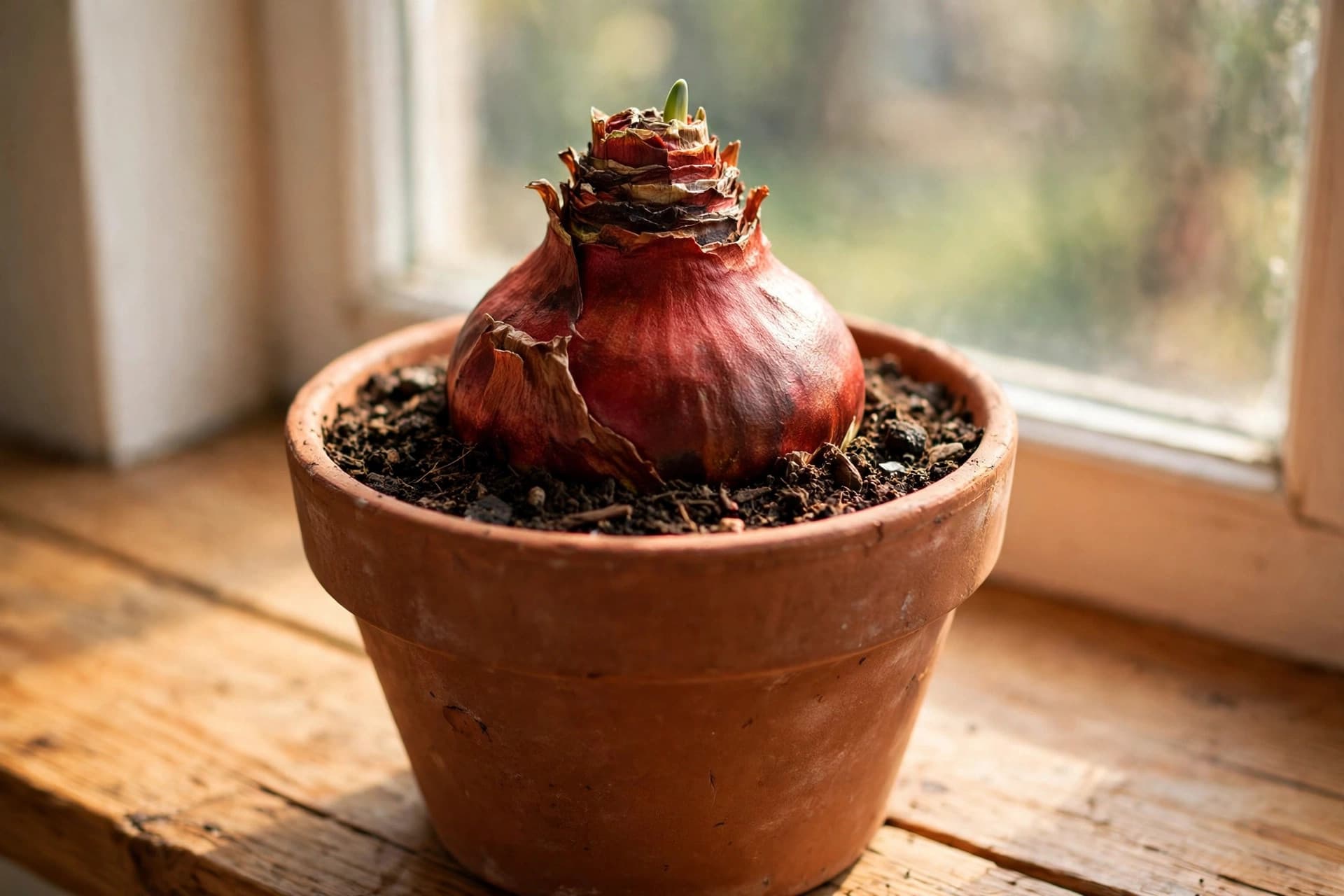
In dry, warm soil, dormant corms possess no active immune response or functional roots. They are essentially dry starchy breadboxes. When unseasonable moisture hits a dormant corm while soil temperatures are still elevated (65°F to 80°F+), opportunistic fungi like Fusarium and Pythium multiply explosively. Without active root transpiration to draw water away or cellular defenses to combat fungal hyphae, the corm rots in days.
The Master Gardener Rule: Buy in September, Plant After First Rains
So why are nurseries stocking native bulbs right now in September? Because September is when top-quality dormant corms are harvested, packaged, and distributed.
This critical distinction is emphasized by extension horticulturists in the UC Master Gardener Program of Sonoma County September Garden Guide:
"Consider adding California native bulbs such as California brodiaea (Brodiaea californica), California fawn lily (Erythronium californicum) or one-leaf onion (Allium unifolium) to your garden. It is generally best to wait until after the first rains to plant them, but you can buy them now while there is a good selection. Store them in a cool, dry place until you’re ready to plant."
This advice is reinforced by the UC Master Gardener Program of Napa County, which notes that bulbs perform best when planted in October or November after soil temperatures drop below 60°F. Buying now ensures you get plump, disease-free corms before bins are picked over, while holding off on planting prevents premature rotting in hot September dust.
What Happens When You Plant Too Early vs. After the Rains
How to Store Your Native Corms Cool & Dry Right Now
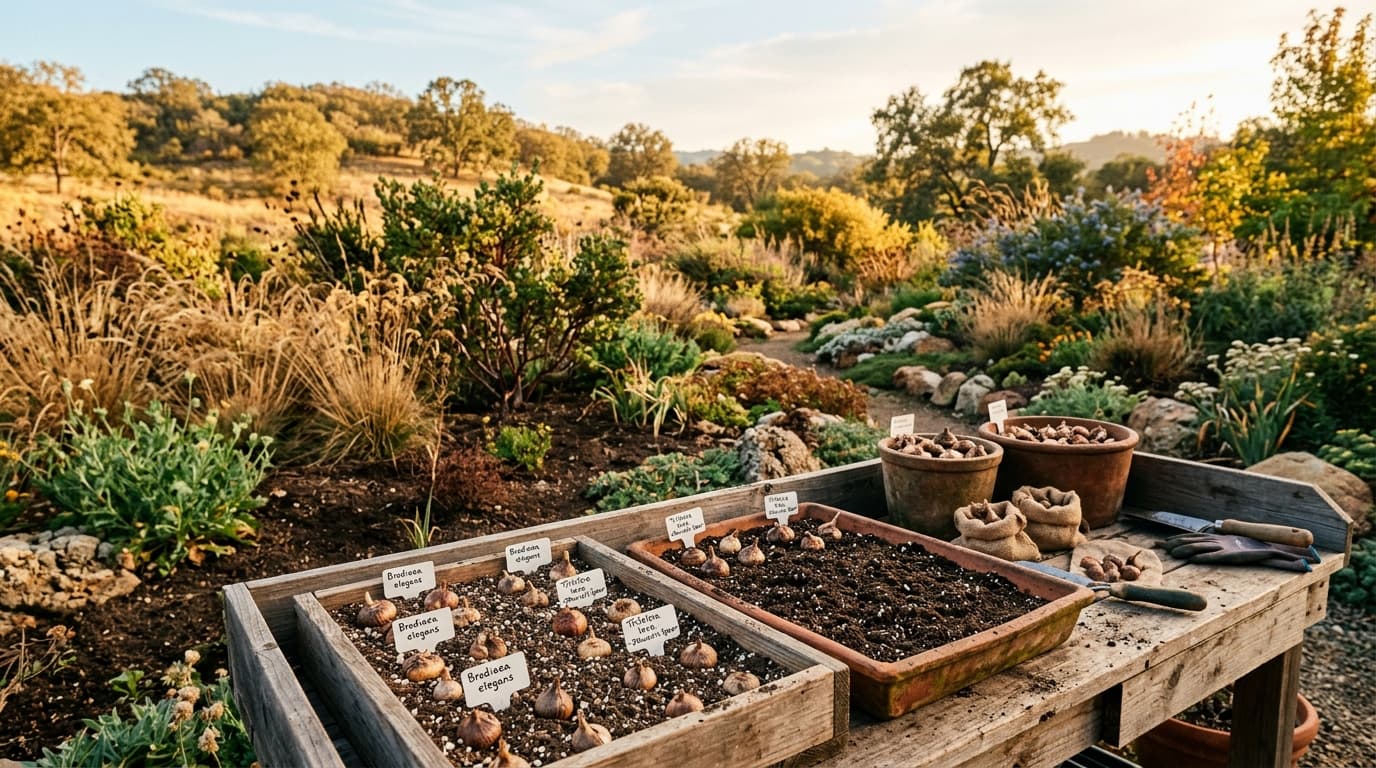
If you've already purchased your corms or are shopping this weekend, don't leave them sitting in a hot plastic shipping bag or on a sweltering garage shelf. Here is how to keep them in prime condition until the rains arrive:
- Remove Plastic Packaging: Plastic wraps trap condensation and create greenhouse humidity. Transfer corms immediately into breathable brown paper bags, mesh onion bags, or open cardboard trays.
- Choose a Cool, Dark Spot: An indoor pantry, an air-conditioned closet, or a shaded, dry basement shelf kept between 60°F and 68°F is ideal. Never refrigerate California native bulbs — unlike Dutch tulips, they do not require artificial chilling, and refrigerator humidity can initiate mold.
- Inspect Monthly: Check periodically to make sure corms feel firm and dry like hazelnuts, with no foul odor or white mold filaments.
Step-by-Step: Planting When the Rains Fall
When October or November brings that first signature coastal or inland storm that saturates the top three inches of garden soil, it's time to plant:
🌱 Sprouty's Native Bulb Planting Protocol
- Select Sharp Drainage: Native bulbs loathe heavy, standing water. Plant on sunny slopes, in raised gravel beds, or incorporate pumice/coarse decomposed granite if your soil is heavy clay. As detailed in our guide on shallow spring bulb planting, soil aeration makes or breaks root survival.
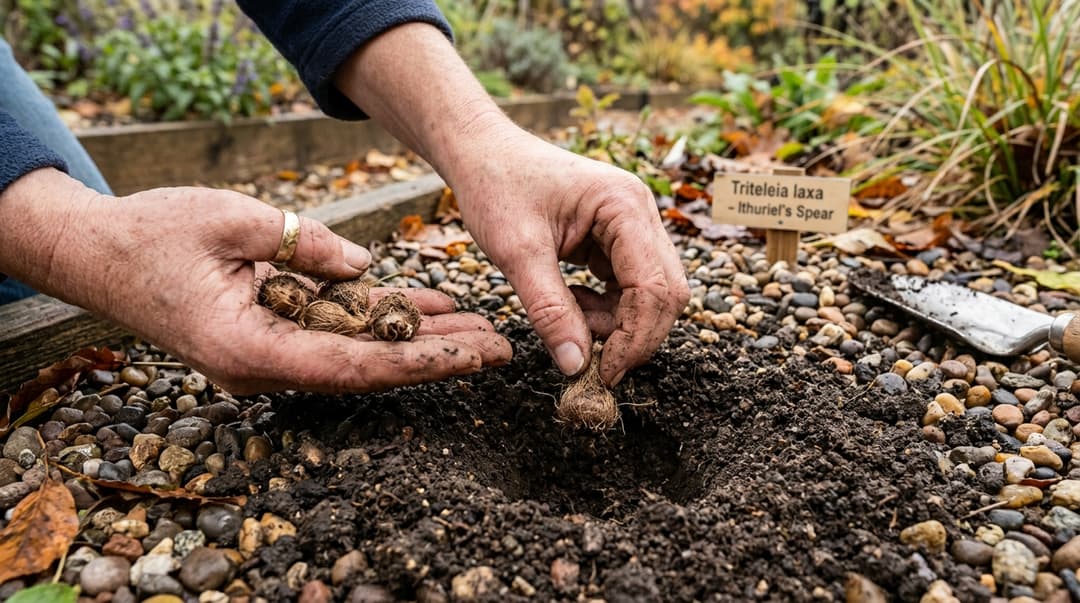
- Plant 3 to 4 Inches Deep: A depth of roughly 3 to 4 inches (about 3× the corm's diameter) protects the corm from surface drying while keeping it in the naturally well-aerated top layer.
- Do NOT Fertilize with Heavy Nitrogen: Native bulbs have evolved in nutrient-lean soils. High-nitrogen chemical fertilizers stimulate weak, floppy foliage and rot. A very light top-dressing of organic leaf compost is all they ever need.
- Let Winter Rain Do the Work: Once planted into rain-moistened earth, do not connect drip emitters or spray them weekly. In most western gardens, normal winter rainfall provides 100% of the water they require to thrive.
Best California Native Geophytes to Look For
Once you match your calendar to natural seasonal rainfall, these native bulb species are among the most reliable, wildlife-friendly bloomers in the Western garden:
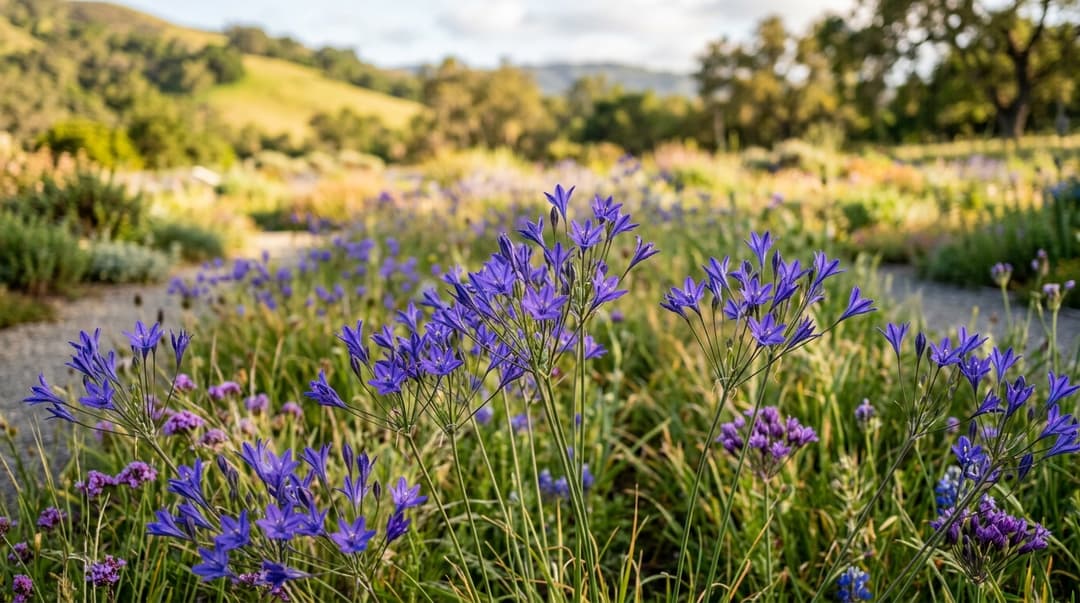
- Ithuriel's Spear (Triteleia laxa): Featuring magnificent umbels of 10 to 25 trumpet-shaped violet-blue flowers. Cultivars like 'Queen Fabiola' are rugged garden performers featured prominently in the UC Davis Arboretum Aquafree Garden plant collection for their exceptional drought tolerance and bee-attracting power.
- California Brodiaea (Brodiaea californica & B. elegans): Producing rich lavender-to-magenta star blooms in late spring and early summer, right when most other spring annuals are fading.
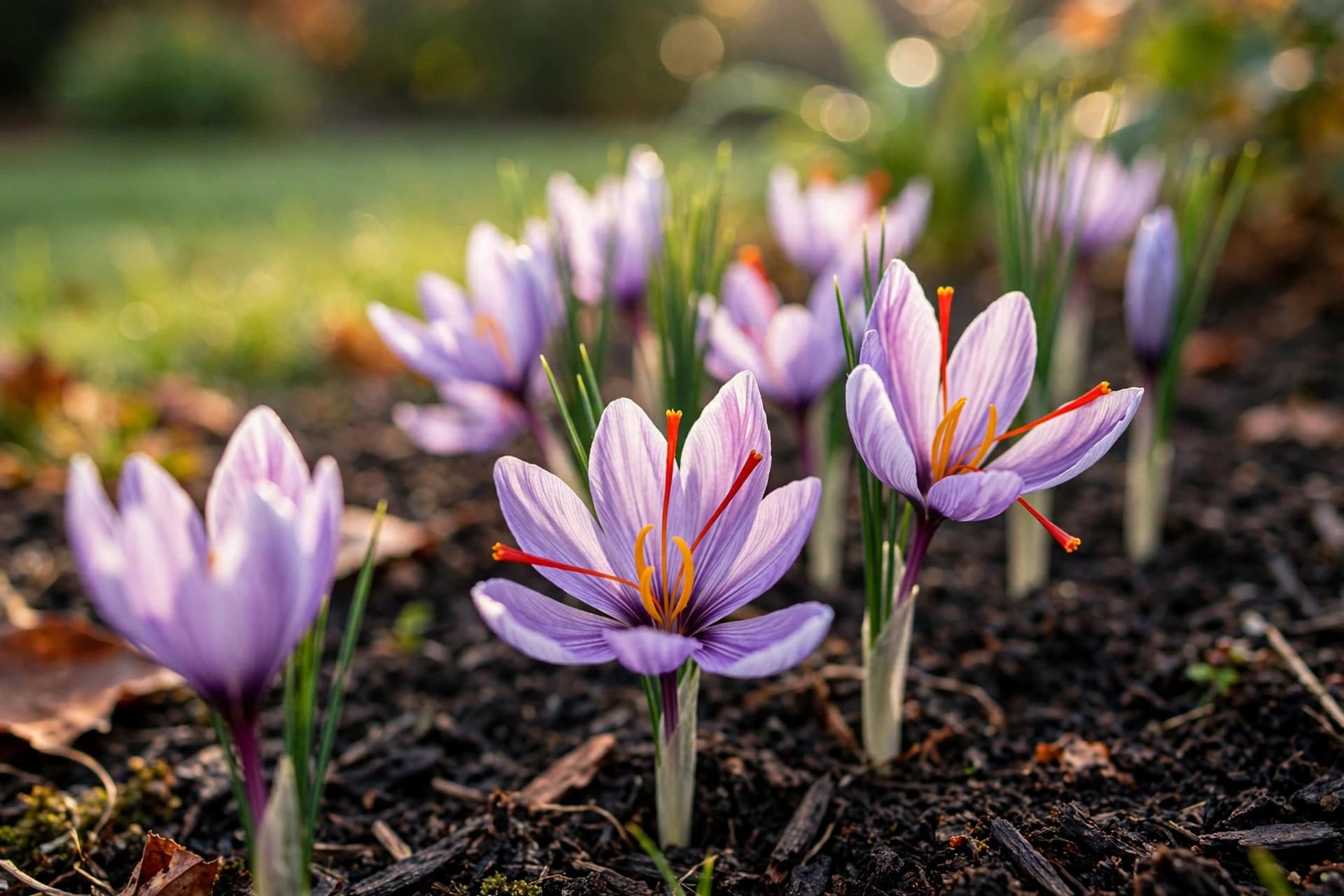
- Blue Dicks (Dichelostemma capitatum): Dense, ball-shaped purple flower clusters on wiry leafless stems that dance above native meadow grasses and provide crucial early nectar for native bumblebees and butterflies.
- Mariposa Lily (Calochortus spp.): Intricate, chalice-like blooms with butterfly-wing patterns. Require very sharp drainage and complete summer dryness to return year after year.
🌿 Sprouty's Native Golden Rule
Nature does not irrigate California wildlands in August and September. When you buy native bulbs, you are inviting a piece of the wild chaparral and oak savannah into your garden. Honor their rhythm: buy early, store them cool and bone-dry, and let the first cool raindrops of autumn give the signal to plant.
Planning your autumn planting schedule? Check out our complete Fall Gardening Guide & Seasonal Playbook, explore our guide on why cutting dried perennial stems evicts native bees, and learn how fallen leaves feed soil biodiversity before winter.