
Every gardener knows that sinking feeling in the pit of their stomach. You step out into the backyard on a brisk morning, notebook in hand, staring down at freshly prepared garden beds or tender late-season vegetables, and the questions start swirling:
"When is our first real frost going to hit? Should I plant my garlic now or wait three weeks? Did I start my fall broccoli too late, or will the midsummer heat scorch the seedlings before they even get a chance to root?"
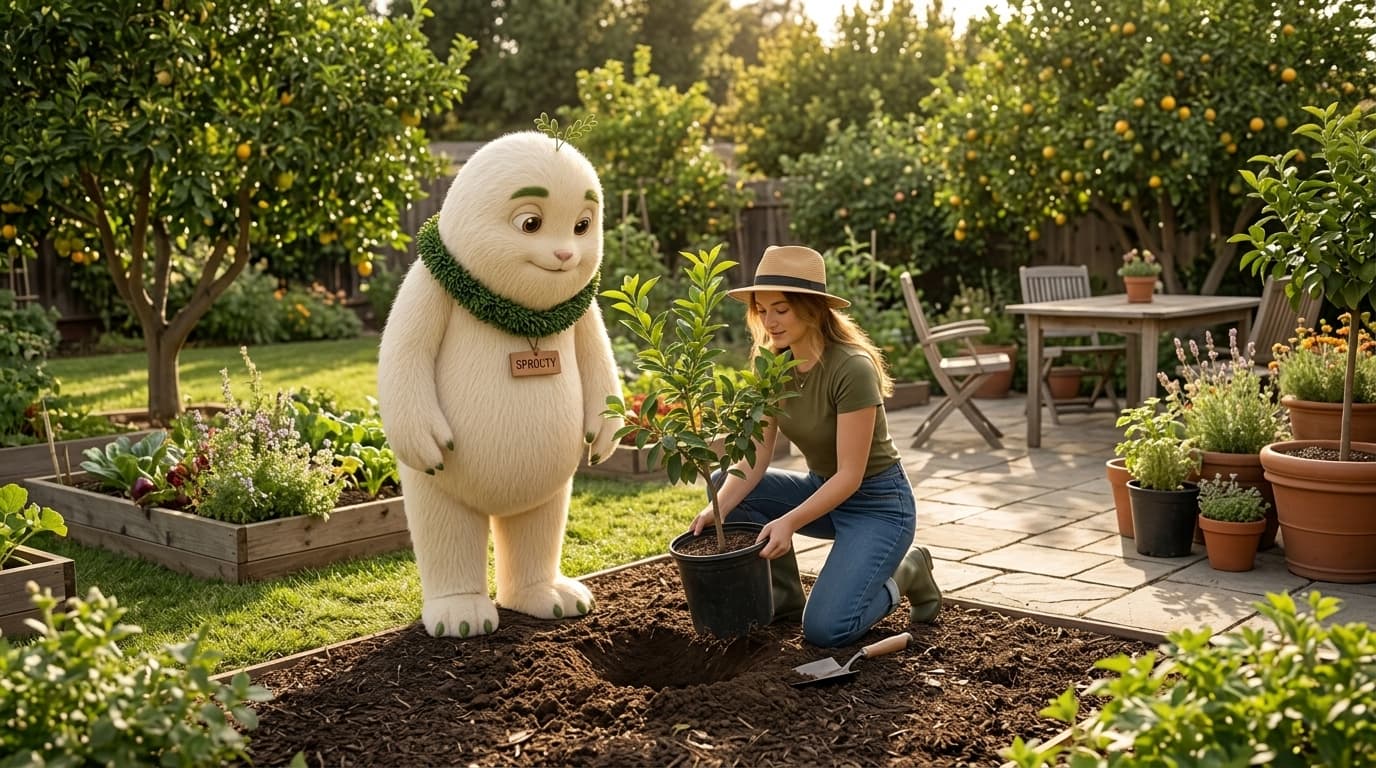
Sophie was sitting on the wooden garden bench in the afternoon sun, totally puzzled, flipping through dog-eared seed catalogs and weather apps. "When's my frost again? And what am I supposed to plant when?"
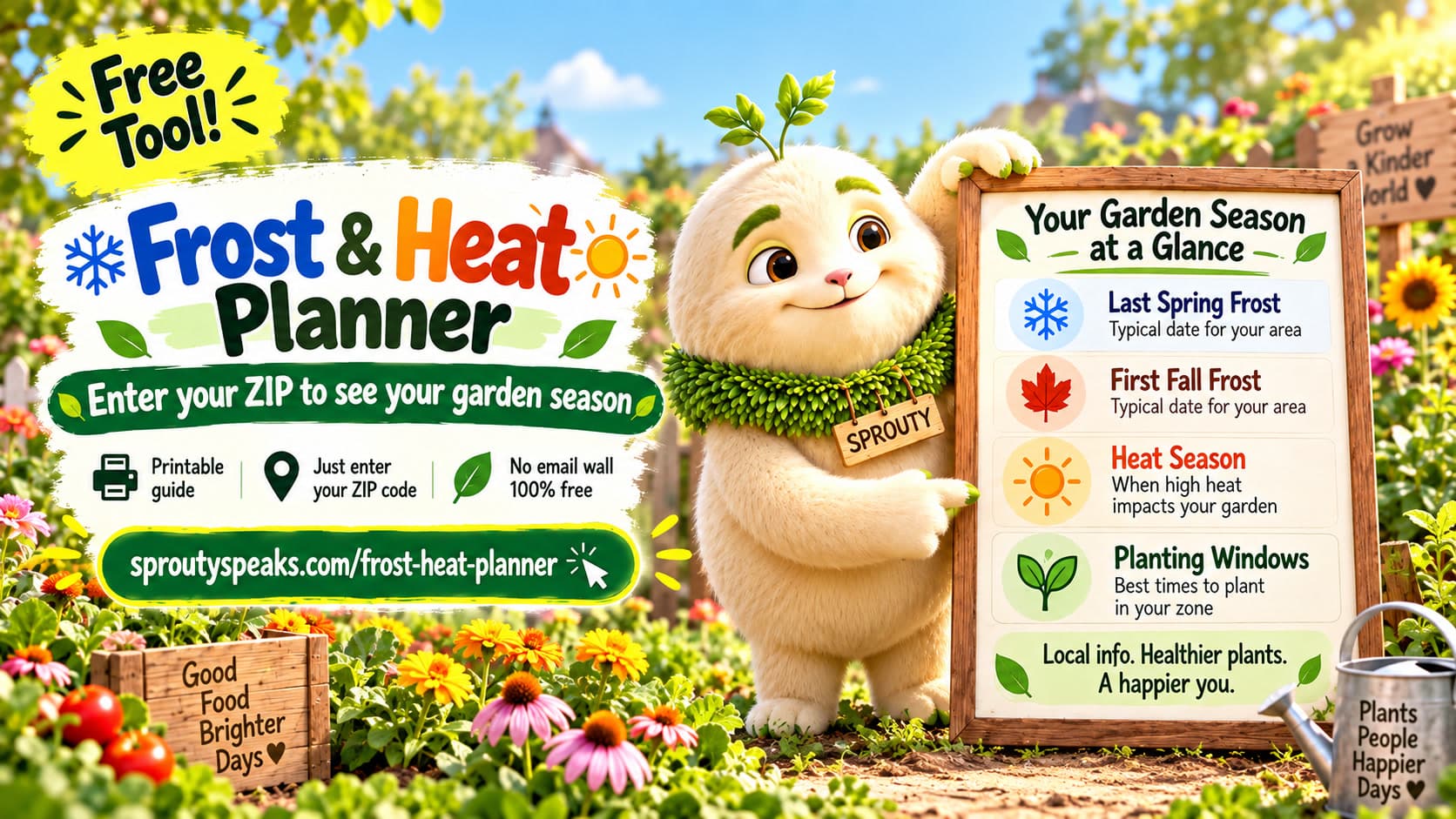
Sprouty hopped up onto the bench right beside her with a grin: "Stop guessing! You don't need a degree in meteorology or a pile of complicated almanacs. Just enter your ZIP code into our free Frost & Heat Planner, grab your customized season dates and printable guide, and you're set."
Sophie blinked: "That's it?"
Sprouty beamed: "That's it! No email wall, no guessing games, just real climate science made simple."
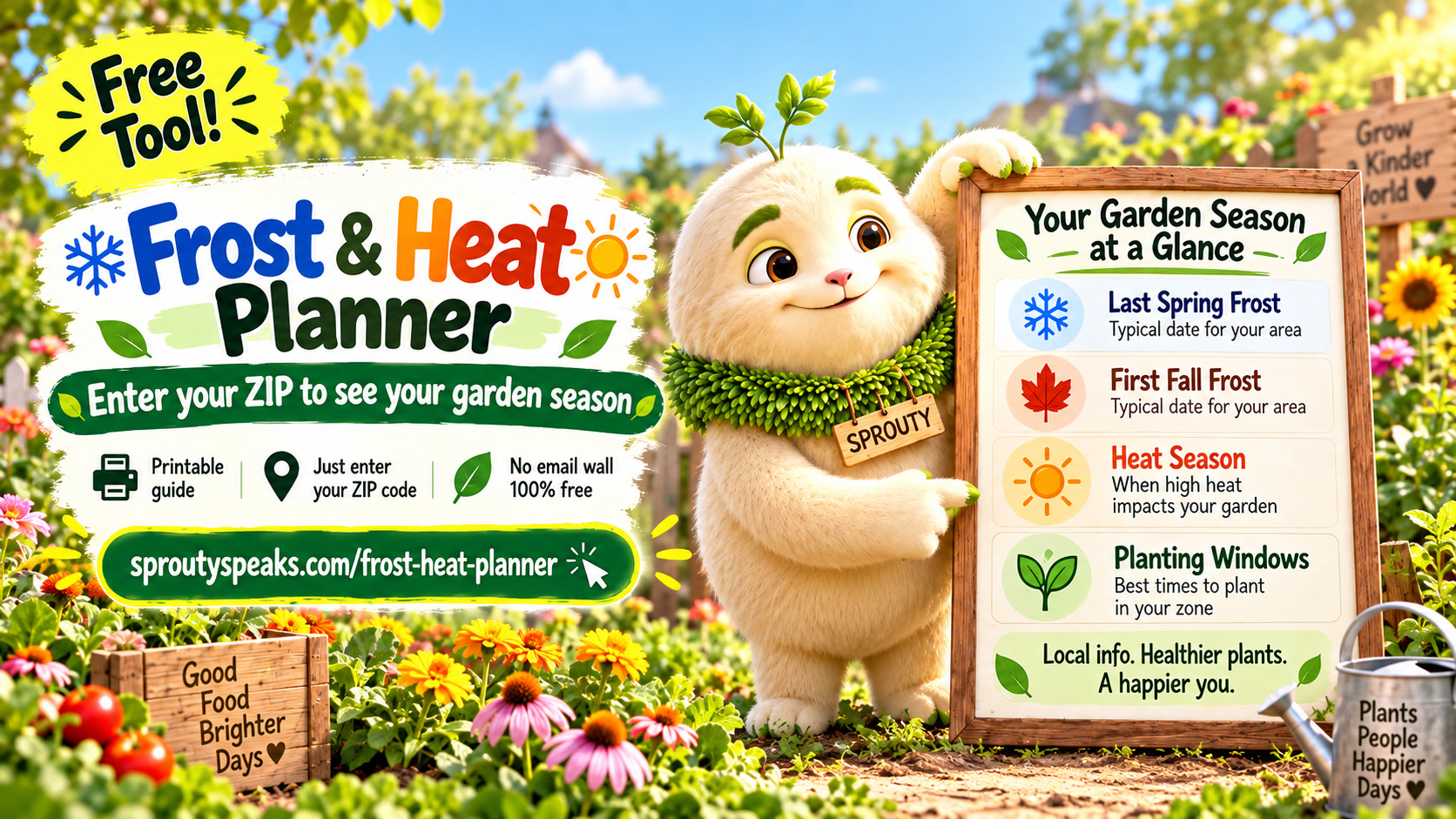
Watch Sprouty & Sophie on the Frost & Heat Planner
See Sophie and Sprouty discover how easy it is to look up frost and heat windows in our latest quick tip video.
The Big Gardening Myth: "My USDA Hardiness Zone Tells Me When to Plant"
The single most widespread misconception in home gardening is using your USDA Plant Hardiness Zone to schedule your seed starting and planting dates.
Here is why that gets gardeners into trouble every single year: as explained by the USDA Agricultural Research Service, your hardiness zone is calculated exclusively from the average annual extreme minimum winter temperature over a 30-year span. It is divided into 10°F bands and 5°F subzones.
That winter minimum is invaluable when you want to know whether a perennial shrub, fruit tree, or rose bush can survive midwinter deep freezes. It tells you nothing about when spring begins or when autumn ends.
- Coastal Pacific Northwest (Zone 8b): Mild maritime winters mean temperatures rarely drop below 20°F. However, cool, damp spring soils linger well into May, and autumn freezes might not arrive until mid-to-late November.
- Central Texas (Zone 8b): The exact same zone rating! Yet last spring frosts can wrap up by mid-March, blistering 100°F summer heat arrives with a vengeance by June, and first autumn freezes often wait until December.
- Piedmont North Carolina (Zone 8a): Experiencing the same winter low minimums, but with completely different rainfall patterns, late spring cold snaps, and distinct October frost windows.
If gardeners in Seattle, Austin, and Raleigh all planted tomatoes on the same day because they are all in "Zone 8," two out of the three would watch their seedlings either rot in chilly mud or die from a snap frost. To schedule your garden accurately, you must look at historical freeze probabilities and local climate normals—not just winter extremes. For a deeper breakdown of climate zones, explore our guide on understanding plant hardiness zones.
The Math Behind Frost Dates: Why a Single Date Is a Trap
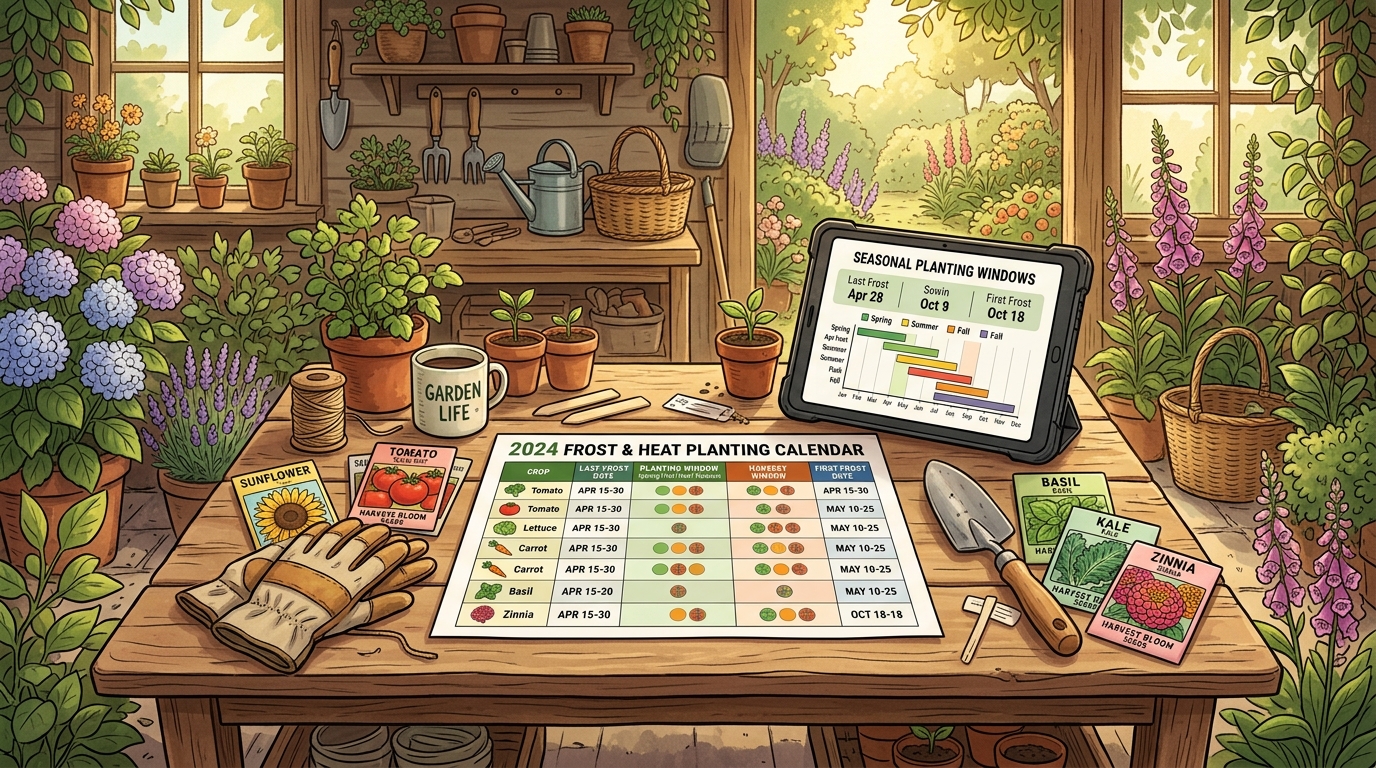
When an almanac or seed packet claims, "Your last frost date is April 25," what does that actually mean?
According to the official calculation standards from the NOAA National Centers for Environmental Information (NCEI), that standard published date is almost always the 50% probability date based on 30 years of meteorological records (the 1991–2020 Climate Normals).
That means in exactly 5 out of 10 years, the last freezing temperature occurs after that date! Setting your tender heirloom tomatoes or basil out on the 50% date is literally a coin flip with mother nature.
To garden smartly, you need to understand the probability spread, as documented in extension research from the University of Maryland Extension:
That is why our free Frost & Heat Planner doesn't just hand you a single vulnerable date. It displays the entire NOAA probability window, giving you the conservative 10% safety date so you never lose expensive warm-season seedlings to a late spring cold front.
The Microclimate Trap: Why Your Backyard Frosts Before the Weather App
Have you ever checked your phone on an October morning, seen a forecast low of 36°F, and walked outside to find your pepper leaves encrusted with frost?
You aren't imagining things. That discrepancy comes down to two physics principles that every gardener should understand, as detailed by the National Weather Service:
- Measurement Height vs. Ground Level: Official weather station thermometers are housed in ventilated instrument shelters mounted 5 to 6 feet above the ground. On clear, windless nights, cold air is heavier and denser than warm air. It sinks directly to the soil surface. Soil and leaf temperatures can easily be 3°F to 6°F colder than the official air temperature measured at shoulder height.
- Radiational Cooling: When the night sky is clear and relative humidity is low, plant foliage radiates heat directly out into space as infrared energy. The leaf surface cools down much faster than the surrounding air. When leaf temperatures hit 32°F, water vapor condenses and freezes directly onto plant cells—even when the ambient air temperature measures 35°F or 36°F.
- Topographical Cold Air Drainage: Cold air behaves just like water: it flows downhill and collects in low spots, depressions, and against solid fences. If your garden sits at the bottom of a slope, you have a natural "frost pocket" that may experience freeze conditions 10 to 14 days earlier in autumn and later in spring than a garden on an upper ridge.
The Forgotten Half of Gardening: Midsummer Heat Stress
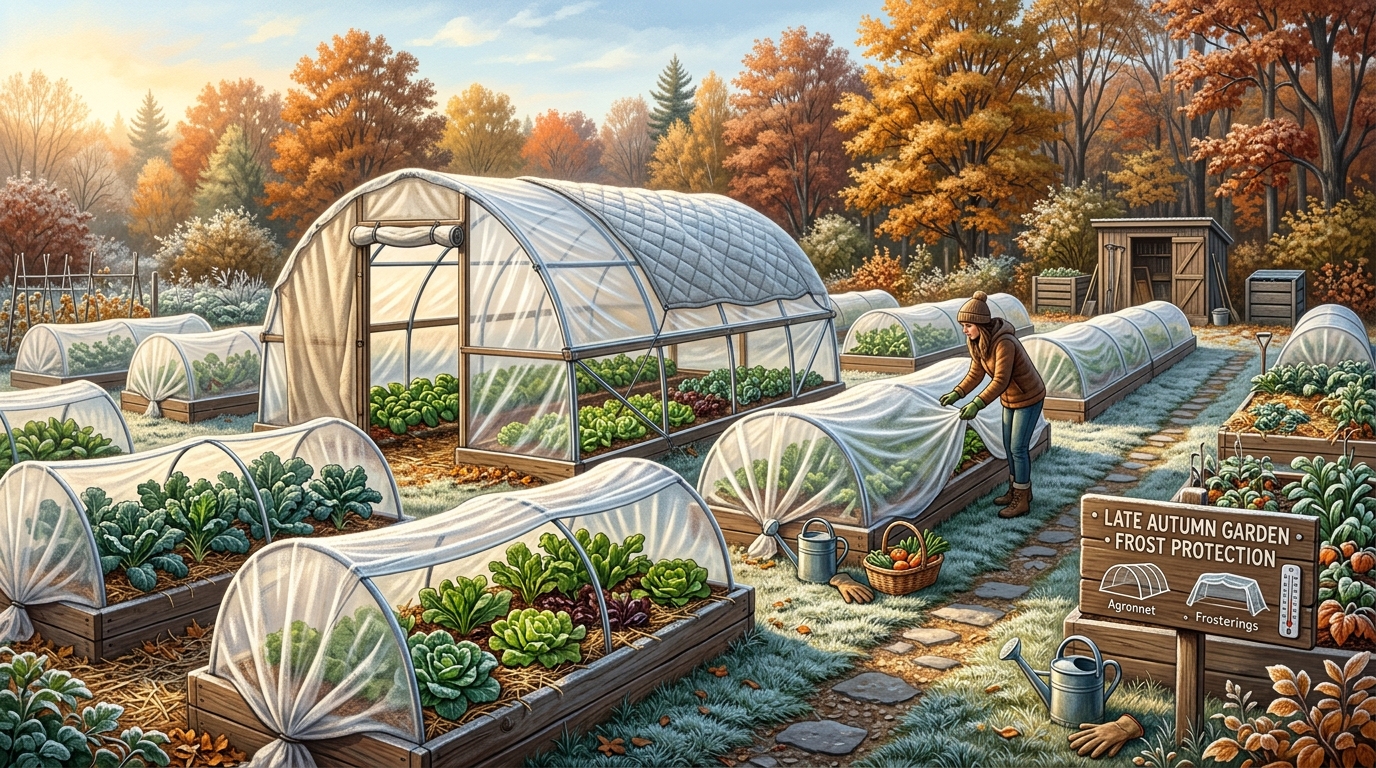
Most traditional gardening guides obsess over frost. But in modern summers, extreme heat is just as destructive as sub-freezing temperatures.
When daily high temperatures reach 90°F (32°C) or higher, plant physiology shifts dramatically:
- Tomato & Pepper Blossom Drop: Nighttime temperatures staying above 72°F combined with daytime spikes above 90°F cause pollen in solanaceous flowers to become sterile. As documented by the University of Maryland Extension's fruit set studies, unfertilized tomato blossoms dry up and drop off the vine without setting fruit, halting your harvest for weeks.
- Premature Bolting in Cool-Season Greens: High soil temperatures signal crops like spinach, lettuce, cilantro, and radishes that their lifecycle is under threat, causing them to send up flower stalks, turn unpalatably bitter, and stop leaf production.
- Transplant Root Shock: Young seedlings transplanted into scorching soil lose moisture through their leaves faster than tiny root systems can absorb it, leading to permanent vascular collapse.
That is why Sprouty's Frost & Heat Planner includes a monthly Heat Watch. Powered by NOAA 1991–2020 Normals, it tracks the average number of days per month your specific area tops 90°F. Knowing exactly when heat season begins helps you get warm-season crops planted early enough to set fruit before summer scorch, and tells you when to hold off on fall seed sowing until the temperature breaks.
☀️ How to Use the Free Frost & Heat Planner (Step-by-Step)
We built this tool to be completely frictionless for everyday gardeners:
- Visit the Frost & Heat Planner.
- Enter your 5-digit ZIP code.
- Review your estimated Last Spring Frost window (90%, 50%, and 10% safety date) and First Fall Frost window.
- Check your total frost-free growing season length and your monthly Heat Watch risk.
- Click Print Guide to generate a clean, one-page printable cheat sheet with a privacy-safe QR code to hang up in your greenhouse or potting shed!
Connecting the Dots: How to Use Your Dates in the Garden
Once you know your actual climate windows, everything in your garden becomes easier to schedule:
1. Counting Backward for Autumn Harvests: Take your 50% first fall frost date and count backward by the "days to maturity" listed on your seed packet, plus an extra 10 to 14 days for the "Persephone period" (when daylight drops below 10 hours and plant growth slows to a crawl). That gives you your exact late-summer sowing cutoff. If you grow sweet potatoes, remember to review our guide on why you must harvest sweet potatoes the day frost strikes.
2. Pairing with the Planting Calendar: Use your frost window alongside our interactive Vegetable Planting Calendar to see indoor start dates, direct sow dates, and transplant targets customized for your region.
3. Knowing What to Plant Right Now: Unsure whether to start cool-season seeds or wrap up your summer beds? Check out our quick visual tool What to Plant Now to see immediate planting recommendations based on today's date and your local frost schedule.
🌱 Sprouty's Golden Rule: Plan with Science, Plant with Joy
Gardening shouldn't be about guessing or stressing over unpredictable weather. When you know your real frost probabilities and heat thresholds, you can stop gambling on fragile seedlings and start enjoying the rhythm of every season. Grab your ZIP code, print out your planner, and let's get growing!
Looking for more seasonal guidance? Read our comprehensive Seasonal Tips Playbook, discover what to plant in your fall garden, learn the secret to timing cool-weather greens in our late September spinach seeding guide, and explore all of our free garden tools at Sprouty's Frost & Heat Planner.