
Your USDA hardiness zone may have changed on the 2023 map—but many locations stayed exactly the same. The map is built from the average annual extreme minimum temperature, and its job is narrow: helping you judge whether a perennial is likely to survive winter where you garden. It does not predict your last spring frost, your summer heat, your rainfall, or whether a particular cultivar will actually flower or set fruit. Before you change a single planting decision, look up your exact location on the current map.
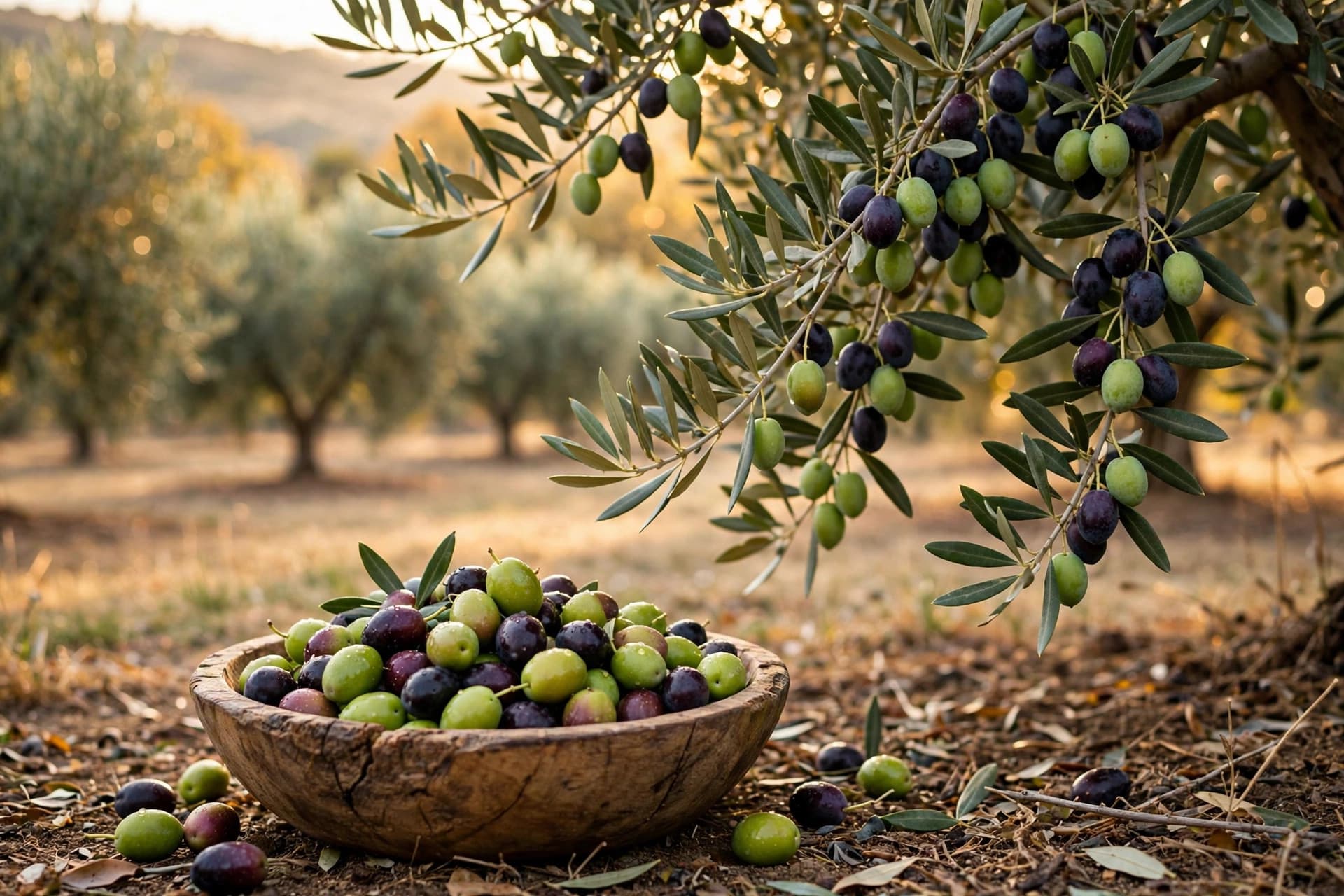
Sophie (kneeling by the garden bed, phone in one hand, nursery tags in the other): “Says here we’re 7b now. We were 7a. Does that mean I can finally grow that olive tree?”
Sprouty (peering at the map over her shoulder): “It means you can finally try one. With mulch on standby and a backup plan.”
Which map update are we actually talking about?
The current USDA Plant Hardiness Zone Map was released in 2023, built on weather data from 1991–2020. It replaced the 2012 edition, which used 1976–2005 data. Because the newer 30-year window ran warmer on average, a lot of locations shifted into a warmer half-zone—and headlines ran with “everyone’s zone changed.”
That isn’t what happened. USDA reports that roughly half the country stayed in the same half-zone on the new map. About half of locations moved up a half-zone; about half didn’t move at all. So the first question isn’t “what can I grow now?”—it’s “did my location actually change?” (USDA ARS on the 2023 update)
Look up your zone—then compare the two maps
Before you buy a single plant, confirm your current zone. It takes less than a minute:
- Visit the official USDA Plant Hardiness Zone Map at planthardiness.ars.usda.gov.
- Enter your ZIP code in the search box.
- Your zone (e.g., “7b”) appears instantly, along with the average extreme minimum temperature range for your area.
- Then compare editions: USDA publishes both the 2012 and 2023 maps plus difference maps as downloads, so you can see whether your location truly shifted or just got swept up in the headlines. Map editions and downloads
Many gardeners discover they moved from, say, 6a to 6b. Some discover they didn’t move at all. Both answers are useful—the second one just saves you money.
What a half-zone change actually means
Take 6a → 6b as the example, since a single half-zone step is what most changed locations actually saw. One half-zone represents about 5°F in the average annual extreme minimum temperature—the average of each year’s single coldest night, stretched over 30 years.
Notice what that is not:
- It is not a measurement that your garden got 5°F warmer.
- It is not a promise that future winters will be milder.
- It is not a full-zone leap. A label change from 6b to 7a is one half-zone, not a ticket to zone-8 plants.
Think of it as a statistical nudge to your odds of perennial winter survival—not a weather forecast, and not permission to garden a full zone warmer.
What the map can’t tell you
The zone map answers one question: how cold does it typically get on the coldest night? Everything below is outside its job description:
- Your last spring frost. Zones say nothing about planting dates. A zone 7 garden can still get a killing frost weeks after the last cold night the map measured. For timing, use frost dates instead—see our frost-date planting planner.
- Summer heat. A zone 8 in Texas and a zone 8 in coastal Oregon share a winter-minimum label and almost nothing else. Heat, humidity, and day length decide just as much.
- Rainfall. Wet winters kill as many borderline plants as cold ones (more on that below).
- Which kind of “survival” you’ll get. This is the big one. “Hardy to zone 6” can mean four different things, and they don’t always travel together:
- Roots survive (the plant returns from the base),
- evergreen foliage survives (leaves stay green and intact),
- flower buds survive (you actually get blooms),
- fruit ripens (you actually get a harvest).
- Wind. Cold wind doesn’t lower the air temperature the way wind chill does for exposed human skin—a thermometer in the wind reads the same. What wind does is strip moisture from evergreen leaves and stems faster than roots can replace it from cold soil. That’s desiccation, and burlap screens address the moisture loss, not the temperature.
- Your microclimate. A south-facing brick wall or a sheltered courtyard genuinely helps a borderline plant—brick absorbs daytime heat and releases it at night. But there’s no universal rule that a courtyard “adds one full zone.” Treat shelter as better odds, not a new zone label.
Sprouty’s Rule of Thumb
The zone map is built on averages. A single polar-vortex winter can erase a decade of mild ones for a marginally hardy plant. Treat a new zone as permission to experiment—with protection on standby—not as a guarantee printed on the tag.
Before you buy: judge the cultivar, not just the species
A plant tag that says “hardy to zone 7” is the beginning of the evaluation, not the end. Cultivars within one species can differ by a full zone or more, and the four kinds of survival above don’t always line up. The table below lists plants worth a trial if your label moved a half-zone warmer—each with the catch that the tag won’t tell you.
| Plant | Worth a trial if your label moved… | The catch |
|---|---|---|
| Bigleaf hydrangea Hydrangea macrophylla |
5b → 6a | Roots were never the problem—flower buds are. A half-zone improves bud survival; it doesn’t promise mopheads every year. |
| Camellia hybrids (‘Winter’s Star’, ‘Snow Flurry’) | 6a → 6b | Rated around zone 6b, and even there, flower buds need shelter from late freezes. Site against a wall; don’t judge by foliage alone. |
| Fig ‘Chicago Hardy’, ‘Brown Turkey’ Ficus carica |
6b → 7a | Root-hardy, but top growth often dies back and regrows. Still mulch heavily—zone 7 does not mean you can skip winter protection. |
| Crape myrtle ‘Natchez’, ‘Dynamite’ Lagerstroemia indica |
6b → 7a | Reliably woody in zone 7. In 6b they often die to the ground and regrow—you may still get flowers on new wood, but not a tree form. |
| Mexican sage Salvia leucantha |
7b → 8a | Typically a zone 8 plant. In 7b it’s an experiment even with heavy mulch—trial it in your warmest pocket, don’t landscape with it. |
| Olive ‘Arbequina’ Olea europaea |
8a → 8b | Survives about 12–15°F, so 8a cold pockets are still risky. Fruit needs long heat—in marginal zones, grow it for the silvery architecture, not the harvest. |
| Windmill palm Trachycarpus fortunei |
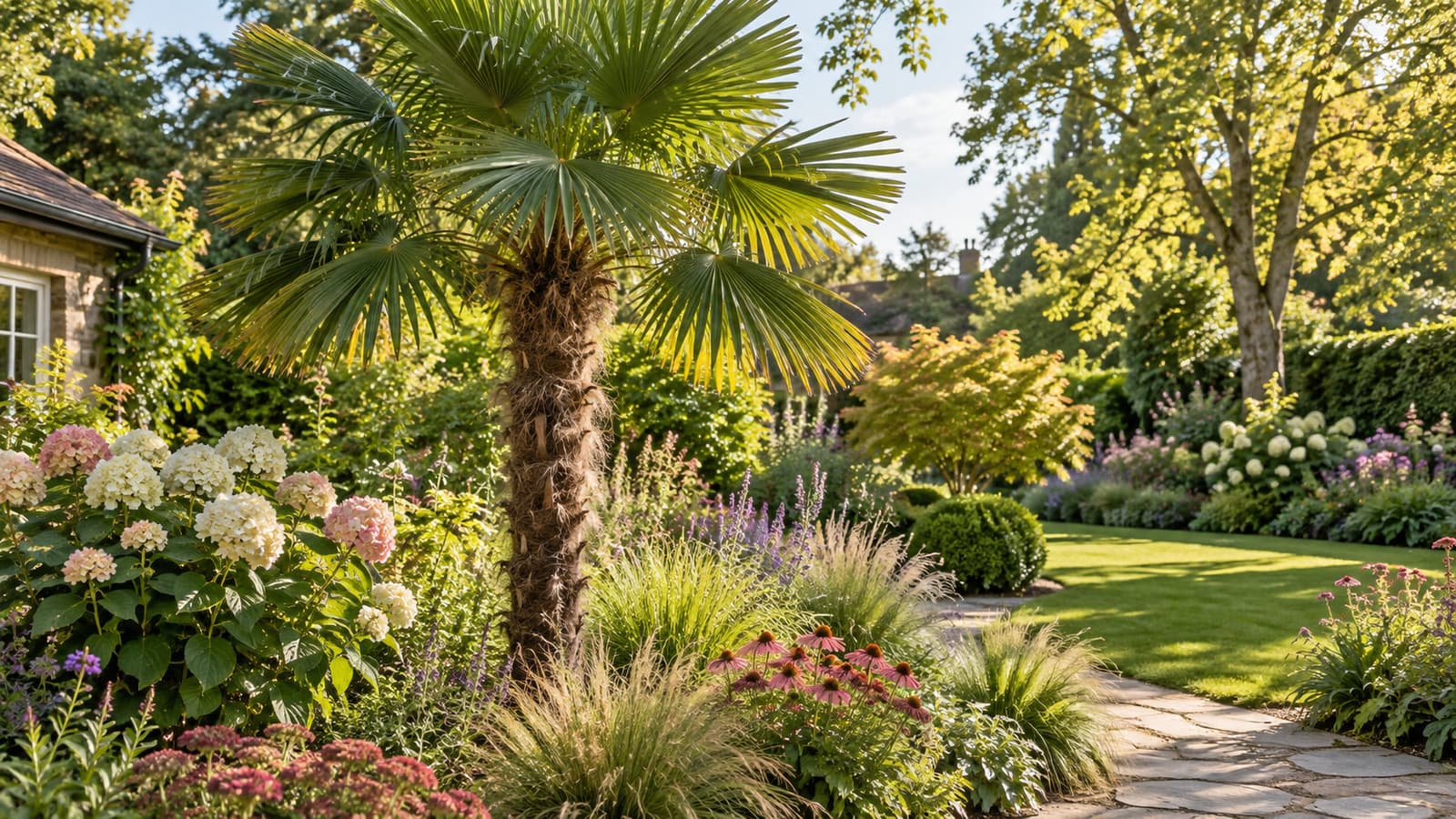
7b → 8a | Established specimens handle the low teens, but young palms need protection for their first few winters regardless of zone. |
| Meyer lemon Citrus × meyeri |
8b → 9a in-ground; zone 8 stays in containers | Handles about 20°F briefly; foliage and fruit suffer below that. Containers moved indoors remain the safe play anywhere colder than 9a. |
Two checks before anything goes in the ground. First, look up the plant on your state’s invasive species list—enthusiastic self-seeding isn’t a virtue everywhere (butterfly bush, for example, is invasive in parts of the Pacific Northwest and restricted elsewhere). Second, give natives a fair hearing: a plant already proven in your region skips the entire hardiness gamble, and many pull double duty for pollinators.
Run a small trial—with records and winter protection
If your label did move, here’s the disciplined way to act on it:
- Confirm your zone at planthardiness.ars.usda.gov—not from a headline.
- Pick one or two “stretch” plants rated to your zone, using the table above as a starting point.
- Start small. Buy one specimen of each, not five. You’re running an experiment, not landscaping.
- Site it like it matters: your best drainage and your most sheltered warm pocket. Wet winter soil kills more borderline plants than cold air does—excellent drainage genuinely improves survival odds (it doesn’t change your zone, but it changes your plant’s chances).
- Protect the first two winters: thick mulch over the root zone, frost cloth on the coldest nights. An established root system handles extremes far better than a new transplant.
- Keep records: photograph the nursery tag (cultivar name matters more than the species), note the planting date, jot down each winter’s lowest temperatures, and record what survived—roots, foliage, buds, fruit separately.
Starting a trial plant from seed rather than buying a specimen? Our seed-starting guide covers timing it so seedlings are sturdy before they face their first winter.
Save this line for later: “A warmer hardiness zone isn’t a guarantee—or a planting date.” Check the map, trial one plant, write down what happens. That’s the whole method.
Sources
- USDA ARS: 2023 Plant Hardiness Zone Map update — release announcement, dataset years, and the share of the country that stayed in the same half-zone.
- USDA Plant Hardiness: map editions and downloads — 2012 vs. 2023 editions and difference maps for comparing your location.