
Spring is one of the most exciting times in the garden. The weather starts warming up, the soil begins to wake up, and suddenly it feels like everything is ready to grow. If you’ve been wondering what to plant in March, you’re not alone. This is the month when many gardeners get the itch to dig, sow, water, and dream big.
The good news? You do not need to do everything at once.
March is all about starting smart. Depending on where you live, it may still be chilly, or it may already feel like full spring. That is why the best March gardening plan is simple: plant cool-season crops first, start warm-season plants carefully, and prepare your garden for the busy weeks ahead.
Let’s walk through it together.
Why March Is a Great Planting Month
March is the bridge between winter and spring. For many gardeners, it is the ideal time to begin planting because the soil is becoming workable, longer daylight hours help seedlings grow, and cool-season vegetables often thrive before the summer heat arrives.
It is also a great month to build momentum. Even a few containers, a raised bed, or a sunny corner of the yard can become productive if you start now.
If you are a beginner, March is a forgiving month to learn because many early crops grow quickly and give you visible progress fast.
First, Know Your Local Weather
Before planting anything, take a moment to check your local conditions. March gardening looks different depending on your climate.
If you still have frost, focus on hardy vegetables, herbs, and flowers that can handle cooler temperatures. If your area is already warming up, you may be able to plant much more.
A simple rule: if your nights are still cold, do not rush tender summer plants like tomatoes, peppers, cucumbers, or basil into the ground too early. They prefer warmth and can struggle in chilly soil.
Best Vegetables to Plant in March
March is excellent for cool-season vegetables. These crops usually prefer mild weather and often perform best before summer heat arrives.
1. Lettuce
Lettuce is one of the easiest vegetables to grow in early spring. It grows quickly, does well in containers, and gives beginners a confidence boost. You can sow seeds directly in the soil or in pots.
2. Spinach
Spinach loves cool weather. It is one of the best early-spring crops because heat can make it bolt quickly later. Plant it in a sunny or partly sunny spot and keep the soil evenly moist.
3. Radishes
If you want fast results, radishes are your friend. Many varieties are ready in just a few weeks, making them perfect for impatient gardeners.
4. Carrots
Carrots can be sown directly in loose, well-prepared soil. They need a little patience, but they are a rewarding crop to start in spring.
5. Peas
Peas are classic March favorites. They enjoy cool temperatures and can be planted early in the season. Give climbing varieties some support, and they will thank you.
6. Beets
Beets are easy to grow and very useful because both the roots and the greens can be eaten. They do well in cool spring weather.
7. Kale
Kale is tough, nutritious, and beginner-friendly. It handles cool temperatures beautifully and often tastes sweeter when grown in chilly weather.
8. Swiss Chard
Swiss chard is productive, colorful, and easier than many people expect. It can keep producing for a long time if harvested regularly.
9. Green Onions
These are simple, practical, and great for small spaces. They grow well in garden beds and containers.
10. Potatoes
In many regions, March is a good time to plant potatoes. If your soil is workable and not waterlogged, you can get started.
Herbs to Plant in March
Herbs are one of the easiest ways to make your garden feel lively and useful.
Parsley
Parsley is a cool-season favorite and can handle spring weather well.
Cilantro
Cilantro grows best when temperatures are still mild. March is often one of the best times to grow it before the heat causes it to flower too quickly.
Chives
Chives are reliable, low-maintenance, and handy in the kitchen.
Dill
Dill grows well in cooler conditions and adds a light, fresh look to the garden.
Mint
Mint is easy to grow, but it spreads fast. It is usually best grown in a container unless you want it to take over.
Flowers to Plant in March
If you want color as well as food, March is a lovely time to get flowers going.
Marigolds
Marigolds are cheerful, easy, and useful in vegetable gardens too.
Calendula
Calendula is a great cool-season flower with sunny blooms and a cottage-garden feel.
Pansies
If the weather is still mild, pansies are wonderful for early spring color.
Sweet Peas
Sweet peas are loved for their fragrance and soft beauty. They prefer cooler weather.
Snapdragons
Snapdragons bring height and charm to spring gardens and often perform well in cooler temperatures.
Can You Plant Tomatoes in March?
Yes — but carefully.
In many places, March is too early to plant tomatoes outdoors unless your weather is already warm and frost-free. A safer approach is to start tomato seeds indoors or buy healthy seedlings and wait until nights are consistently mild before transplanting outside.
Tomatoes love warmth. If planted too early, they may sit still, struggle, or become damaged by cold weather.
The same goes for peppers, cucumbers, eggplant, and basil. These are warm-season plants, so patience pays off.
March Gardening Jobs Beyond Planting
March is not only about planting. It is also one of the best months to prepare your garden for success.
Clean up gently
Remove dead debris, broken stems, and winter mess, but do not strip everything too aggressively. Your garden may still be sheltering beneficial life.
Refresh the soil
Add compost to beds and containers. Healthy soil gives plants a stronger start.
Pull early weeds
Tiny weeds are much easier to remove now than later.
Check your tools
Clean pruners, trowels, gloves, seed trays, and watering cans before the busy season begins.
Plan your spacing
It is tempting to plant everything too close together. Give plants room to breathe and grow.
Start seeds indoors
If your warm-season garden is part of the plan, March is a good month to start seeds indoors in many areas.
March Planting for Small Spaces
No big backyard? No problem.
You can still have a beautiful and productive March garden with:
Lettuce in shallow containers
Mint, parsley, and cilantro in pots
Radishes in balcony planters
Green onions in narrow containers
Spinach in railing boxes
Flowers in mixed patio pots
Even one sunny windowsill or a few containers near a doorway can become your spring gardening project.
Common March Gardening Mistakes to Avoid
One of the biggest mistakes is planting warm-season crops too early. Another is working wet soil. If the soil is soggy and sticks heavily, wait a bit before digging.
Overcrowding is another common issue. Seedlings may look tiny now, but they will need more space later.
And finally, do not underestimate the weather. March can be sunny one day and surprisingly cold the next. Keep an eye on sudden temperature drops.
A Simple Beginner Planting Plan for March
If you are new and want the easiest possible start, try this:
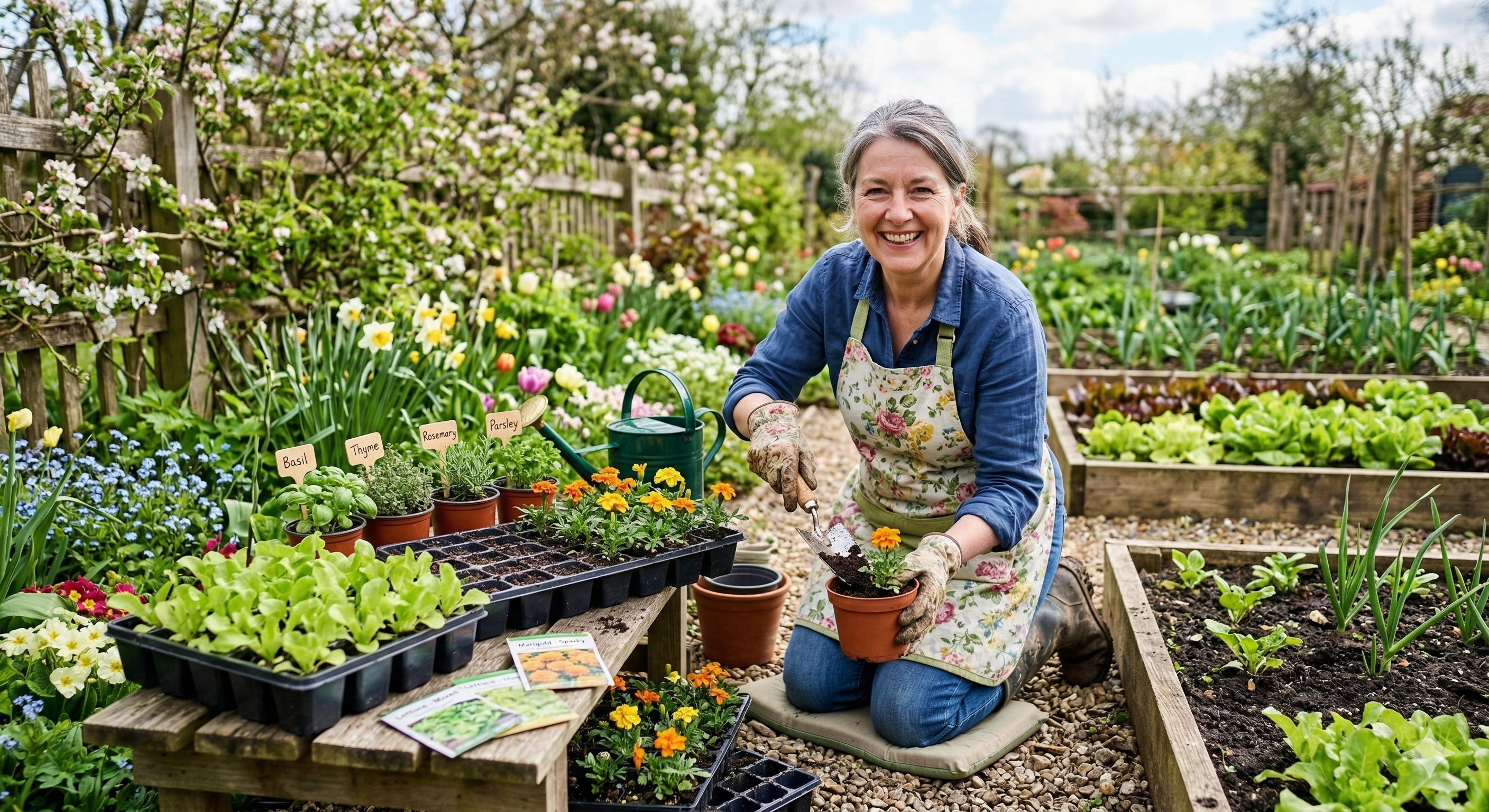
Plant lettuce, spinach, radishes, and parsley first. Add a pot of mint or chives. Include marigolds or calendula for color. That gives you a garden that feels alive quickly without becoming overwhelming.
This small start is enough to build confidence, and confidence is one of the most important things a gardener can grow.
Sprouty’s Friendly Reminder
You do not need a perfect garden in March. You just need a beginning.
A few seeds. A little soil. A bit of hope. That is more than enough.
Gardening is not about doing everything at once. It is about learning season by season, plant by plant, and enjoying the process as you go.
So if you’ve been waiting for the right moment, this is it. March is a wonderful time to start.
Quick March Planting Checklist
Check your local frost risk
Plant cool-season vegetables
Start herbs in pots or beds
Add early flowers for color
Refresh soil with compost
Pull young weeds early
Start warm-season seeds indoors if needed
Avoid planting tender crops outside too soon
FAQs
What vegetables grow best in March?
Lettuce, spinach, peas, radishes, carrots, beets, kale, Swiss chard, and green onions are all excellent choices for March in many climates.
Is March too early to start a garden?
Not at all. March is one of the best months to begin, especially with cool-season crops and basic garden prep.
Can I plant tomatoes in March?
You can start them indoors in many places, but planting them outdoors depends on your local weather and frost risk.
What flowers can I plant in March?
Marigolds, calendula, pansies, sweet peas, and snapdragons are great options depending on your climate.
What if I only have a balcony or patio?
You can still grow herbs, greens, radishes, and flowers in containers. Small-space gardening works beautifully in March.