
It starts with the most innocent question in the garden. Sophie looked out at the late-summer border, pointed her shears at the bushy lilac, and asked: "Can I just give this lilac a quick September haircut to neaten it up for fall?"
Sprouty's immediate answer: Step away from the shrub and drop the shears!
It sounds completely logical. September is when we rake beds, clear spent annuals, and tuck our perennials in for winter. Giving an unruly shrub a clean, boxed-off "haircut" feels like responsible garden maintenance. But when it comes to lilacs (Syringa vulgaris and its relatives), a September trim isn't good housekeeping. It is a flower-cancellation notice.
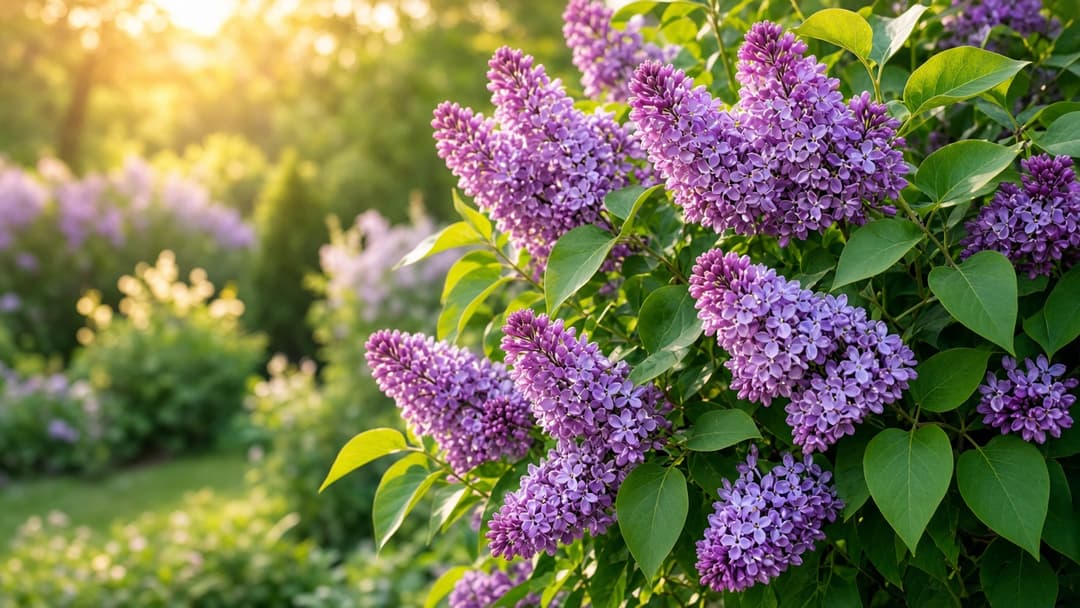
Watch Sprouty & Sophie Break Down the Lilac Haircut
See why autumn pruning deletes spring purple blooms in our latest quick tip video.
The Plant Botany: How Lilacs Set Their Flower Buds
To understand why a September trim is so catastrophic, you need to understand one core botanical concept: old wood vs. new wood.
Some flowering shrubs (like butterfly bushes, panicle hydrangeas, and rose of Sharon) bloom on "new wood" — fresh shoots that sprout in early spring. You can prune those in late winter, and they will still bloom happily come July because their flowers haven't formed yet.
Lilacs belong to the opposite camp. Lilacs bloom strictly on old wood.
As documented in the University of Minnesota Extension guide to growing lilacs, lilacs initiate their embryonic floral buds right after their spring bloom finishes. Throughout June, July, and August, while you are enjoying your summer tomatoes, the lilac bush is quietly packing next year's blooms into tight, resinous buds located at the very ends of its current branches.
🌿 The Anatomy of a September Lilac Branch
By the first week of September, next May's panicles of purple, white, or magenta blossoms are 100% complete and nestled inside the outermost 2 to 4 inches of stem growth. When you cut back the outer canopy to create a neat sphere or level hedge, you are not pruning "excess wood" — you are shearing off every single floral bud the plant spent all summer assembling.
What Actually Happens When You Prune in September
If you gave your lilac a haircut this week, here is the chain reaction you set in motion:
- You remove 100% of the flowering terminals: Lilacs produce their flowers from the terminal (tip) and upper lateral buds. Lower buds on the stem are almost exclusively vegetative (leaves only). Cutting off the top few inches leaves only leaf nodes behind.
- You provoke tender, frost-vulnerable growth: In many climates, a late-summer trim triggers a burst of soft new green shoots. These tender flushes do not have enough weeks of warmth left to harden off before the first autumn freeze, leaving the plant vulnerable to winter dieback and fungal entry wounds.
- Next May becomes a "blind" green hedge: When spring rolls around, your bush will awaken, push vigorous emerald foliage, and look seemingly healthy. But there won't be a single flower cluster or a whiff of lilac perfume. Gardeners often think their soil is deficient or blame an odd winter, when the culprit was simply their own September shears.
When to Actually Prune Lilacs: The Golden Post-Bloom Window
If September is off-limits, when are you actually supposed to prune? As emphasized by horticulturists at Iowa State University Extension, there is one narrow, golden window: the 2 to 3 weeks immediately after the flowers fade in late spring (May or early June).
Pruning right after petal-fall achieves three vital things:
- Deadheads spent seedheads: Cutting off the brown flower trusses prevents the plant from funneling energy into setting seeds, redirecting that vitality into strong bud formation for next year.
- Protects future buds: The new buds haven't formed yet, so any shaping cuts you make will not sacrifice future flowers.
- Maximizes daylight hours: The shrub gets a full three months of warm summer sunshine to grow new shoots and produce robust floral primordia.
How to Make the Proper Cut
When deadheading or shaping in late spring, do not shear the bush flat with hedge trimmers. Instead, use clean bypass pruners and cut individual stems just above a pair of leaves or side buds. Those two leaf axils will send out two new lateral shoots, giving you twice as many flowering stems the following year.
The Only Things You CAN Cut in September: The 3 D's
Does this mean your pruners must stay locked away until next May? Not entirely. There is one universal exception in horticulture that applies 365 days a year:
✂️ The 3 D's: What is Always Safe to Prune
- Dead Wood: Brittle, hollow, gray branches with no green cambium underneath can be removed right back to healthy wood or the base anytime.
- Damaged Wood: Branches cracked or split by wind or passing equipment should be trimmed with a clean, smooth cut to prevent jagged tears that invite rot.
- Diseased Wood: Canes showing signs of bacterial blight or heavy borer infestation should be cut out cleanly and disposed of in the municipal trash (never the compost pile!).
If it's green, healthy, and leafy, leave it alone until spring blooms have finished their show.
What If Your Lilac Is Already an Overgrown Monster?
Many gardeners get itchy shears in September because their lilac has become an unruly 12-foot giant with bare trunks and flowers that only bloom out of reach in the sky. If that describes your bush, chopping the top off in autumn will only make it angrier, creating a thick broom of weak water sprouts.
Instead, use the 3-Year Renewal Method recommended in the UMN Extension Pruning Trees and Shrubs Guide:
- Year 1 (Late Winter dormancy or immediately post-bloom): Cut one-third of the thickest, oldest, woody canes all the way down to 6–8 inches from ground level. Leave the remaining two-thirds to provide foliage and spring flowers.
- Year 2: Cut another third of the oldest original canes to the ground. The vigorous new basal shoots from Year 1 will now be filling in.
- Year 3: Cut the final third of the original old canes to the base.
Within three seasons, your entire lilac will be completely renewed with youthful, flexible, floriferous branches — without ever leaving you without flowers for a season.
🌿 Sprouty's Lilac Golden Rule
A lilac's flower buds are its retirement savings account: they are deposited in July and August, held safe in winter's vault, and cashed in May. A September haircut is like draining that account two weeks before retirement. Let the bush look slightly shaggy this fall. Your reward will be heavy, fragrant, honey-scented purple blooms when spring arrives.
Planning the rest of your autumn garden chores? Check out Sprouty's breakdown of the 7 pruning mistakes gardeners make every season, our complete Fall Gardening Guide & Seasonal Playbook, and our guide on what to plant in your fall garden while the soil is still warm.