
As summer transitions into autumn, garden landscapes begin to shift. Summer annuals tire out, hydrangeas fade into papery browns, and perennial borders prepare to shut down for the year. Yet in the middle of this autumn wind-down, one resilient shrub often bursts into its most dazzling, electric performance of the entire season: lantana (Lantana camara and trailing Lantana montevidensis).
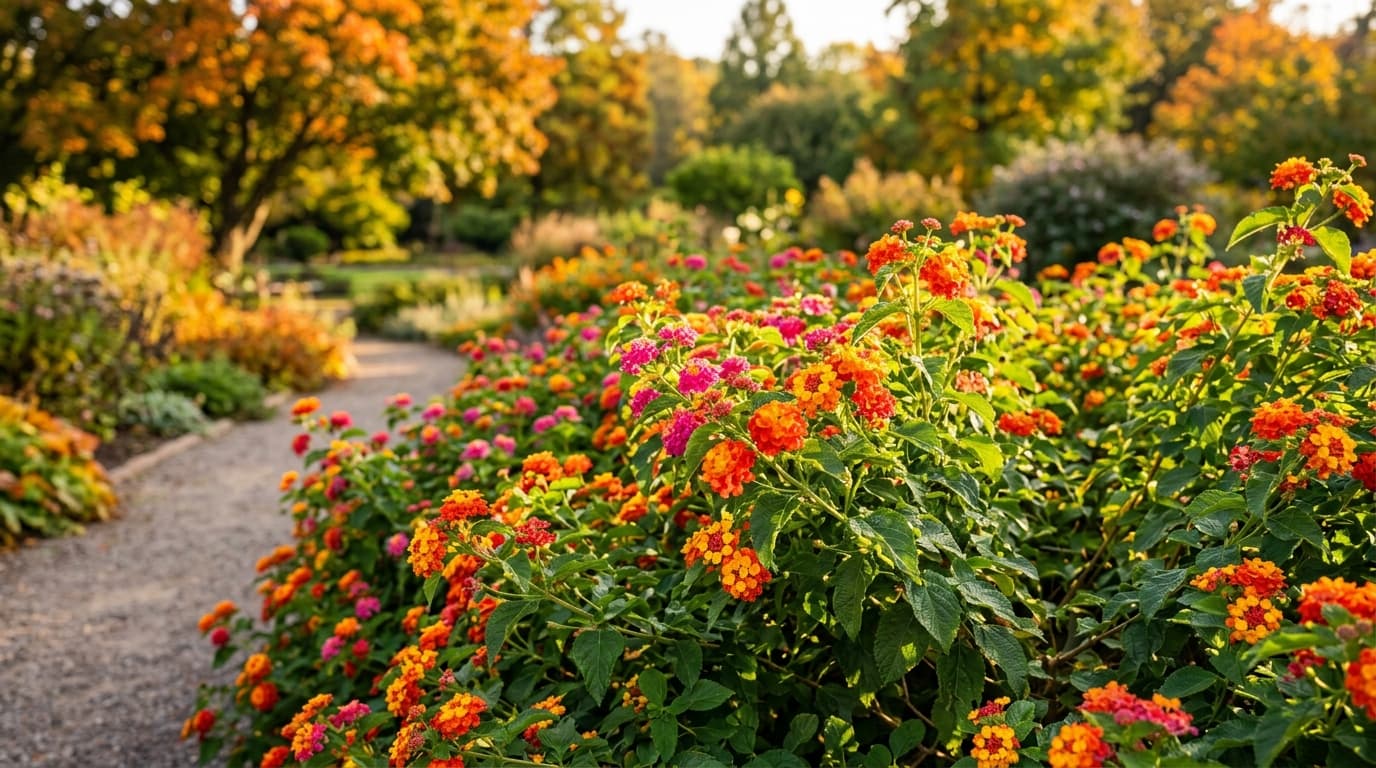
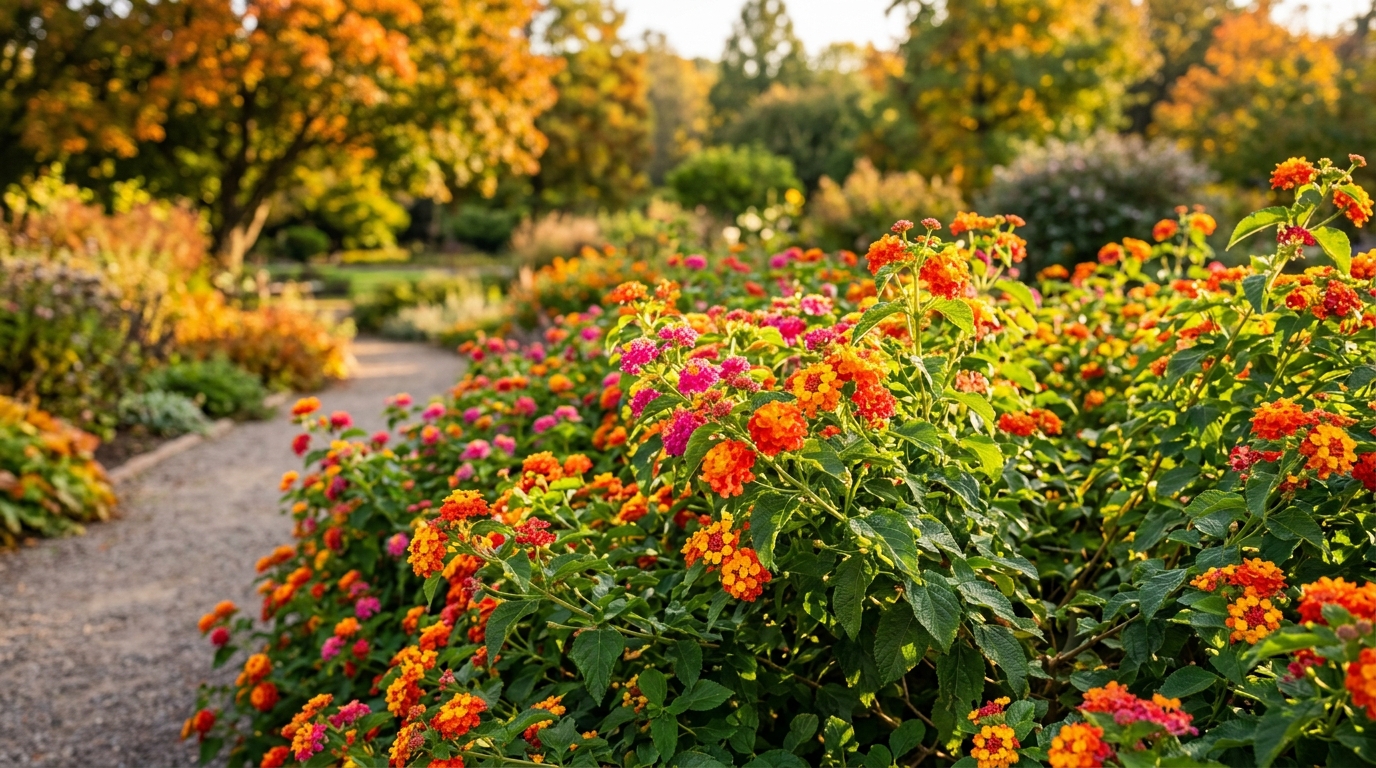
From late August through November, lantana shrubs are ablaze with vibrant domed flower heads — kaleidoscopic clusters shifting through bright golds, blazing oranges, coral pinks, and rich purples. But for many tidy-minded gardeners, the sprawling, semi-woody branches trigger an overwhelming fall cleanup reflex: grab the hedge shears or bypass loppers, shear the bush into a tidy green ball, and "tuck the bed in" for winter.
Put the pruners down! Pruning fall-blooming lantana now is one of the most frustrating mistakes you can make in the autumn garden. Giving lantana a "September or October haircut" doesn't just snip off weeks of breathtaking autumn flowers — it actively endangers the plant's winter survival by stripping its cold-weather insulation and triggering tender new growth right before frost strikes.
That exact conversation unfolded in Sophie's garden this week. Holding heavy bypass pruners poised right above a flowering lantana bush packed with fresh nectar-rich flower buds, Sophie was ready to shape the shrub back to the curb. Before the blades could close, Sprouty intervened:
Sophie: (Gripping bypass pruners and leaning over a sprawling, flower-packed lantana bush) "This lantana has grown huge over summer and it's starting to sprawl over the walkway. I'm going to chop it back right now to tidy up the bed for fall!"
Sprouty: (Gently holding up a paw to stop the pruner blades) "Put the pruners down, Sophie! Don't prune fall-blooming lantana now. That shrub is in the middle of its prime autumn flower show! If you prune now, you chop off all those vibrant flower clusters before they finish, rob late pollinators of nectar, and stimulate soft shoots that will freeze to death in the first cold snap. Leave the flowers until they finish!"
Sophie: (Lowering the pruners with a sigh of relief) "So I leave the blooming show alone through autumn and wait for winter dormancy to prune?"
🌸 On-Screen Lesson: Prune fall-blooming lantana now and you cut off this season's show! Keep pruners sheathed while flower clusters are blooming. Wait for dormancy in late winter or early spring before cutting back.
Watch Sprouty & Sophie on Fall Lantana Pruning
See why putting the pruners down protects your fall blooms and winter crown in our quick video companion.
The Botany of Lantana: Why It Peaks in Late Summer and Fall
To understand why fall pruning is catastrophic for lantana, you have to look at how this remarkable plant grows and flowers. Native to tropical and subtropical regions of the Americas, lantana is an evergreen broadleaf shrub in frost-free climates (USDA Zones 9–11) and a herbaceous dieback perennial in Zone 8. In colder regions (Zones 7 and below), it is commonly planted as an annual or overwintered in frost-free containers.
Unlike spring-blooming shrubs (such as lilacs or azaleas) that set flower buds on old wood in late summer, lantana is a continuous current-season bloomer. It produces dense, rounded inflorescences called umbels at the tips of new vegetative shoots. As long as temperatures stay warm and sunlight remains strong, lantana keeps pushing new terminal growth and unfurling fresh blossoms.
In fact, while many garden ornamentals slow down under midsummer heat stress, lantana hits its true stride as daytime temperatures moderate in late summer and early autumn. The warm days and cooler autumn nights trigger a surge of dense, brilliant blooms that persist until the first killing frost halts cellular activity. Shearing the bush in September or October cuts away the very branch tips that hold weeks of future blossoms.
Three Reasons You Must Never Prune Lantana in Autumn
Beyond cutting short your yard's most vibrant fall colors, pruning into a lantana shrub before winter triggers physiological stress that can cripple or kill the plant:
1. You Chop Off Weeks of Prime Flowering and Starve Pollinators
When you prune a blooming lantana in September or October, you decapitate hundreds of developing flower buds. In Mediterranean and southern climates (including California's Central Valley, the Gulf Coast, Texas, and the Desert Southwest), lantana will reliably bloom straight through Thanksgiving and often into December if frost holds off.
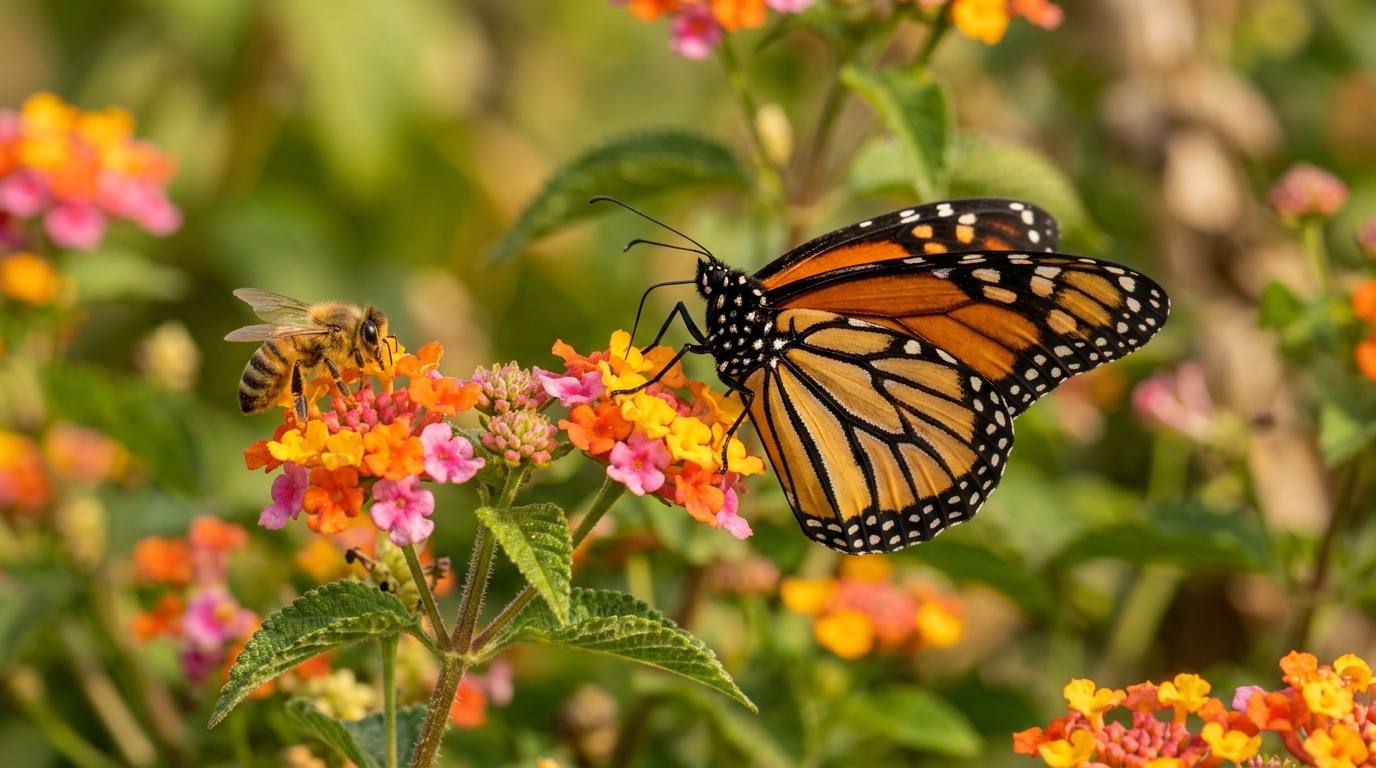
Furthermore, late-season lantana blossoms are an essential biological lifeline. Migrating monarch butterflies, painted ladies, honeybees, and late-season hummingbirds depend on lantana's high-sugar nectar to fuel their journeys or build energy reserves before winter. Erasing those flowers with pruners removes one of the few abundant nectar stations left in the autumn landscape.
2. Autumn Cuts Trigger Tender, Frost-Vulnerable Growth
Pruning is fundamentally a stimulating act. Whenever you cut the terminal tips of a woody or semi-woody shrub while the weather is still mild, you break apical dominance. The plant responds by releasing dormant lateral buds and pumping stored carbohydrates into a flush of fresh, tender, succulent shoots.
Late autumn in most temperate climates brings volatile weather: warm Indian summer days followed suddenly by freezing nighttime dips. Fresh green lantana shoots have thin cell walls with zero cold acclimation. When subfreezing temperatures strike, ice crystals rupture the cells of those tender shoots instantly. The freeze damage doesn't stop at the tips — rot and dieback pathogens can travel downward through the hollow, damaged vascular channels, rotting the main scaffold stems and root crown.
3. Top Canopy Growth Acts as Built-in Winter Insulation
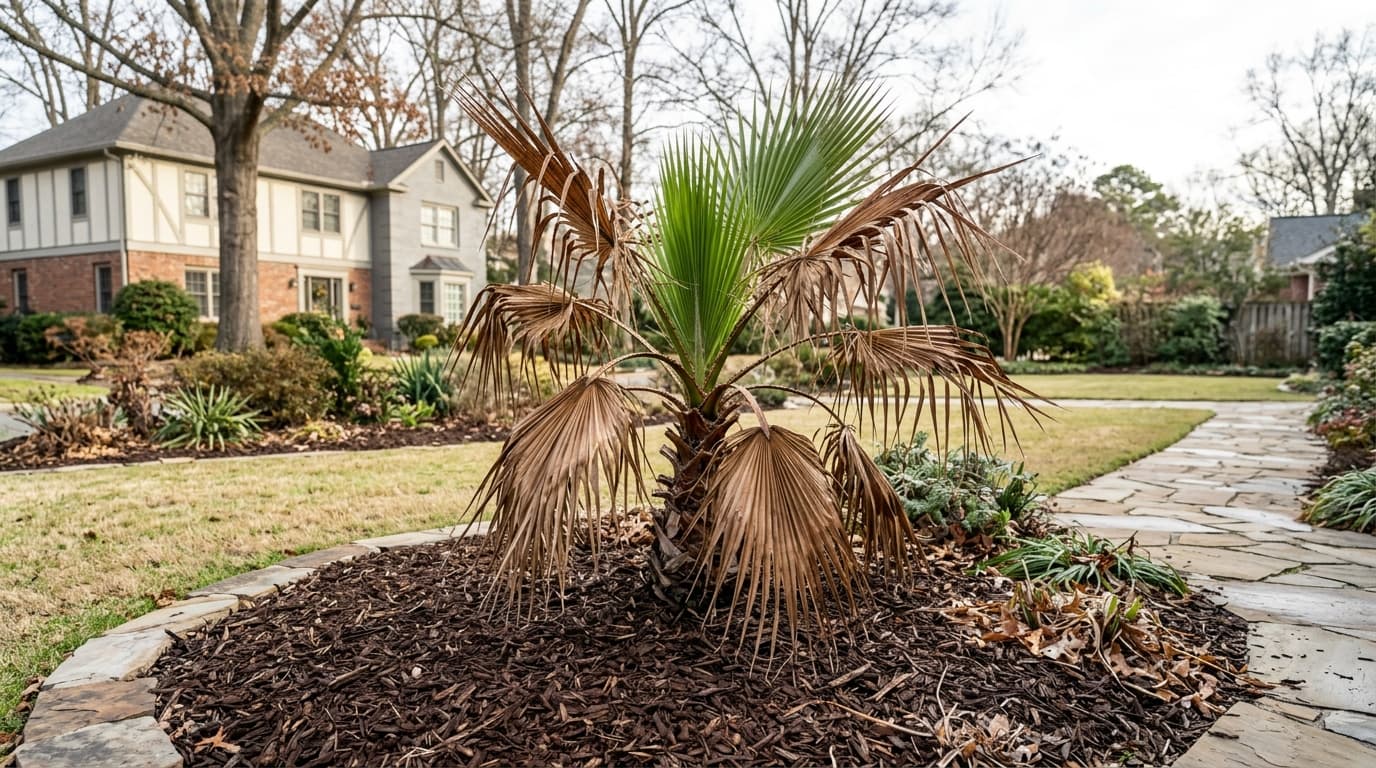
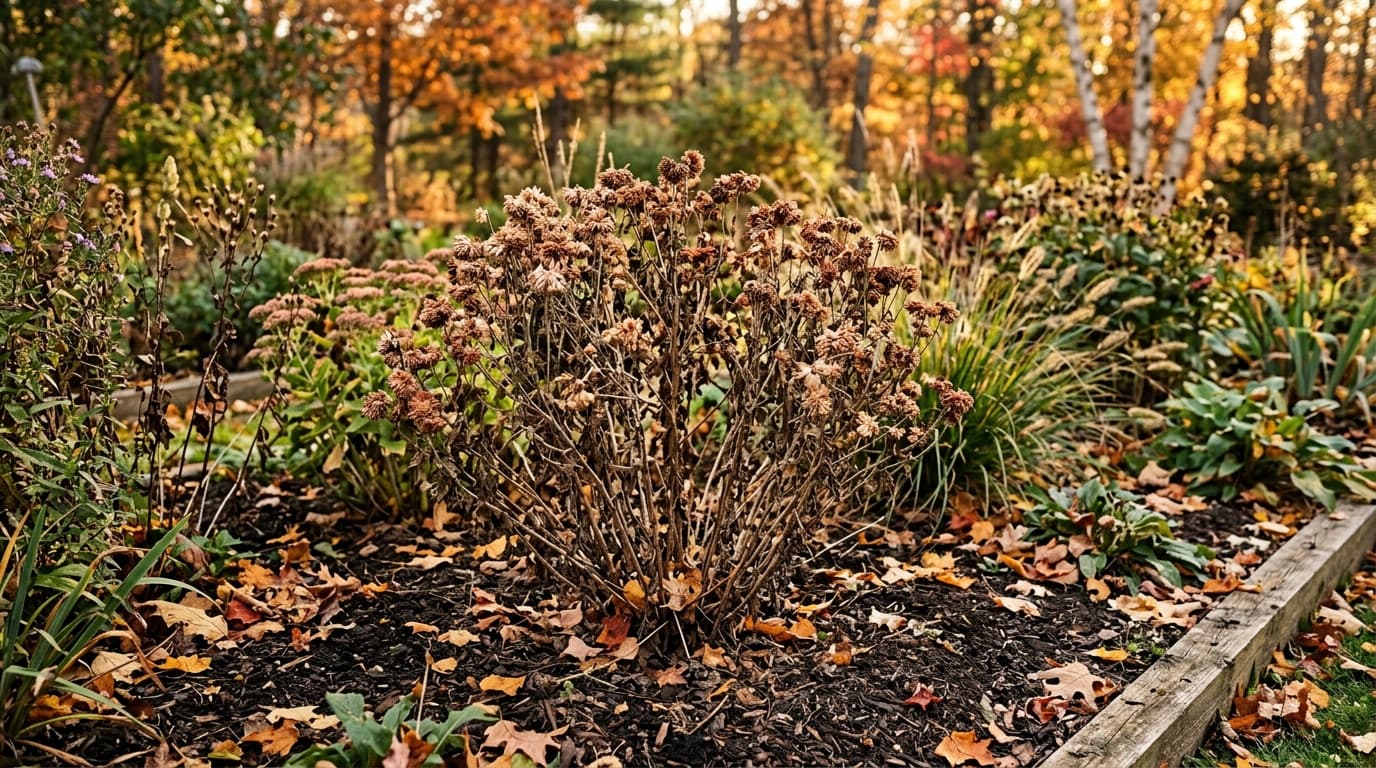
Even if winter temperatures drop low enough to freeze and blacken the top foliage, that mature canopy serves a vital protective role. Just as we recommend for leaving stems on hardy mums and leaving brown fronds on cold-damaged palms, the dense outer branches of lantana act as a thermal buffer. They trap insulating air, shield the tender crown at soil level from cold winter winds, and protect the root zone from excessive winter moisture and freeze-thaw soil upheaval.
When you shear a lantana down to bare stubs in autumn, cold air sinks directly onto the sensitive root crown, drastically increasing the likelihood of winterkill.
What University Extension Research and Master Gardeners Advise
University horticulture departments and Master Gardener programs are emphatic when it comes to late-summer and autumn pruning of summer/fall-blooming ornamentals.
According to the University of California Cooperative Extension Master Gardeners in their Helpful Garden Tips for September 2026 (UC ANR Tulare & Kings Counties), lantana is explicitly highlighted as a plant that must be left completely unpruned in September:
"Summer and fall-blooming plants, such as California fuchsia, autumn sage, and lantana, should not be pruned in September. Wait until after bloom finishes and the plants enter winter dormancy or show new growth in late winter."
This warning is reinforced by the UC San Luis Obispo County Pruning Landscape Plants Guide, which categorizes lantana strictly among summer- and fall-blooming landscape shrubs whose major pruning must be deferred to the dormant winter period.
And when should that pruning actually happen? In the UC ANR Helpful Garden Tips for February 2026, extension specialists outline the precise timing: wait until February or early spring after the danger of severe frost has passed. Similarly, the UC Master Gardeners 'Diggin' It in SLO' Lantana Reference notes that hard cutbacks of woody lantana stems are most successful when performed in spring just as fresh basal buds begin to swell.
The Proper Pruning Calendar: When and How to Prune Lantana
Managing lantana isn't complicated once you align your garden chores with the plant's natural growth cycle. Here is the seasonal roadmap for keeping your lantana healthy, compact, and covered in blooms year after year:
Autumn (September – November): Hands Off!
- Leave all flowers intact: Enjoy the late-season blossoms and let visiting butterflies feast on the nectar.
- No shearing or shaping: Put hedge shears away. Even if branches are long, shearing now invites freeze injury.
- Taper supplemental irrigation: Slowly reduce watering as fall progresses to encourage the plant to naturally harden off before winter.
Winter (December – January): Leave Frost-Bitten Canopy Standing
When the first hard freeze hits, lantana foliage will blacken or crisp up. It looks unsightly, but do not cut it down! That dead foliage and network of woody branches creates a warm pocket of trapped air that insulates the crown against soil freezes and winter storms. If you want to check local freeze projections for your microclimate, review our Frost & Heat Planner.
Late Winter / Early Spring (February – March): The Golden Cutback Window
This is the exact window when lantana should receive its annual hard renovation cut:
- Timing: Wait until your region's threat of severe freezing temperatures has passed and daytime temperatures begin warming into the 60s. In mild coastal and valley zones, this is typically mid-to-late February; in frostier inland regions, wait until early-to-mid March.
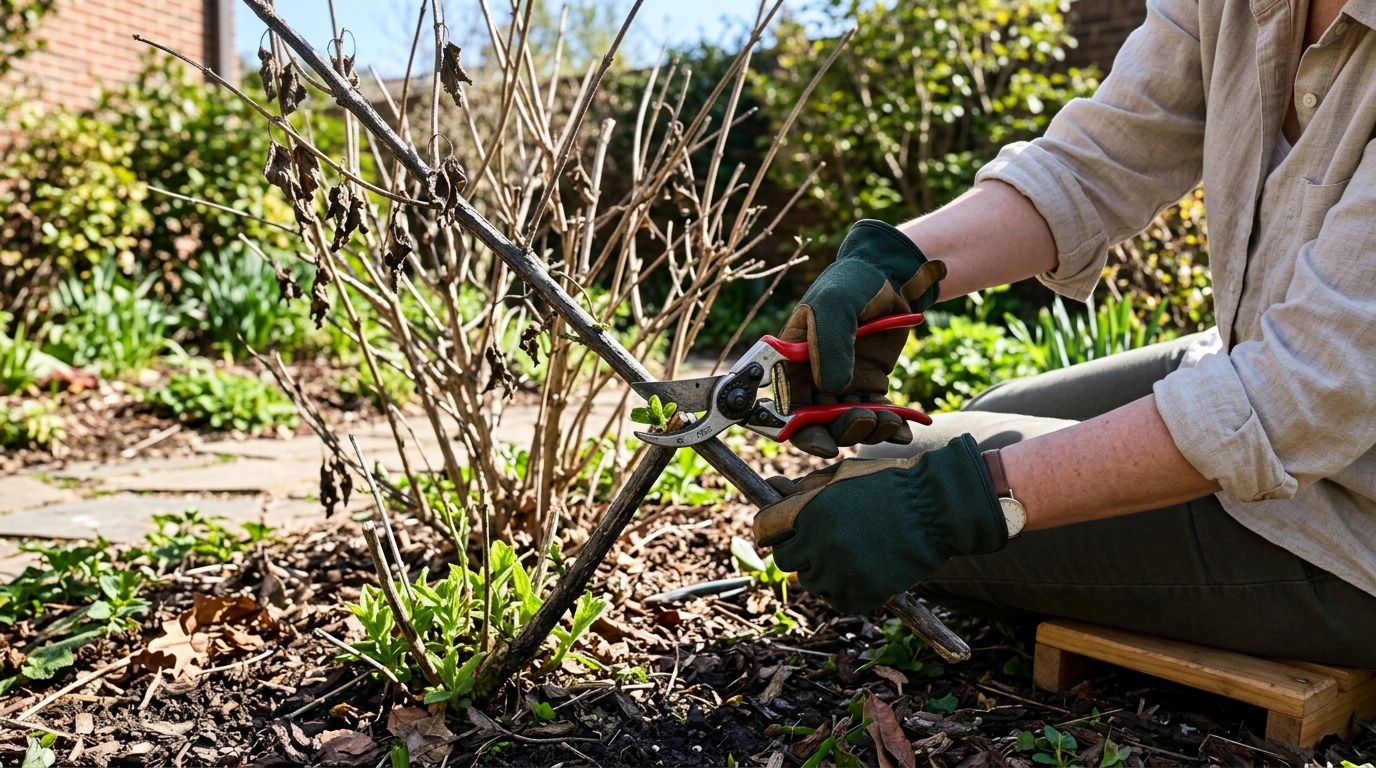
- Technique: Use clean, sharp bypass pruners or loppers to cut back all old woody and freeze-damaged stems to 6 to 12 inches above the soil line. If you look closely near the base of the shrub, you will often see tiny green buds or fresh green basal shoots already emerging. Make your cuts just above these active growth points.
- Clear out old debris: Rake out dead leaves and twigs from the interior of the shrub base to prevent moisture buildup and slug shelter.
Summer (June – August): Light Deadheading Only
In midsummer, if your lantana slows flower production and forms green and black berry clusters (which consume energy for seed development), you can lightly shear the very tips or pinch off seed clusters. This deadheading redirects the plant's energy straight back into fresh flower buds for the upcoming fall show.
Step-by-Step Guide: What to Do If Your Lantana Is Overgrown Right Now
If you're reading this in September or October and your lantana is currently spilling across a sidewalk, smothering a neighbor's border, or blocking your entryway, here is what you can safely do without damaging the shrub:
- Pin or Stake Errant Branches: Instead of cutting, use landscape staples, wooden stakes, or soft plant ties to gently redirect unruly branches back into the garden bed away from paths.
- Make Surgical Minimal Pathway Cuts Only: If a branch is an unavoidable tripping hazard over a sidewalk, snip only that individual branch back to a sturdy lateral joint inside the canopy. Do not shear the entire outer perimeter of the bush.
- Deadhead Spent Berry Clusters: If you see heavy clusters of green seed pods where flowers have already dropped, snip off just those individual spent seed heads. This maintains a clean appearance without stimulating dangerous tender shoots across the canopy.
- Hold Off on Fertilizer: Never apply high-nitrogen fertilizers to lantana in late summer or fall. Nitrogen encourages rapid vegetative growth that will not harden off before cold weather arrives.
Frequently Asked Questions About Lantana Pruning
Can I prune lantana in September or October?
No. You should not prune fall-blooming lantana in September or October. Cutting lantana in autumn removes its most spectacular seasonal flower display, deprives migrating pollinators of vital nectar, and stimulates tender new growth that will freeze and rot during the first hard frost. Put the pruners down until late winter or early spring.
What should I do when frost turns my lantana black in winter?
Do nothing until late winter. While blackened, freeze-scorched lantana stems look dead and messy, they form a protective blanket over the plant's crown. Leaving the dead canopy intact prevents subfreezing air from reaching the root zone. Cut the dead wood back in late winter (February–March) once severe frost danger has passed.
How hard should I cut lantana back in late winter or spring?
Lantana responds exceptionally well to hard renovation pruning. In late winter or early spring, cut the old, woody stems back to roughly 6 to 12 inches above the ground, making clean cuts above newly emerging green basal buds. This prevents the shrub from becoming an unruly, hollow tangle of woody stems and triggers a dense flush of fresh, flowering shoots.
Does lantana come back every year?
In USDA Zones 8–11, lantana is a reliable perennial that returns every year. In Zones 9–11, it may remain evergreen or semi-evergreen through mild winters. In Zone 8, the top growth typically dies back to the ground after a freeze, but the roots re-sprout vigorously in spring. In Zones 7 and colder, lantana is generally treated as an annual or brought indoors before frost.
Why is my lantana not blooming in late summer?
If your lantana has stopped blooming, the two most common culprits are insufficient sunlight (lantana requires at least 6 hours of full, unfiltered sun) and excess fertilizer or water (which causes lush green leaves at the expense of blossoms). Another common cause is heavy berry production; lightly deadheading spent green seed clusters will trigger a quick burst of fresh autumn flower umbels.
Explore More Seasonal Gardening and Pruning Guides
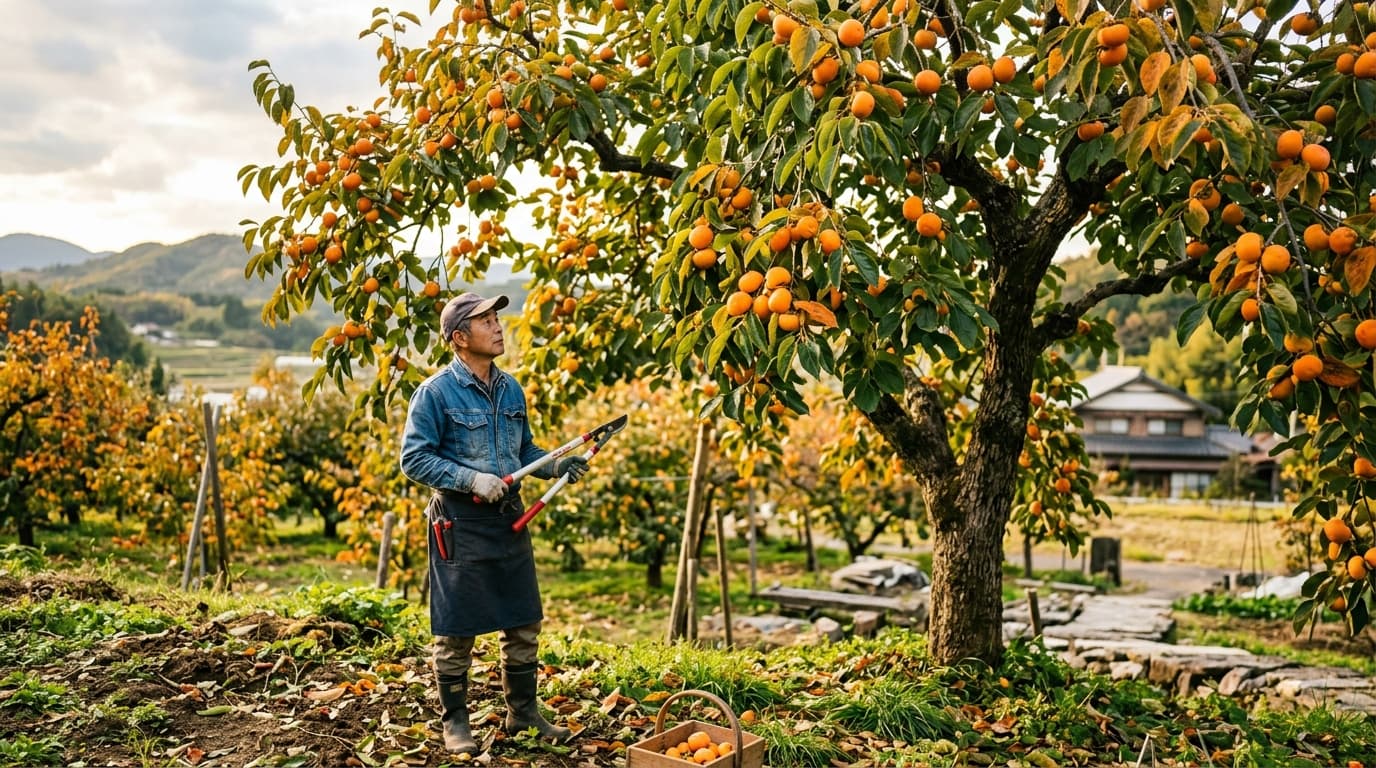
Timing your garden maintenance correctly is the key to healthy, vibrant plants throughout the year. For more seasonal cleanup strategies, check out our comprehensive SproutySpeaks Fall Gardening Guide & Seasonal Cleanup Playbook. Learn why you should never hard-prune leafy persimmons in fall, discover why you should never prune lilacs in September, find out why pruning Photinia in early fall protects your spring red flush, learn why you must wait until after a hard freeze to cut back peony foliage, understand why leaving dead mum stems standing over winter protects crown survival, see why you should leave brown fronds on freeze-damaged palms, and avoid critical yard-care mistakes with our guide to 7 pruning mistakes killing your plants.