
The 7 Most Trending Houseplants of 2025 — and How to Actually Keep Them Alive
Walk into any plant shop, scroll through any interior design reel, or check what's flying off the shelves at garden centres right now — and one thing is clear: houseplants are having a serious moment in 2025. But with trending plants come trending plant deaths. Millions of people are bringing home statement-making Monsteras and gorgeous trailing Pothos only to watch them wilt within weeks.
This guide is different. We're not just showing you what's hot — we're giving you the exact care instructions for each trending plant: light needs, watering schedules, common mistakes, and the fastest way to tell if your plant is thriving or struggling. Keep this page bookmarked. You'll refer to it often.
1. Monstera Deliciosa — The Undisputed It-Plant
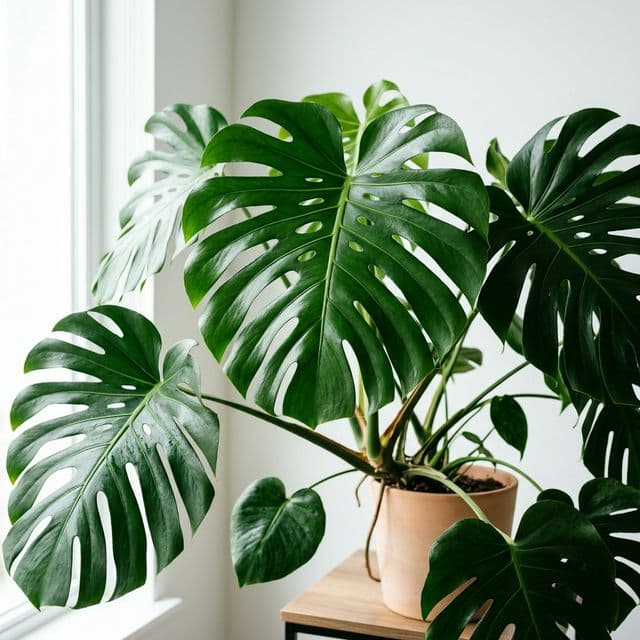
The Monstera deliciosa has been the #1 searched houseplant for three consecutive years — and it's still trending hard in 2025. Those dramatic, split leaves (called fenestrations) make it an instant focal point in any room. Here's the truth about growing one successfully:
Why Monsteras Fail (and How to Prevent It)
The #1 killer of Monsteras isn't underwatering — it's overwatering. The roots need oxygen as much as moisture. Always check the soil before watering. The second mistake is too little light, which produces small, un-fenestrated leaves (they'll never develop those gorgeous splits in dark corners).
2. Pothos (Epipremnum aureum) — The Unkillable Trailblazer
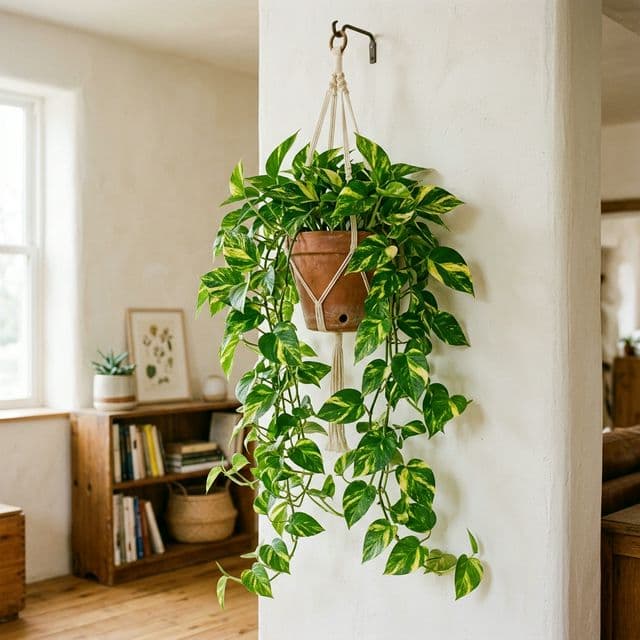
If Monstera is the statement piece, Pothos is the workhorse. New varieties launched in 2024–2025 have sent Pothos back to the top of trending lists: Neon Pothos (lime-green glow), Marble Queen (creamy white variegation), and the rare Baltic Blue (bluish, fenestrated leaves the moment it matures) are selling out at plant shops within hours of restocking.
Trending Pothos Varieties to Watch in 2025
- Baltic Blue Pothos — bluish-green leaves with pronounced fenestrations; extremely sought-after
- Global Green Pothos — two-toned green variegation with a mossy, forest feel
- Jessenia Pothos — slower growing, highly variegated; distinct from Marble Queen
- Neon Pothos — electric lime-green; a showstopper in low-light spaces
3. Snake Plant & ZZ Plant — The Low-Light Power Duo
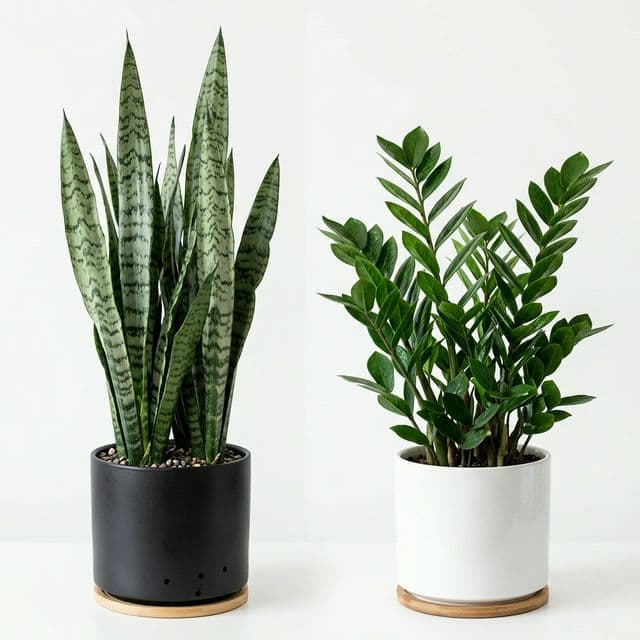
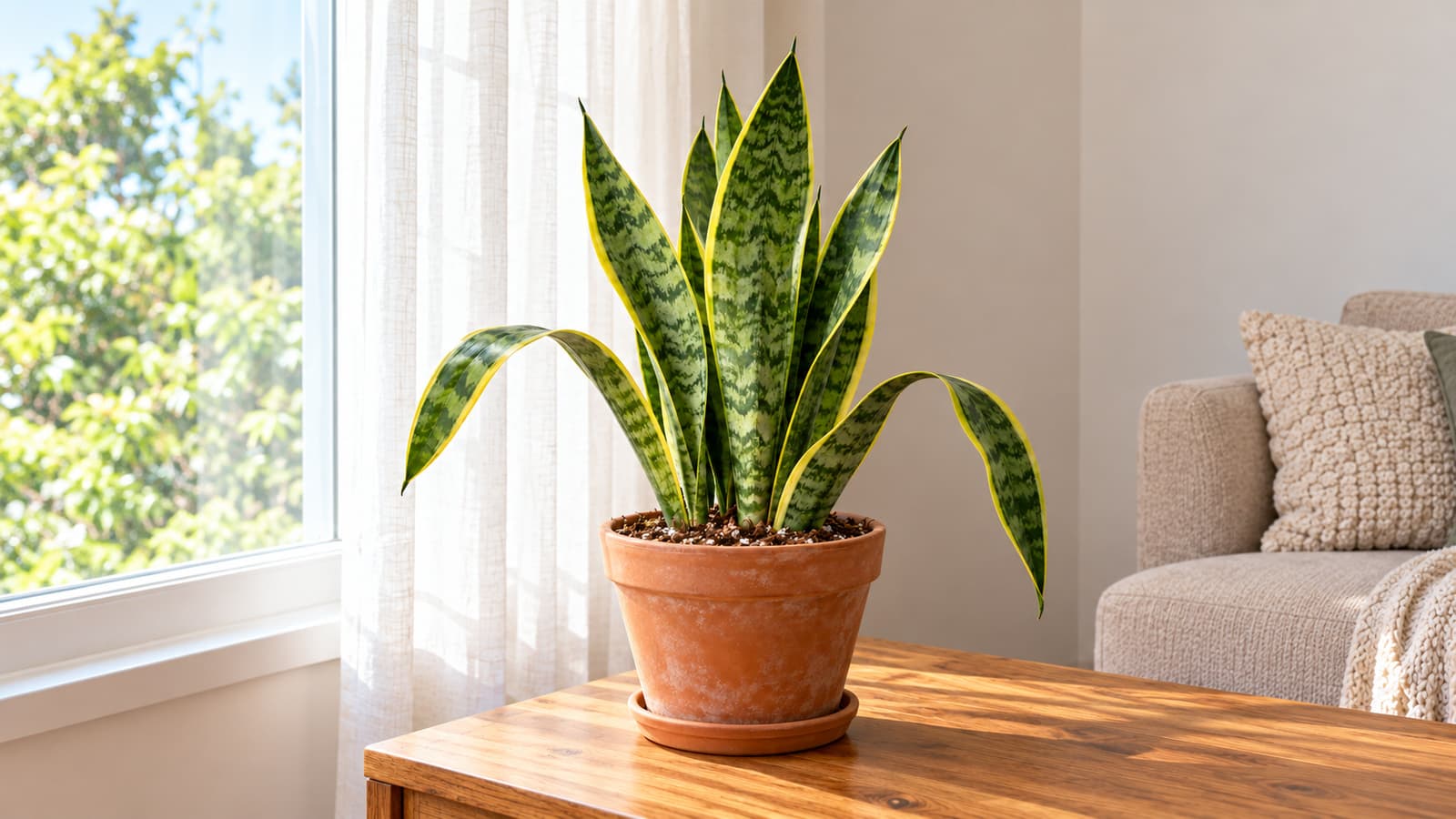
The Snake Plant (Sansevieria / Dracaena trifasciata) and the ZZ Plant (Zamioculcas zamiifolia) have exploded in 2025 as more people embrace minimalist, low-maintenance plant parenthood. Both are virtually indestructible, famously tolerant of neglect, and genuinely beautiful in modern interiors.
Snake Plant vs. ZZ Plant — Side-by-Side Comparison
| Feature | Snake Plant | ZZ Plant |
|---|---|---|
| Light tolerance | Very low to bright indirect ✅ | Low to bright indirect ✅ |
| Watering frequency | Every 2–8 weeks depending on season | Every 3–4 weeks (stores water in roots) |
| Growth rate | Slow to moderate | Slow |
| Pet safe? | ❌ Toxic to pets | ❌ Toxic to pets |
| Air purification | ✅ NASA-listed (removes formaldehyde, benzene) | ✅ Removes xylene and toluene |
| Best for | Bedrooms, dark offices, hallways | Modern minimalist spaces, low-light living rooms |
4. The Hottest New Arrivals of 2025
Beyond the established favourites, these are the plants dominating plant shop waitlists and social media feeds right now:
Hoya Carnosa 'Compacta'
The "Hindu Rope" plant with twisting, waxy leaves. Slow-growing but produces fragrant star-shaped flower clusters. Extremely trending on plant collector forums in 2025.
Anthurium Crystallinum
Velvety dark green heart-shaped leaves with striking silver veining. One of the most sought-after collector aroids right now — prices have moderated making it newly accessible.
Philodendron Gloriosum
Terrestrial philodendron with dramatic white-veined velvety leaves. Grows along the soil surface rather than climbing. A statement piece in any collection.
Stromanthe Triostar
Multi-coloured foliage of green, pink, cream, and deep burgundy undersides. Thrives as a table plant in bright indirect light — a living work of art.
Rhaphidophora Tetrasperma
Often called "Mini Monstera" — similar-looking split leaves but stays compact. Faster-growing than a Monstera and easier to manage indoors. Perfect for smaller spaces.
5. The 5 Most Common Houseplant Mistakes in 2025
As millions of new plant parents bring home trending species, the same mistakes keep coming up. Avoid these and your plants will thrive:
| Mistake | What Happens | The Fix |
|---|---|---|
| Overwatering | Root rot, yellowing leaves, mushy stem base | Always check soil before watering — stick your finger 2" in. If damp, wait |
| Too-dark location | Leggy, pale growth; Monsteras won't split; Pothos loses variegation | Move within 6 feet of a bright window; rotate every 2 weeks |
| Wrong pot size | Too big = water-logged soil and root rot; too small = root-bound stress | Repot only 1–2" larger than the root ball when roots appear from drainage holes |
| Ignoring humidity | Brown crispy leaf tips on tropical plants (Calathea, Ferns, Anthuriums) | Group plants together, use a pebble tray, or run a small humidifier nearby |
| Fertilising in winter | Salt build-up in soil; nutrient burn on roots; weak growth flush | Feed only during active growing season (spring through early autumn) with a balanced liquid fertiliser |
6. Do Houseplants Actually Purify Your Air?
This is the most Googled houseplant question right now — and the honest answer is more nuanced than the Instagram posts suggest.
The famous NASA Clean Air Study (1989) found that certain houseplants can remove volatile organic compounds (VOCs) like benzene, formaldehyde, and xylene from sealed test chambers. This is real science. However, a 2019 meta-analysis in Journal of Exposure Science & Environmental Epidemiology found that you would need 10–1,000 plants per square metre to match the air-cleaning effect of simply opening a window.
Best "Air-Purifying" Plants (by NASA's original list)
- Peace Lily (Spathiphyllum) — removes benzene, formaldehyde, trichloroethylene; one of the top performers
- Snake Plant (Sansevieria) — converts CO₂ to oxygen at night, unique among houseplants
- Spider Plant (Chlorophytum comosum) — pet-safe, incredibly easy to grow, removes formaldehyde
- Boston Fern (Nephrolepis exaltata) — the most effective humidifier-plant; also removes formaldehyde
- Rubber Plant (Ficus elastica) — large leaf surface area makes it an efficient air processor
7. How to Buy a Healthy Houseplant (and Not Get Ripped Off)
With rare plant collecting now a serious hobby, prices for sought-after varieties can be eye-watering. Here's how to shop smart:
- Inspect before you buy — check the undersides of leaves for pests (spider mites look like fine webbing; scale insects look like brown bumps; fungus gnats hover around the soil). Walk away from any plant with signs of infestation.
- Choose stocky over tall — a compact plant with multiple stems is healthier than a tall, leggy one. Leggy = it's been reaching for light and has been stressed.
- Check the root ball — ask to gently tip the plant out of its pot. White/cream firm roots = healthy. Brown, mushy, or absent roots = avoid.
- Buying rare plants online? Buy from specialist plant sellers with reviews rather than general marketplaces. Reputable sellers ship with care-specific packaging. Summer shipping is better than winter for tropical species.
- Join a local plant swap group — Facebook plant swap groups and local plant societies are the best way to get healthy, established plants at no or low cost. The community advice is invaluable too.