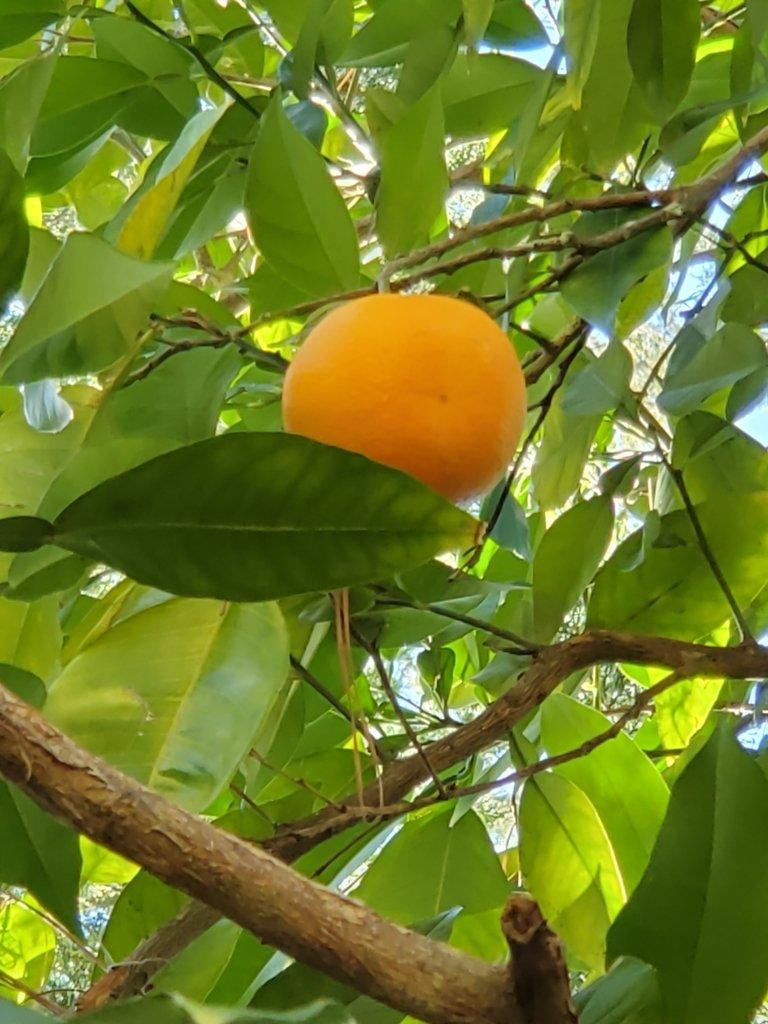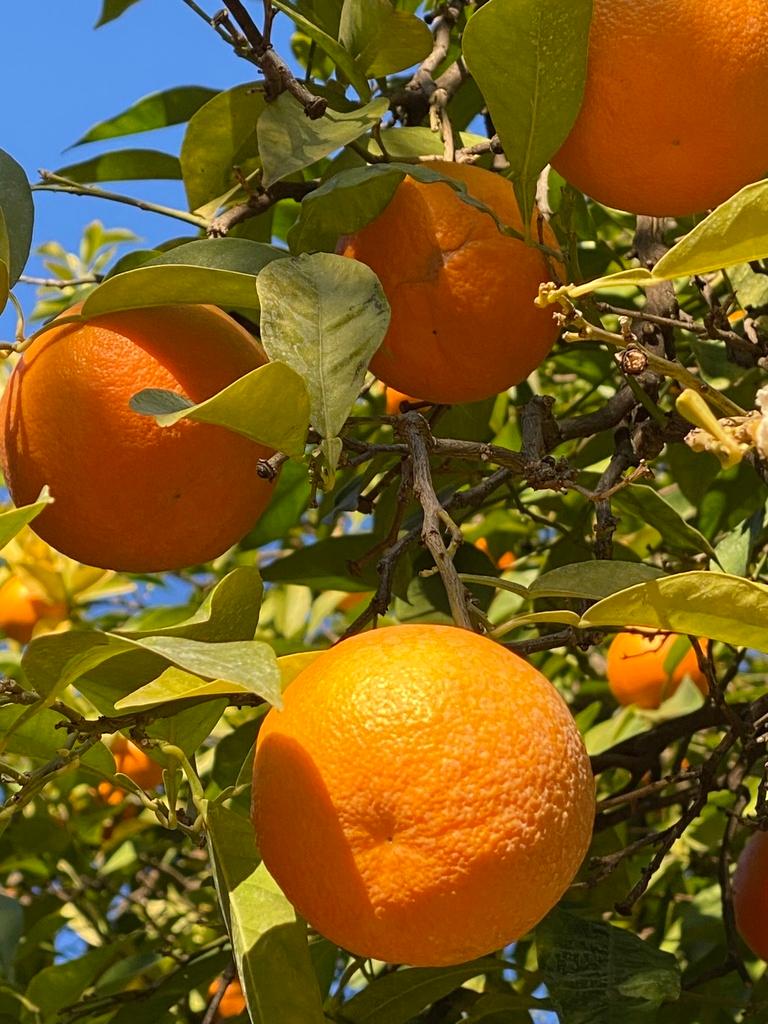

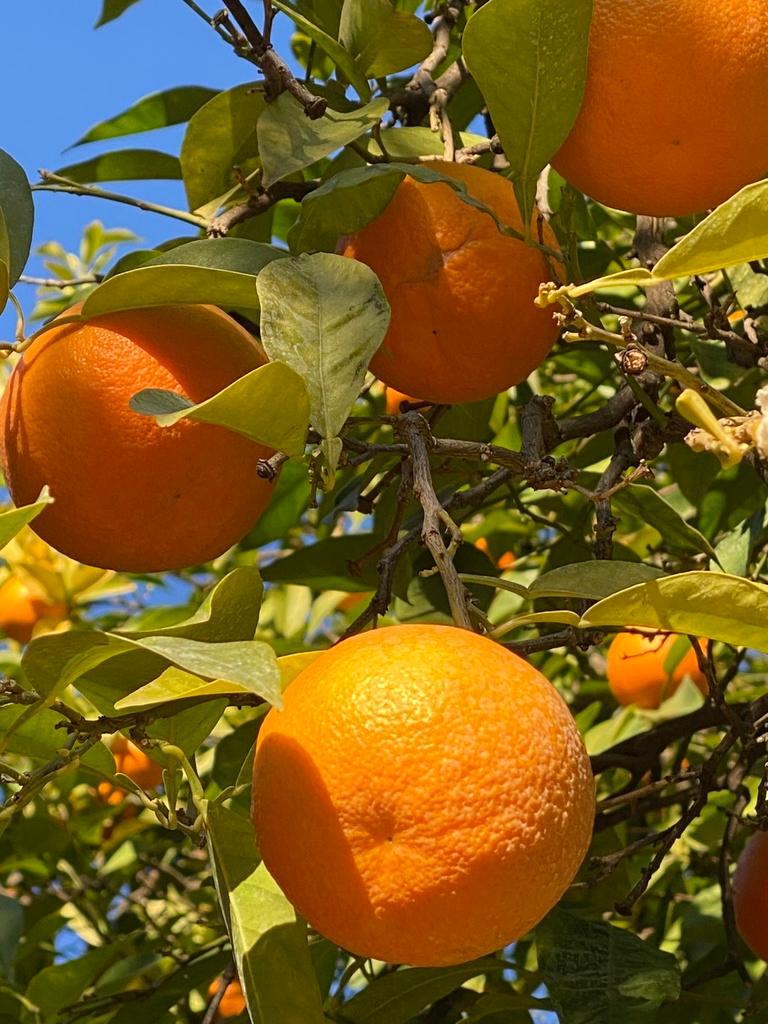
A roof rat ate it — on the tree, at night. Roof rats (Rattus rattus) are agile climbers that feed on citrus while the fruit still hangs. The UC Statewide IPM Program describes the signature exactly: when feeding on mature oranges, roof rats "usually make small holes through which they completely remove the contents of the fruit, leaving only hollowed-out rinds hanging on the tree." So if an orange looks perfectly ripe but feels feather-light, and you find a neat round gnawed hole in the rind, the pulp is gone. The shell is all that's left.
This guide is the companion to our SproutySpeaks video, where Sophie picks a flawless orange and finds it empty. Below: the signs that confirm rats (not something else), how to tell rat damage from bird pecks, the harvest and cleanup routine that cuts off the food supply, and the pruning that closes the rats' highways into your tree.
Watch Sophie & Sprouty Find the Empty Orange
The orange looked perfect — until Sophie picked it up. See the 10-second hollow-fruit check in our latest quick tip video.
The signs: roof rats have been in your tree
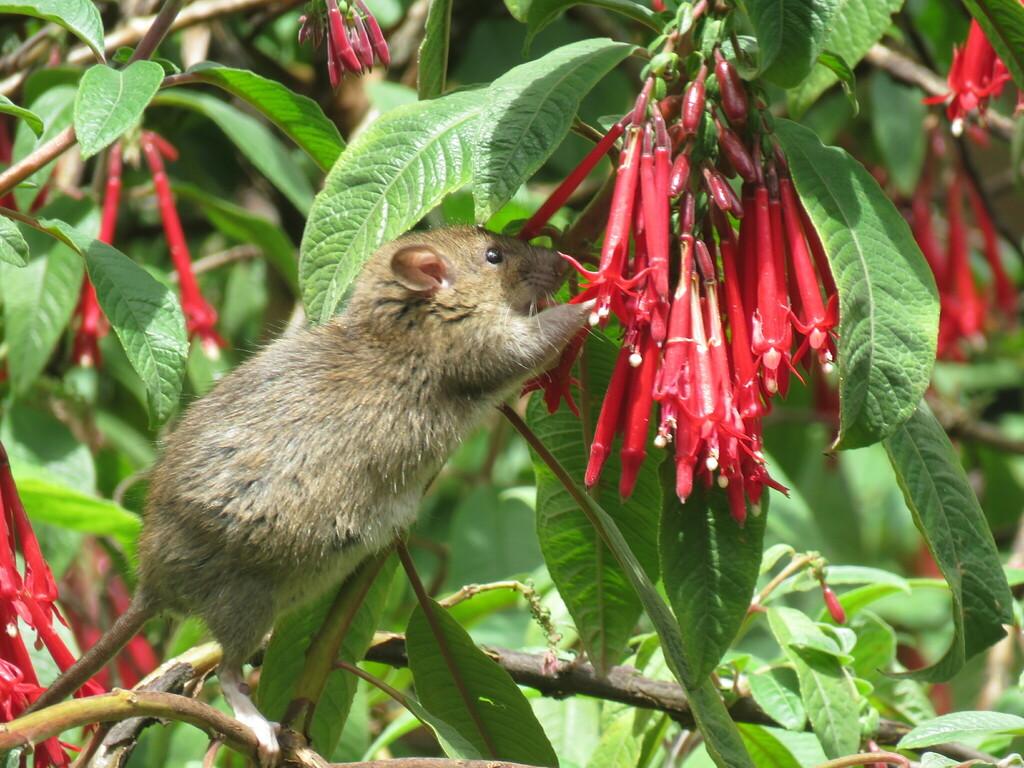
You will probably never see the rat itself — UC IPM notes rats are mostly active at night. Read the evidence instead:
- Hollow fruit still hanging. The orange looks ripe but weighs almost nothing. Turn it over: there is a round, cleanly gnawed entry hole in the rind, and the inside is empty. This is the definitive sign — no other common garden visitor empties an orange so completely and leaves the shell on the tree.
- The lemon flip. On lemons, roof rats often do the reverse: UC IPM notes they "often eat the rinds of lemons, leaving the flesh of the fruit still hanging." A stripped lemon with its flesh exposed is the same visitor with different table manners.
- Droppings along the runs. Look for dark droppings along fence tops, wall ledges, and the branches rats travel — and anywhere near outdoor pet food.
- Movement at dusk. Rats traveling along utility lines or on the tops of fences at dusk are a listed UC IPM sign of infestation. Roof rats routinely travel 300 feet or more for food, so the tree being raided may not even be the tree they live in.
- Smudge marks and gnaw marks. Dark rub marks where fur brushes beams, rafters, and pipes along regular routes, and gnaw marks on fruit or nuts in the yard, both point the same way.
Rat damage or bird damage? How to tell
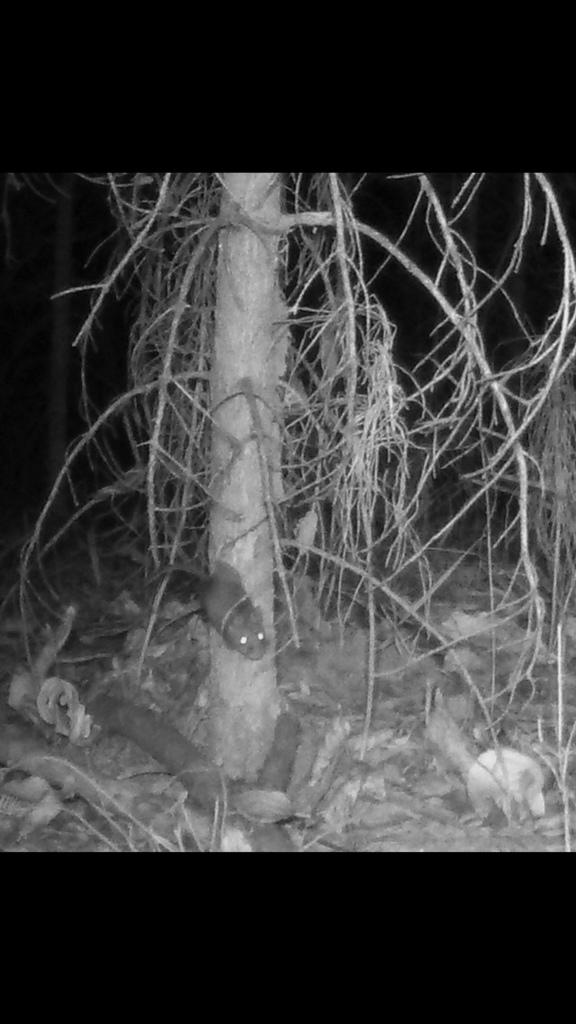
Not every damaged orange is a rat's work. Check the shape of the damage before you declare war:
- Rat: a round, cleanly gnawed hole — and the fruit behind it completely hollowed, shell left hanging. Damage appears overnight and repeats on fruit after fruit as the crop ripens.
- Bird: pecks are smaller, ragged, torn openings, usually near the top of the fruit where a bird can perch and reach. Birds feed by day and take bites out of exposed fruit; they rarely empty a fruit cleanly or leave a neat round hole.
- Squirrel: squirrels usually carry fruit off or drop it — look for half-eaten fruit and chewed rind scraps on the ground under the tree rather than empty shells hanging in it.
- Not an animal at all: fruit that splits open after irregular watering, or drops early, is a watering and physiology problem. A split orange still has its pulp; a rat-eaten orange has a gnawed hole and nothing inside. Find the hole and you have your answer.
What to do now: harvest promptly and clean up
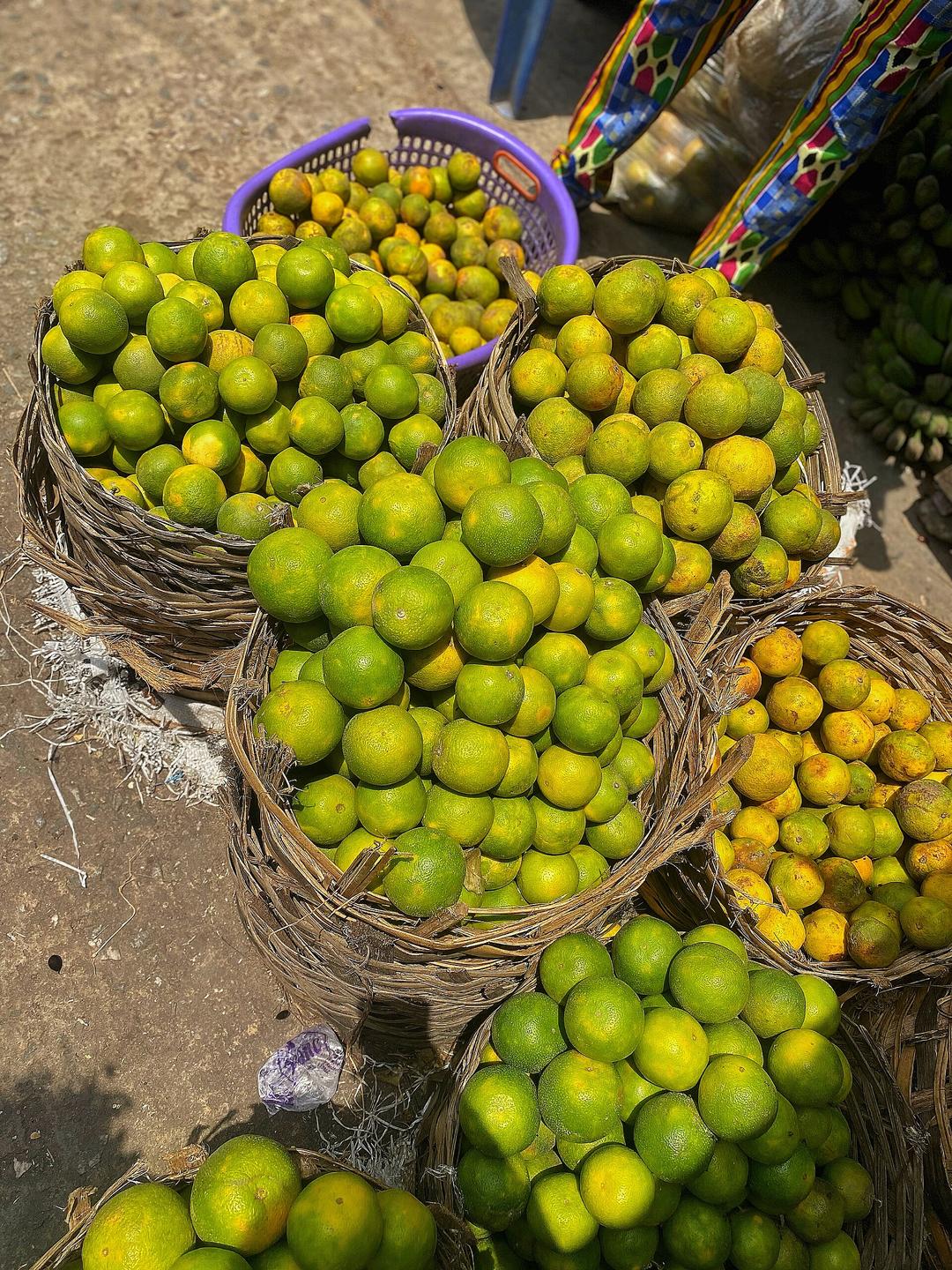
There is no spray for this. The fix is to stop running a nightly buffet:
1. Harvest ripe fruit promptly. Don't leave ripe oranges hanging for weeks "for later." UC IPM is blunt that roof rats consume citrus fruits "often while still on the trees" — ripe fruit left hanging is the food supply, and picking it on time is the single most effective step you control. For broader citrus care through the season, see UC IPM's citrus hub.
2. Pick up fallen fruit every day. UC IPM's management guidance starts with sanitation: "Clean up garden debris and fallen fruit." A fallen orange is a rat meal that requires no climbing at all, and it teaches rats that your yard is a reliable stop. Bag hollowed and fallen fruit and put it in the trash — not the compost pile.
3. Bring pet food in at night. The same guidance covers outdoor feeding: feed pets only what they will eat at one feeding, or bring the food inside at night. Pet food left out is a second buffet next to the first.
Set honest expectations. Cleanup cuts the food supply and reduces visits — it does not guarantee the rats never come back. Roof rats range hundreds of feet and may be nesting in a neighbor's ivy or attic. You are making your tree a much worse restaurant; combine cleanup with the access pruning below, and the pressure drops further.
Make the tree harder to raid: cut off the highways
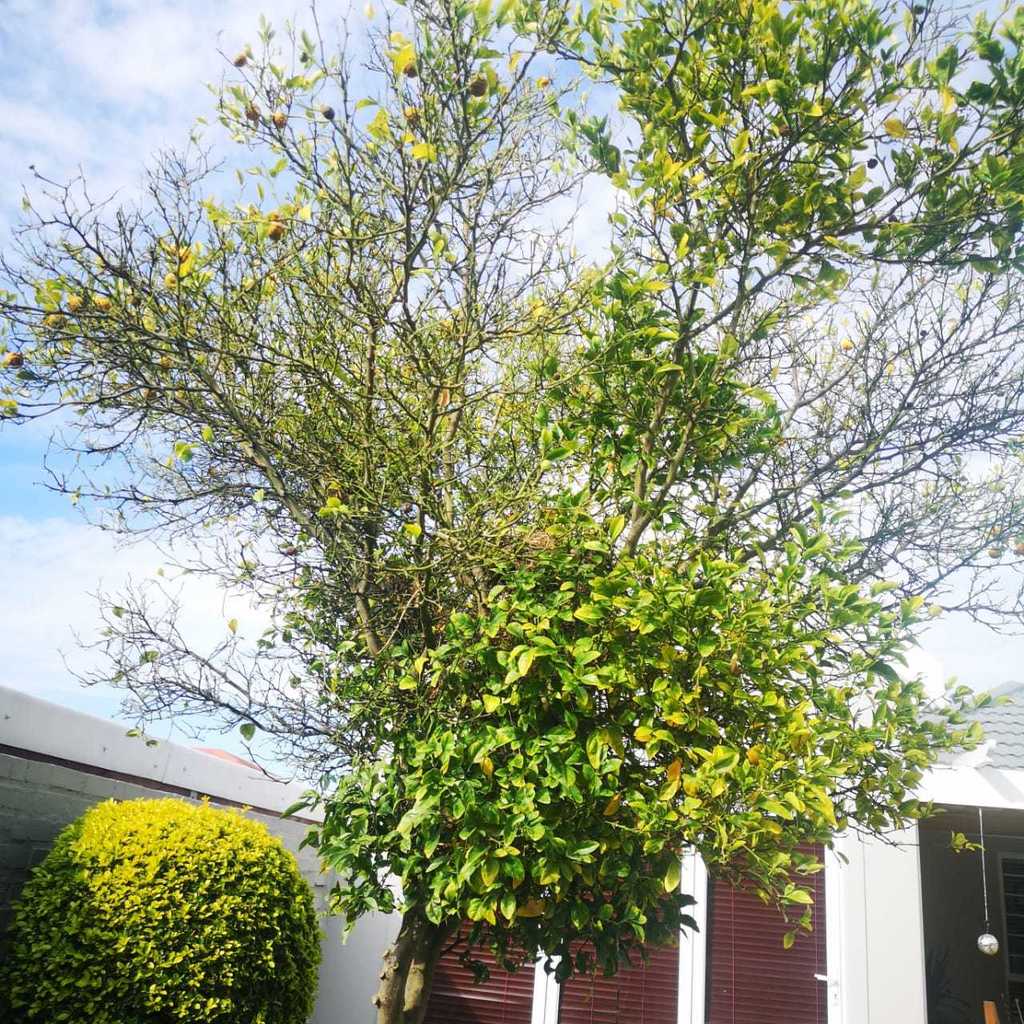
Roof rats reach your oranges by climbing and by traveling along connected structures. UC IPM's exclusion guidance, applied to a fruit tree:
- Prune limbs back from the roof. "Prune tree limbs that are within 3 feet of a roof" — a branch that touches or nearly touches the house is a two-way bridge between roof and tree.
- Break the fence-and-branch connections where you can. Where a branch rests on or overhangs a fence the rats use as a runway, prune it back. You can't disconnect everything, but every gap you open forces a climb down and back up — and rats prefer the easy route.
- Thin dense plantings. Keep at least a 2-foot space between shrubs, and between shrubs and buildings, and remove climbing plants such as ivy from building walls. Dense, connected vegetation is roof-rat habitat; open spacing is not.
- Seal the house while you're at it. Rats can enter through openings larger than 1/4 inch. If they are in the tree beside the house, the attic is the next stop — seal gaps with steel wool, wire screen, or sheet metal.
Quick answers

Why does the orange look fine but feel empty?
Because the rind keeps its shape after the pulp is gone. The rat gnaws one small hole, eats the contents out through it, and leaves the shell hanging — UC IPM describes exactly this: hollowed-out rinds left hanging on the tree. Weight is the tell: a hollowed orange feels feather-light next to a sound one.
Do rats hollow out lemons the same way?
Not quite — with lemons, UC IPM notes roof rats often eat the rind and leave the flesh of the fruit still hanging. Same rat, opposite pattern. A lemon stripped down to its flesh is as much a rat sign as a hollow orange.
Will picking up fallen fruit get rid of the rats?
It reduces them; it doesn't evict them. Sanitation removes the easy food, and prompt harvest removes the rest, but roof rats travel up to 300 feet or more for food and may nest off your property entirely. Expect fewer visits, not a guarantee of none — and pair cleanup with pruning branches away from roofs and fences for the full effect.
Is a hollowed orange safe to eat or juice?
No. Discard any fruit a rat has fed on — rats consume and contaminate food, and a gnawed rind means the fruit was in direct contact. Don't compost it either; bag it for the trash, and wash your hands after handling damaged fruit.
Should I put out poison bait?
We don't recommend do-it-yourself poison. UC IPM warns that all rodenticides are toxic to nontarget species, pets, and humans — owls, hawks, dogs, and cats that eat a poisoned rat can be poisoned in turn. This guide sticks to sanitation, harvest hygiene, and exclusion. If the infestation is heavy, skip the bait aisle and call a licensed pest professional.
When should I call a licensed pest professional?
When the problem outgrows the tree: droppings or noises in the attic, many fruit being hit every night, or damage continuing after a few weeks of daily cleanup and access pruning. A professional can assess trapping and exclusion at the building — the part of the problem a garden routine can't reach.
Related reading
- Don't Leave Cling Fruit or Nuts on the Tree After Harvest: Why Canopy "Mummies" Keep Orchard Pests and Diseases Cycling
- Leave Fallen Diseased Fruit Under the Tree and Infection Cycles Forever (Why Orchard Sanitation Breaks the Fungal Loop)
- How Do You Protect a Citrus Tree on a Frost Night?
- Don't Leave Holey or Dropped Peppers on the Ground: Why Garden Sanitation Stops Pepper Weevil Larvae from Multiplying