
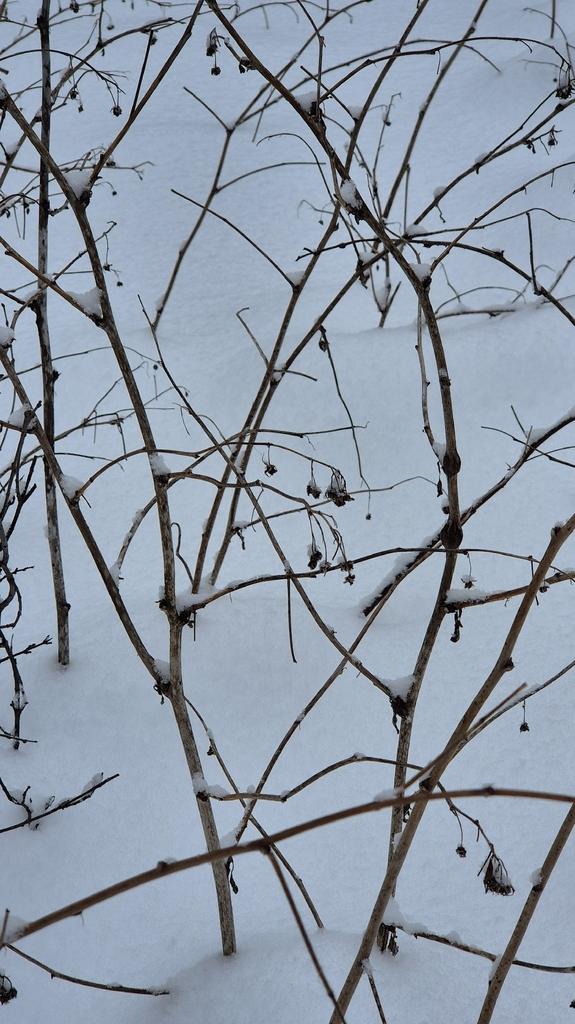
Cut only the canes that already fruited — and leave every healthy first-year cane standing. Summer-bearing raspberries (Rubus idaeus, in the rose family, Rosaceae) fruit on second-year wood. A cane grows vegetatively in its first year (a primocane), overwinters, then flowers and fruits in its second summer (as a floricane) and dies. University of Minnesota Extension puts the cycle plainly: raspberry plants have perennial roots and crowns, but their canes live for only two summers. So in fall cleanup, the spent floricanes come out at the base and the primocanes stay — cut the whole patch flat and you have just deleted next summer's harvest.
This guide is the companion to our SproutySpeaks video, where Sophie nearly shears off a healthy first-year cane because every bare cane in the patch looks equally dead. Below: how to tell the two cane generations apart, when to prune, the step-by-step, how to thin what's left, and the one raspberry type where cutting everything down is actually the right move.
Watch Sophie & Sprouty Save Next Summer's Raspberries
Fall cleanup is when next summer's crop gets cut away by accident — see the 10-second cane check in our latest quick tip video.
How to tell a spent floricane from a primocane
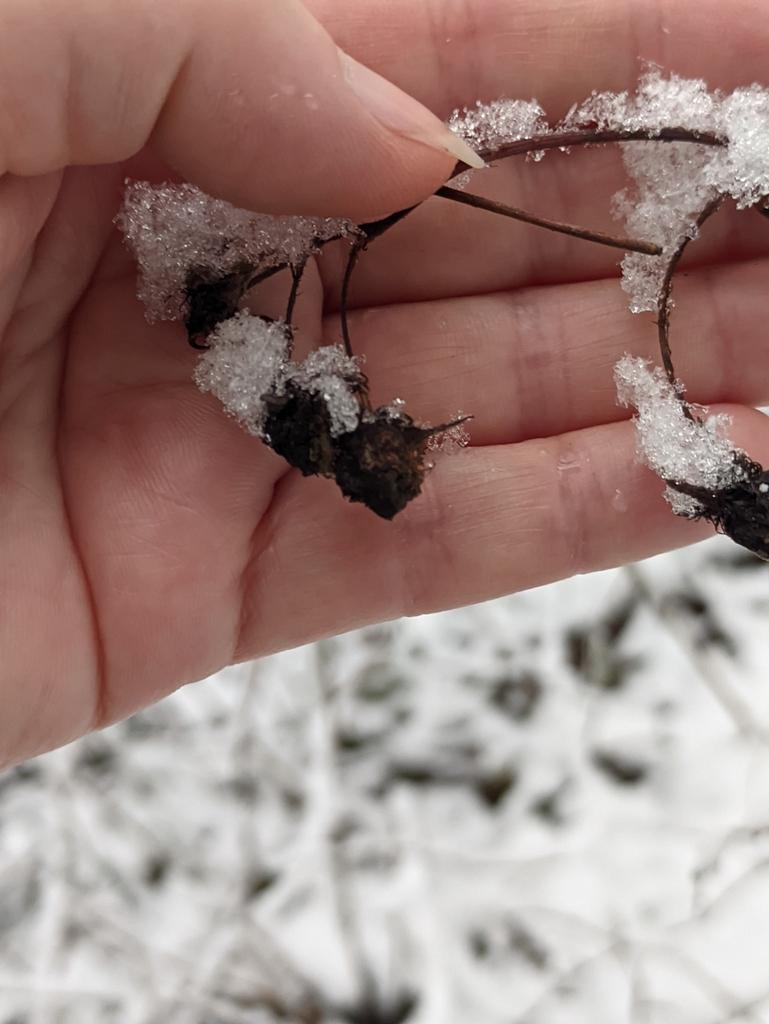
Don't judge by color alone — by late fall, both generations have brown, woody bark. Judge by the evidence of fruiting:
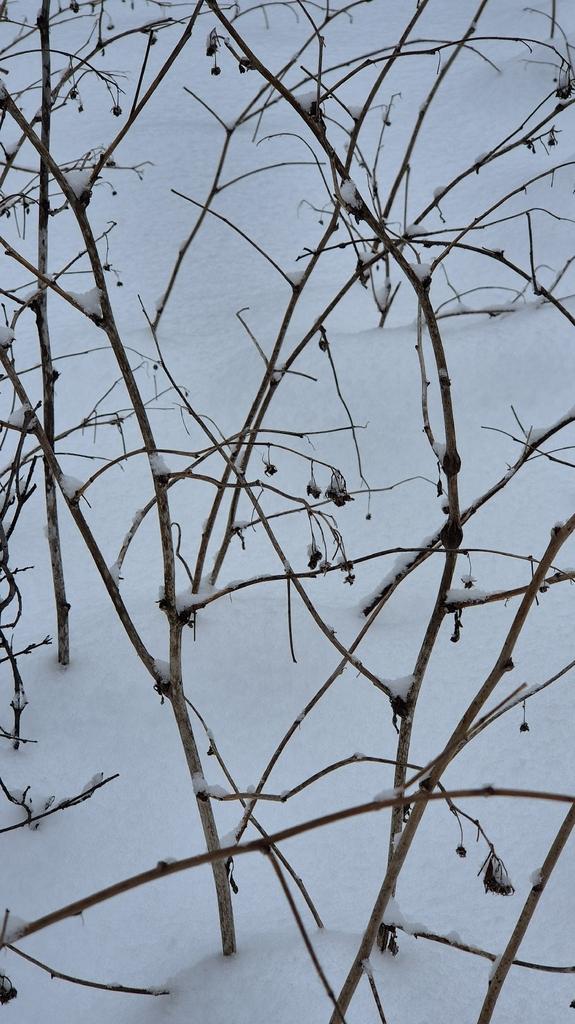
- Look for old fruiting laterals. A floricane fruited on short side branches (laterals) along its upper half. After harvest those laterals stay on the cane, dry and brittle, often still holding dried fruit-cluster remnants — the shrivelled stalks and cores where berries hung. Oregon State University Extension describes a dead floricane as dead from tip to base "with dead fruiting laterals evident." If a cane carries them, it fruited — and it will never fruit again.
- Check the bark. Spent floricanes often show peeling, flaking bark and a duller, grayer surface. Primocanes — this year's canes — have smoother, firmer bark with plump, healthy buds and no fruiting laterals at all.
- Compare heights and condition. Dead floricanes are frequently shorter than the primocanes around them and snap dryly. A primocane bends with life in it and its buds are tight and sound.
UMN Extension explains why the two generations look so similar in November: the green, fleshy primocane of spring develops brown bark during its first year, goes dormant, and becomes the floricane in its second growing season. The bark color converges; the fruiting laterals don't lie. When in doubt, trace the cane: fruit clusters only ever hung on a cane that has already given you its crop.
When to prune summer-bearing raspberries
You have two extension-endorsed windows, and fall cleanup fits either:
- Right after harvest. UMN Extension's season calendar for summer-bearing raspberries lists August: "Cut fruit-producing canes to the ground after harvest." Removing spent canes early opens the patch to light and air while the primocanes are still growing.
- During dormancy — late fall through late winter. If the spent canes are still standing when you do fall cleanup, take them out then. OSU Extension schedules winter pruning — caning out the dead floricanes and pruning the primocanes — from December through February in mild-winter regions, and as late in winter as possible in colder regions, so cold-damaged tissue can be spotted and removed at the same time.
What you should not do is wait for a "perfect" date while the shears are already in your hand in November. A spent floricane removed in fall cleanup is removed correctly. The timing mistake that costs fruit is never the week — it's cutting the wrong canes.
Step-by-step: pruning a summer-bearing patch
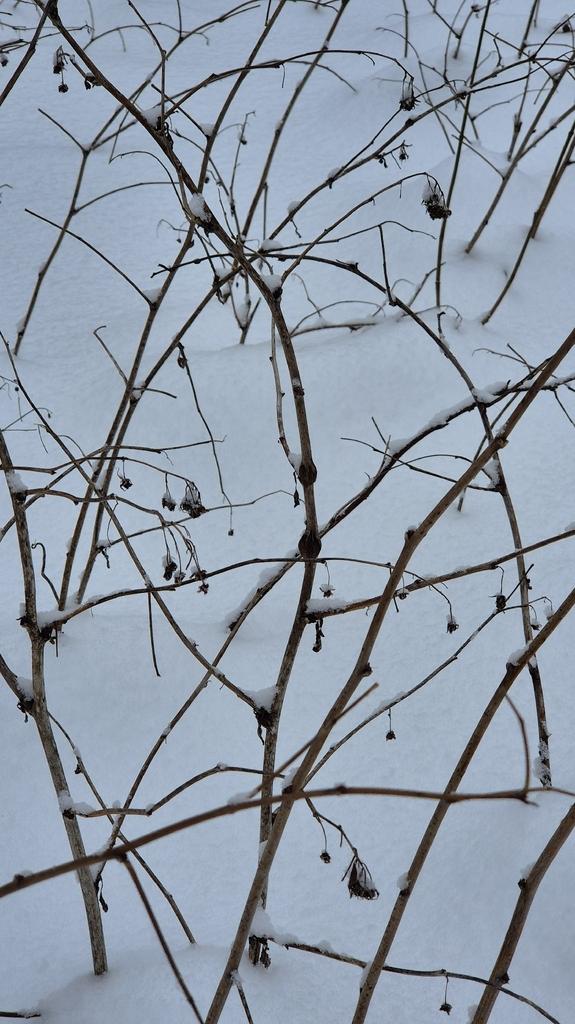
1. Identify before you cut. Go cane by cane. For each one, look for fruiting laterals and dried cluster remnants (spent — cut it) versus smooth bark and sound buds with no laterals (primocane — keep it).
2. Cut every spent floricane at its base. OSU Extension's instruction is to "cane out any dead floricanes present by cutting them at their base" — flush with the ground, no stub. Stubs die back and harbor disease; a clean base cut leaves nothing to rot.
3. Carry the cut canes out of the patch. Don't drop spent canes in the row or compost them in place. Spent and diseased wood is where cane diseases overwinter — OSU advises caning out immediately after harvest when cane disease is evident on dying floricanes, and UMN Extension warns that viruses and diseases move through a planting on infected material. Bag the prunings and remove them from the garden.
4. Remove the weak and damaged primocanes. From the canes you're keeping, cut out any that are weak, broken, diseased, or insect-damaged (OSU Extension). A cane that struggled this year will not become a strong fruiter next year.
5. Head back and tie in what's left. In late winter, before growth begins, UMN Extension advises cutting red and yellow summer-bearing canes back to 4–5 feet tall, then tying the remaining primocanes to their support so they stand upright for next summer's fruiting.
Thinning: keep the strongest canes, give them room
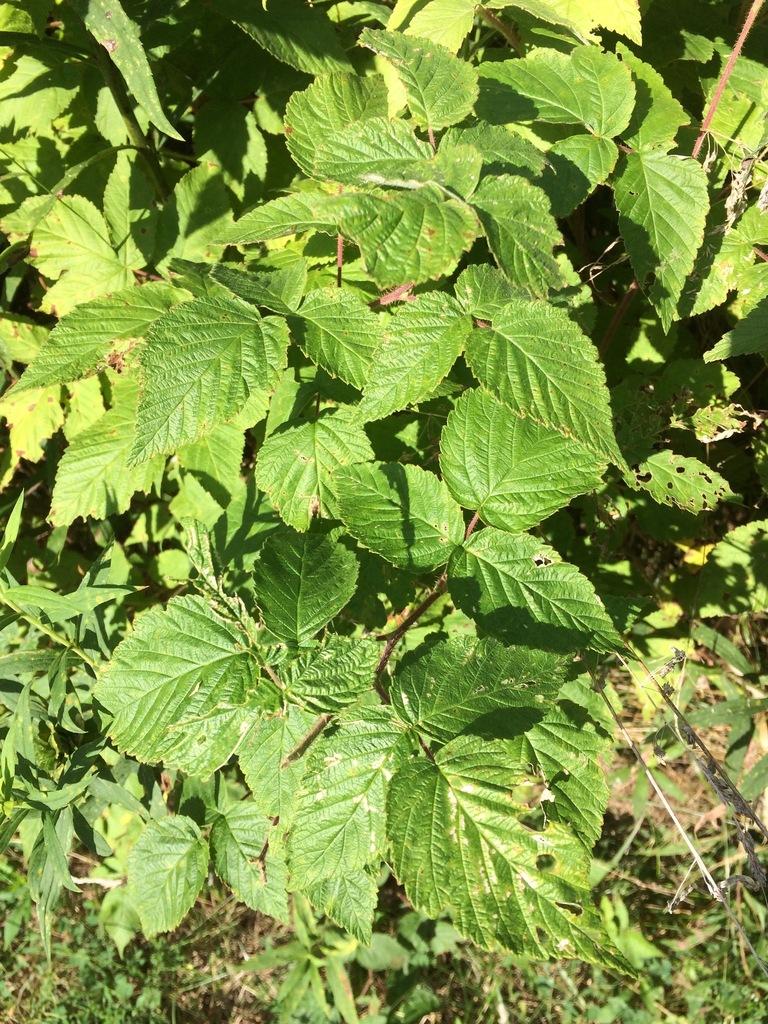
After the spent canes are out, thin the primocanes you keep. The rules from OSU Extension:
- Keep the row narrow. Remove any primocanes growing outside the hedgerow — OSU puts the winter-pruned hedgerow at 6 to 12 inches wide for summer-bearing plantings — by cutting them at the base. UMN Extension gives the same discipline from the other side: don't let red or yellow raspberries spread wider than about 12 inches, or the patch becomes hard to manage and prone to fungal disease from slow drying.
- Keep the thickest, healthiest canes. Within the row, the thin, spindly primocanes go first. In containers, OSU's number is concrete: thin to four to five primocanes per 20- to 30-gallon container for summer-bearing types, removing the ones that are thinner or shorter than average.
- Space means fruit. Every cane you keep should be able to leaf out into light. Crowded canes fruit poorly and stay wet — and wet canes are where raspberry fungal problems start.
The everbearing exception: 'Heritage' plays by different rules
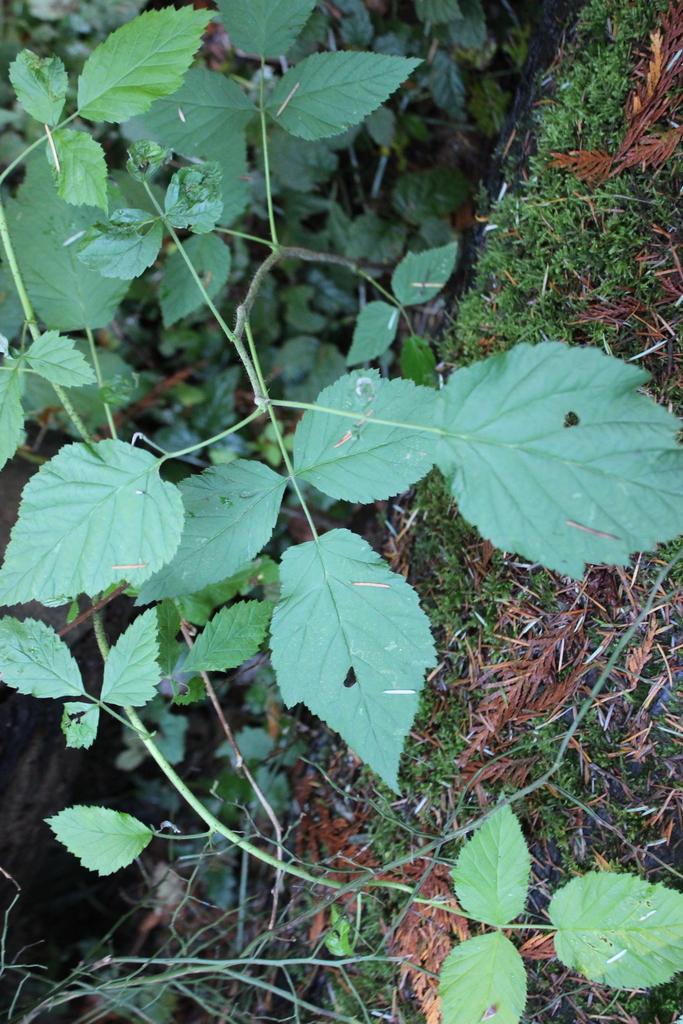
Everything above applies to summer-bearing (floricane-fruiting) raspberries. Everbearing — also called fall-bearing or primocane-fruiting — raspberries break the rule, because they fruit on the tips of first-year canes in late summer and fall. 'Heritage', the most widely planted everbearer, is listed by UMN Extension as a primocane-fruiting variety.
If you grow an everbearer for a single fall crop, the pruning is the opposite of this guide: OSU Extension says to "cut all the canes to just above ground level in late winter (March)" — every cane, flat, no identification needed. New primocanes emerge in spring and fruit in the fall. UMN Extension's calendar for fall-bearing raspberries says the same: in March, cut all canes to the ground before growth begins.
You can also double-crop an everbearer — a summer crop on the floricanes plus the fall crop on new primocanes — in which case you prune it exactly like a summer-bearer: cane out the spent floricanes, keep the primocanes, and also snip off the dead, fruited tips of the primocanes in winter (OSU Extension). The trade-off is a smaller fall crop. The mistake is mixing the systems up: mowing a summer-bearer flat deletes next summer's fruit, while carefully sparing every cane on a single-crop everbearer just gives you a thicket to mow next year anyway.
Common mistakes
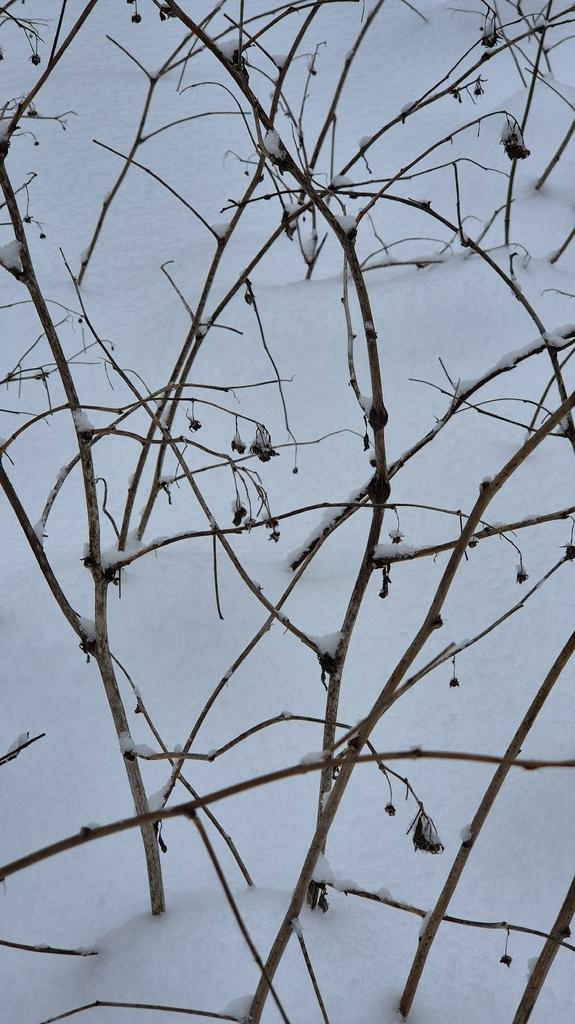
- Cutting everything flat in fall cleanup. The classic. On a summer-bearing patch, the primocanes you remove were next summer's fruiting wood. The patch will leaf out fine in spring — from new primocanes — and give you almost no berries.
- Judging by bark color alone. "Gray cane, cut it; brown cane, keep it" fails because both generations brown by fall. Use the fruiting evidence: laterals and dried cluster remnants.
- Leaving the spent floricanes standing. A dead floricane gives nothing back. It shades the primocanes, slows drying, and shelters cane disease. Out at the base, every year.
- Leaving the prunings in the patch. Cut canes dropped in the row carry the same diseases you pruned them for. Carry them out.
- Pruning an everbearer like a summer-bearer — or the reverse. Know which type you planted before the shears come out. If you don't know, check whether the canes fruited in fall of their first year: that's an everbearer.
Quick answers
When should I prune summer-bearing raspberries?
Spent floricanes can come out right after harvest — UMN Extension lists August for cutting fruit-producing canes to the ground — or during dormancy, when OSU Extension schedules winter pruning from December through February in mild-winter regions and later in cold ones. Fall cleanup is a perfectly good time, as long as only the spent canes are cut.
How do I know which raspberry canes already fruited?
Look for old fruiting laterals — the short side branches that held the berries — and dried fruit-cluster remnants still attached. OSU Extension describes dead floricanes as dead from tip to base with dead fruiting laterals evident. Spent canes also tend to have peeling bark; primocanes are smoother, with plump buds and no laterals.
What happens if I cut all my raspberry canes to the ground?
On a summer-bearing variety, you lose next summer's crop: the fruit grows on second-year canes, and you just removed them. The plants survive — the crowns and roots are perennial — and will push new primocanes that fruit the summer after. On an everbearing variety grown for a single fall crop, cutting everything down in late winter is the recommended method.
Can I prune raspberries in November?
Yes. November fall cleanup is when most home gardeners meet this job, and removing spent floricanes then is correct. Save the final primocane tidy-up — heading back to 4–5 feet and tying in — for late winter before growth begins, per UMN Extension.
Should I remove the cut canes from the patch?
Yes. Spent and diseased canes are overwintering shelter for cane diseases, and OSU Extension advises prompt caning-out when disease is evident. Carry prunings out of the garden rather than dropping or composting them in the row.
Do black and purple raspberries prune the same way?
Not quite. Black and purple raspberries are also summer-bearing (floricane-fruiting), so spent floricanes still come out — but their primocanes are also tipped in summer to branch, and OSU Extension shortens their lateral branches to 1.5 to 2.5 feet in winter. The spent-versus-keeper identification is the same.