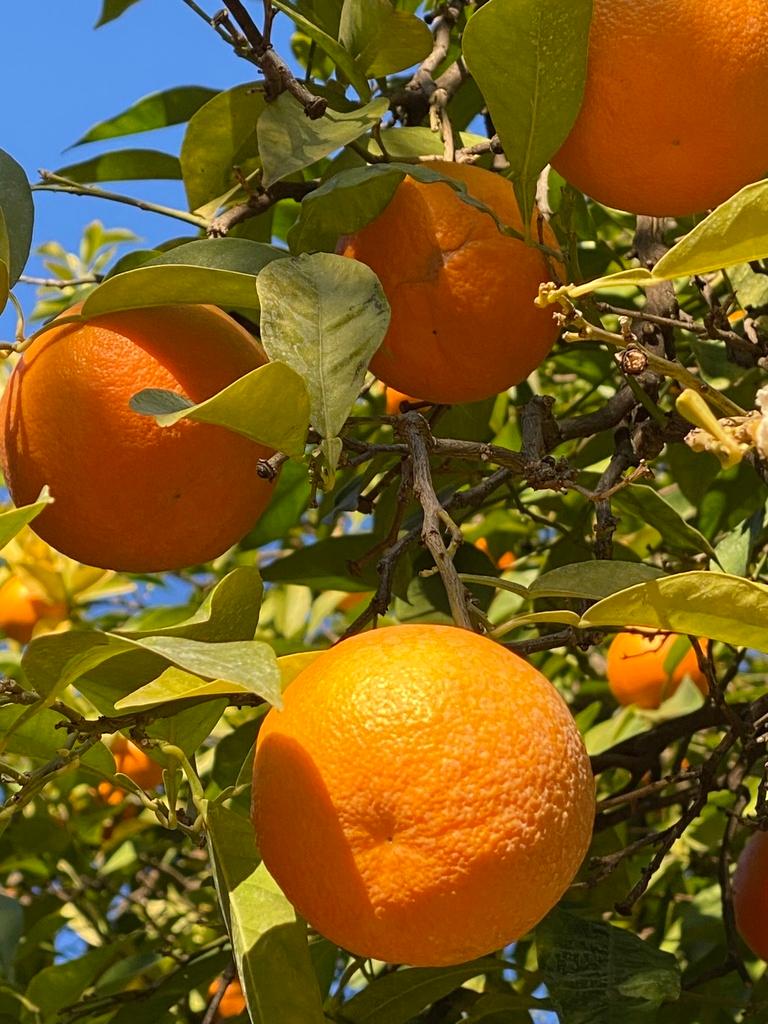

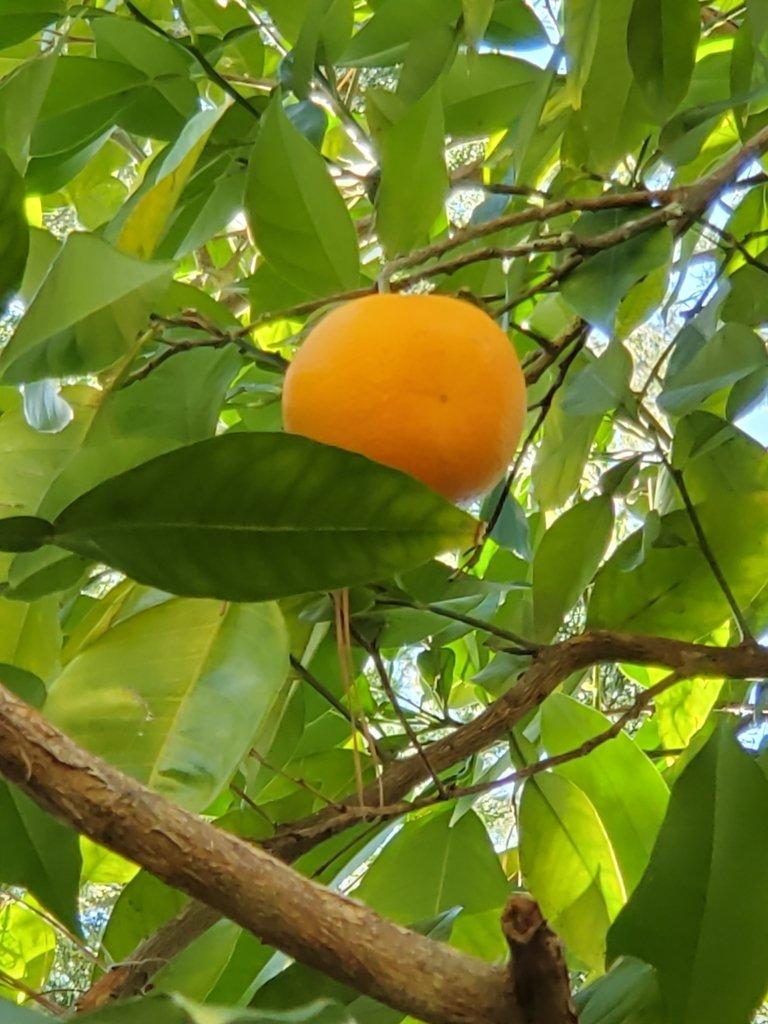
Taste one. That is the only reliable test. An orange's peel color is set by cool nights, not by the sugar inside the fruit, and citrus never ripens after picking — so a fully orange orange can still be tart, and a partly green one can be perfectly sweet. Extension guidance from the UC Statewide IPM Program and UC Master Gardeners comes down to the same practice: sample a representative fruit before you harvest the crop. If the test fruit tastes sweet, pick. If it is sour, leave the rest hanging — the tree is the best storage an orange has.
This guide is the companion to our SproutySpeaks video, where Sophie reaches to pick the whole tree by color and Sprouty stops her for a taste first. Below: why the peel changes color on its own schedule, why color can never judge ripeness, how to run the taste test properly, the secondary cues worth checking, and when the common varieties are actually ready.
Watch Sophie Learn Why Orange Doesn't Mean Sweet
Sophie reaches to pick the whole tree by color — Sprouty stops her for a taste of one fruit first. See the 10-second taste test in our latest quick tip video.
Why the peel changes color: cool nights, not ripeness
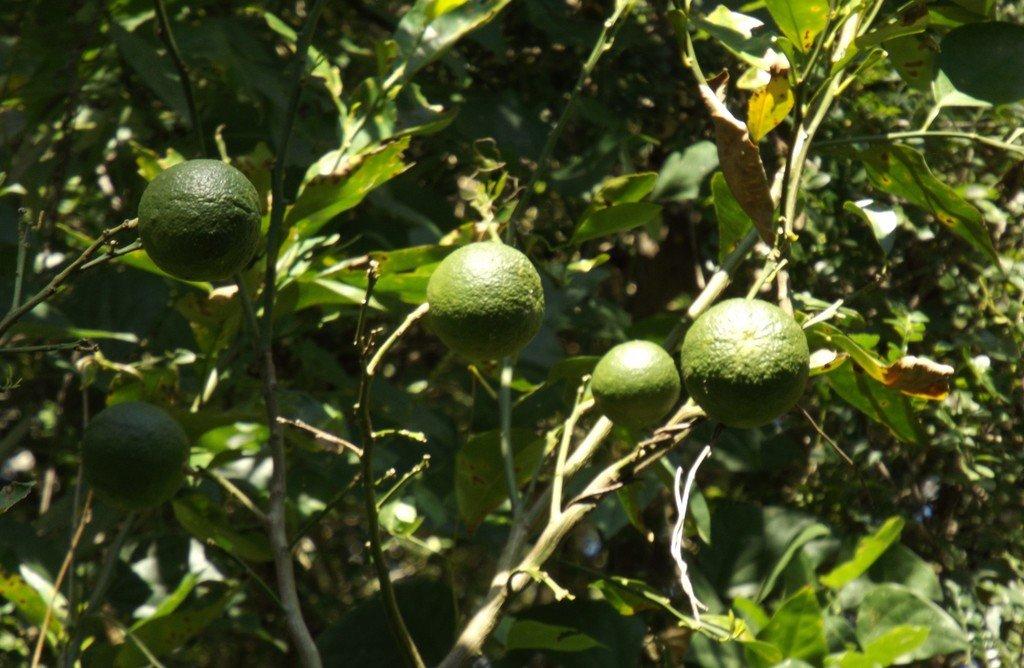
An orange peel is green for the same reason a leaf is: chlorophyll. The orange pigments underneath — carotenoids — are there all along, masked by the green. What unmasks them is temperature, not maturity:
- Cool nights break down chlorophyll. When fall and winter nights turn cold, the chlorophyll in the rind degrades and the orange and yellow carotenoids show through. A run of chilly nights can color a whole tree in a couple of weeks — whether or not the fruit inside has finished sweetening.
- Warm weather can reverse it. If temperatures warm up again, the peel can start making chlorophyll and turn greenish once more — a process growers call regreening. Late-season Valencia oranges are famous for it: fully ripe, fully sweet fruit wearing a green-tinged peel in warm weather.
- Commercial growers do it on purpose. Fruit picked for market is often exposed to ethylene gas to degreen the peel, purely so it looks the color shoppers expect. The treatment changes the rind's appearance only — it adds no sugar. That should tell you how loosely peel color and eating quality are connected.
So the peel is a thermometer with a memory. It reports the weather the tree has had — not the flavor the fruit has built.
Why color can't judge ripeness
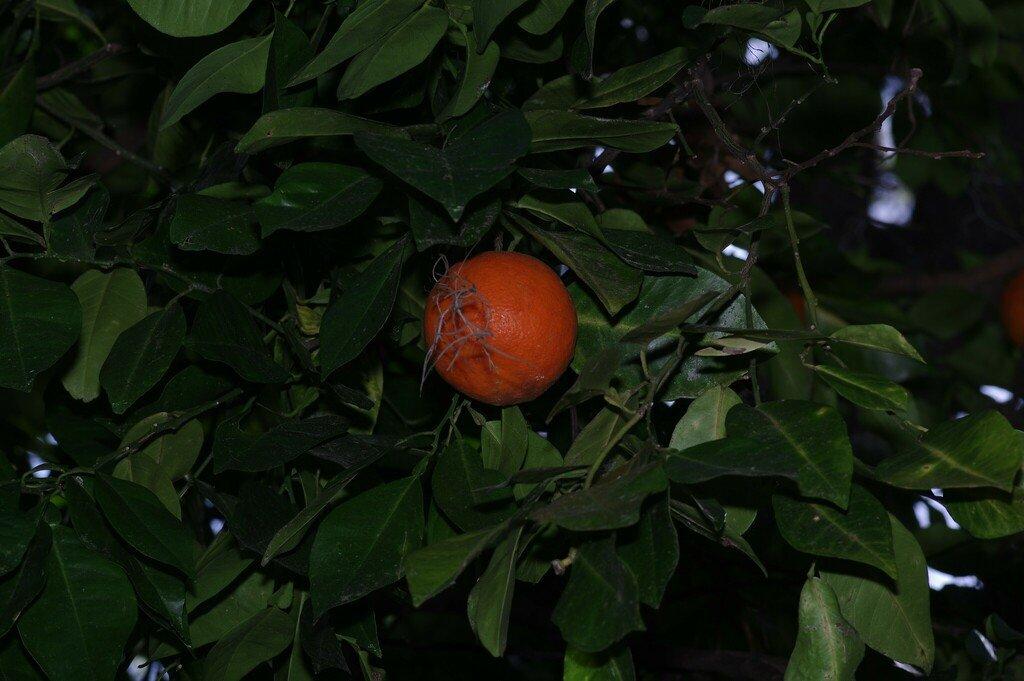
The deeper reason is how citrus ripens — or rather, how it doesn't. Citrus is a non-climacteric fruit. Unlike a banana, a peach, or an avocado, it has no post-harvest ripening phase: no starch reserve to convert, no surge of sugar after picking. Every gram of sugar an orange will ever have is made while it hangs on the tree, and its acids mellow only on the tree too. The day you pick it, its sweetness is final.
Put the two facts together and both directions of the color trap make sense:
- Orange but sour. A cold snap colors the peel early in the season, before the fruit has had the months of hang time it needs to build sugar and shed acid. Pick by color in that window and you harvest a basket of beautiful, tart fruit that will never improve on the counter.
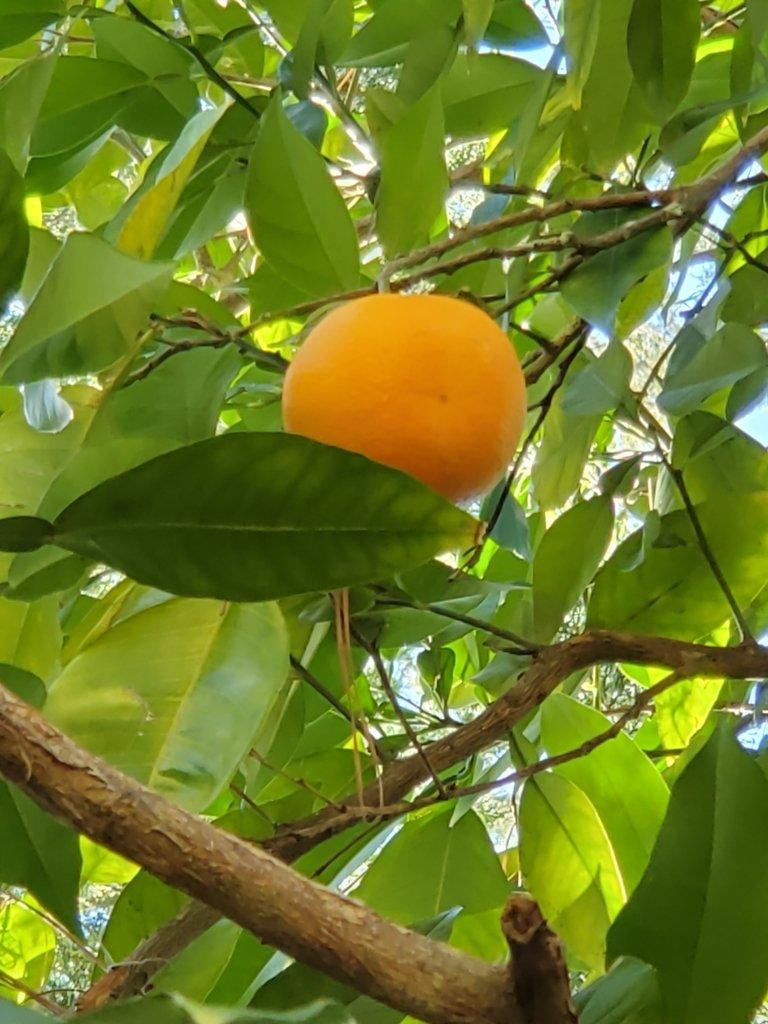
- Green but ripe. In warm climates — and in warm spells here — ripe fruit may never fully color, or may regreen after coloring. Summer Valencias are the classic case: the peel goes greenish while the fruit inside is at peak sweetness.
Color is not useless information — a tree coloring up tells you the season is turning and testing time is near. But it is a hint to start tasting, never the verdict itself.
The taste test: how to do it
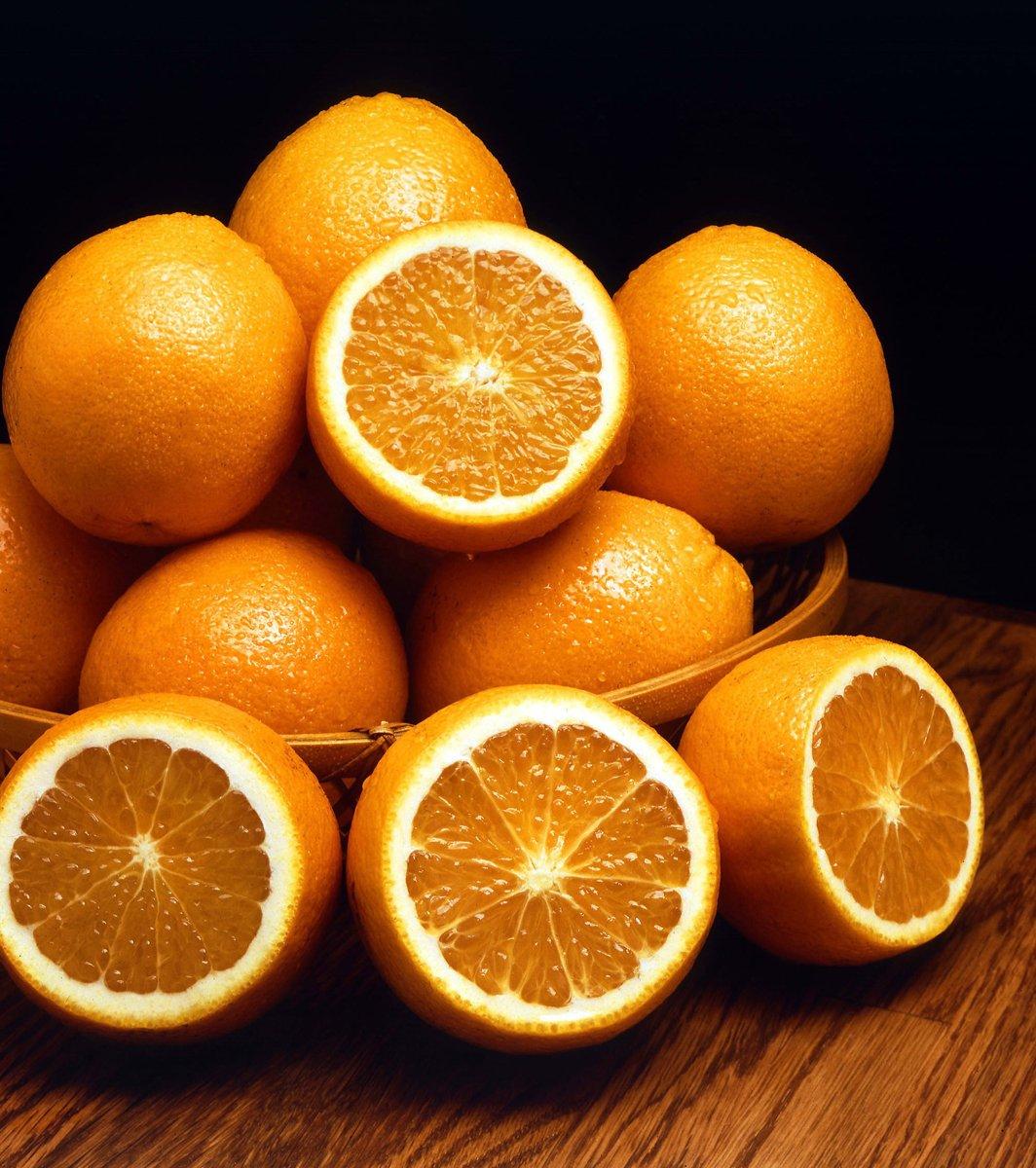
The test costs you exactly one orange. Run it like this:
1. Pick a representative fruit. Choose an average-looking orange from the part of the tree you are thinking of harvesting — not the biggest, not the most colored, and not the one hanging in the sunniest spot. It should stand in for its neighbors.
2. Cut it and taste it properly. Don't judge by a nibble of the first segment. Taste a full segment or two: you are judging the balance of sweetness against acid. Early fruit tastes sharp and thin; ripe fruit tastes full and sweet with the acid in the background.
3. Decide by the taste, not the calendar. Sweet enough? Harvest that section of the tree. Still tart? Walk away. The fruit loses nothing by hanging — it keeps sweetening slowly on the tree, which is more than it will ever do in a bowl.
4. Retest before each picking. Fruit on one tree does not ripen all at once, and different varieties on their own schedules entirely. Test again in a week or two, and test each variety — and each tree — separately. One verdict per tree per picking is the habit that ends sour harvests.
Other ripeness cues worth checking
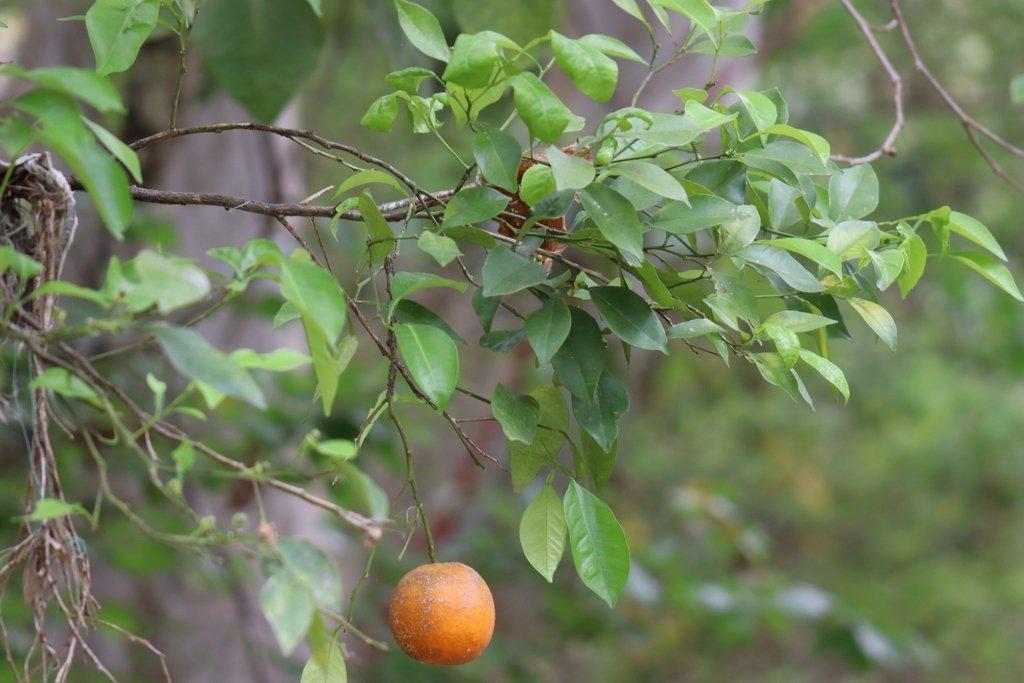
Taste is the judge, but three supporting cues help you decide when it's worth sacrificing a test fruit:
- Heft. Lift the fruit without picking it. A ripe, juicy orange feels heavy for its size — noticeably denser than an underfilled one. Light fruit is usually dry or still immature fruit.
- Slight give. A gentle squeeze of a ripe orange yields a little. Rock-hard fruit is not ready; soft or spongy fruit has hung too long.
- Fragrance at the stem end. Sniff where the stem meets the fruit. Ripe citrus smells like citrus — sweet and aromatic. Underripe fruit smells faint and green.
- Full size and a smoothing rind. Each variety has a characteristic size, and the rind tends to smooth out as the fruit matures. A small, coarse, thick-rinded orange on a tree whose fruit is normally large and smooth-skinned still has growing to do.
Use these cues to time your taste tests — never as a substitute for one. Every one of them can be fooled; your tongue can't.
When common varieties are ready
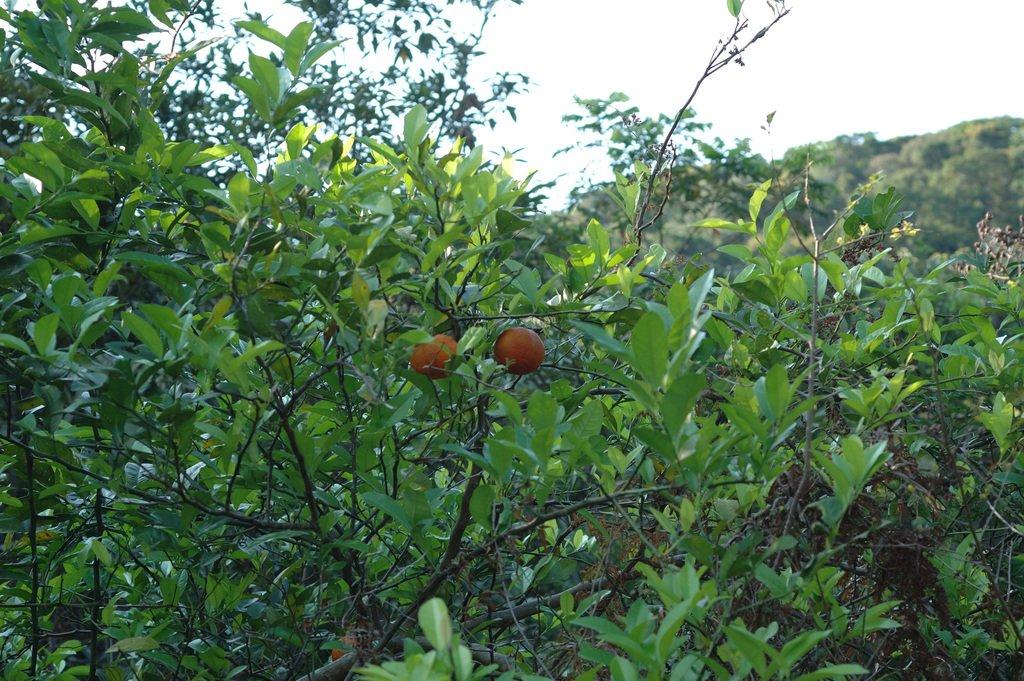
Variety sets the rough window — the taste test sets the day. General California timing, in line with UC Master Gardener harvest guidance:
- Navel oranges: the winter orange. Fruit colors in late fall and is typically ready from late fall through winter into early spring. Navels don't hold quality forever — pick them across the season rather than all at once.
- Valencia oranges: the summer orange. Valencias ripen in spring and summer, months after the navels, and hold well on the tree. They are also the regreening champions — summer fruit with a green tinge is often the sweetest of the year. Taste, don't look.
- Mandarins and tangerines: most ripen from fall through winter depending on type, and many do not hold well once ripe — a mandarin left hanging too long can turn bland or puffy. Test early and pick promptly once they pass.
- Lemons: picked fully sized and yellow — but a lemon is usable earlier, and trees crop over a long season. Because lemons are used for their acid, "ripe" mostly means full-sized and juicy; heft and a taste of the juice tell you.
- Grapefruit: the marathon fruit — it can need a year or more on the tree, sweetening slowly. Patience plus repeated taste tests; grapefruit picked early stays bitter-acid.
Windows shift with your microclimate — a warm inland valley runs weeks ahead of a cool coastal yard — which is one more reason the calendar advises and the taste decides.
Quick answers
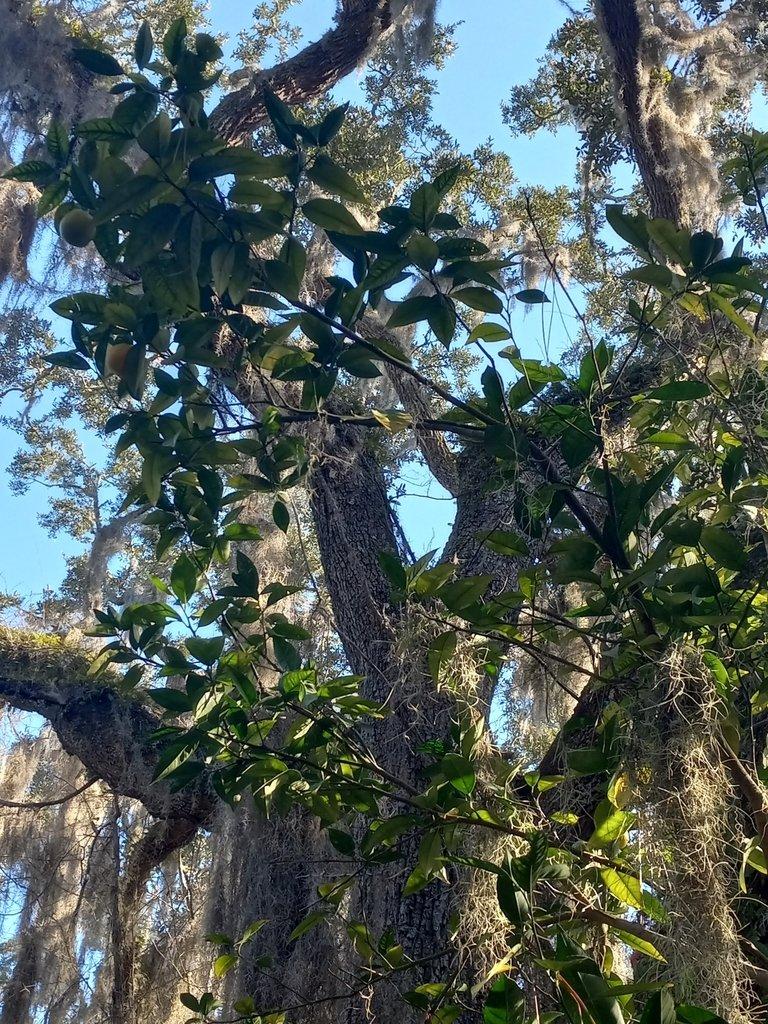
My oranges are fully orange but taste sour. Why?
Because the peel and the flesh run on different clocks. Cool nights colored the rind before the fruit had finished building sugar and mellowing its acid. The fix is time: leave the rest of the crop hanging, and taste-test again in a week or two. Fruit already picked will not sweeten — use it for cooking or marmalade, where the acid is an asset.
Can an orange be ripe while it's still green?
Yes. In warm weather a ripe peel may never fully color, and ripe fruit — Valencias especially — can regreen after coloring up. If a greenish orange feels heavy, smells fragrant at the stem, and tastes sweet, it is ripe. The taste test exists precisely for this case.
Will oranges ripen on the counter if I pick them early?
No. Citrus is non-climacteric: it has no ripening phase after harvest. A picked orange may soften, shrivel, or eventually rot, and its peel may even change color in storage — but it will not gain sugar or lose meaningful acid. Whatever sweetness it had at picking is all it will ever have.
How long can I leave ripe oranges on the tree?
Weeks to months for many varieties — the tree stores fruit better than the refrigerator does. Navel quality eventually declines late in the season, mandarins can go bland or puffy if left too long, and Valencias hold the longest. Keep tasting as you pick your way through the crop, and don't leave finished fruit hanging indefinitely: fallen and overripe fruit feeds pests (see our guide to oranges hollowed out on the tree).
Does one taste test really cover the whole tree?
It covers the fruit near the one you tested, picked at the same time. Fruit in different parts of the canopy — and certainly different varieties — ripens at different rates. Test one representative fruit per tree, per variety, per picking session. It costs an orange each time, and it saves the crop every time.