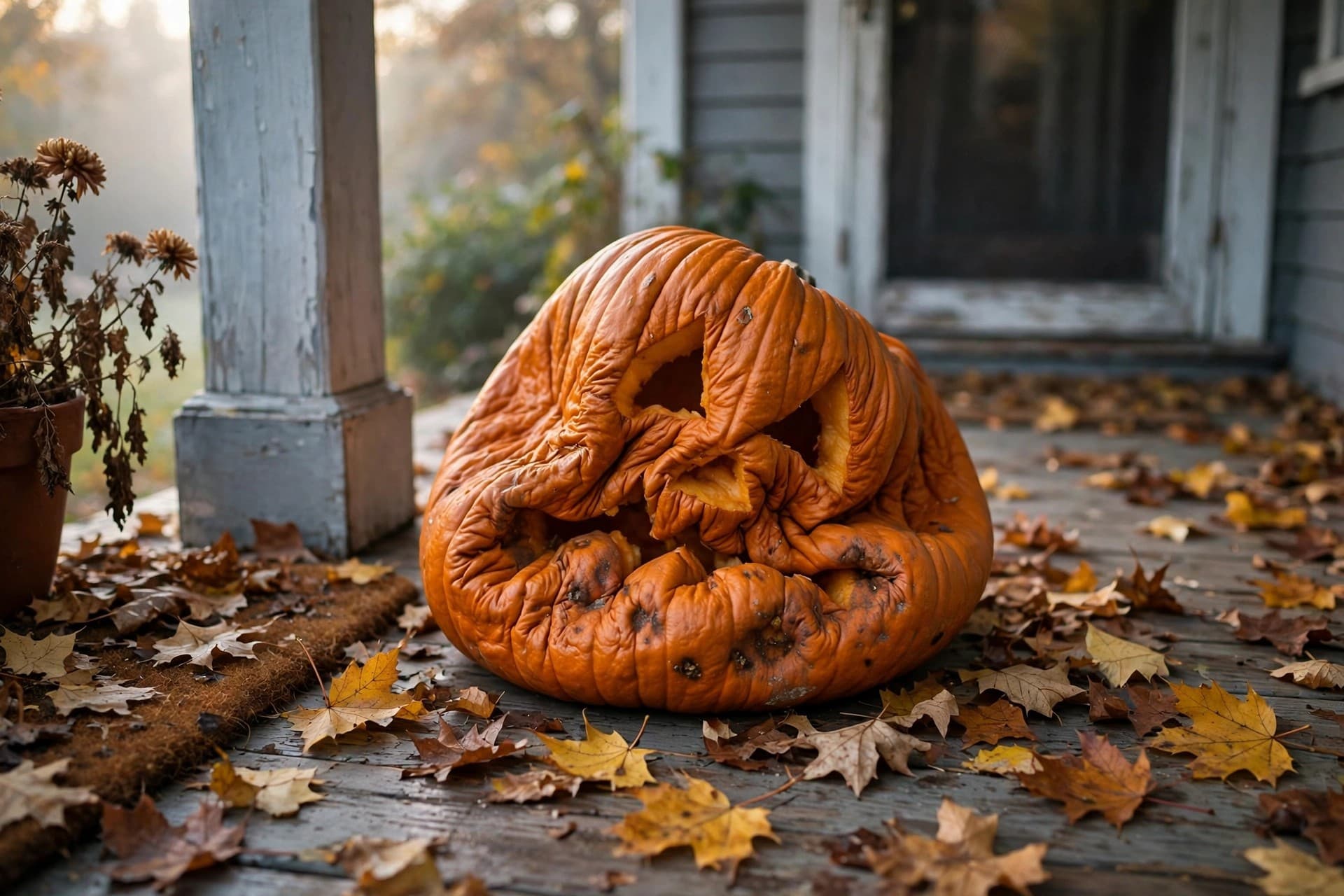

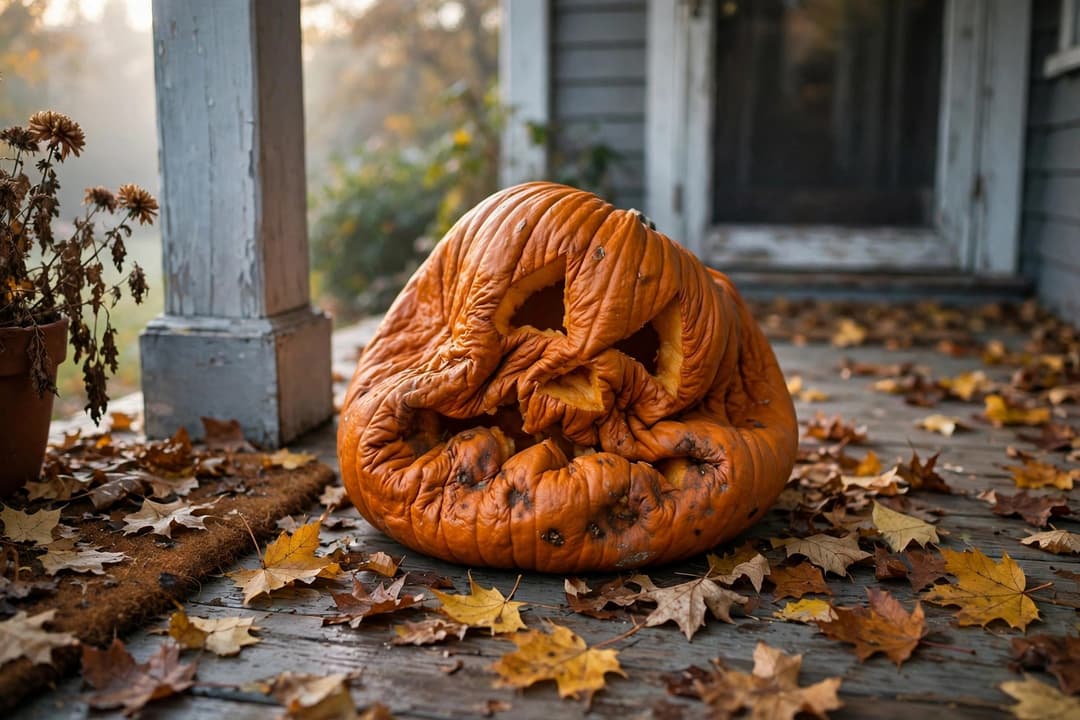
Compost it — after you strip every decoration off it. That is the short answer for a carved pumpkin on November 1. Cut it into small pieces, mix it with dry leaves or straw in your compost pile or bury it in an empty garden bed, and it feeds your soil over winter instead of rotting in a landfill. What you should not do, despite the viral posts every November, is carry it into the woods and leave it for the deer: University of Illinois Extension states plainly that tossing pumpkins in forest preserves or ditches counts as littering and can be illegal, and that the Illinois Department of Natural Resources does not recommend feeding pumpkins to wildlife. The narrow exception is feeders near your own home — and this article recommends birds only: plain baked seeds in a feeder, or the pumpkin itself turned into a bird feeder.
Sophie: "But the internet says leaving it in the woods is kind to wildlife."
Sprouty: "The internet is wrong on this one. A pumpkin dumped in a preserve is litter with seeds in it — and the animals it was meant to help are the ones extension warnings are written about."
First, Strip It Before Anything Else
Nothing in this article applies until the decorations come off. NC State Extension (Beaufort County) directs removing any candles, wax, or decorative paint first, and University of Illinois Extension gives the same instruction for pumpkins headed to a pumpkin-smash event: remove decorations, paint, or non-compostable materials before attending. Pull out candle stubs and wires, peel off stickers and tape, and scrape off paint and glitter as far as you can. A pumpkin washed with bleach needs extra care: Illinois Extension warns not to give bleach-washed gourds to farm animals, since bleach is toxic to them, and notes that a white-vinegar wash is a safer alternative — though it will not rescue a pumpkin that is already molding. The rule that follows from all of this is simple: any part you cannot strip clean — painted rind, glittered patches, wax-soaked flesh — does not go in the compost pile or the bird feeder. That part goes in the trash.
Do Not Dump It in the Woods
This is the advice that needs correcting, because it sounds generous and spreads every year. University of Illinois Extension explains why dumping fails on three counts: it is littering on land that is not yours, it smothers native plants and creates unhealthy little microhabitats full of molds, and dumped pumpkins now grow in preserves — last year's drop-offs sprouting where they do not belong. The wildlife argument fails too. Illinois Extension reports that feeding pumpkins to wildlife can spread disease, including chronic wasting disease in deer and powdery mildew carried on plant debris, and that, except for bird and squirrel feeders near a residence, feeding deer and other wildlife is illegal in Illinois. The Illinois feeding law is Illinois law, not a national statute — but the underlying cautions travel: dumped food concentrates animals, spreads disease, and introduces seeds and mold to places that did not ask for them, and Texas A&M AgriLife Extension likewise warns that feeding mammals such as deer, raccoons, and squirrels can create problems and may violate local ordinances. Check your own local rules before feeding anything beyond birds. And there is a smaller, sadder reason to bring decorations in rather than abandoning them: Illinois Extension notes that every fall, the University of Illinois Wildlife Medical Clinic treats wild animals trapped or tangled in decorative items left on holiday displays.
Option 1: Compost It — or Smash It
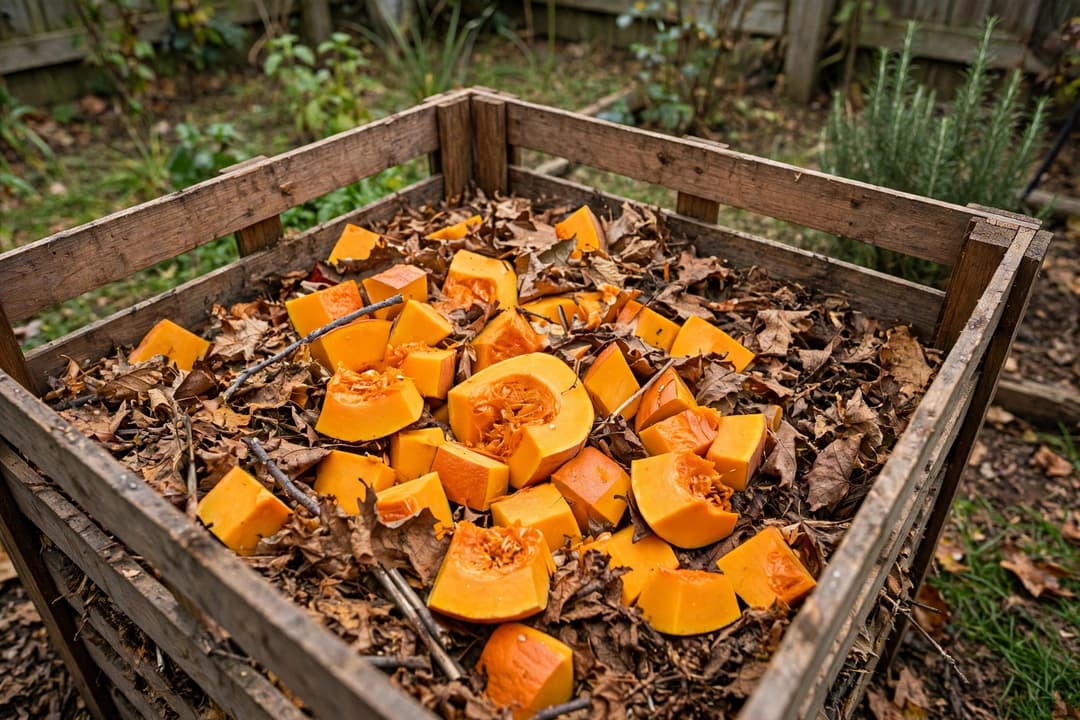
Composting is the default for a carved pumpkin, and it is the option with the clearest environmental case. University of Illinois Extension points out that pumpkins buried in a landfill rot without oxygen and create methane, a potent greenhouse gas, while composting turns the same pumpkin into a soil resource. NC State Extension gives the method: cut the pumpkin into smaller pieces to speed decomposition, mix it into the pile with browns such as dried leaves or straw, and if you have no compost pile, bury the chunks directly in a garden bed, where they decompose over winter and feed soil microbes for spring planting. Texas A&M AgriLife Extension adds two details that save trouble later: break the rind into the smallest pieces you can, and break the seeds down too — otherwise some will germinate in your compost pile and hand you a surprise pumpkin patch. If your town runs a pumpkin-smash event or a municipal drop-off, that is the same option with company: Illinois Extension lists pumpkin-smash events and at-home composting side by side as the ways to keep pumpkins out of the trash. One pumpkin will not transform your soil overnight, and nobody should promise a measured fertilizer payoff — but chopped, mixed with browns, and kept out of the landfill, it is genuinely useful organic matter, not waste.
If you have no compost setup and no drop-off nearby, a zoo or wildlife rehabilitation center may take a fresh, unpainted, untreated pumpkin (not moldy, not slumping) — but ask first. Illinois Extension lists donation to a zoo or rehab center as a real option, and a donation is only a donation when the recipient wants it: a painted, bleached, glittered, or moldy pumpkin is not one.
Option 2: Save the Seeds — for Birds and for Next Year
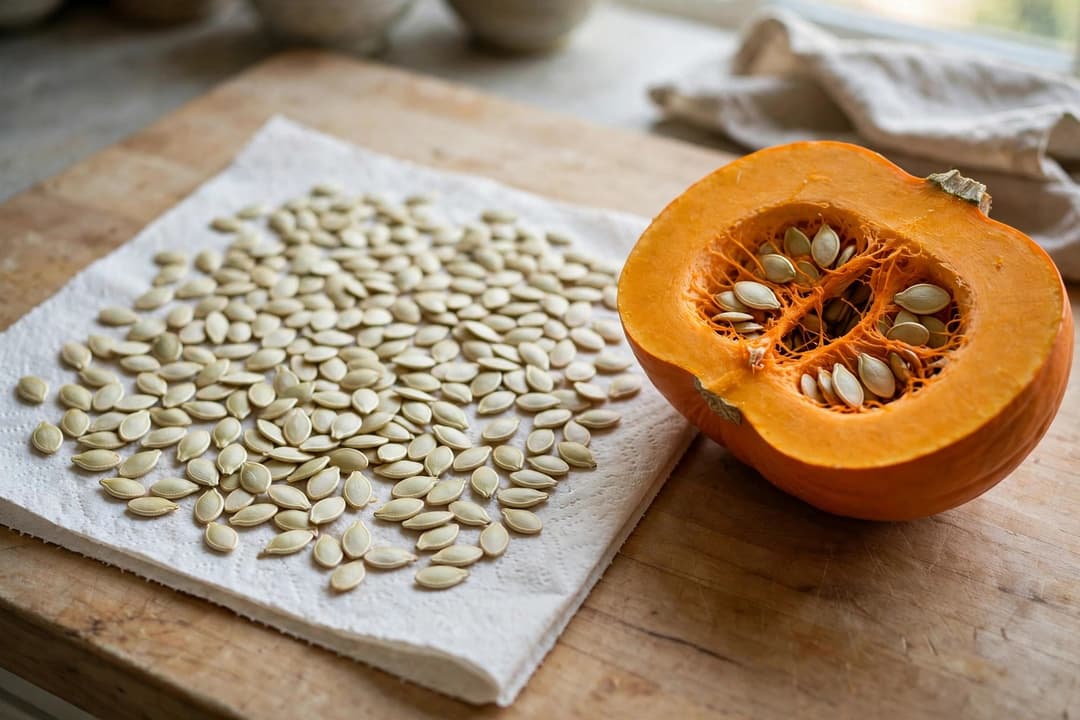
Before the pumpkin goes in the compost, scoop the seeds out — they are the one part with two second lives. For planting, Texas A&M AgriLife Extension advises laying seeds flat to air-dry on paper towels for about 24 hours, then placing them in a plastic bag or storing them in the refrigerator or a cool, dry place — and warns not to heat-dry them in an oven or in the sun, because heat can damage them. Stored correctly, the same guide says seeds can last for at least five years. For birds, the rule is stricter and simpler: plain only. Texas A&M AgriLife wildlife specialist Maureen Frank advises that baked pumpkin seeds can go in a bird feeder for feathered friends, with no salt or any other seasoning added. Anything salted or seasoned for your own snacking stays out of the feeder.
Option 3: Turn It Into a Bird Feeder — Birds Only
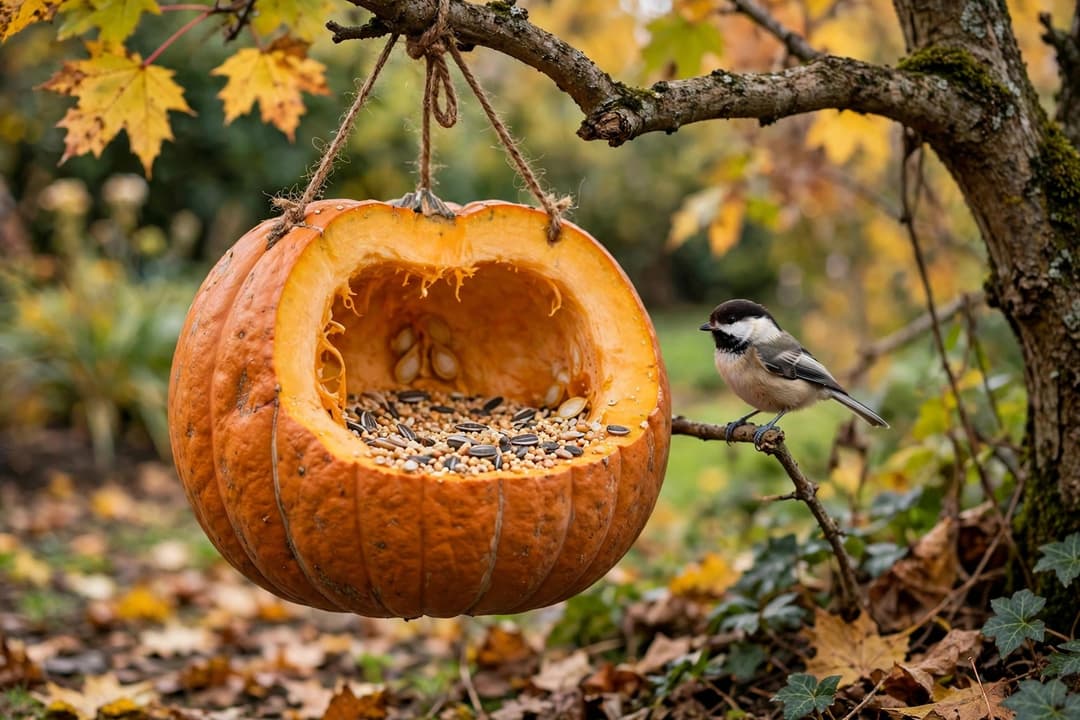
The most charming reuse is also the most narrowly endorsed: a pumpkin bird feeder. Texas A&M AgriLife Extension notes that a pumpkin used as a jack-o-lantern or decoration can become a snack for wildlife, and that the pumpkin itself can serve as a bird feeder — but draws the line Frank draws everywhere else in the piece: other animals, such as squirrels, raccoons, and deer, may be interested in pumpkin pieces, yet feeding those mammals can create problems and may be against local ordinances, so it is best to share with birds only. Texas A&M AgriLife points readers to Audubon instructions for the how-to; the concept is a hollowed, unpainted pumpkin filled with birdseed, hung where birds can reach it. Treat it as temporary: once the shell softens, smells, or shows mold, take it down and compost it. A feeder that has become a rotting lump is no longer feeding birds — it is the compost pile's business, a section earlier.
Frequently Asked Questions
Can I just leave my pumpkin out for the deer?
No — that is the dumping mistake in a friendlier costume. University of Illinois Extension warns against dumping pumpkins on preserves and against feeding wildlife, and its disposal guide repeats that the Illinois Department of Natural Resources does not recommend feeding pumpkins to wildlife. Birds near your home are the exception, not the precedent.
Can I eat my carved pumpkin?
Treat a carved porch pumpkin as compost, not dinner. Texas A&M AgriLife Extension puts it bluntly: “Once you carve a pumpkin and leave the pulp out for more than a couple of hours, you can assume it is not good to eat.” Our guide to keeping a carved pumpkin from rotting explains how fast mold moves in after that. An uncarved cooking pumpkin is a different ingredient; a carved jack-o-lantern is not.
What if my pumpkin is painted or was bleached?
Do not compost it, feed it to birds, or donate it. Strip what you can; the treated parts go in the trash. Bleach in particular is toxic to farm animals, per University of Illinois Extension — never offer a bleached pumpkin to any animal.
When should I deal with it?
November 1, not “eventually.” A pumpkin left slumping on the porch for weeks only gets moldier and smellier. The whole job — strip, chop, compost or hang — takes less time than carving it did.