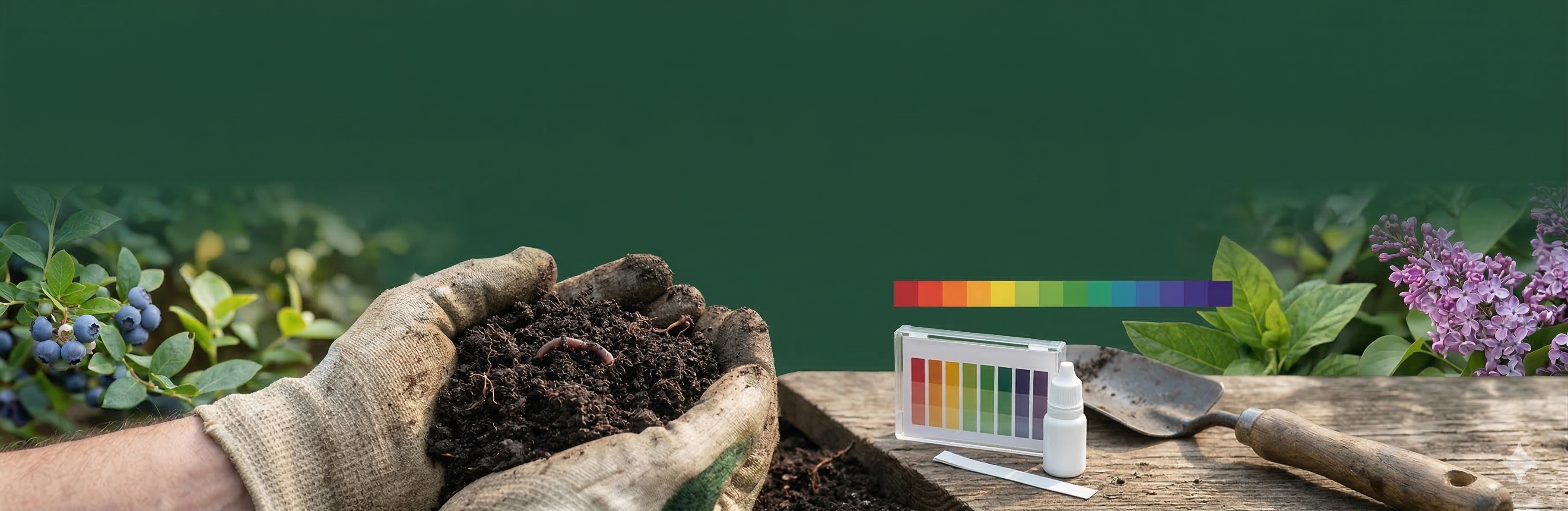
You've watered faithfully. You've fertilized on schedule. You've given your plants plenty of sun. And yet something still isn't right — leaves are yellowing, growth is sluggish, and your garden isn't producing the way you hoped.
The culprit is often invisible, sitting right beneath the surface: soil pH.
Soil pH is one of the most important — and most overlooked — factors in gardening. When it's off, even a perfect watering schedule and the best fertilizers in the world can't save your plants. When it's right, everything works better.
This guide will walk you through everything you need to know: what pH is, why it matters, how to test and fix it, and how to match your plants to your soil. No chemistry degree needed — just practical knowledge that will change how you garden.
1) What Is Soil pH?
The letters "pH" stand for potential of Hydrogen. It's a measurement of how acidic or alkaline your soil is, based on the concentration of hydrogen ions in the soil solution.
In simpler terms: it tells you whether your soil leans sour (acidic) or sweet (alkaline) — and that one number has an enormous impact on what can grow in it.
🌱
Sprouty's Simple Definition Think of soil pH like the mood of your soil. Too acidic and it's grumpy — nutrients get locked up and roots struggle. Too alkaline and it's stubborn — minerals become unavailable. At the right pH, your soil is happy, open, and ready to feed your plants.
pH is measured on a scale from 0 to 14. Most garden soils fall somewhere between 4.5 and 8.5 — and the difference between those numbers is enormous. Because the scale is logarithmic, a soil with a pH of 5 is ten times more acidic than one with a pH of 6, and a hundred times more acidic than one with a pH of 7.

Testing soil pH is a quick and affordable step that can transform your gardening results.
2) Why pH Matters for Plants
Here's the core reason pH matters so much: it controls whether nutrients in your soil are available to your plants.
Your soil might be rich in iron, manganese, phosphorus, and calcium — but if the pH is wrong, your plants literally cannot absorb those nutrients through their roots. The nutrients are there; the door is locked.
This is why gardeners who skip pH testing often end up confused. They fertilize and fertilize, the plant still looks sick, and the nutrients just build up unused in the soil while the plant starves. It's one of the most common and frustrating gardening mistakes.
pH also affects:
Soil biology — the bacteria and fungi that break down organic matter thrive in a narrower pH band than most people realize
Root health — roots can be damaged or stunted in extreme pH conditions
Water absorption — some studies suggest water uptake is less efficient in highly acidic or alkaline soils
Beneficial microbes — the earthworms, mycorrhizal fungi, and helpful bacteria that build soil health all have pH preferences
⚠️
The Fertilizer Trap Adding more fertilizer to soil with the wrong pH often makes things worse, not better. Nutrients accumulate to toxic levels in some cases. Always test pH before you fertilize — especially if plants look persistently sick despite good care.
3) The pH Scale Explained
The pH scale runs from 0 (most acidic) to 14 (most alkaline), with 7 being neutral. For most garden plants, the sweet spot is 6.0 to 7.0 — slightly acidic to neutral. This range maximizes the availability of the widest range of nutrients.
Here's a quick breakdown of what each range means in practical gardening terms:
Here's a quick breakdown of what each range means in practical gardening terms:
pH RangeDescriptionTypical ConditionsWhat Grows WellBelow 4.5
pH Range | Description | Typical Conditions | What Grows Well |
|---|---|---|---|
Below 4.5 | Extremely acidic | Bog soils, peaty soils | Very few plants; cranberries, sphagnum moss |
4.5 – 5.5 | Strongly acidic | Conifer-forested areas, high rainfall regions | Blueberries, azaleas, rhododendrons, heathers |
5.5 – 6.5 | Slightly to moderately acidic | Most forest soils, improved garden soils | Strawberries, potatoes, most vegetables, roses |
6.5 – 7.0 | Near neutral — the ideal zone | Healthy, well-amended garden soil | Almost all vegetables, most flowers, lawn grasses |
7.0 – 7.5 | Neutral to slightly alkaline | Chalky soils, arid regions | Brassicas, asparagus, lavender, some herbs |
7.5 – 8.5 | Moderately alkaline | Limestone soils, desert soils | Limited — some drought-adapted natives, cacti |
Above 8.5 | Strongly alkaline | Saline soils, arid soils with excess salts | Very few plants; specialist species only |
4) pH and Nutrient Availability
This is one of the most important concepts in soil science for home gardeners — and it's also one of the most visual once you understand it.
Different nutrients become available (or unavailable) depending on pH. Think of it like a series of faucets in the soil: some faucets open wide at acidic pH, some at neutral, some at alkaline. When pH is in the right range, all the main faucets are open. When it's too far in either direction, several shut off completely.
Nutrient Availability by Soil pH4.05.06.07.08.09.010.0Best Zone6.0–7.0NitrogenPhosphorusPotassiumCalcium & MgIron & ManganeseBoron, Zinc, CuAvailable at neutral–alkaline pHMost available in acidic soilNarrow availability window
Nutrient availability across the pH range. Notice how the near-neutral zone (6.0–7.0) keeps the widest range of nutrients unlocked simultaneously.
The key takeaways from this diagram:
Phosphorus is most available between pH 6.0–7.0. Below 5.5 or above 7.5 it becomes chemically bound and plants can't access it.
Iron and manganese are very available in acidic soils — so available that they can actually reach toxic levels below pH 5.
Calcium and magnesium are best available at higher (more alkaline) pH ranges.
Nitrogen, potassium are the most forgiving, but still decline at extreme ends.
💡
Why 6.5 is the Magic NumberA soil pH of around 6.5 is often cited as the near-ideal target for most vegetables because it keeps nearly all essential nutrients in a form plants can absorb — at the same time. It's the compromise zone where everything works together.
5) Signs Your Soil pH Is Wrong
You don't always need a test to suspect your pH is off. Your plants will often tell you, if you know what to look for.
🍂
Yellowing Leaves (Interveinal Chlorosis)
Green veins with yellow between them often signals iron or manganese deficiency — caused by soil that's too alkaline locking those minerals away.
🌿
Pale or Washed-Out Leaves
Uniform paleness across the whole leaf can suggest nitrogen or sulfur issues linked to pH being too high.
🔴
Purple or Reddish Leaves
On plants like tomatoes, purple tinting on leaves can signal phosphorus lock-up — often caused by soil that's too acidic or too cold.
🌱
Stunted Growth Despite Good Conditions
If you're providing water, light, and fertilizer but growth is slow or leggy, pH could be blocking the nutrients from getting in.
🌸
Poor Flowering or Fruiting
Phosphorus is critical for flowering and fruiting. Acidic or alkaline soil that locks up phosphorus will reduce blooms and harvests.
💧
Persistently Poor Results Despite Good Effort
If a bed always underperforms no matter what you try, test the soil pH before adding anything else.
⚠️
Don't Diagnose BlindlyThese symptoms have multiple possible causes — pests, disease, overwatering, and other deficiencies can look similar. A soil pH test is inexpensive and removes the guesswork before you start treating symptoms.
6) How to Test Your Soil pH
Testing your soil pH is one of the most valuable 10-minute investments you can make in your garden. Here are your options, from simplest to most accurate:
Option A: Home pH Test Kits
Available at most garden centres and online for a few dollars. You add a soil sample to a liquid solution and match the color to a chart. They're quick, cheap, and reasonably accurate — good enough for most home gardeners.
Option B: Digital pH Meters
A probe-style meter you push directly into moist soil. More convenient for repeated testing, though quality varies considerably. A mid-range meter from a reputable brand is worth it if you test often.
Option C: Laboratory Soil Test
The most accurate option. Many university extension programs and garden labs offer mail-in soil tests for $15–$40. They'll give you a full nutrient profile, not just pH — and recommendations for what to add. Worth doing every few years, or when you set up a new garden bed.
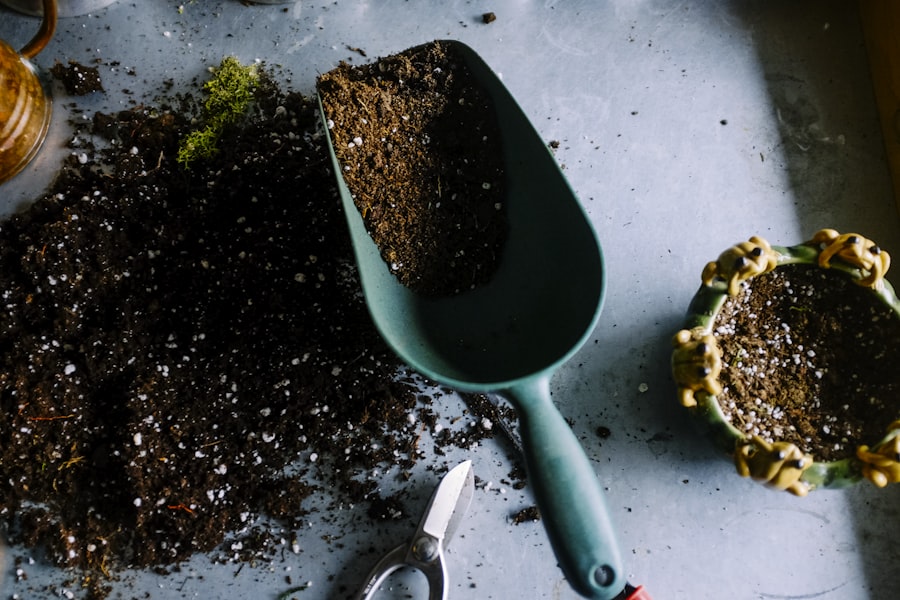
From simple color-match kits to digital meters — testing options fit every budget.
How to Take a Good Soil Sample
1
Use a clean trowel or augerResidue from fertilizers or previous soil can skew results. Rinse tools if in doubt.
2
Collect from the root zone (3–6 inches deep)Surface soil can differ from where roots actually live. Go down to where your plants feed.
3
Take multiple samples from different spotsMix together 3–5 samples from around the bed for a representative reading. One spot can be misleading.
4
Test moist (not waterlogged) soilBone-dry or waterlogged soil gives less accurate readings. Moist, workable soil is ideal.
5
Test each garden area separatelyDon't assume your front bed and vegetable patch share the same pH — they may differ quite a bit.
📅
When to TestTest in early spring before planting, or in autumn after harvest. Testing after you've added lime or sulfur can give misleading readings — wait 6–8 weeks after amendments before re-testing.
7) What Affects Soil pH?
Soil pH isn't fixed forever — it shifts slowly over time in response to several factors. Understanding these helps you anticipate problems before they arise.
What Moves Soil pH?SOILpH☔ RainfallLeaches alkaline minerals→ more acidic🪨 Parent RockLimestone = alkalineGranite = acidic🍂 OrganicDecomposing matterslightly acidifying🌿 FertilizersAmmonium-based→ acidify over time🪣 AmendmentsLime raises pHSulfur lowers pH
The main factors that shift soil pH over time — some you can control, some you work around.
Rainfall and irrigation water — Rainwater is naturally slightly acidic (pH ~5.6). Over years, leaching washes away calcium and magnesium, which makes soil more acidic. This is why rainy climates tend toward acidic soils.
Parent rock material — The geology beneath your garden matters. Limestone-based soils tend to be alkaline; granite and sandstone areas tend toward acidity.
Organic matter decomposition — Compost, leaf litter, and mulch release acids as they break down, gradually lowering pH over time.
Nitrogen fertilizers — Ammonium-based fertilizers (like ammonium sulfate) are acidifying. Long-term use without correction shifts soil toward acidity.
Plant uptake — As plants absorb nutrients, they release ions that can subtly change the pH around their roots.
Irrigation water quality — Hard water (high in calcium and magnesium carbonates) is alkaline and will gradually raise soil pH, especially in pots and raised beds.
8) How to Raise Soil pH (Too Acidic)
If your soil test comes back too acidic — below 6.0 for most vegetables, or below 5.5 for most other plants — you'll want to sweeten it by raising the pH. The most common and reliable way to do this is by adding lime.
Garden Lime (Calcium Carbonate)
The classic choice. Ground limestone is widely available, affordable, and effective. It raises pH slowly and steadily over several months. Best applied in autumn so it has time to work before the growing season.
Dolomitic Lime
Contains both calcium and magnesium carbonates. Great if your soil is also low in magnesium — which is common in acidic soils. Works similarly to garden lime.
Wood Ash
A natural alkaline amendment from hardwood fires. Works faster than lime but is more soluble, so the effect doesn't last as long. Apply sparingly — it's easy to overshoot. Avoid softwood ash, which is less effective and can contain compounds you don't want in the garden.
How Much to Apply?
This varies significantly by soil type. Sandy soils need less lime to shift pH than clay soils, which have greater buffering capacity. Most soil test results will include specific lime recommendations. A general starting point for raising pH by about 1 unit in a medium loam soil:
Soil TypeAmount of Ground Limestone (per 100 sq ft)Sandy soil3–5 lbsLoamy soil7–8 lbsClay-heavy soil8–10 lbs
⏳
Patience RequiredLime takes 2–6 months to fully affect pH. Don't re-test immediately after applying — wait until the next season. And don't over-apply — raising pH too high creates its own set of problems.
9) How to Lower Soil pH (Too Alkaline)
If your soil tests above 7.5 — or you want to grow acid-loving plants like blueberries, azaleas, or rhododendrons — you'll need to acidify it. This is often harder than raising pH, especially if you have naturally calcareous (chalk or limestone) soil, which has a strong buffering capacity.
Elemental Sulfur
The most reliable long-term solution. Soil bacteria convert sulfur into sulfuric acid over 1–3 months, gradually lowering pH. Takes longer to work than other methods but the effect is more lasting. Apply in spring or autumn, mix well into the soil, and re-test after 8 weeks.
Acidifying Fertilizers
Ammonium sulfate, ammonium nitrate, and similar fertilizers have an acidifying side effect. Using them as part of your fertilizing routine can help maintain lower pH over time — but they're not a rapid fix.
Pine Needle Mulch or Peat Moss
Both are acidic and help maintain lower pH around plants that prefer it. Good as a surface mulch for blueberries, rhododendrons, and heathers. Peat moss is controversial from a sustainability standpoint — alternatives like composted pine bark are often preferable.
Iron Sulfate
Works faster than elemental sulfur — sometimes within weeks. Also provides a dose of iron, which benefits plants in alkaline soils. Useful for a quick adjustment but less economical for large areas.
🚫
The Hard Truth About Calcareous SoilIf your soil sits on chalk, limestone, or has a very high natural carbonate content, acidifying it is an uphill battle. The calcium carbonate keeps neutralizing your amendments. In these situations, growing acid-lovers in containers or raised beds with imported ericaceous compost is often the most practical solution.
pH Adjustment Methods at a GlanceAmendmentEffectSpeedBest ForGarden LimeRaises pH ↑2–6 monthsMost vegetables, lawnsDolomitic LimeRaises pH ↑ + adds Mg2–6 monthsMg-deficient soilsWood AshRaises pH ↑ (mild)4–8 weeksSpot-treating, small areasElemental SulfurLowers pH ↓1–3 monthsBlueberries, azaleasIron SulfateLowers pH ↓ + iron2–4 weeksQuick fix, alkaline soils
Quick reference for pH amendment choices — speed and effect side by side.
10) Plants Grouped by pH Preference
One of the most practical things to understand is that different plants genuinely prefer different pH levels — it's not just a guideline, it's often the difference between thriving and struggling. Here's a practical breakdown:
🫐 Acid-Loving Plants (prefer pH 4.5–6.0)
These plants are adapted to low-pH soils and can even suffer if pH creeps too high. In alkaline conditions, they develop chlorosis (yellowing) because they can't take up iron.
PlantIdeal pHNotesBlueberries4.5–5.5Very strict about pH — will barely produce outside this rangeAzaleas & Rhododendrons4.5–6.0Ericaceous plants; use specialized compost in containersCamellias5.0–6.0Similar to azaleas; lime-free water bestHeathers4.5–5.5Classic acid-soil plantsPotatoes5.0–6.0Slightly acidic preferred; reduces scab diseaseStrawberries5.5–6.5More flexible than other acid-loversRaspberries5.5–6.5Prefer slightly acidic to neutral
🌿 Broadly Adaptable Plants (prefer pH 6.0–7.0)
Most vegetables, flowers, and common garden plants do best in this near-neutral range where nutrient availability is maximized.
PlantIdeal pHNotesTomatoes6.0–6.8Highly responsive to pH; blossom end rot often worsens at wrong pHPeppers6.0–6.8Similar to tomatoesLettuce & leafy greens6.0–7.0Very adaptableCarrots & root veg6.0–6.8Prefer slightly acidic, well-drained soilBeans & peas6.0–7.0Fix nitrogen; prefer neutral to slightly acidicCucumbers & squash6.0–6.8Standard vegetable rangeRoses6.0–6.5Slightly acidic for best nutritionLawn grasses6.0–7.0Most turf grasses; moss often signals acidity below 6.0
🌾 Alkaline-Tolerant Plants (tolerate pH 7.0–7.5+)
These plants cope better with higher pH and some actively prefer it.
PlantIdeal pHNotesBrassicas (cabbage, broccoli)6.5–7.5Actually prefer slightly alkaline; higher pH reduces clubrootAsparagus7.0–7.5One of the most alkaline-tolerant vegetablesLavender6.5–7.5Native to alkaline Mediterranean soilsClematis7.0–7.5"Clematis likes its feet in the lime" — traditional wisdom holds trueSweet peas7.0–7.5Benefit from liming; very popular in UK cottage gardensDianthus (pinks)6.5–7.5Alkaline-tolerant; lovely on chalky soil

Blueberries are famously strict about pH — they need 4.5–5.5 to thrive and produce fruit.
11) Raised Beds & Containers: Special pH Considerations
Raised beds and containers give you more control over soil pH than in-ground gardening — but they also come with their own quirks.
Raised Beds
Because you fill raised beds with purchased or mixed soil, you have an opportunity to start with the right pH from day one. Most bagged raised-bed mixes are near-neutral (around 6.5), which suits most vegetables well. Test your mix before planting, especially if using homemade compost-heavy blends, which can be more acidic.
Over time, raised bed soil will slowly acidify — especially in high-rainfall areas or with heavy ammonium fertilizer use. Check pH annually and add lime in autumn if needed.
Containers
Containers are even more pH-sensitive than raised beds because the small volume of soil has less buffering capacity. A few things to watch:
Hard water irrigation gradually raises pH in pots — sometimes significantly over a season. If you're in a hard-water area and growing acid-lovers, use rainwater or filtered water.
Ericaceous compost (pH ~4.5–5.5) is essential for blueberries, azaleas, and similar plants in containers.
Regular re-potting (every 1–2 years) gives you a chance to refresh the pH-appropriate growing medium.
🪴
Sprouty's Container TipIf you're growing blueberries in pots, water with collected rainwater whenever possible. Tap water in many areas is alkaline enough to gradually raise pH beyond what blueberries can tolerate — especially in summer when you're watering frequently.
12) Organic Matter & pH Over Time
This is a section many gardeners skip — but it explains a lot about why soil pH changes even when you haven't added any amendments.
Adding organic matter is almost always a good idea for soil health. But it does gently acidify over time as organic acids are released during decomposition. This is usually a small, beneficial effect — nudging pH toward the sweet spot — but over many years of heavy composting, it's worth monitoring.
What Acidifies More:
Pine needles, conifer needles
Sawdust from softwoods
Peat moss
Composted oak leaves
What Stays More Neutral:
Well-made mixed compost
Aged horse or cow manure
Green (leafy) kitchen scraps
Grass clippings
What Can Raise pH:
Wood ash
Eggshells (very slowly — crushed fine)
Seaweed meal (slightly)
The practical takeaway: regularly amended vegetable gardens in rainy climates will slowly acidify over years, even if you never notice. Annual testing keeps you ahead of the curve.
13) Common pH Mistakes to Avoid
📏
1. Guessing Without Testing
No matter how experienced you are, the only way to know your soil pH is to measure it. Symptoms can look similar across many problems. Test first, treat after.
⚗️
2. Adding Too Much Lime at Once
Over-liming is a real problem. Adding too much raises pH excessively and can lock out manganese and iron. Apply in recommended amounts, wait, then re-test before adding more.
🔁
3. Testing Right After Amending
Lime and sulfur take weeks or months to fully react. Testing the day after you applied lime will give you a falsely high reading. Wait at least 6–8 weeks.
🌧️
4. Forgetting That pH Drifts
pH isn't a one-and-done fix. Rainfall, fertilizers, and organic matter all shift it over time. Test annually and make small corrections rather than large corrections every few years.
🧪
5. Using a Cheap Meter Without Calibration
Budget probe meters can give wildly inaccurate readings, especially when worn or not properly cleaned. Calibrate regularly, or use colorimetric test kits for reliable results.
🌊
6. Ignoring Irrigation Water
In containers especially, your tap water's pH affects soil over time. Hard water raises pH gradually. If you're fighting persistent alkalinity in pots, test your water source too.
14) Frequently Asked Questions
What soil pH is best for a vegetable garden?
Most vegetables do best at 6.0–6.8. This range keeps the widest variety of nutrients available for uptake. If you're growing brassicas (cabbage, broccoli, kale), aim slightly higher — around 7.0 — to reduce the risk of clubroot disease. Potatoes are the outlier: they prefer 5.0–6.0 to minimize common scab.
Can I fix soil pH quickly before planting?
Most pH amendments take weeks to months to fully work. Iron sulfate is the fastest-acting amendment for lowering pH (2–4 weeks). For raising pH rapidly, hydrated lime reacts faster than ground limestone, but must be used very carefully to avoid overshoot. For a quick-fix approach, adjust your planting plans this season to suit your current pH, and begin long-term amendment for next season.
Does compost raise or lower soil pH?
Well-made, mixed compost tends to be slightly acidic to nearly neutral (pH 6.5–7.0) and is generally a buffering influence — nudging extreme pH toward the middle rather than pushing it further in either direction. Over many years of heavy application, most garden soils will slowly acidify due to organic acid production during decomposition, but this is a gradual effect.
My hydrangeas are blue — does that tell me anything about pH?
Yes! Mophead hydrangeas (Hydrangea macrophylla) are one of nature's most visible pH indicators. Blue flowers indicate acidic soil (below about pH 6.0) because aluminum is more soluble and available to the plant. Pink flowers indicate alkaline soil (above pH 6.5). White-flowering varieties don't change color. This is one of the rare cases where you can read pH from the plant itself — though a proper test is still worth doing.
Can I use vinegar to lower soil pH?
Technically yes — vinegar is acidic and does lower pH temporarily. But in practice, it's not a good garden amendment. The effect is very short-lived (days to weeks) because soil quickly buffers it back. It can also harm soil microbes in high concentrations. Elemental sulfur or iron sulfate are much more practical, long-lasting, and safer for your soil ecosystem.
How often should I test soil pH?
For established garden beds: once a year is usually sufficient, ideally in early spring or autumn. If you've added amendments or have had persistent plant problems, test again after 2–3 months. Container soil and raised beds benefit from testing each new season, especially if you've been watering heavily with tap water.
Is acidic soil always bad?
Not at all. Many beloved plants thrive in acidic conditions — blueberries, camellias, rhododendrons, azaleas, and heathers all prefer low pH. Forest soils, which support enormous biodiversity, are often naturally acidic. The question isn't whether acidic is good or bad — it's whether your soil pH matches the needs of what you want to grow.
15) Sprouty's Soil pH Checklist
Use this checklist to stay on top of soil pH in your garden:
Before You Plant
Test soil pH in each garden bed or container
Check the pH preferences of each plant you plan to grow
Apply lime or sulfur as needed based on test results
Wait the recommended time before re-testing and planting
Use ericaceous compost for acid-loving plants in containers
During the Growing Season
Watch for signs of nutrient deficiency (yellowing, purpling, poor growth)
Consider water source if growing acid-lovers in pots
Note which areas of the garden perform well vs. poorly
Avoid over-applying ammonium fertilizers without monitoring pH
At the End of the Season
Test pH in beds where plants struggled
Apply autumn lime if beds have drifted acidic
Note pH results in a simple garden journal for year-to-year comparison
Refresh ericaceous compost in containers for acid-loving perennials
Every 2–3 Years
Consider a full laboratory soil test for a detailed nutrient profile
Reassess lime and amendment strategy based on long-term trends
Discuss results with your local extension service if you have persistent issues
🌱
A Word from SproutySoil pH sounds complicated, but once you understand it, it becomes one of your most powerful gardening tools. You can fertilize smarter, choose plants with more confidence, and troubleshoot problems before they become disasters. Test your soil. Know your numbers. Then watch what happens when everything finally clicks into place.
Soil pH is the foundation beneath every garden success story. It's invisible, it's often overlooked, and when it's wrong, even the most dedicated gardening effort can fall short. But when it's right, nutrients flow freely, roots thrive, and your plants do exactly what they were meant to do.
You don't need to become a soil scientist. You just need to test, understand what you find, and make small, patient corrections. That's the whole game — and it pays dividends for every season that follows.