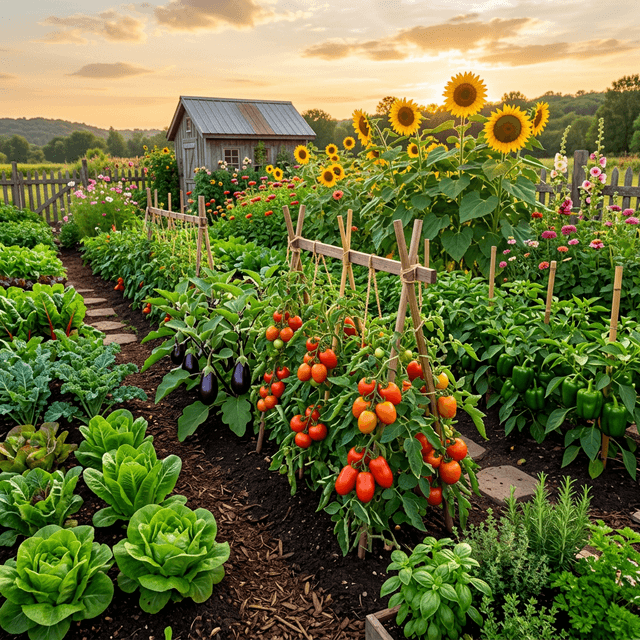
Raised bed gardening is one of the easiest ways to start growing with confidence.
It gives you more control over your soil, helps with drainage, makes garden spaces easier to manage, and creates a clean, organized structure that feels much less overwhelming than digging up a whole yard. For many beginners, raised beds are the sweet spot between container gardening and traditional in-ground gardening.
They’re practical. They’re productive. And they make gardening feel a little more doable from day one.
If you’ve been thinking, “I want a garden, but I don’t know where to start,” a raised bed might be exactly the right beginning.
This guide will walk you through everything step by step — from choosing the right size and location to filling the bed, planning what to grow, and avoiding the beginner mistakes that cause frustration later.
You do not need a huge backyard.
You do not need expensive lumber.
You do not need to be an expert.
You just need a smart setup and a simple plan.
Let’s build one.
Table of Contents
What is a raised bed garden?
Why beginners love raised beds
Choosing the best location
Picking the right size and height
Best materials for raised beds
Should you build or buy?
What to put under a raised bed
How to fill a raised bed
The best soil mix for beginners
What to grow in a raised bed
How to plan your bed layout
Planting in a raised bed
Watering and mulching
Supporting plants and vertical growing
Common pests and problems
Seasonal care and maintenance
Beginner mistakes to avoid
A simple first raised bed plan
Frequently asked questions
Sprouty’s raised bed checklist
1) What Is a Raised Bed Garden?
A raised bed garden is exactly what it sounds like: a growing space where soil is raised above ground level and contained within a frame.
That frame is often made of wood, but it can also be made from metal, composite boards, stone, bricks, or other safe garden materials. The soil inside the bed is usually a custom mix chosen for better texture, drainage, and fertility than the native ground below.
Think of a raised bed as a garden with better boundaries and better control.
It is not the same as container gardening, and it is not quite the same as planting directly in the ground. It sits in the middle — giving you more growing room than pots, but more control than a traditional bed.
For beginners, that combination is powerful.
2) Why Beginners Love Raised Beds
Raised bed gardening solves several common beginner problems all at once.
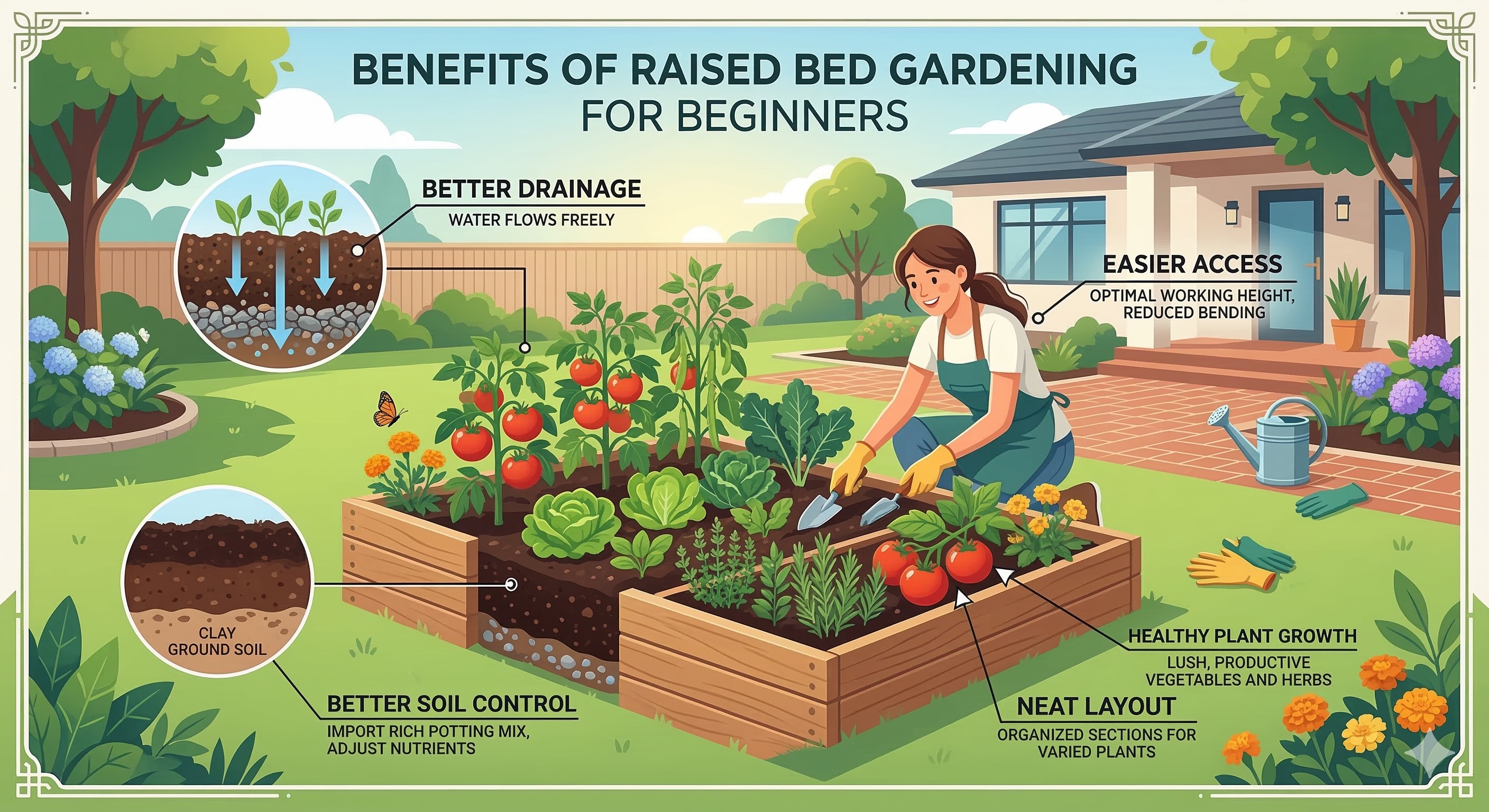
Better Soil Control
One of the biggest advantages is that you are not stuck with whatever soil your yard happens to have. If your native soil is rocky, compacted, clay-heavy, or poor in drainage, a raised bed lets you create a better growing environment from the start.
If you want to understand why soil quality matters so much, read Understanding Soil pH: The Complete Guide. It will help you see why healthy soil makes everything easier.
Better Drainage
Raised beds usually drain better than flat in-ground plots, especially in areas where the ground tends to stay soggy after watering or rain.
Easier Access
They are easier on the back and knees, especially if you build them a little taller.
Cleaner Layout
Raised beds make the garden feel more organized. Paths stay clearer, plants stay more contained, and the whole space is easier to manage visually.
Fewer Weeds
You will still see weeds, but typically fewer than in traditional ground-level plots, especially if you start with clean soil and mulch well.
Great for Small Spaces
Even one small raised bed can grow a surprising amount of food and flowers.
Sprouty’s Tip:
Raised beds do not make gardening effortless, but they do make it simpler, cleaner, and much easier to learn.
3) Choosing the Best Location
The location of your raised bed matters more than the bed itself.
A beautifully built raised bed in the wrong place will still struggle.
Look for Sun First
Most vegetables, herbs, and flowering plants do best with at least 6 to 8 hours of direct sunlight a day. Fruiting plants like tomatoes, peppers, cucumbers, and squash especially need strong sun.
Leafy greens and some herbs can tolerate a bit less, but even they do best when they are not tucked into deep shade.
Before building anything, spend a day or two observing:
where the morning sun lands
where the afternoon sun is strongest
where fences, sheds, walls, or trees cast shade
whether the area stays bright across most of the day
If you are still learning how sunlight affects plant success, go through your Beginner’s Guide to Gardening first, especially before choosing your layout.
Keep Water Access in Mind
A raised bed that is far from your hose or watering setup may sound fine now, but it gets annoying fast in summer.
Choose a location that is:
sunny
easy to reach
close enough to water regularly
easy to walk around
Think About Convenience
The best garden is often the one you will actually visit every day. A bed near the back door, patio, or kitchen can be easier to maintain than one hidden far away.
4) Picking the Right Size and Height
This is one place where beginners often overdo it.
A bed that is too big becomes harder to fill, harder to water, and harder to manage. Start smaller than you think you need.
Best Beginner Dimensions
A very beginner-friendly raised bed size is:
4 feet wide
6 to 8 feet long
10 to 18 inches high
Why 4 feet wide? Because that usually lets you reach the center from either side without stepping into the bed.
That matters more than people realize.
When you step into the bed, you compact the soil. Compacted soil makes root growth harder and drainage worse.
Height Recommendations
10–12 inches is enough for many crops
15–18 inches gives more root room and easier access
24 inches or more is great for accessibility but uses much more soil
Start with One Bed
One well-managed bed teaches you more than three rushed ones.
5) Best Materials for Raised Beds
There are several good options, and you do not need the fanciest one.
Wood
Wood is the most common raised bed material because it looks natural, is easy to work with, and fits most home gardens well.
Good choices include:
cedar
redwood
untreated rot-resistant lumber
Metal
Metal raised beds have become very popular. They are durable, clean-looking, and often easy to assemble.
Composite Materials
Composite beds can last a long time and resist rot, though they may cost more.
Brick or Stone
These can look beautiful and last for years, but they are more permanent and usually more work to install.
What to Avoid
Avoid materials that may leach harmful substances or are not meant for food-growing environments.
A simple beginner rule: choose safe, durable, uncomplicated materials.
Sprouty’s Tip:
Do not get stuck waiting for the perfect raised bed. A simple, solid bed in a good sunny location beats a beautiful bed that never gets built.
6) Should You Build or Buy?
Both options are good.
Build It Yourself If:
you enjoy DIY projects
you want custom sizing
you want to save some money
you already have tools or help
Buy a Kit If:
you want quick setup
you prefer simplicity
you want a polished look
you do not want to measure and cut lumber
There is no “more real gardener” option here. The best choice is the one that gets you growing sooner.
7) What to Put Under a Raised Bed
This question confuses a lot of beginners.
The answer depends on what is already there.
If the Bed Sits on Grass
You can place down cardboard first to help smother grass and reduce weeds while still allowing the material to break down over time.
If the Bed Sits on Bare Soil
You may not need much underneath at all.
If Gophers or Burrowing Pests Are a Problem
You may want to add hardware cloth or fine metal mesh at the bottom before filling.
If You Are Putting a Bed on Concrete
Raised beds can work there too, but drainage becomes more important and root depth is more limited depending on what you grow.
A simple layer of cardboard under a new raised bed is often enough for beginners starting on grass.
8) How to Fill a Raised Bed
You do not want to fill a raised bed with random yard dirt and hope for the best.
The goal is to create soil that drains well, holds enough moisture, and supports healthy roots.
For Shallower Beds
If your bed is around 10 to 12 inches deep, fill most of it with quality raised bed soil or a good garden soil blend.
For Deeper Beds
If your bed is tall, you can save money by using some bulkier material in the lower section before adding your best soil near the top.
Some gardeners use:
untreated wood pieces
coarse plant material
leaves
partially broken-down organic matter
Then they top it with a rich, plant-ready soil mix.
But if that sounds too complicated, keep it simple:
fill the bed with good-quality raised bed soil mix and compost.
Simple wins.
9) The Best Soil Mix for Beginners
Soil is the heart of the raised bed.
A good beginner mix should be:
loose
rich in organic matter
well-draining
moisture-retentive without becoming soggy
A practical beginner-friendly formula is:
quality raised bed or garden soil blend
compost
a material that helps structure and aeration if needed
Many gardeners follow some variation of a topsoil + compost + aeration blend, but you do not need to chase a complicated formula on day one.
What matters most is this:
do not use dense clay soil alone
do not use only cheap fill dirt
do not use potting mix alone in a large raised bed unless you specifically intend to
Compost makes a huge difference here, and fallen leaves are a free source of it — see Don’t Rake Healthy Fallen Leaves: They Are Winter Mulch.
And if you want to understand why your soil chemistry affects plant performance, Understanding Soil pH: The Complete Guide is worth reading next.
10) What to Grow in a Raised Bed
Raised beds are incredibly flexible, but some plants are especially beginner-friendly.
Great First Crops for Raised Beds
lettuce
spinach
kale
Swiss chard
radishes
bush beans
carrots
green onions
basil
parsley
marigolds
nasturtiums
Also Great If You Have Enough Sun
tomatoes
peppers
cucumbers
zucchini
Easy Bed Combinations
A raised bed works beautifully when you mix:
leafy greens
one or two herbs
a few flowers for pollinators and color
To decide what to grow first, check What to Plant Now for your ZIP, or read What to Plant in March.
And if you want your raised bed to support bees and butterflies too, add flowering companions and read How to Start a Pollinator Garden.
Sprouty’s Tip:
A beautiful raised bed is not one giant crop. It is usually a thoughtful mix of food, flowers, and breathing room.
11) How to Plan Your Bed Layout
This is where a little planning saves a lot of trouble later.
Put Tall Plants in the Back or Center
If your bed is against a wall or fence, put taller plants in the back. If you can access the bed from all sides, taller crops can go in the middle.
Examples:
tomatoes
peppers
trellised cucumbers
taller flowers
Put Shorter Plants Near the Edges
Examples:
lettuce
basil
spinach
radishes
marigolds
Group by Water Needs
Plants that like similar moisture levels are easier to manage together.
Leave Airflow Space
Do not plant too tightly. Overcrowding leads to poor airflow, more disease pressure, and more frustration.
Think in Squares or Blocks
Many beginners find it easier to plant in blocks instead of long rows. Raised beds are especially well suited for that.
For example:
one square for lettuce
one section for herbs
one section for beans
one corner for flowers
12) Planting in a Raised Bed
Once your bed is ready and your plan is set, it is time to plant.
If You Are Sowing Seeds
moisten the soil first if very dry
follow seed packet depth instructions
avoid planting tiny seeds too deep
water gently so you do not wash them away
keep the top layer evenly moist while germinating
If You Are Planting Seedlings
water the seedlings before planting
loosen crowded roots gently
plant at the correct depth
firm soil around the roots
water thoroughly after planting
Direct Sowing vs Transplants
Raised beds are great for both.
Direct sow:
radishes
carrots
lettuce
beans
peas
Transplant:
tomatoes
peppers
basil
many flowers
Sprouty’s Tip:
When in doubt, give plants a little more space than you think they need. Tiny seedlings do not stay tiny for long.
13) Watering and Mulching
Raised beds usually drain better than in-ground soil, which is a good thing — but it also means they can dry out faster, especially in warm weather.
How to Water a Raised Bed
Water deeply so moisture reaches the root zone.
Do not just sprinkle the surface and walk away.
A better approach:
water slowly and thoroughly
check soil moisture before watering again
water in the morning when possible
water the soil, not just the leaves
Mulch Matters
Mulch helps:
hold moisture
reduce weeds
protect the soil surface
regulate soil temperature
slowly improve the bed over time, depending on the material
Good beginner mulch options:
straw
shredded leaves
compost
untreated fine bark in some ornamental beds
If you’re still building confidence with watering and soil care, the Beginner’s Guide to Gardening covers this part too.
14) Supporting Plants and Vertical Growing
One of the smartest ways to use raised bed space well is to grow upward.
Plants That Often Need Support
tomatoes
cucumbers
pole beans
peas
some peppers
Good Support Options
tomato cages
trellises
stakes
arches
netting systems
Vertical growing can:
save space
improve airflow
reduce fruit rot
make harvesting easier
It also makes a raised bed look lush and productive without becoming a tangled mess.
15) Common Pests and Problems
Raised beds do not remove all problems, but they can make them easier to spot and manage.
Common Issues
overcrowding
inconsistent watering
poor soil mix
pest damage on leaves
fungal issues from poor airflow
nutrient deficiencies over time
What to Check First
Before assuming a mystery disease, check:
sunlight
watering habits
spacing
mulch coverage
soil quality
drainage
A lot of beginner garden issues come back to those basics.
Simple Pest Prevention Habits
inspect leaves regularly
look under leaves too
remove damaged foliage when needed
keep weeds under control
encourage beneficial insects
avoid panic-spraying everything
If you want to support beneficial insects naturally, companion flowers and pollinator-friendly planting help a lot — see the Companion Planting Guide and How to Start a Pollinator Garden.
16) Seasonal Care and Maintenance
A raised bed garden changes through the seasons.
In Spring
top off compost
refresh mulch
loosen the soil surface gently
plant cool-season crops or prepare for warm-season crops
In Summer
water more consistently
harvest regularly
prune and support taller plants
watch for heat stress and pests
In Fall
pull spent plants
add compost
sow cool-season crops if climate allows
cover bare soil instead of leaving it exposed
In Winter
protect the bed from erosion
add leaves or compost
plan next season’s layout
repair the frame if needed
Refreshing Soil Each Season
The beauty of a raised bed is that it gets better over time if you keep feeding it with compost and organic matter.
That is why long-term soil care matters more than one-time perfection.
17) Beginner Mistakes to Avoid
Let’s save you some frustration.
1. Building the Bed Too Wide
If you cannot reach the center easily, maintenance becomes annoying fast.
2. Putting It in Too Much Shade
A neat raised bed in a shady spot still won’t grow sun-loving crops well.
3. Filling It with Bad Soil
Poor soil creates poor results, no matter how nice the frame looks.
4. Starting Too Big
One successful bed is better than three neglected ones.
5. Overcrowding Plants
This is incredibly common. Give plants room.
6. Forgetting About Water Access
Dragging a hose across the yard every day loses its charm very quickly.
7. Ignoring the Season
Timing matters. Understanding Plant Hardiness Zones can help you make better decisions about what will work where you live.
Sprouty’s Tip:
The raised bed itself is not the goal. The goal is a healthy, manageable garden that you actually enjoy caring for.
18) A Simple First Raised Bed Plan
If you want an easy, confidence-building setup, try this in one 4x8 bed.
Back Row
2 tomato plants or 2 pepper plants
Middle Section
basil
parsley
bush beans or kale
Front Section
lettuce
radishes
green onions
Corners
marigolds or nasturtiums
Why this works:
mix of edible crops and flowers
easy harvesting
good visual balance
beginner-friendly spacing
pollinator support built in
If you want a simpler spring version, start with greens, herbs, and flowers first, then add warm-season plants later based on your local conditions. That’s where What to Plant Now is especially helpful.
19) Frequently Asked Questions
How deep should a raised bed be for vegetables?
About 10 to 12 inches works for many crops, but 15 to 18 inches gives more flexibility and root room.
What is the best soil for a raised bed?
A loose, nutrient-rich mix with garden soil or raised bed soil plus compost is a strong beginner-friendly choice.
Can I put a raised bed on grass?
Yes. Many gardeners place cardboard underneath first to suppress grass while the bed gets established.
How many raised beds should a beginner start with?
Usually one. Two at most if you feel confident and have time to maintain them.
What is easiest to grow in a raised bed?
Lettuce, spinach, basil, bush beans, radishes, kale, parsley, and marigolds are all strong beginner choices.
Do raised beds need more water?
Sometimes yes, especially in hot weather, because they often drain better and dry out faster than ground-level beds.
20) Sprouty’s Raised Bed Checklist
Before You Build
choose a sunny location
make sure you can reach water easily
decide on a practical size
choose safe, durable materials
start with one bed, not many
Before You Fill
clear grass or weeds if needed
add cardboard underneath if useful
plan your soil mix
gather compost and mulch
Before You Plant
choose beginner-friendly crops
plan spacing
group tall plants thoughtfully
make room for flowers too
After Planting
water deeply
add mulch
check the bed often
support tall plants early
harvest often and enjoy the process
Final Encouragement
Raised bed gardening is one of the best ways to make gardening feel manageable from the beginning.
It gives structure where there used to be uncertainty. It gives roots a better home. And it gives you a growing space that feels intentionally yours.
Do not worry about getting every detail perfect.
Choose a sunny spot. Build one bed. Fill it well. Plant a few things you’ll actually enjoy. Then learn as the season unfolds.
That is how good gardens begin.
One bed. One season. One small success at a time.
Sources and Further Reading
- University of Minnesota Extension · Raised bed gardens
- Clemson Cooperative Extension (HGIC) · Raised beds
- University of Maryland Extension · Growing vegetables in raised beds
- University of Illinois Extension · Raised bed checklist (PDF)
Keep Growing With Sprouty
After this guide, these are the best next steps: